
Abbott (ABT)
Makes glucose monitors, cardiovascular devices, diagnostic tests, nutrition products, and branded generic medicines.
Something off on this page? Send us feedback.
Abbott sells everyday health products alongside hospital equipment, but medical devices now carry the business, led by replaceable glucose sensors and newer heart treatments. The Exact Sciences purchase adds cancer screening to a diagnostics arm still moving past the pandemic testing drop, while nutrition and established medicines abroad remain steadier engines. That purchase also left Abbott carrying much more debt.
Item facts: FY2025 · year ended Dec 31, 2025, from filings, earnings calls and company pages.
Judgment weights, not filed revenue
The band summarizes business focus and direction. ~ marks estimates.
9 in detail · 8 more below
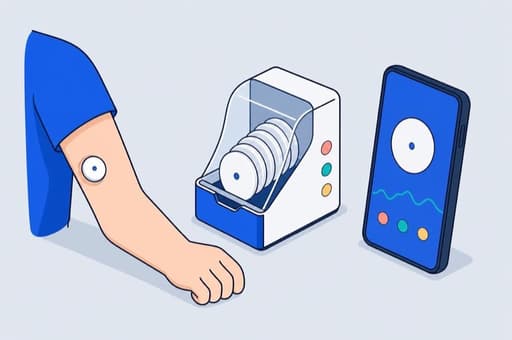
Diabetes Care
FreeStyle Libre is the main engine: Diabetes Care made $8.00B in FY2025, mostly from wearable sensors that track sugar levels. Watch factory capacity, access through health plans and the new seven-year MiniMed supply deal.
Competes with Dexcom G7 (Dexcom) · Simplera (Medtronic)
In plain English
A small patch on the arm measures sugar levels all day and sends the readings to an app. That replaces repeated finger-prick checks and helps people see how food, medicine and exercise affect them. FreeStyle Libre supplies most of this business; Lingo extends the same idea to everyday wellness.
The patch wears out, so users keep buying sensors. Hospitals and distributors put the sensors within reach of consumers, while insurance coverage determines who can afford them. MiniMed also pays Abbott for sensors used with specified diabetes devices, adding another way to sell repeat sensors without changing the replacement cycle.
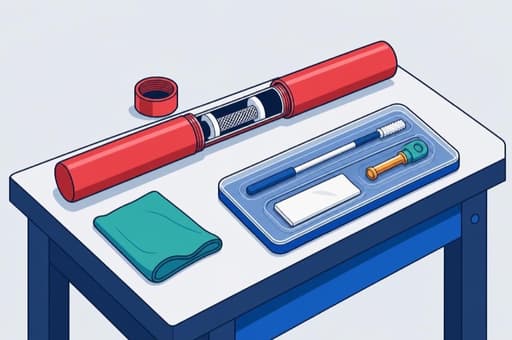
Vascular
Tiny tools reopen narrowed blood vessels and help doctors see and measure the blockage. The line made $3.00B in FY2025; watch procedure volumes and whether newer vessel-closure and dissolving-support products keep winning use.
Competes with Onyx Frontier DES (Medtronic) · SYNERGY XD DES (Boston Scientific)
In plain English
When an artery narrows, doctors can work through a small opening instead of performing major surgery. Abbott sells the guidewires, balloons and stents—a stent is a tiny mesh tube that props the vessel open—along with tools that show where the blockage is.
Hospitals buy these products for each procedure, much as a repair shop opens a fresh parts kit for every job. Some equipment stays in the heart-treatment room, but many pieces are single-use. Revenue therefore follows the number of procedures, the products doctors choose and whether insurers and public health systems will pay for them.
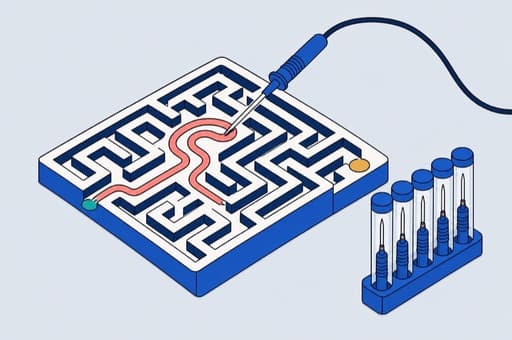
Electrophysiology
These systems find and stop faulty electrical paths that make the heart beat irregularly. Sales rose 12.0% in FY2025 as Volt added a newer, non-heat treatment; watch hospital capacity and doctor adoption.
Competes with FARAPULSE (Boston Scientific) · VARIPULSE Pro (Johnson & Johnson)
In plain English
An irregular heartbeat can come from a tiny patch of heart tissue sending the wrong electrical signal. Abbott's mapping system helps a doctor find that spot; a thin flexible tube then reaches it and applies energy so the bad signal stops. Volt does this without heat.
The map-making equipment anchors Abbott inside a hospital treatment room, and each patient needs fresh tubes and other access tools. That makes the model part durable equipment, part repeat-use supplies. Abbott earns more when hospitals perform more treatments and when doctors choose its whole connected tool set rather than mixing systems.
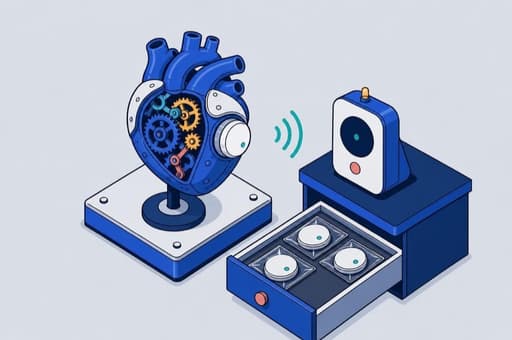
Rhythm Management
Pacemakers, defibrillators and follow-up monitoring keep weak or dangerous heart rhythms under control. Sales rose 10.9% in FY2025, led by the wire-free AVEIR pacemaker; watch replacement demand and uptake of the newer design.
Competes with Micra AV/AV2 (Medtronic) · ACCOLADE (Boston Scientific)
In plain English
The heart needs a steady beat. A pacemaker nudges a slow heart, while a defibrillator can correct a dangerous rhythm; Abbott sells both, plus devices that let clinics check patients from afar. AVEIR removes the long wire used by a conventional pacemaker.
Hospitals pay for the implant and clinics continue monitoring it afterward. Devices eventually need replacement, so the growing group of patients already using them brings follow-up work as well as new procedures. Growth depends on doctors trusting the evidence, learning the implant method and choosing Abbott's smaller wire-free system over familiar alternatives.
Structural Heart
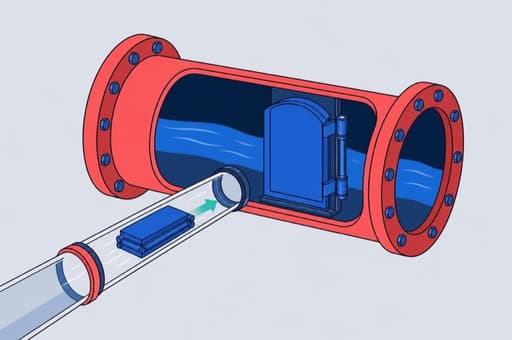
Implants repair or replace faulty heart valves and close openings that can raise stroke risk. Sales rose 12.3% in FY2025; watch whether more hospitals train teams to use the newer TriClip, Navitor and Amulet devices.
Competes with SAPIEN 3 Ultra RESILIA (Edwards) · WATCHMAN FLX Pro (Boston Scientific)
In plain English
Some heart problems are mechanical: a valve leaks, an opening should be closed or a worn valve needs replacing. Abbott makes small implants that doctors can deliver through a tube, often avoiding open-heart surgery. Different devices act like clips, plugs or replacement gates.
Each treatment produces an implant sale, but a hospital first needs trained specialists, suitable imaging and enough referred patients. That makes adoption slower than putting a new product on a shelf. Once a team builds the procedure into its routine, patient flow and the evidence behind each device drive repeat orders.
Diagnostic Products
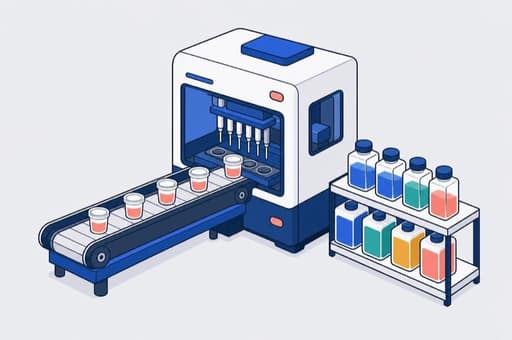
Lab machines and quick-test systems create repeat sales of testing chemicals and service. Most of Abbott's $6.9B in promised future purchases, service and monitoring at June 2026 sat in diagnostics; watch routine testing and China's buying rules.
Competes with cobas pro (Roche Diagnostics) · Atellica Solution (Siemens Healthineers)
In plain English
The unglamorous repeat-sale machine. Abbott places analyzers such as Alinity in hospitals, blood banks and laboratories; the machines examine blood and other samples for signs of disease. It also sells faster systems used closer to the patient.
A machine placement is only the start. Every batch of samples consumes Abbott testing chemicals, and the customer also needs maintenance and help connecting the equipment into the lab. Some instruments are provided under arrangements that require later chemical purchases. Like a printer and its ink, the installed machine makes the smaller repeat orders the durable part of the business.
Cancer Diagnostics
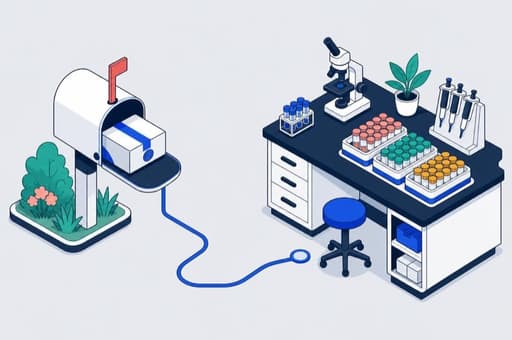
Exact Sciences joined Abbott in March 2026, bringing home colorectal screening and tests that guide cancer care. Abbott forecast roughly $3B of FY2026 sales; watch completed screenings, health-plan coverage and laboratory capacity.
Competes with Shield (Guardant Health) · Galleri (GRAIL)
In plain English
Screening starts far from an operating room. Cologuard lets a person collect a stool sample at home and send it to a laboratory; other Exact Sciences tests use blood or tumor samples to help find cancer or choose treatment. Abbott bought the entire company and now calls it Cancer Diagnostics.
Money arrives when tests are completed and processed, not merely when a kit is handed out. Doctors must prescribe them, patients must return samples and insurance plans must cover the bill. Care programs that identify overdue patients can bring more people to screening, while laboratory capacity sets how many finished tests can become sales.
Nutritional Products
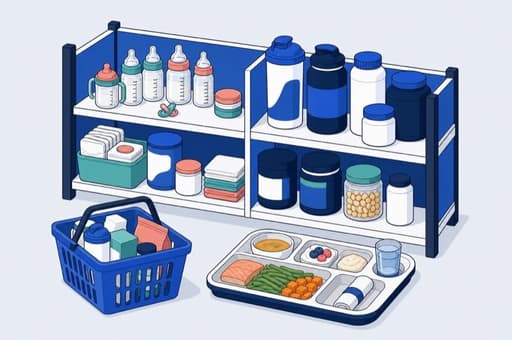
Similac and PediaSure serve children; Ensure and Glucerna serve adults with extra nutrition needs. The business made $8.45B in FY2025, but it is mature: watch U.S. sales volume, pricing and international adult demand.
Competes with Enfamil (Reckitt) · BOOST (Nestlé Health Science)
In plain English
This is the supermarket-and-hospital side of Abbott: infant formula, children's nutrition and drinks for adults who need more protein, calories or help managing diabetes. Some purchases are everyday household choices; others support patients with particular feeding needs.
Consumers, hospitals and government agencies buy the products through retailers, wholesalers and distributors. A bottle or tin is used up, so demand repeats, but growth is steadier than in newer medical devices. Births, aging and trust in product quality shape how much sells. When fewer units sell, Abbott may raise prices, though affordability limits how far that can go.
Established Pharmaceutical Products
Branded versions of established medicines are sold outside the United States, mainly in faster-growing countries. The business made $5.54B in FY2025; watch local price controls, currency swings and continued access to pharmacies and public buyers.
Competes with Brands and branded generics (Viatris) · Generic and branded medicines (Sun Pharma)
In plain English
Outside the United States, Abbott sells familiar prescription medicines under trusted brand names across heart, stomach, women's health, breathing, pain and brain-related conditions. This is not mainly a hunt for the next blockbuster drug; it is a broad shelf of established treatments adapted to many local markets.
Pharmacies, healthcare facilities and governments buy through Abbott warehouses and local distributors. Patients with ongoing conditions return for refills, while wider access to healthcare brings in new users. The trade-off is that government purchasing deals and local price rules can squeeze what Abbott earns, and sales collected in many currencies change value when translated back to dollars.


 Diabetes CareFreeStyle Libre is the main engine: Diabetes Care made $8.00B in FY2025, mostly from wearable sensors that track sugar levels. Watch factory capacity, access through health plans and the new seven-year MiniMed supply deal.
FreeStyle Libre is the main engine: Diabetes Care made $8.00B in FY2025, mostly from wearable sensors that track sugar levels. Watch factory capacity, access through health plans and the new seven-year MiniMed supply deal.
In plain English
A small patch on the arm measures sugar levels all day and sends the readings to an app. That replaces repeated finger-prick checks and helps people see how food, medicine and exercise affect them. FreeStyle Libre supplies most of this business; Lingo extends the same idea to everyday wellness.
The patch wears out, so users keep buying sensors. Hospitals and distributors put the sensors within reach of consumers, while insurance coverage determines who can afford them. MiniMed also pays Abbott for sensors used with specified diabetes devices, adding another way to sell repeat sensors without changing the replacement cycle.
Competes with Dexcom G7 (Dexcom) · Simplera (Medtronic)
 VascularTiny tools reopen narrowed blood vessels and help doctors see and measure the blockage. The line made $3.00B in FY2025; watch procedure volumes and whether newer vessel-closure and dissolving-support products keep winning use.
Tiny tools reopen narrowed blood vessels and help doctors see and measure the blockage. The line made $3.00B in FY2025; watch procedure volumes and whether newer vessel-closure and dissolving-support products keep winning use.
In plain English
When an artery narrows, doctors can work through a small opening instead of performing major surgery. Abbott sells the guidewires, balloons and stents—a stent is a tiny mesh tube that props the vessel open—along with tools that show where the blockage is.
Hospitals buy these products for each procedure, much as a repair shop opens a fresh parts kit for every job. Some equipment stays in the heart-treatment room, but many pieces are single-use. Revenue therefore follows the number of procedures, the products doctors choose and whether insurers and public health systems will pay for them.
Competes with Onyx Frontier DES (Medtronic) · SYNERGY XD DES (Boston Scientific)
 ElectrophysiologyThese systems find and stop faulty electrical paths that make the heart beat irregularly. Sales rose 12.0% in FY2025 as Volt added a newer, non-heat treatment; watch hospital capacity and doctor adoption.
These systems find and stop faulty electrical paths that make the heart beat irregularly. Sales rose 12.0% in FY2025 as Volt added a newer, non-heat treatment; watch hospital capacity and doctor adoption.
In plain English
An irregular heartbeat can come from a tiny patch of heart tissue sending the wrong electrical signal. Abbott's mapping system helps a doctor find that spot; a thin flexible tube then reaches it and applies energy so the bad signal stops. Volt does this without heat.
The map-making equipment anchors Abbott inside a hospital treatment room, and each patient needs fresh tubes and other access tools. That makes the model part durable equipment, part repeat-use supplies. Abbott earns more when hospitals perform more treatments and when doctors choose its whole connected tool set rather than mixing systems.
Competes with FARAPULSE (Boston Scientific) · VARIPULSE Pro (Johnson & Johnson)
 Rhythm ManagementPacemakers, defibrillators and follow-up monitoring keep weak or dangerous heart rhythms under control. Sales rose 10.9% in FY2025, led by the wire-free AVEIR pacemaker; watch replacement demand and uptake of the newer design.
Pacemakers, defibrillators and follow-up monitoring keep weak or dangerous heart rhythms under control. Sales rose 10.9% in FY2025, led by the wire-free AVEIR pacemaker; watch replacement demand and uptake of the newer design.
In plain English
The heart needs a steady beat. A pacemaker nudges a slow heart, while a defibrillator can correct a dangerous rhythm; Abbott sells both, plus devices that let clinics check patients from afar. AVEIR removes the long wire used by a conventional pacemaker.
Hospitals pay for the implant and clinics continue monitoring it afterward. Devices eventually need replacement, so the growing group of patients already using them brings follow-up work as well as new procedures. Growth depends on doctors trusting the evidence, learning the implant method and choosing Abbott's smaller wire-free system over familiar alternatives.
Competes with Micra AV/AV2 (Medtronic) · ACCOLADE (Boston Scientific)
 Structural HeartImplants repair or replace faulty heart valves and close openings that can raise stroke risk. Sales rose 12.3% in FY2025; watch whether more hospitals train teams to use the newer TriClip, Navitor and Amulet devices.
Implants repair or replace faulty heart valves and close openings that can raise stroke risk. Sales rose 12.3% in FY2025; watch whether more hospitals train teams to use the newer TriClip, Navitor and Amulet devices.
In plain English
Some heart problems are mechanical: a valve leaks, an opening should be closed or a worn valve needs replacing. Abbott makes small implants that doctors can deliver through a tube, often avoiding open-heart surgery. Different devices act like clips, plugs or replacement gates.
Each treatment produces an implant sale, but a hospital first needs trained specialists, suitable imaging and enough referred patients. That makes adoption slower than putting a new product on a shelf. Once a team builds the procedure into its routine, patient flow and the evidence behind each device drive repeat orders.
Competes with SAPIEN 3 Ultra RESILIA (Edwards) · WATCHMAN FLX Pro (Boston Scientific)
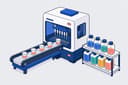 Diagnostic ProductsLab machines and quick-test systems create repeat sales of testing chemicals and service. Most of Abbott's $6.9B in promised future purchases, service and monitoring at June 2026 sat in diagnostics; watch routine testing and China's buying rules.
Lab machines and quick-test systems create repeat sales of testing chemicals and service. Most of Abbott's $6.9B in promised future purchases, service and monitoring at June 2026 sat in diagnostics; watch routine testing and China's buying rules.
In plain English
The unglamorous repeat-sale machine. Abbott places analyzers such as Alinity in hospitals, blood banks and laboratories; the machines examine blood and other samples for signs of disease. It also sells faster systems used closer to the patient.
A machine placement is only the start. Every batch of samples consumes Abbott testing chemicals, and the customer also needs maintenance and help connecting the equipment into the lab. Some instruments are provided under arrangements that require later chemical purchases. Like a printer and its ink, the installed machine makes the smaller repeat orders the durable part of the business.
Competes with cobas pro (Roche Diagnostics) · Atellica Solution (Siemens Healthineers)
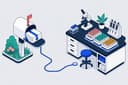 Cancer DiagnosticsExact Sciences joined Abbott in March 2026, bringing home colorectal screening and tests that guide cancer care. Abbott forecast roughly $3B of FY2026 sales; watch completed screenings, health-plan coverage and laboratory capacity.
Exact Sciences joined Abbott in March 2026, bringing home colorectal screening and tests that guide cancer care. Abbott forecast roughly $3B of FY2026 sales; watch completed screenings, health-plan coverage and laboratory capacity.
In plain English
Screening starts far from an operating room. Cologuard lets a person collect a stool sample at home and send it to a laboratory; other Exact Sciences tests use blood or tumor samples to help find cancer or choose treatment. Abbott bought the entire company and now calls it Cancer Diagnostics.
Money arrives when tests are completed and processed, not merely when a kit is handed out. Doctors must prescribe them, patients must return samples and insurance plans must cover the bill. Care programs that identify overdue patients can bring more people to screening, while laboratory capacity sets how many finished tests can become sales.
Competes with Shield (Guardant Health) · Galleri (GRAIL)
 Nutritional ProductsSimilac and PediaSure serve children; Ensure and Glucerna serve adults with extra nutrition needs. The business made $8.45B in FY2025, but it is mature: watch U.S. sales volume, pricing and international adult demand.
Similac and PediaSure serve children; Ensure and Glucerna serve adults with extra nutrition needs. The business made $8.45B in FY2025, but it is mature: watch U.S. sales volume, pricing and international adult demand.
In plain English
This is the supermarket-and-hospital side of Abbott: infant formula, children's nutrition and drinks for adults who need more protein, calories or help managing diabetes. Some purchases are everyday household choices; others support patients with particular feeding needs.
Consumers, hospitals and government agencies buy the products through retailers, wholesalers and distributors. A bottle or tin is used up, so demand repeats, but growth is steadier than in newer medical devices. Births, aging and trust in product quality shape how much sells. When fewer units sell, Abbott may raise prices, though affordability limits how far that can go.
Competes with Enfamil (Reckitt) · BOOST (Nestlé Health Science)
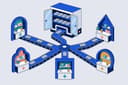 Established Pharmaceutical ProductsBranded versions of established medicines are sold outside the United States, mainly in faster-growing countries. The business made $5.54B in FY2025; watch local price controls, currency swings and continued access to pharmacies and public buyers.
Branded versions of established medicines are sold outside the United States, mainly in faster-growing countries. The business made $5.54B in FY2025; watch local price controls, currency swings and continued access to pharmacies and public buyers.
In plain English
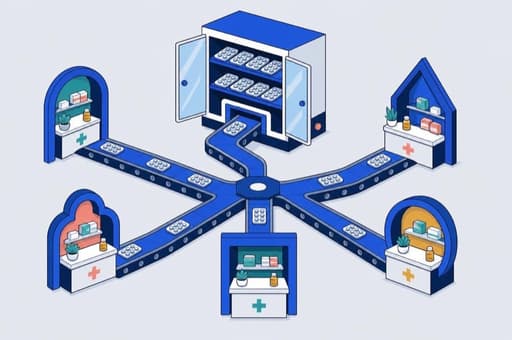
Outside the United States, Abbott sells familiar prescription medicines under trusted brand names across heart, stomach, women's health, breathing, pain and brain-related conditions. This is not mainly a hunt for the next blockbuster drug; it is a broad shelf of established treatments adapted to many local markets.
Pharmacies, healthcare facilities and governments buy through Abbott warehouses and local distributors. Patients with ongoing conditions return for refills, while wider access to healthcare brings in new users. The trade-off is that government purchasing deals and local price rules can squeeze what Abbott earns, and sales collected in many currencies change value when translated back to dollars.
Competes with Brands and branded generics (Viatris) · Generic and branded medicines (Sun Pharma)
Named in filings, launches and programs
- Rapid and Molecular DiagnosticsProduct lineQuick and near-patient tests made $3.58B in FY2025; fading COVID-test demand remains the drag.
- Heart FailureProduct lineHeartMate pumping devices, CardioMEMS remote monitoring and CentriMag emergency support made $1.45B in FY2025.
- NeuromodulationProduct lineImplanted systems use electrical pulses to manage chronic pain and movement disorders; the line made $1.01B in FY2025.
- Libre–Medtronic programCustomer program · RampingA seven-year deal makes Abbott the exclusive outside sensor supplier for specified MiniMed diabetes systems, with payments for each unit supplied.
- Lingo–Google Health collaborationCustomer program · AnnouncedA multi-year collaboration will connect Lingo glucose data with consumer coaching and research; financial terms were not disclosed.
- SimpleScreen CRC U.S. commercializationCustomer program · AnnouncedAbbott agreed to sell Freenome's approved blood test for colorectal-cancer screening alongside its stool-based option in the United States.
- ALZpath p-tau217 programProduct · Pre-revenueA licensed blood test for Alzheimer's disease is being developed to run on Abbott's diagnostic machines.
- TECTONIC Coronary IVL SystemProduct · Pre-revenueAn experimental system uses pressure waves to break up hardened material in heart arteries; its main U.S. study finished enrolling patients.
Rapid and Molecular DiagnosticsProduct line
Quick and near-patient tests made $3.58B in FY2025; fading COVID-test demand remains the drag.
Heart FailureProduct line
HeartMate pumping devices, CardioMEMS remote monitoring and CentriMag emergency support made $1.45B in FY2025.
NeuromodulationProduct line
Implanted systems use electrical pulses to manage chronic pain and movement disorders; the line made $1.01B in FY2025.
Libre–Medtronic programCustomer program · Ramping
A seven-year deal makes Abbott the exclusive outside sensor supplier for specified MiniMed diabetes systems, with payments for each unit supplied.
Lingo–Google Health collaborationCustomer program · Announced
A multi-year collaboration will connect Lingo glucose data with consumer coaching and research; financial terms were not disclosed.
SimpleScreen CRC U.S. commercializationCustomer program · Announced
Abbott agreed to sell Freenome's approved blood test for colorectal-cancer screening alongside its stool-based option in the United States.
ALZpath p-tau217 programProduct · Pre-revenue
A licensed blood test for Alzheimer's disease is being developed to run on Abbott's diagnostic machines.
TECTONIC Coronary IVL SystemProduct · Pre-revenue
An experimental system uses pressure waves to break up hardened material in heart arteries; its main U.S. study finished enrolling patients.