
American Electric Power (AEP)
Generates and delivers electricity across 11 states over America's largest transmission network.
Something off on this page? Send us feedback.
AEP is mostly a collection of local electric utilities whose everyday job is keeping power flowing to homes and businesses. Its next chapter depends on building enough lines and power supply for unusually large new customers, especially computing campuses, without letting construction outrun approvals and funding.
Item facts: FY2025 · year ended Dec 31, 2025, from filings, earnings calls and company pages.
Judgment weights, not filed revenue
The band summarizes business focus and direction. ~ marks estimates.
7 in detail · 18 more below
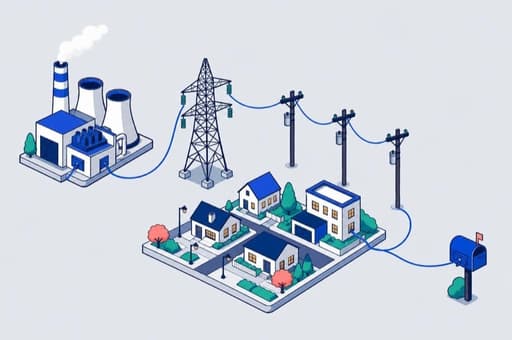
Vertically Integrated Utilities
Five local utilities sell the whole package: electricity, power plants and the wires into customers' premises. This is AEP's main revenue engine; retail use rose only 2.2% in FY2025, so approved prices and construction timing matter.
Competes with Duke Energy Indiana regulated electric service (Duke Energy) · Entergy Louisiana electric service (Entergy)
In plain English
This is the old-fashioned electric-company bundle: AEP generates or buys electricity, moves it across high-voltage lines, delivers it down local wires and sends one bill. Appalachian Power, Indiana Michigan Power, Kentucky Power, Public Service Company of Oklahoma and Southwestern Electric Power Company carry most of this work.
Households and businesses pay for the electricity they use and for keeping enough capacity ready. State regulators set prices meant to repay reasonable costs and allow a return on approved investments. Fuel costs can be passed through, so higher sales do not always mean equally higher profit.
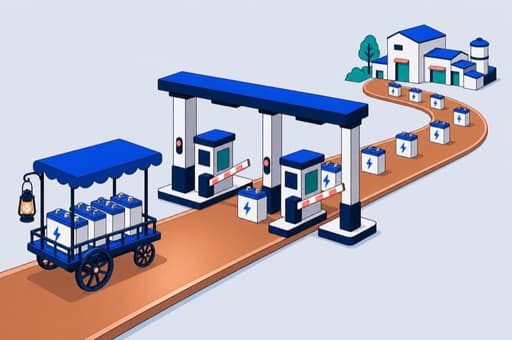
Transmission and Distribution Utilities
AEP Texas and AEP Ohio charge for moving electricity rather than selling the electricity itself. NRG Energy and Vistra together made up 38% of AEP Texas revenue, making those two retail-power groups unusually important payers.
Competes with Oncor Electric Delivery (Sempra) · CenterPoint Energy Houston Electric (CenterPoint Energy)
In plain English
Here, AEP owns the roads but not the cargo. Other companies sell the electricity; AEP Texas and AEP Ohio carry it over transmission lines and neighborhood wires, then collect delivery charges set by regulators.
The business grows when more customers connect and when regulators approve new substations and lines whose costs can be repaid through future bills. It is steadier than buying and reselling power, but the wires cannot do their job without enough electricity feeding the network. In Texas, new connections also wait on the state's review process.
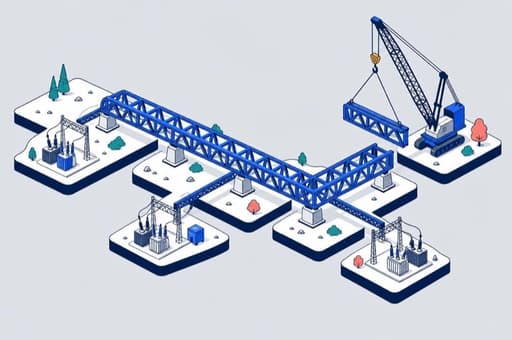
AEP Transmission Holdco
The high-voltage backbone is AEP's biggest construction focus, with $33 billion planned through 2030. The payoff comes only after projects win approval, get built and begin earning an approved profit on the investment.
Competes with NextEra Energy Transmission regional utilities (NextEra Energy) · ITC transmission operating companies (ITC Holdings)
In plain English
Picture the backbone of the grid: tall lines that carry huge amounts of electricity between regions before local networks take over. AEP Transmission Holdco owns companies and project stakes that build this layer, including lines awarded through regional planning contests.
Once a project is operating, federal formulas set the revenue needed to cover costs and an allowed return. Much of the money first appears as payments from AEP's own utilities, which is why outside-customer revenue understates the business's scale. The hard part is getting selected, finding a route and finishing construction on time.
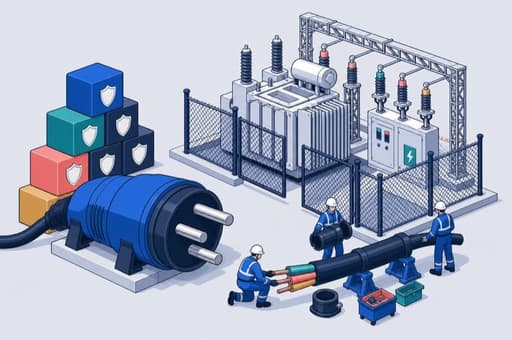
Large-Customer Power Agreements
Large customers signed for 69 gigawatts of possible demand through 2030—a measure of how much electricity they could need at once. Most sites are not drawing power yet, and Texas is rechecking requests.
Competes with Data Center Requests service (Dominion Energy Virginia) · Meta Richland Parish program (Entergy Louisiana)
In plain English
A giant new power user cannot simply plug in. AEP may need years to add lines, substations and power plants, so its special contracts ask the customer for strong credit, minimum payments or direct funding for dedicated equipment. It works like reserving a factory before it is built: the reservation needs real backing.
AWS, Google and Meta are named examples. Their payments eventually flow through whichever AEP utility serves the site. Until approvals, equipment and construction are complete, however, a signed request is only potential demand. Five contract frameworks were approved and three were still pending in mid-2026.
PORTS-Pike
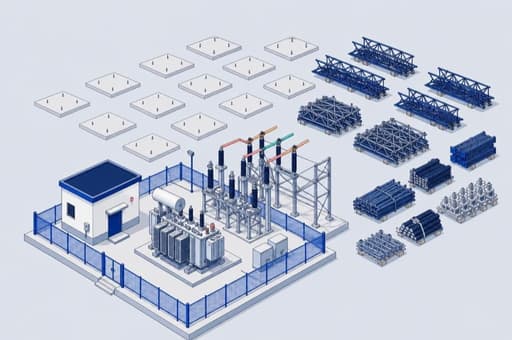
OpenAI's proposed computing campus could eventually reach eight gigawatts of computing capacity. The first phase targets 2028, while later phases still need financing, permits, new power supply and transmission.
Competes with Data Center Requests service · bridge pathway (Dominion Energy Virginia) · Meta Richland Parish campus package (Entergy Louisiana)
In plain English
Southern Ohio has a proposed campus filled with computers for OpenAI, developed by SB Energy and supported at the start by NVIDIA. Its planned size would make electricity infrastructure part of the project itself, not just another utility connection.
SB Energy is expected to fund upgrades, and AEP Ohio would earn when approved lines and related equipment enter service. The first portion is meant to use existing infrastructure; later portions need much more construction and generation. No final AEP revenue has been disclosed, so the project belongs in the map as a possibility rather than a paying business today.
Generation & Marketing
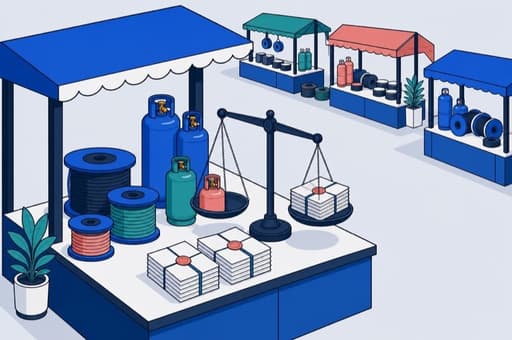
AEP Energy and related operations buy, generate and resell electricity or gas where customers can choose suppliers. The scope has narrowed, and earnings swing more with purchase costs, contract prices and customer departures.
Competes with NRG retail portfolio (NRG Energy) · Constellation NewEnergy (Constellation Energy)
In plain English
Unlike AEP's local monopolies, this business has to win customers. AEP Energy offers electricity and natural gas to households and companies that are free to choose a supplier, while the wider segment also sells power in bulk and manages price changes with advance contracts.
Money comes from the gap between what AEP pays for energy and what customers agree to pay. Nearly a million retail accounts provided scale in FY2025, but scale alone does not guarantee profit: wholesale energy prices, customer switching and the cost of financial protection can all squeeze that gap. Management has already reduced the business's scope.
Wyoming Fuel Cell Project
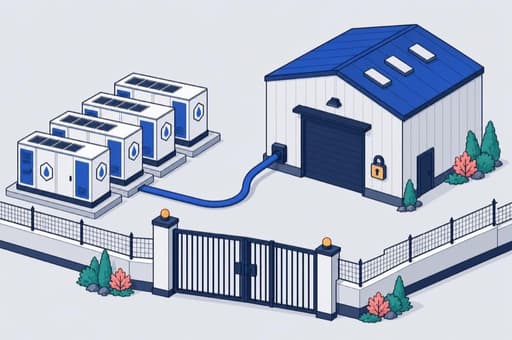
AEP agreed to buy fuel-cell equipment for a Wyoming power project whose entire output is promised to one unnamed, financially strong customer for 20 years. A December 2026 milestone still stands before revenue can begin.
Competes with SureSource and FCE Block systems (FuelCell Energy) · Ceres Endura (Ceres Power)
In plain English
Rows of boxy fuel-cell units would turn natural gas into electricity beside the customer that needs it, avoiding a wait for all the usual grid additions. An AEP subsidiary operating outside state-set utility prices would buy the equipment from Bloom Energy and sell every unit of electricity the project produces.
That buyer's long contract is the economic support, while protections limit AEP's cost if conditions fail. Important pieces remain undisclosed, including capacity, electricity price and customer identity. The project therefore depends on meeting contractual milestones, securing the site and gas, obtaining permits and completing construction.


 Vertically Integrated UtilitiesFive local utilities sell the whole package: electricity, power plants and the wires into customers' premises. This is AEP's main revenue engine; retail use rose only 2.2% in FY2025, so approved prices and construction timing matter.
Five local utilities sell the whole package: electricity, power plants and the wires into customers' premises. This is AEP's main revenue engine; retail use rose only 2.2% in FY2025, so approved prices and construction timing matter.
In plain English
This is the old-fashioned electric-company bundle: AEP generates or buys electricity, moves it across high-voltage lines, delivers it down local wires and sends one bill. Appalachian Power, Indiana Michigan Power, Kentucky Power, Public Service Company of Oklahoma and Southwestern Electric Power Company carry most of this work.
Households and businesses pay for the electricity they use and for keeping enough capacity ready. State regulators set prices meant to repay reasonable costs and allow a return on approved investments. Fuel costs can be passed through, so higher sales do not always mean equally higher profit.
Competes with Duke Energy Indiana regulated electric service (Duke Energy) · Entergy Louisiana electric service (Entergy)
 Transmission and Distribution UtilitiesAEP Texas and AEP Ohio charge for moving electricity rather than selling the electricity itself. NRG Energy and Vistra together made up 38% of AEP Texas revenue, making those two retail-power groups unusually important payers.
AEP Texas and AEP Ohio charge for moving electricity rather than selling the electricity itself. NRG Energy and Vistra together made up 38% of AEP Texas revenue, making those two retail-power groups unusually important payers.
In plain English
Here, AEP owns the roads but not the cargo. Other companies sell the electricity; AEP Texas and AEP Ohio carry it over transmission lines and neighborhood wires, then collect delivery charges set by regulators.
The business grows when more customers connect and when regulators approve new substations and lines whose costs can be repaid through future bills. It is steadier than buying and reselling power, but the wires cannot do their job without enough electricity feeding the network. In Texas, new connections also wait on the state's review process.
Competes with Oncor Electric Delivery (Sempra) · CenterPoint Energy Houston Electric (CenterPoint Energy)
 AEP Transmission HoldcoThe high-voltage backbone is AEP's biggest construction focus, with $33 billion planned through 2030. The payoff comes only after projects win approval, get built and begin earning an approved profit on the investment.
The high-voltage backbone is AEP's biggest construction focus, with $33 billion planned through 2030. The payoff comes only after projects win approval, get built and begin earning an approved profit on the investment.
In plain English
Picture the backbone of the grid: tall lines that carry huge amounts of electricity between regions before local networks take over. AEP Transmission Holdco owns companies and project stakes that build this layer, including lines awarded through regional planning contests.
Once a project is operating, federal formulas set the revenue needed to cover costs and an allowed return. Much of the money first appears as payments from AEP's own utilities, which is why outside-customer revenue understates the business's scale. The hard part is getting selected, finding a route and finishing construction on time.
Competes with NextEra Energy Transmission regional utilities (NextEra Energy) · ITC transmission operating companies (ITC Holdings)
 Large-Customer Power AgreementsLarge customers signed for 69 gigawatts of possible demand through 2030—a measure of how much electricity they could need at once. Most sites are not drawing power yet, and Texas is rechecking requests.
Large customers signed for 69 gigawatts of possible demand through 2030—a measure of how much electricity they could need at once. Most sites are not drawing power yet, and Texas is rechecking requests.
In plain English
A giant new power user cannot simply plug in. AEP may need years to add lines, substations and power plants, so its special contracts ask the customer for strong credit, minimum payments or direct funding for dedicated equipment. It works like reserving a factory before it is built: the reservation needs real backing.
AWS, Google and Meta are named examples. Their payments eventually flow through whichever AEP utility serves the site. Until approvals, equipment and construction are complete, however, a signed request is only potential demand. Five contract frameworks were approved and three were still pending in mid-2026.
Competes with Data Center Requests service (Dominion Energy Virginia) · Meta Richland Parish program (Entergy Louisiana)
 PORTS-PikeOpenAI's proposed computing campus could eventually reach eight gigawatts of computing capacity. The first phase targets 2028, while later phases still need financing, permits, new power supply and transmission.
OpenAI's proposed computing campus could eventually reach eight gigawatts of computing capacity. The first phase targets 2028, while later phases still need financing, permits, new power supply and transmission.
In plain English
Southern Ohio has a proposed campus filled with computers for OpenAI, developed by SB Energy and supported at the start by NVIDIA. Its planned size would make electricity infrastructure part of the project itself, not just another utility connection.
SB Energy is expected to fund upgrades, and AEP Ohio would earn when approved lines and related equipment enter service. The first portion is meant to use existing infrastructure; later portions need much more construction and generation. No final AEP revenue has been disclosed, so the project belongs in the map as a possibility rather than a paying business today.
Competes with Data Center Requests service · bridge pathway (Dominion Energy Virginia) · Meta Richland Parish campus package (Entergy Louisiana)
 Generation & MarketingAEP Energy and related operations buy, generate and resell electricity or gas where customers can choose suppliers. The scope has narrowed, and earnings swing more with purchase costs, contract prices and customer departures.
AEP Energy and related operations buy, generate and resell electricity or gas where customers can choose suppliers. The scope has narrowed, and earnings swing more with purchase costs, contract prices and customer departures.
In plain English
Unlike AEP's local monopolies, this business has to win customers. AEP Energy offers electricity and natural gas to households and companies that are free to choose a supplier, while the wider segment also sells power in bulk and manages price changes with advance contracts.
Money comes from the gap between what AEP pays for energy and what customers agree to pay. Nearly a million retail accounts provided scale in FY2025, but scale alone does not guarantee profit: wholesale energy prices, customer switching and the cost of financial protection can all squeeze that gap. Management has already reduced the business's scope.
Competes with NRG retail portfolio (NRG Energy) · Constellation NewEnergy (Constellation Energy)
 Wyoming Fuel Cell ProjectAEP agreed to buy fuel-cell equipment for a Wyoming power project whose entire output is promised to one unnamed, financially strong customer for 20 years. A December 2026 milestone still stands before revenue can begin.
AEP agreed to buy fuel-cell equipment for a Wyoming power project whose entire output is promised to one unnamed, financially strong customer for 20 years. A December 2026 milestone still stands before revenue can begin.
In plain English
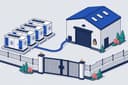
Rows of boxy fuel-cell units would turn natural gas into electricity beside the customer that needs it, avoiding a wait for all the usual grid additions. An AEP subsidiary operating outside state-set utility prices would buy the equipment from Bloom Energy and sell every unit of electricity the project produces.
That buyer's long contract is the economic support, while protections limit AEP's cost if conditions fail. Important pieces remain undisclosed, including capacity, electricity price and customer identity. The project therefore depends on meeting contractual milestones, securing the site and gas, obtaining permits and completing construction.
Competes with SureSource and FCE Block systems (FuelCell Energy) · Ceres Endura (Ceres Power)
Named in filings, launches and programs
- AEP OhioBrandOhio wires utility and the main AEP connection point for the proposed PORTS-Pike computing campus.
- AEP TexasBrandTexas wires utility facing both a flood of large connection requests and a state review of whether those requests are real.
- Appalachian PowerBrandFull-service electric utility for customers in Virginia, West Virginia and Tennessee.
- Indiana Michigan PowerBrandFull-service Indiana and Michigan utility that also owns the Cook nuclear plant.
- Kentucky PowerBrandFull-service electric utility serving eastern Kentucky.
- Public Service Company of OklahomaBrandOklahoma utility adding approved generating resources as customer demand grows.
- Southwestern Electric Power CompanyBrandFull-service electric utility across parts of Arkansas, Louisiana and Texas.
- AEP EnergyBrandCompetitive electricity and natural-gas seller inside Generation & Marketing.
- Electric Transmission TexasBrandHalf-owned Texas transmission venture with a large network already in service.
- Oregon Natural Gas Plant AcquisitionCustomer program · AnnouncedIndiana Michigan Power's planned purchase of an operating gas power plant; completion was not confirmed.
- Grid Growth VenturesBrand · RampingTransource and FirstEnergy venture awarded regional grid projects, with AEP's expected investment share around $600 million.
- Midcontinent Grid SolutionsBrand · RampingTransource and Berkshire Hathaway Energy venture awarded Midwest grid projects, with AEP's expected share around $500 million.
- AWS and Cologix Onsite Fuel-Cell ProjectsCustomer program · RampingApproved central Ohio installations whose long-term customers are responsible for all project costs.
- Quanta Services 765-kV Strategic PartnershipCustomer programLong-term arrangement reserving crews and equipment for extra-high-voltage line construction.
- Gas-Turbine Procurement ProgramCustomer program · RampingAEP has reserved turbines for possible power-plant additions through the next decade, before all projects are chosen.
- Rockport Energy HubCustomer program · AnnouncedIndiana Michigan Power's plan for the Rockport site's next use; costs and business terms remain undisclosed.
- Gigawatt AIEcosystemUtility-software venture in which AEP holds a minority stake after investing $150 million.
- SMR Early Site Permit ProgramProduct · AnnouncedEarly exploration of small modular nuclear-reactor sites in Indiana and Virginia, dependent on risk protections and acceptable regulated returns.
AEP OhioBrand
Ohio wires utility and the main AEP connection point for the proposed PORTS-Pike computing campus.
AEP TexasBrand
Texas wires utility facing both a flood of large connection requests and a state review of whether those requests are real.
Appalachian PowerBrand
Full-service electric utility for customers in Virginia, West Virginia and Tennessee.
Indiana Michigan PowerBrand
Full-service Indiana and Michigan utility that also owns the Cook nuclear plant.
Kentucky PowerBrand
Full-service electric utility serving eastern Kentucky.
Public Service Company of OklahomaBrand
Oklahoma utility adding approved generating resources as customer demand grows.
Southwestern Electric Power CompanyBrand
Full-service electric utility across parts of Arkansas, Louisiana and Texas.
AEP EnergyBrand
Competitive electricity and natural-gas seller inside Generation & Marketing.
Electric Transmission TexasBrand
Half-owned Texas transmission venture with a large network already in service.
Oregon Natural Gas Plant AcquisitionCustomer program · Announced
Indiana Michigan Power's planned purchase of an operating gas power plant; completion was not confirmed.
Grid Growth VenturesBrand · Ramping
Transource and FirstEnergy venture awarded regional grid projects, with AEP's expected investment share around $600 million.
Midcontinent Grid SolutionsBrand · Ramping
Transource and Berkshire Hathaway Energy venture awarded Midwest grid projects, with AEP's expected share around $500 million.
AWS and Cologix Onsite Fuel-Cell ProjectsCustomer program · Ramping
Approved central Ohio installations whose long-term customers are responsible for all project costs.
Quanta Services 765-kV Strategic PartnershipCustomer program
Long-term arrangement reserving crews and equipment for extra-high-voltage line construction.
Gas-Turbine Procurement ProgramCustomer program · Ramping
AEP has reserved turbines for possible power-plant additions through the next decade, before all projects are chosen.
Rockport Energy HubCustomer program · Announced
Indiana Michigan Power's plan for the Rockport site's next use; costs and business terms remain undisclosed.
Gigawatt AIEcosystem
Utility-software venture in which AEP holds a minority stake after investing $150 million.
SMR Early Site Permit ProgramProduct · Announced
Early exploration of small modular nuclear-reactor sites in Indiana and Virginia, dependent on risk protections and acceptable regulated returns.