
Aflac (AFL)
Pays cash benefits through supplemental health and life insurance in Japan and the United States.
Something off on this page? Send us feedback.
Aflac sells insurance that pays people cash when illness or injury hits, rather than paying the hospital bill itself. Japan remains the profit engine, led by cancer coverage, while the American business is broadening into larger employer benefit bundles. A small arm that takes over other insurers’ policy pools is opening a third path, but the whole company still hangs heavily on Japanese customers and distribution partners.
Item facts: FY2025 · year ended Dec 31, 2025, from filings, earnings calls and company pages.
Judgment weights, not filed revenue
The band summarizes business focus and direction. ~ marks estimates.
7 in detail · 7 more below

Aflac Japan Cancer Insurance — Miraito
Japan’s flagship cancer cover is Aflac’s largest single product family, at roughly 26% of company revenue. Miraito now reaches every sales channel; watch whether fresh policies can offset older ones that stop bringing in payments.
Competes with Guard Next (MetLife Japan) · Believe (ORIX Life)
In plain English
Cancer coverage is Aflac’s center of gravity in Japan. A policy promises set cash payments after a diagnosis or covered treatment, so the household can use the money for expenses that Japan’s national health system does not pay. Miraito is the current version, with coverage choices and a consultation service.
Households keep making regular policy payments, and Aflac keeps what remains after benefits, sales commissions and servicing costs. Its vast renewal pool makes the line durable, but mature policies can eventually stop bringing in payments even while new sales look healthy.
Aflac Japan Medical and Other Health — Anshin Palette
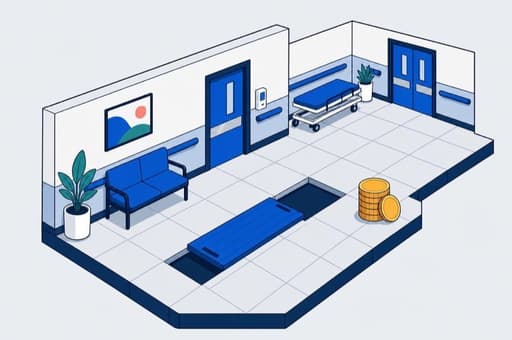
Japan’s medical cover contributes roughly 17% of company revenue and now has Anshin Palette as its fresh sales engine. Early launch momentum was strong; watch whether it lasts after the first burst and slows the shrinking stream of policy payments.
Competes with CURE Next (ORIX Life) · My Flexi (MetLife Japan)
In plain English
A hospital stay can leave a Japanese household with costs beyond what the national system handles. These policies send the customer set amounts for covered hospital stays, surgery, outpatient care or serious illness. Anshin Palette is the new menu: buyers select the pieces they want.
Aflac sells through independent agencies, other insurers and banks. Those partners earn commissions, while recurring customer payments fund benefits and the cost of running the policies. The launch brought a rush of sales; the harder job is keeping enough new payments flowing as older policies mature or leave the pool.

Aflac U.S. Critical Care, Accident and Hospital Indemnity
These U.S. policies pay cash after an accident, serious illness or hospital stay and contribute roughly 24% of company revenue. Their next test is steady enrollment as workplace sales shift toward larger employers and broker-led bundles.
Competes with Supplemental Insurance (Colonial Life) · Supplemental Health Insurance (Guardian)
In plain English
Think of this as a cash cushion alongside ordinary medical insurance. An accident, cancer diagnosis, critical illness or hospital stay triggers a fixed payment to the covered worker; the worker, not the hospital, decides how to spend it.
Employers open the door through workplace enrollment, while employees commonly fund the policy from their paychecks. Agents and benefits brokers bring in accounts and earn commissions. Aflac makes money when recurring policy payments and investment earnings exceed benefit payments and the cost of selling and running the policies. Access to employer groups is the scarce shelf space.

Aflac U.S. Life and Disability
Life and disability policies contribute roughly 13% of company revenue. Aflac is pushing them as a broader package for employers; watch whether group growth can overcome a softer workplace market and keep renewals coming.
Competes with Group Life and Disability (MetLife) · Group Life and Disability (Guardian)
In plain English
When an employee cannot work, disability cover replaces some income; when an insured worker dies, life cover pays the people they chose. Aflac sells short-term disability and life policies to individuals and groups, plus longer-term disability cover for groups.
Larger employers and their brokers can buy several kinds of protection from one provider, much like filling a single benefits toolbox. They pay or arrange regular policy payments, and Aflac earns what remains after claims, commissions and administration. Reliable service matters because an employer can move the whole relationship when it renews.

Aflac Dental and Vision
Dental and vision remain tiny at roughly 1% of company revenue, but they help Aflac offer employers a fuller benefits package. The watchpoint is whether stable provider access now converts into durable sales in a concentrated market.
Competes with Group Dental and Vision (MetLife) · Group Dental and Vision (Guardian)
In plain English
The small add-on can help win a much bigger employer account. Aflac offers dental and vision plans built around groups of providers that agree to serve members on set terms, plus individual dental cover that pays fixed cash amounts.
Employers and workers make regular payments for access to that care and those benefits. Dentists and optical providers gain patient volume; brokers gain another line to bundle with life, disability and other cover. Aflac needs enough participating providers to keep the plan useful, then enough members to make the network economical.

Aflac Japan Life Insurance — Tsumitasu
Japan life insurance contributes roughly 10% of company revenue. Tsumitasu adds retirement saving and nursing-care protection to attract younger customers; watch whether its sales can become steady enough to broaden a business still dominated by health cover.
Competes with Nissay Mirai no Katachi (Nippon Life) · Shin Nagaiki-kun/New Free Plan (Japan Post Insurance)
In plain English
Part protection, part long-term savings. Tsumitasu lets Japanese customers pay in yen toward retirement while also receiving life and nursing-care protection. It gives Aflac a reason to meet younger savers before they need its better-known cancer or medical policies.
Agencies bring in customers and receive commissions. Aflac invests the regular payments, later pays the promised benefits and keeps the margin left after those costs. The attraction rises and falls with the returns available on other savings choices, so steady sales matter more than a brief launch spike.
Aflac Re Bermuda — Japan Post Insurance Coinsurance
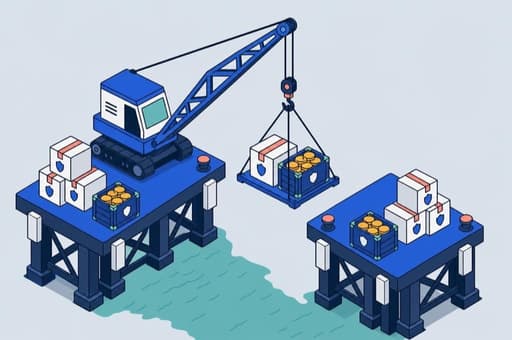
Aflac Re took on its first disclosed outside pool in March 2026: about $551 million of Japan Post Insurance obligations. It is small beside established specialists; results hinge on investment returns and whether future payouts match expectations.
Competes with Japan block coinsurance (RGA) · Legacy savings reinsurance (Munich Re Markets)
In plain English
Aflac Re is the quiet handoff business. Another insurer transfers a pool of long-term customer promises together with money set aside to support them; Aflac then manages the assets and helps shoulder the future payments.
Japan Post Insurance is the first named outside customer for this approach. Aflac can earn money if investment income and the transferred funds outlast benefits and running costs. It can lose if people live longer, cancel differently or require more payments than expected. Earlier deals mainly rearranged risk inside Aflac, so winning outside pools is the real test.


 Aflac Japan Cancer Insurance — MiraitoJapan’s flagship cancer cover is Aflac’s largest single product family, at roughly 26% of company revenue. Miraito now reaches every sales channel; watch whether fresh policies can offset older ones that stop bringing in payments.
Japan’s flagship cancer cover is Aflac’s largest single product family, at roughly 26% of company revenue. Miraito now reaches every sales channel; watch whether fresh policies can offset older ones that stop bringing in payments.
In plain English
Cancer coverage is Aflac’s center of gravity in Japan. A policy promises set cash payments after a diagnosis or covered treatment, so the household can use the money for expenses that Japan’s national health system does not pay. Miraito is the current version, with coverage choices and a consultation service.
Households keep making regular policy payments, and Aflac keeps what remains after benefits, sales commissions and servicing costs. Its vast renewal pool makes the line durable, but mature policies can eventually stop bringing in payments even while new sales look healthy.
Competes with Guard Next (MetLife Japan) · Believe (ORIX Life)
 Aflac Japan Medical and Other Health — Anshin PaletteJapan’s medical cover contributes roughly 17% of company revenue and now has Anshin Palette as its fresh sales engine. Early launch momentum was strong; watch whether it lasts after the first burst and slows the shrinking stream of policy payments.
Japan’s medical cover contributes roughly 17% of company revenue and now has Anshin Palette as its fresh sales engine. Early launch momentum was strong; watch whether it lasts after the first burst and slows the shrinking stream of policy payments.
In plain English
A hospital stay can leave a Japanese household with costs beyond what the national system handles. These policies send the customer set amounts for covered hospital stays, surgery, outpatient care or serious illness. Anshin Palette is the new menu: buyers select the pieces they want.
Aflac sells through independent agencies, other insurers and banks. Those partners earn commissions, while recurring customer payments fund benefits and the cost of running the policies. The launch brought a rush of sales; the harder job is keeping enough new payments flowing as older policies mature or leave the pool.
Competes with CURE Next (ORIX Life) · My Flexi (MetLife Japan)
 Aflac U.S. Critical Care, Accident and Hospital IndemnityThese U.S. policies pay cash after an accident, serious illness or hospital stay and contribute roughly 24% of company revenue. Their next test is steady enrollment as workplace sales shift toward larger employers and broker-led bundles.
These U.S. policies pay cash after an accident, serious illness or hospital stay and contribute roughly 24% of company revenue. Their next test is steady enrollment as workplace sales shift toward larger employers and broker-led bundles.
In plain English
Think of this as a cash cushion alongside ordinary medical insurance. An accident, cancer diagnosis, critical illness or hospital stay triggers a fixed payment to the covered worker; the worker, not the hospital, decides how to spend it.
Employers open the door through workplace enrollment, while employees commonly fund the policy from their paychecks. Agents and benefits brokers bring in accounts and earn commissions. Aflac makes money when recurring policy payments and investment earnings exceed benefit payments and the cost of selling and running the policies. Access to employer groups is the scarce shelf space.
Competes with Supplemental Insurance (Colonial Life) · Supplemental Health Insurance (Guardian)
 Aflac U.S. Life and DisabilityLife and disability policies contribute roughly 13% of company revenue. Aflac is pushing them as a broader package for employers; watch whether group growth can overcome a softer workplace market and keep renewals coming.
Life and disability policies contribute roughly 13% of company revenue. Aflac is pushing them as a broader package for employers; watch whether group growth can overcome a softer workplace market and keep renewals coming.
In plain English
When an employee cannot work, disability cover replaces some income; when an insured worker dies, life cover pays the people they chose. Aflac sells short-term disability and life policies to individuals and groups, plus longer-term disability cover for groups.
Larger employers and their brokers can buy several kinds of protection from one provider, much like filling a single benefits toolbox. They pay or arrange regular policy payments, and Aflac earns what remains after claims, commissions and administration. Reliable service matters because an employer can move the whole relationship when it renews.
Competes with Group Life and Disability (MetLife) · Group Life and Disability (Guardian)
 Aflac Dental and VisionDental and vision remain tiny at roughly 1% of company revenue, but they help Aflac offer employers a fuller benefits package. The watchpoint is whether stable provider access now converts into durable sales in a concentrated market.
Dental and vision remain tiny at roughly 1% of company revenue, but they help Aflac offer employers a fuller benefits package. The watchpoint is whether stable provider access now converts into durable sales in a concentrated market.
In plain English
The small add-on can help win a much bigger employer account. Aflac offers dental and vision plans built around groups of providers that agree to serve members on set terms, plus individual dental cover that pays fixed cash amounts.
Employers and workers make regular payments for access to that care and those benefits. Dentists and optical providers gain patient volume; brokers gain another line to bundle with life, disability and other cover. Aflac needs enough participating providers to keep the plan useful, then enough members to make the network economical.
Competes with Group Dental and Vision (MetLife) · Group Dental and Vision (Guardian)
 Aflac Japan Life Insurance — TsumitasuJapan life insurance contributes roughly 10% of company revenue. Tsumitasu adds retirement saving and nursing-care protection to attract younger customers; watch whether its sales can become steady enough to broaden a business still dominated by health cover.
Japan life insurance contributes roughly 10% of company revenue. Tsumitasu adds retirement saving and nursing-care protection to attract younger customers; watch whether its sales can become steady enough to broaden a business still dominated by health cover.
In plain English
Part protection, part long-term savings. Tsumitasu lets Japanese customers pay in yen toward retirement while also receiving life and nursing-care protection. It gives Aflac a reason to meet younger savers before they need its better-known cancer or medical policies.
Agencies bring in customers and receive commissions. Aflac invests the regular payments, later pays the promised benefits and keeps the margin left after those costs. The attraction rises and falls with the returns available on other savings choices, so steady sales matter more than a brief launch spike.
Competes with Nissay Mirai no Katachi (Nippon Life) · Shin Nagaiki-kun/New Free Plan (Japan Post Insurance)
 Aflac Re Bermuda — Japan Post Insurance CoinsuranceAflac Re took on its first disclosed outside pool in March 2026: about $551 million of Japan Post Insurance obligations. It is small beside established specialists; results hinge on investment returns and whether future payouts match expectations.
Aflac Re took on its first disclosed outside pool in March 2026: about $551 million of Japan Post Insurance obligations. It is small beside established specialists; results hinge on investment returns and whether future payouts match expectations.
In plain English
Aflac Re is the quiet handoff business. Another insurer transfers a pool of long-term customer promises together with money set aside to support them; Aflac then manages the assets and helps shoulder the future payments.
Japan Post Insurance is the first named outside customer for this approach. Aflac can earn money if investment income and the transferred funds outlast benefits and running costs. It can lose if people live longer, cancel differently or require more payments than expected. Earlier deals mainly rearranged risk inside Aflac, so winning outside pools is the real test.
Competes with Japan block coinsurance (RGA) · Legacy savings reinsurance (Munich Re Markets)
Named in filings, launches and programs
- WINGS and Yori-sou Cancer Consultation SupportServiceThe prior cancer-policy generation and a consultation service retained for all Japan cancer customers, including Miraito holders.
- Nursing Care InsuranceProductJapan coverage that pays cash toward care costs left to households after public support.
- Whole Life Prepare Smart and GIFTProduct lineJapan life products offering lifelong protection or monthly support for a customer’s family.
- WAYS and Child EndowmentProduct lineSmall older savings lines; WAYS can turn into medical, care or retirement-income benefits.
- Consumer MarketsService · RampingA U.S. online route for finding customers beyond Aflac’s traditional workplace sales channel.
- Aflac Global VenturesBrandThe investment arm backing digital tools and new-market efforts for the wider group.
- Aflac Asset ManagementServiceU.S. and Japan teams that invest the large pools of money backing policyholder promises.
WINGS and Yori-sou Cancer Consultation SupportService
The prior cancer-policy generation and a consultation service retained for all Japan cancer customers, including Miraito holders.
Nursing Care InsuranceProduct
Japan coverage that pays cash toward care costs left to households after public support.
Whole Life Prepare Smart and GIFTProduct line
Japan life products offering lifelong protection or monthly support for a customer’s family.
WAYS and Child EndowmentProduct line
Small older savings lines; WAYS can turn into medical, care or retirement-income benefits.
Consumer MarketsService · Ramping
A U.S. online route for finding customers beyond Aflac’s traditional workplace sales channel.
Aflac Global VenturesBrand
The investment arm backing digital tools and new-market efforts for the wider group.
Aflac Asset ManagementService
U.S. and Japan teams that invest the large pools of money backing policyholder promises.