
Boston Scientific (BSX)
Builds minimally invasive devices for cardiovascular, endoscopic, urological and neuromodulation procedures.
Something off on this page? Send us feedback.
Boston Scientific sells the tiny tools doctors guide inside the body to treat heart, blood-vessel, digestive, urinary and nerve problems without major surgery. Heart and vessel procedures pay most of the bills, while a pending clot-removal acquisition could deepen that tilt. Growth has cooled as flagship heart products face slower referrals and tougher competition, making hospital procedure demand, product reliability and how well the purchase is absorbed the big things to watch.
Item facts: FY2025 · year ended Dec 31, 2025, from filings, earnings calls and company pages.
Judgment weights, not filed revenue
The band summarizes business focus and direction. ~ marks estimates.
9 in detail · 7 more below
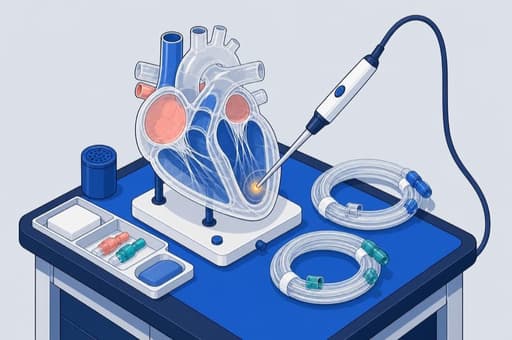
Electrophysiology
Thin-tube systems map and treat irregular heartbeats. U.S. sales grew just 3% in the latest quarter; tougher competition and limited treatment-room capacity now matter more than launch excitement.
Competes with PulseSelect heartbeat-treatment system (Medtronic) · VARIPULSE mapping and heartbeat-treatment system (Johnson & Johnson / Biosense Webster)
In plain English
A hospital lab treats an irregular heartbeat by threading a thin tube into the heart and using brief electrical pulses to quiet the tiny patch sending bad signals. Boston Scientific sells that single-use tube and the equipment that helps doctors find the spot.
The equipment creates a base of labs trained on the system; each procedure then needs fresh catheters and related supplies. Hospitals pay case by case, while training, room availability and proof that the treatment works decide how quickly use grows.
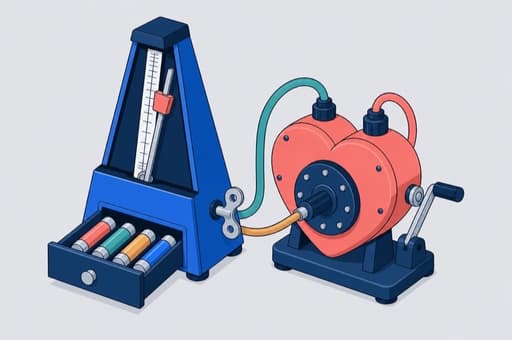
Cardiac Rhythm Management
Pacemakers, shock devices and monitors form a mature implant business. Sales slipped 0.8% in the latest quarter, so replacements and heart monitors must carry the line until a planned new product family arrives.
Competes with Cobalt XT heart-resynchronizing defibrillator (Medtronic) · Gallant and Entrant implanted defibrillators (Abbott)
In plain English
These devices act as electronic guardians for hearts that beat too slowly or dangerously. A pacemaker nudges the rhythm; an implanted defibrillator can deliver a corrective shock; monitors send doctors information without another operation.
Hospitals buy the device when a patient receives an implant, then replacement cycles and remote monitoring keep those existing devices productive. Reliability is everything because the hardware stays in the body for years. Boston Scientific still has a gap in its lineup, with the PRECEDENT family planned for late 2027.

WATCHMAN
A small heart implant offers selected patients an alternative to lifelong blood thinners. One-third of recent U.S. procedures came alongside another heart treatment; watch whether stand-alone referrals recover.
Competes with Amplatzer Amulet (Abbott) · ELIQUIS / apixaban (Bristol Myers Squibb / Pfizer)
In plain English
Some people with an irregular heartbeat can form clots in a small pocket of the heart. WATCHMAN is a plug delivered through a thin tube to seal that pocket, lowering stroke risk without keeping every suitable patient on daily blood-thinning medicine for life.
A hospital buys one sterile implant for each procedure. The real gate is not factory output but referrals: a doctor must identify the right patient and send that person to a trained heart team. More cases are now being paired with another heart procedure, while stand-alone visits have slowed.
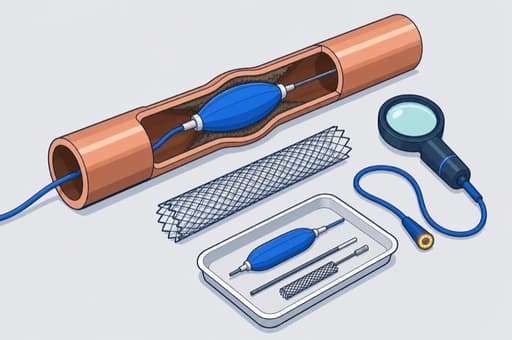
Interventional Cardiology and Vascular Therapies
The largest business unit supplies tools that open, inspect and clear narrowed blood vessels. It grew about 13% in the latest quarter; recalls and new competition in calcium-breaking devices are the checks on momentum.
Competes with XIENCE stents (Abbott) · Shockwave C2 Aero calcium-breaking catheter (Johnson & Johnson)
In plain English
Doctors reach a narrowed artery by sliding a thin tube through a blood vessel instead of making a large surgical opening. Through it they can place a tiny scaffold, inflate a medicine-coated balloon, see inside the vessel, grind away hard buildup or remove a clot.
Most of those tools are sterile and used once, so every procedure creates a new order from a hospital treatment lab. More scheduled cases and a richer mix of devices lift sales. Access depends on medical evidence, whether insurers and governments will pay, and flawless manufacturing; selected ENROUTE systems were removed after a serious safety notice.

Interventional Oncology & Embolization
Doctors use beads, coils and freezing tools to attack tumors or block unwanted blood flow from inside vessels. Latest-quarter sales rose 12.7%; specialized handling and patient referrals limit how quickly cases can expand.
Competes with SIR-Spheres radiation beads (Sirtex) · Embosphere (Merit Medical)
In plain English
Cancer treatment does not always begin with a scalpel. A specialist can steer a thin tube through the body's vessels, deliver tiny radiation-carrying beads to a liver tumor, block a selected vessel with coils, or freeze harmful tissue through a probe.
Boston Scientific is paid for the disposable materials and delivery tools used in each case. Hospitals need trained specialists, radiation safeguards and dependable access to medical isotopes, the unstable atoms used in some treatments. That makes growth a mix of patient referrals, operating capacity and careful logistics rather than simple consumer demand.
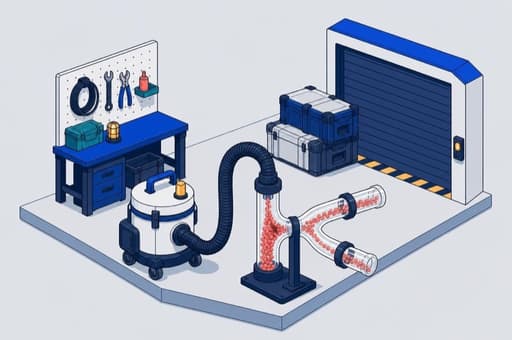
Penumbra Mechanical Thrombectomy and Neurovascular Portfolio
A pending $14.5 billion acquisition would add systems that vacuum out blood clots and treat vessels in the brain and body. Closing the deal, taking on new debt and combining the businesses come before any of its sales belong to Boston Scientific.
Competes with FlowTriever (Stryker / Inari) · ClotTriever (Stryker / Inari)
In plain English
When a clot blocks blood flow, speed matters. Penumbra makes pump-assisted tubes that draw the blockage out, plus tools for closing selected vessels and treating delicate blood vessels in the brain. Hospitals buy the equipment and then use fresh disposable tubes for each emergency case.
Boston Scientific has agreed to buy this portfolio, but the purchase was still pending in early September. Until it closes, Penumbra contributes no Boston Scientific revenue. Afterward, the promise is a new stream of clot-removal procedures; the immediate work is paying for and combining a very large purchase.
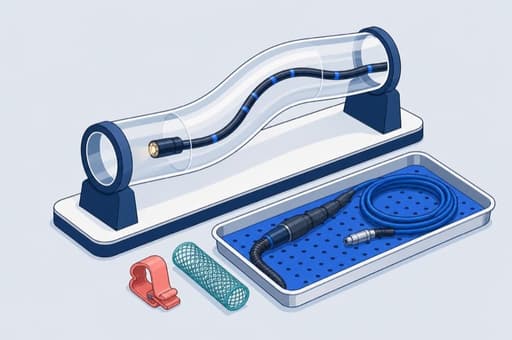
Endoscopy
Camera-guided scopes, stents and clips let doctors diagnose and treat digestive or lung problems through natural openings. Latest-quarter growth was 7.6%, but a serious AXIOS safety removal shadows part of the line.
Competes with aScope Duodeno 2 (Ambu) · aBox 2 (Ambu)
In plain English
Instead of opening the body, a doctor can guide a flexible camera tube through the mouth and work through it. Boston Scientific supplies the viewing systems and the small tools passed down that route: tubes that hold passages open, clips that close tissue and devices for draining blocked areas.
Hospitals and outpatient centers purchase these items as procedures are scheduled, and many are discarded after one use. That creates repeat sales without a monthly subscription. Demand follows screening and less-invasive treatment, while safety problems can quickly stop orders; selected AXIOS sizes were removed after reports of serious harm.
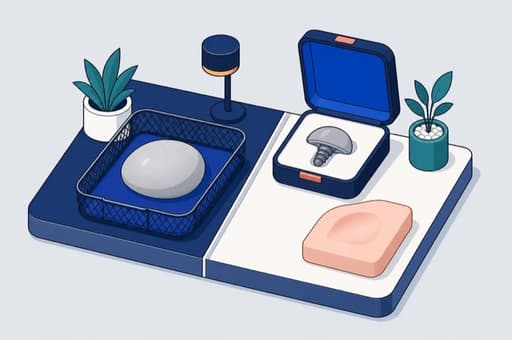
Urology
A broad toolbox covers kidney stones, enlarged prostates, incontinence and pelvic health. Sales grew only 1.1% in the latest quarter as lower Chinese purchasing prices and disruption from the Axonics acquisition held it back.
Competes with InterStim X (Medtronic) · UroLift (Teleflex)
In plain English
One specialist might use this line to break up kidney stones; another might ease an enlarged prostate or help with bladder control and other pelvic conditions. The toolbox includes baskets, lasers, heat or steam treatments, implants and soft materials placed inside the body.
The buyer may be a hospital or a specialist clinic, and payment comes with each tool, implant or procedure. Recurring cases keep the shelves moving, but the mix is uneven: government purchasing in China pushed stone-device prices down, while folding Axonics into the sales organization made it harder to sell smoothly.
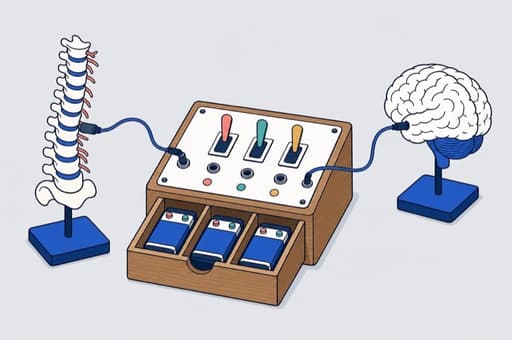
Neuromodulation
Implanted systems change nerve signals to manage chronic pain or movement symptoms, while another tool disables a pain-carrying nerve. Sales rose 12.7% in the latest quarter; outcomes, reliability and the number of trained specialists govern growth.
Competes with Proclaim XR / Plus SCS (Abbott) · Percept RC (Medtronic)
In plain English
Some pain and movement problems begin with electrical messages traveling through nerves. These implants send small signals to the spinal cord, brain or a nearby nerve to change those messages. Intracept takes a different route by disabling a pain-carrying nerve.
Specialist centers buy the implant and leads, the insulated wires that carry the signal, when they treat a suitable patient. Programming and eventual replacements extend the relationship. Growth depends on convincing insurers and doctors that patients improve, and on keeping hardware reliable; unused Infinion CX leads were recently removed over a safety issue.


 ElectrophysiologyThin-tube systems map and treat irregular heartbeats. U.S. sales grew just 3% in the latest quarter; tougher competition and limited treatment-room capacity now matter more than launch excitement.
Thin-tube systems map and treat irregular heartbeats. U.S. sales grew just 3% in the latest quarter; tougher competition and limited treatment-room capacity now matter more than launch excitement.
In plain English
A hospital lab treats an irregular heartbeat by threading a thin tube into the heart and using brief electrical pulses to quiet the tiny patch sending bad signals. Boston Scientific sells that single-use tube and the equipment that helps doctors find the spot.
The equipment creates a base of labs trained on the system; each procedure then needs fresh catheters and related supplies. Hospitals pay case by case, while training, room availability and proof that the treatment works decide how quickly use grows.
Competes with PulseSelect heartbeat-treatment system (Medtronic) · VARIPULSE mapping and heartbeat-treatment system (Johnson & Johnson / Biosense Webster)
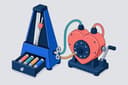 Cardiac Rhythm ManagementPacemakers, shock devices and monitors form a mature implant business. Sales slipped 0.8% in the latest quarter, so replacements and heart monitors must carry the line until a planned new product family arrives.
Pacemakers, shock devices and monitors form a mature implant business. Sales slipped 0.8% in the latest quarter, so replacements and heart monitors must carry the line until a planned new product family arrives.
In plain English
These devices act as electronic guardians for hearts that beat too slowly or dangerously. A pacemaker nudges the rhythm; an implanted defibrillator can deliver a corrective shock; monitors send doctors information without another operation.
Hospitals buy the device when a patient receives an implant, then replacement cycles and remote monitoring keep those existing devices productive. Reliability is everything because the hardware stays in the body for years. Boston Scientific still has a gap in its lineup, with the PRECEDENT family planned for late 2027.
Competes with Cobalt XT heart-resynchronizing defibrillator (Medtronic) · Gallant and Entrant implanted defibrillators (Abbott)
 WATCHMANA small heart implant offers selected patients an alternative to lifelong blood thinners. One-third of recent U.S. procedures came alongside another heart treatment; watch whether stand-alone referrals recover.
A small heart implant offers selected patients an alternative to lifelong blood thinners. One-third of recent U.S. procedures came alongside another heart treatment; watch whether stand-alone referrals recover.
In plain English
Some people with an irregular heartbeat can form clots in a small pocket of the heart. WATCHMAN is a plug delivered through a thin tube to seal that pocket, lowering stroke risk without keeping every suitable patient on daily blood-thinning medicine for life.
A hospital buys one sterile implant for each procedure. The real gate is not factory output but referrals: a doctor must identify the right patient and send that person to a trained heart team. More cases are now being paired with another heart procedure, while stand-alone visits have slowed.
Competes with Amplatzer Amulet (Abbott) · ELIQUIS / apixaban (Bristol Myers Squibb / Pfizer)
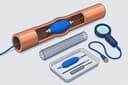 Interventional Cardiology and Vascular TherapiesThe largest business unit supplies tools that open, inspect and clear narrowed blood vessels. It grew about 13% in the latest quarter; recalls and new competition in calcium-breaking devices are the checks on momentum.
The largest business unit supplies tools that open, inspect and clear narrowed blood vessels. It grew about 13% in the latest quarter; recalls and new competition in calcium-breaking devices are the checks on momentum.
In plain English
Doctors reach a narrowed artery by sliding a thin tube through a blood vessel instead of making a large surgical opening. Through it they can place a tiny scaffold, inflate a medicine-coated balloon, see inside the vessel, grind away hard buildup or remove a clot.
Most of those tools are sterile and used once, so every procedure creates a new order from a hospital treatment lab. More scheduled cases and a richer mix of devices lift sales. Access depends on medical evidence, whether insurers and governments will pay, and flawless manufacturing; selected ENROUTE systems were removed after a serious safety notice.
Competes with XIENCE stents (Abbott) · Shockwave C2 Aero calcium-breaking catheter (Johnson & Johnson)
 Interventional Oncology & EmbolizationDoctors use beads, coils and freezing tools to attack tumors or block unwanted blood flow from inside vessels. Latest-quarter sales rose 12.7%; specialized handling and patient referrals limit how quickly cases can expand.
Doctors use beads, coils and freezing tools to attack tumors or block unwanted blood flow from inside vessels. Latest-quarter sales rose 12.7%; specialized handling and patient referrals limit how quickly cases can expand.
In plain English
Cancer treatment does not always begin with a scalpel. A specialist can steer a thin tube through the body's vessels, deliver tiny radiation-carrying beads to a liver tumor, block a selected vessel with coils, or freeze harmful tissue through a probe.
Boston Scientific is paid for the disposable materials and delivery tools used in each case. Hospitals need trained specialists, radiation safeguards and dependable access to medical isotopes, the unstable atoms used in some treatments. That makes growth a mix of patient referrals, operating capacity and careful logistics rather than simple consumer demand.
Competes with SIR-Spheres radiation beads (Sirtex) · Embosphere (Merit Medical)
 Penumbra Mechanical Thrombectomy and Neurovascular PortfolioA pending $14.5 billion acquisition would add systems that vacuum out blood clots and treat vessels in the brain and body. Closing the deal, taking on new debt and combining the businesses come before any of its sales belong to Boston Scientific.
A pending $14.5 billion acquisition would add systems that vacuum out blood clots and treat vessels in the brain and body. Closing the deal, taking on new debt and combining the businesses come before any of its sales belong to Boston Scientific.
In plain English
When a clot blocks blood flow, speed matters. Penumbra makes pump-assisted tubes that draw the blockage out, plus tools for closing selected vessels and treating delicate blood vessels in the brain. Hospitals buy the equipment and then use fresh disposable tubes for each emergency case.
Boston Scientific has agreed to buy this portfolio, but the purchase was still pending in early September. Until it closes, Penumbra contributes no Boston Scientific revenue. Afterward, the promise is a new stream of clot-removal procedures; the immediate work is paying for and combining a very large purchase.
Competes with FlowTriever (Stryker / Inari) · ClotTriever (Stryker / Inari)
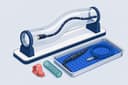 EndoscopyCamera-guided scopes, stents and clips let doctors diagnose and treat digestive or lung problems through natural openings. Latest-quarter growth was 7.6%, but a serious AXIOS safety removal shadows part of the line.
Camera-guided scopes, stents and clips let doctors diagnose and treat digestive or lung problems through natural openings. Latest-quarter growth was 7.6%, but a serious AXIOS safety removal shadows part of the line.
In plain English
Instead of opening the body, a doctor can guide a flexible camera tube through the mouth and work through it. Boston Scientific supplies the viewing systems and the small tools passed down that route: tubes that hold passages open, clips that close tissue and devices for draining blocked areas.
Hospitals and outpatient centers purchase these items as procedures are scheduled, and many are discarded after one use. That creates repeat sales without a monthly subscription. Demand follows screening and less-invasive treatment, while safety problems can quickly stop orders; selected AXIOS sizes were removed after reports of serious harm.
Competes with aScope Duodeno 2 (Ambu) · aBox 2 (Ambu)
 UrologyA broad toolbox covers kidney stones, enlarged prostates, incontinence and pelvic health. Sales grew only 1.1% in the latest quarter as lower Chinese purchasing prices and disruption from the Axonics acquisition held it back.
A broad toolbox covers kidney stones, enlarged prostates, incontinence and pelvic health. Sales grew only 1.1% in the latest quarter as lower Chinese purchasing prices and disruption from the Axonics acquisition held it back.
In plain English
One specialist might use this line to break up kidney stones; another might ease an enlarged prostate or help with bladder control and other pelvic conditions. The toolbox includes baskets, lasers, heat or steam treatments, implants and soft materials placed inside the body.
The buyer may be a hospital or a specialist clinic, and payment comes with each tool, implant or procedure. Recurring cases keep the shelves moving, but the mix is uneven: government purchasing in China pushed stone-device prices down, while folding Axonics into the sales organization made it harder to sell smoothly.
Competes with InterStim X (Medtronic) · UroLift (Teleflex)
 NeuromodulationImplanted systems change nerve signals to manage chronic pain or movement symptoms, while another tool disables a pain-carrying nerve. Sales rose 12.7% in the latest quarter; outcomes, reliability and the number of trained specialists govern growth.
Implanted systems change nerve signals to manage chronic pain or movement symptoms, while another tool disables a pain-carrying nerve. Sales rose 12.7% in the latest quarter; outcomes, reliability and the number of trained specialists govern growth.
In plain English
Some pain and movement problems begin with electrical messages traveling through nerves. These implants send small signals to the spinal cord, brain or a nearby nerve to change those messages. Intracept takes a different route by disabling a pain-carrying nerve.
Specialist centers buy the implant and leads, the insulated wires that carry the signal, when they treat a suitable patient. Programming and eventual replacements extend the relationship. Growth depends on convincing insurers and doctors that patients improve, and on keeping hardware reliable; unused Infinion CX leads were recently removed over a safety issue.
Competes with Proclaim XR / Plus SCS (Abbott) · Percept RC (Medtronic)
Named in filings, launches and programs
- RIVOSProduct · RampingA newly cleared tool that reduces instrument swaps while doctors drain blocked bile ducts through a camera-guided procedure.
- SEISMIQ 4CEProduct · Pre-revenuePlanned for early 2027, this thin-tube tool uses sound waves to crack calcium inside heart arteries.
- TIVUS Ultrasound SystemProduct · Pre-revenueA trial-stage system using sound energy around kidney arteries, with sale targeted for 2028.
- SIEGEL TAVR valve optionProduct · AnnouncedBoston Scientific invested in a replacement heart-valve program and can buy its assets after certain trial goals are met.
- eCoin tibial nerve stimulation systemProductA nerve-stimulation system added to Urology when the Valencia Technologies acquisition closed in April 2026.
- FARAWAVE Ultra and FARAFLEXProduct · Pre-revenueNew heart-mapping and heartbeat-treatment tubes planned for late 2027 and 2028, respectively, to refresh the heart-rhythm business.
- PRECEDENTProduct · Pre-revenueA new family of implanted shock devices planned for late 2027 to fill gaps in the heart-rhythm implant line.
RIVOSProduct · Ramping
A newly cleared tool that reduces instrument swaps while doctors drain blocked bile ducts through a camera-guided procedure.
SEISMIQ 4CEProduct · Pre-revenue
Planned for early 2027, this thin-tube tool uses sound waves to crack calcium inside heart arteries.
TIVUS Ultrasound SystemProduct · Pre-revenue
A trial-stage system using sound energy around kidney arteries, with sale targeted for 2028.
SIEGEL TAVR valve optionProduct · Announced
Boston Scientific invested in a replacement heart-valve program and can buy its assets after certain trial goals are met.
eCoin tibial nerve stimulation systemProduct
A nerve-stimulation system added to Urology when the Valencia Technologies acquisition closed in April 2026.
FARAWAVE Ultra and FARAFLEXProduct · Pre-revenue
New heart-mapping and heartbeat-treatment tubes planned for late 2027 and 2028, respectively, to refresh the heart-rhythm business.
PRECEDENTProduct · Pre-revenue
A new family of implanted shock devices planned for late 2027 to fill gaps in the heart-rhythm implant line.