
Crown Castle (CCI)
Leases shared tower space to U.S. wireless carriers.
Something off on this page? Send us feedback.
Crown Castle rents space on steel: the towers and rooftop masts that carry America's mobile phone signals. It has just sold its fiber and small-cell businesses, so towers are now the whole company. Almost all of the money is rent, and almost all of the rent comes from three phone companies — a fourth walked away. Finding new kinds of tenants for the same sites is what comes next.
Item facts: FY2025 · year ended December 31, 2025, from filings, earnings calls and company pages.
Judgment weights, not filed revenue
The band summarizes business focus and direction. ~ marks estimates.
7 in detail · 8 more below
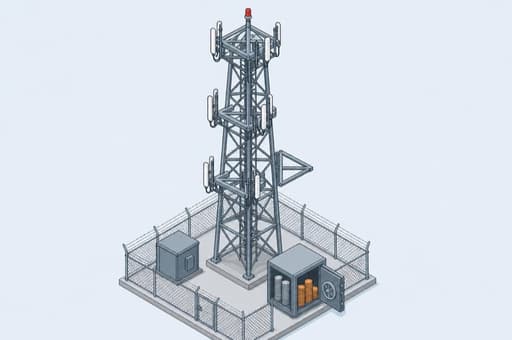
Tower and rooftop leases
Antenna space on more than 40,000 towers and about 10,000 rooftops, rented across 49 states. Roughly $23.7B of rent is already signed, the DISH leases aside; DISH's default pulls about $220M of billings out of 2026, which management calls the low point.
Competes with U.S. & Canada property (American Tower) · Domestic site leasing (SBA Communications) · Starlink Direct to Cell (SpaceX)
In plain English
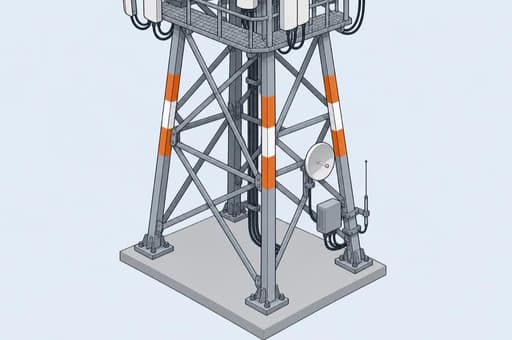
A cell tower is a tall steel frame in a fenced lot, and the valuable thing about it is height: hang an antenna near the top and it reaches phones for miles around. Crown Castle owns the frames, not the phone network that runs on them.
A carrier signs a lease for a slice of that height and pays monthly rent for years, with a raise written into the contract. The second and third carrier on the same tower cost almost nothing extra to serve, so each added antenna is nearly all profit — which is why adding tenants beats building.
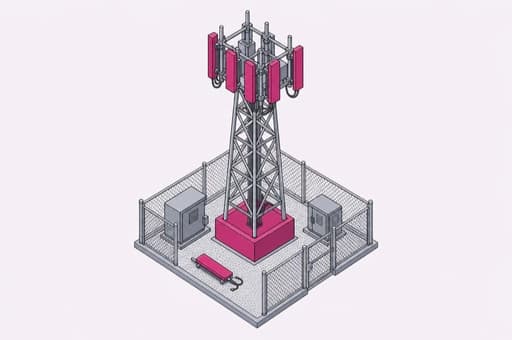
T-Mobile master lease
The biggest rent payer and also a landlord: T-Mobile handed about 7,200 of its own towers over in 2012 on a 28-year lease. Leftover Sprint sites keep getting switched off — roughly $20M of 2026 billings gone.
Competes with Domestic site leasing · T-Mobile sites (SBA Communications) · U.S. & Canada property · T-Mobile colocations (American Tower)
In plain English
Two relationships in one. T-Mobile pays Crown Castle to keep antennas on its towers — more rent than anyone else pays — while also being the company that handed roughly seven thousand of those towers over in the first place, on a twenty-eight-year lease that eventually runs out and has to be repriced.
The drag is Sprint. Since T-Mobile absorbed it, duplicate towers get shut down one at a time and the rent stops with them. New antennas going up for airwaves T-Mobile has not used yet are what has to make up the difference.
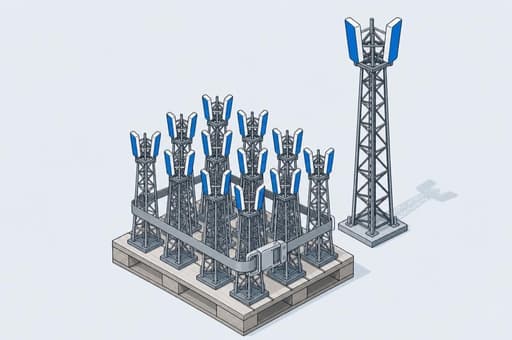
AT&T master lease
The other tenant who is also a landlord: AT&T leased about 9,700 towers over in 2013 for 28 years. A large batch of its site leases comes up for renewal together in 2028 — the dated event on this card.
Competes with U.S. & Canada property · AT&T sites (American Tower) · Domestic site leasing · AT&T sites (SBA Communications)
In plain English
In 2013 AT&T handed roughly nine thousand seven hundred towers to Crown Castle on a twenty-eight-year lease and then rented space back on them, so money moves in both directions.
What makes this lease unusual is timing. Rather than expiring site by site, a large batch comes up at once in 2028, so price and terms get settled in one sitting instead of a hundred small ones. An analyst put that batch near $774M of annual rent; management would not confirm any customer's numbers, saying only that AT&T's new airwaves should help tower owners.
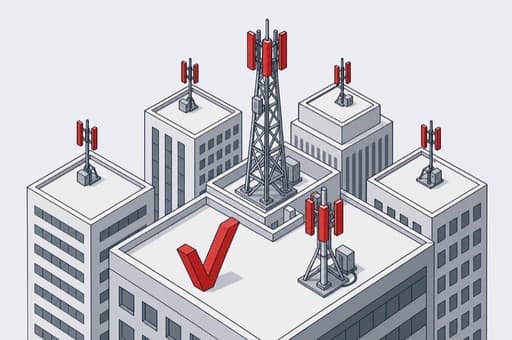
Verizon tenancy
The third big tenant and the quietest one: Verizon rents space but never sold Crown Castle any towers, so nothing reverts to it later. What any single carrier pays is never published, so this size is a rough read.
Competes with U.S. & Canada property · Verizon sites (American Tower) · Domestic site leasing · Verizon sites (SBA Communications)
In plain English
Pure tenant, no strings. Verizon bolts antennas onto Crown Castle structures and pays rent, and that is the entire relationship — it never handed over a fleet of towers, so there is no future date when sites go back to it.
Its spending goes into filling in coverage where crowds are thickest, which means more antennas on more structures rather than taller ones, and more auctioned airwaves are due in 2026 and 2027. Crown Castle mentions Verizon less than the other two on its calls, which is part of why the size here is an estimate rather than a fact.
Everyone else on the towers
T-Mobile, AT&T and Verizon together pay about nine of every ten rent dollars. The last tenth comes from regional carriers, government users, wireless internet providers and broadcasters — a group management says it should be serving better.
Competes with Domestic site leasing (SBA Communications) · U.S. & Canada property (American Tower)
In plain English
The small print of the tenant list. Below the national carriers' platforms sit dishes and boxes belonging to a regional phone company, a local government's radio system, a small wireless internet provider, a broadcaster.
Each pays far less than a big carrier, but the tower is already standing and the climb is already paid for, so their rent arrives at very little extra cost. Crown Castle has named this group as one it needs to sell to better, and it does not publish what the group is worth, so the size is a leftover after the big three.
Site work and installation
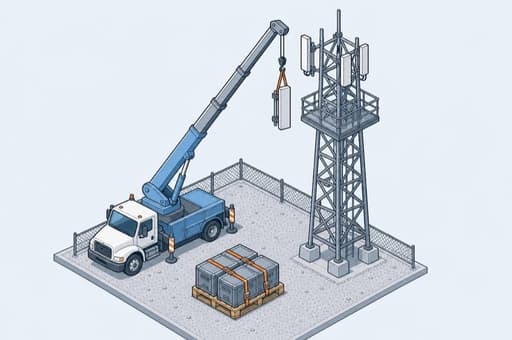
Preparing sites and putting antennas up for the same three carriers. It brought in $90M in the first half of 2026 against $102M a year earlier, and the full-year expectation was cut by $20M in July.
Competes with Site Development segment (SBA Communications) · Services segment (American Tower)
In plain English
Somebody has to actually bolt the antenna on. When a carrier adds gear to a Crown Castle tower, the pad has to be poured, the hardware hoisted and the cabling run, and Crown Castle sells that job alongside the lease, using subcontracted crews.
It is thin, lumpy money next to rent, and it turns first: when carriers slow their decisions, this line dips before rent does. It is dipping now — management blamed slower decisions at all three carriers rather than price — while SBA's comparable business was growing.
Computing at the tower sites
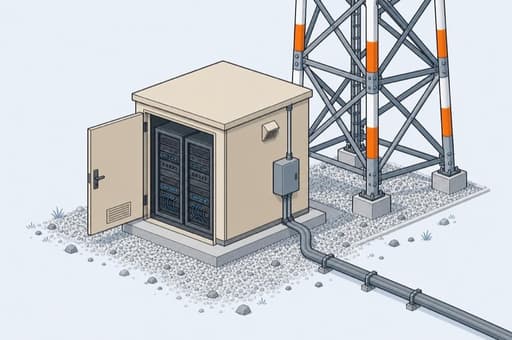
Renting out the powered huts already standing at tower sites to companies that want computers close to users. Several trials are running, with no revenue, no named customer and no contract yet.
Competes with Data Centers segment · CoreSite (American Tower) · Tower-edge module programs (SBA Communications)
In plain English
Here is the idea. Every tower site already has a locked hut with power and cooling in it, because the carriers' radio gear lives there. If the computing behind things like phone assistants and wearables works better sitting near the people using it, that hut is a ready-made place to put some of it.
Nobody is paying for this yet. Crown Castle says several trials with data-center operators are under way and now names it first among its growth ideas, which is a long way from a signed lease — American Tower already owns a data-center business rather than trialling one.


 Tower and rooftop leasesAntenna space on more than 40,000 towers and about 10,000 rooftops, rented across 49 states. Roughly $23.7B of rent is already signed, the DISH leases aside; DISH's default pulls about $220M of billings out of 2026, which management calls the low point.
Antenna space on more than 40,000 towers and about 10,000 rooftops, rented across 49 states. Roughly $23.7B of rent is already signed, the DISH leases aside; DISH's default pulls about $220M of billings out of 2026, which management calls the low point.
In plain English
A cell tower is a tall steel frame in a fenced lot, and the valuable thing about it is height: hang an antenna near the top and it reaches phones for miles around. Crown Castle owns the frames, not the phone network that runs on them.
A carrier signs a lease for a slice of that height and pays monthly rent for years, with a raise written into the contract. The second and third carrier on the same tower cost almost nothing extra to serve, so each added antenna is nearly all profit — which is why adding tenants beats building.
Competes with U.S. & Canada property (American Tower) · Domestic site leasing (SBA Communications) · Starlink Direct to Cell (SpaceX)
 T-Mobile master leaseThe biggest rent payer and also a landlord: T-Mobile handed about 7,200 of its own towers over in 2012 on a 28-year lease. Leftover Sprint sites keep getting switched off — roughly $20M of 2026 billings gone.
The biggest rent payer and also a landlord: T-Mobile handed about 7,200 of its own towers over in 2012 on a 28-year lease. Leftover Sprint sites keep getting switched off — roughly $20M of 2026 billings gone.
In plain English
Two relationships in one. T-Mobile pays Crown Castle to keep antennas on its towers — more rent than anyone else pays — while also being the company that handed roughly seven thousand of those towers over in the first place, on a twenty-eight-year lease that eventually runs out and has to be repriced.
The drag is Sprint. Since T-Mobile absorbed it, duplicate towers get shut down one at a time and the rent stops with them. New antennas going up for airwaves T-Mobile has not used yet are what has to make up the difference.
Competes with Domestic site leasing · T-Mobile sites (SBA Communications) · U.S. & Canada property · T-Mobile colocations (American Tower)
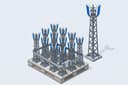 AT&T master leaseThe other tenant who is also a landlord: AT&T leased about 9,700 towers over in 2013 for 28 years. A large batch of its site leases comes up for renewal together in 2028 — the dated event on this card.
The other tenant who is also a landlord: AT&T leased about 9,700 towers over in 2013 for 28 years. A large batch of its site leases comes up for renewal together in 2028 — the dated event on this card.
In plain English
In 2013 AT&T handed roughly nine thousand seven hundred towers to Crown Castle on a twenty-eight-year lease and then rented space back on them, so money moves in both directions.
What makes this lease unusual is timing. Rather than expiring site by site, a large batch comes up at once in 2028, so price and terms get settled in one sitting instead of a hundred small ones. An analyst put that batch near $774M of annual rent; management would not confirm any customer's numbers, saying only that AT&T's new airwaves should help tower owners.
Competes with U.S. & Canada property · AT&T sites (American Tower) · Domestic site leasing · AT&T sites (SBA Communications)
 Verizon tenancyThe third big tenant and the quietest one: Verizon rents space but never sold Crown Castle any towers, so nothing reverts to it later. What any single carrier pays is never published, so this size is a rough read.
The third big tenant and the quietest one: Verizon rents space but never sold Crown Castle any towers, so nothing reverts to it later. What any single carrier pays is never published, so this size is a rough read.
In plain English
Pure tenant, no strings. Verizon bolts antennas onto Crown Castle structures and pays rent, and that is the entire relationship — it never handed over a fleet of towers, so there is no future date when sites go back to it.
Its spending goes into filling in coverage where crowds are thickest, which means more antennas on more structures rather than taller ones, and more auctioned airwaves are due in 2026 and 2027. Crown Castle mentions Verizon less than the other two on its calls, which is part of why the size here is an estimate rather than a fact.
Competes with U.S. & Canada property · Verizon sites (American Tower) · Domestic site leasing · Verizon sites (SBA Communications)
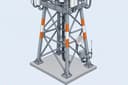 Everyone else on the towersT-Mobile, AT&T and Verizon together pay about nine of every ten rent dollars. The last tenth comes from regional carriers, government users, wireless internet providers and broadcasters — a group management says it should be serving better.
T-Mobile, AT&T and Verizon together pay about nine of every ten rent dollars. The last tenth comes from regional carriers, government users, wireless internet providers and broadcasters — a group management says it should be serving better.
In plain English
The small print of the tenant list. Below the national carriers' platforms sit dishes and boxes belonging to a regional phone company, a local government's radio system, a small wireless internet provider, a broadcaster.
Each pays far less than a big carrier, but the tower is already standing and the climb is already paid for, so their rent arrives at very little extra cost. Crown Castle has named this group as one it needs to sell to better, and it does not publish what the group is worth, so the size is a leftover after the big three.
Competes with Domestic site leasing (SBA Communications) · U.S. & Canada property (American Tower)
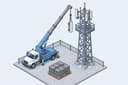 Site work and installationPreparing sites and putting antennas up for the same three carriers. It brought in $90M in the first half of 2026 against $102M a year earlier, and the full-year expectation was cut by $20M in July.
Preparing sites and putting antennas up for the same three carriers. It brought in $90M in the first half of 2026 against $102M a year earlier, and the full-year expectation was cut by $20M in July.
In plain English
Somebody has to actually bolt the antenna on. When a carrier adds gear to a Crown Castle tower, the pad has to be poured, the hardware hoisted and the cabling run, and Crown Castle sells that job alongside the lease, using subcontracted crews.
It is thin, lumpy money next to rent, and it turns first: when carriers slow their decisions, this line dips before rent does. It is dipping now — management blamed slower decisions at all three carriers rather than price — while SBA's comparable business was growing.
Competes with Site Development segment (SBA Communications) · Services segment (American Tower)
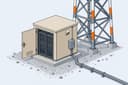 Computing at the tower sitesRenting out the powered huts already standing at tower sites to companies that want computers close to users. Several trials are running, with no revenue, no named customer and no contract yet.
Renting out the powered huts already standing at tower sites to companies that want computers close to users. Several trials are running, with no revenue, no named customer and no contract yet.
In plain English
Here is the idea. Every tower site already has a locked hut with power and cooling in it, because the carriers' radio gear lives there. If the computing behind things like phone assistants and wearables works better sitting near the people using it, that hut is a ready-made place to put some of it.
Nobody is paying for this yet. Crown Castle says several trials with data-center operators are under way and now names it first among its growth ideas, which is a long way from a signed lease — American Tower already owns a data-center business rather than trialling one.
Competes with Data Centers segment · CoreSite (American Tower) · Tower-edge module programs (SBA Communications)
Named in filings, launches and programs
- Built-in rent increasesServiceEvery lease raises its own rent on a schedule — about $100M of extra billings in 2026 without a single new antenna going up.
- Colocations and lease amendmentsServiceAdding a second or third tenant, or more gear for a tenant already there, to a tower already standing: about $65M budgeted for 2026.
- Build-to-suit towersProduct lineNew towers put up on a carrier's order and rented back to it — deliberately selective, funded from a $150–250M capital budget.
- Custom collocationProduct lineTowers built on Crown Castle's own read of where demand will land, ahead of a signed tenant.
- Tower developer programProduct lineOutside developers build sites that Crown Castle may eventually own and maintain, rather than Crown Castle building them itself.
- Land and ground-lease buyoutsServiceBuying the land under its own towers to stop paying rent on it; it owns about 11 points less of that land than American Tower and SBA do.
- Rooftop and other structuresEcosystemAbout 10,000 of the sites are rooftops and other structures rather than free-standing towers, rented on the same terms.
- Turnkey installationService · Pre-revenueCarriers now want one contractor for the whole job; Crown Castle, which exited construction management, has said it is re-examining that.
Built-in rent increasesService
Every lease raises its own rent on a schedule — about $100M of extra billings in 2026 without a single new antenna going up.
Colocations and lease amendmentsService
Adding a second or third tenant, or more gear for a tenant already there, to a tower already standing: about $65M budgeted for 2026.
Build-to-suit towersProduct line
New towers put up on a carrier's order and rented back to it — deliberately selective, funded from a $150–250M capital budget.
Custom collocationProduct line
Towers built on Crown Castle's own read of where demand will land, ahead of a signed tenant.
Tower developer programProduct line
Outside developers build sites that Crown Castle may eventually own and maintain, rather than Crown Castle building them itself.
Land and ground-lease buyoutsService
Buying the land under its own towers to stop paying rent on it; it owns about 11 points less of that land than American Tower and SBA do.
Rooftop and other structuresEcosystem
About 10,000 of the sites are rooftops and other structures rather than free-standing towers, rented on the same terms.
Turnkey installationService · Pre-revenue
Carriers now want one contractor for the whole job; Crown Castle, which exited construction management, has said it is re-examining that.