
Cigna (CI)
Combines pharmacy benefits and specialty care services with employer and international health coverage.
Something off on this page? Send us feedback.
Cigna is mostly a prescription-services company with a health insurer attached. Its giant medicine-buying and fulfillment operation brings in most of the sales, while health plans produce a smaller but richer stream of earnings. The company is leaning further into specialty medicines and simpler, more transparent prescription contracts as it leaves selected insurance markets.
Item facts: FY2025 · year ended Dec 31, 2025, from filings, earnings calls and company pages.
Judgment weights, not filed revenue
The band summarizes business focus and direction. ~ marks estimates.
8 in detail · 16 more below
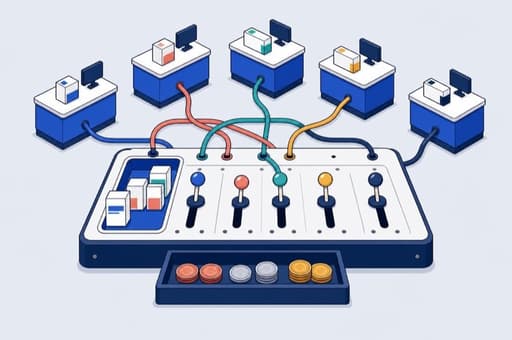
Pharmacy Benefit Services (Express Scripts)
Express Scripts processes prescriptions, negotiates medicine prices and runs pharmacy networks and home delivery. One unnamed customer generated 19% of Cigna's 2025 sales, showing how a single buyer can exchange huge volume for lower prices.
Competes with Caremark pharmacy benefits · plan claims and covered-medicine lists (CVS Health) · Optum Rx · pharmacy networks and fulfillment (UnitedHealth Group)
In plain English
Think of Express Scripts as the control desk between a health plan and the pharmacy. It builds the list of covered medicines, checks each prescription, bargains with medicine makers and pharmacies, and runs home delivery.
Employers, health plans and government programs pay for that machinery because it can lower their medicine bill and make millions of prescriptions manageable. Express Scripts earns from administration, clinical programs and fulfillment. The sales number is enormous because much of the medicine's price passes through its hands; what Cigna keeps is much thinner. About half its drug purchases come from one unnamed wholesaler, although backup contracts exist.
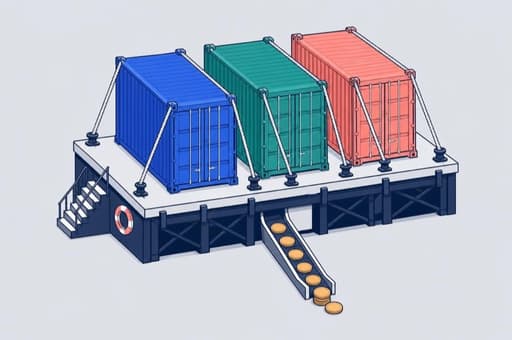
Centene, Prime Therapeutics, and TRICARE Renewals
Centene, Prime Therapeutics and the U.S. military's TRICARE program renewed contracts representing about $90 billion of annual sales. The volume stays through decade-end and beyond, but lower prices will weigh on prescription-benefit income.
Competes with Caremark pharmacy benefits · national contracts (CVS Health) · Optum Rx · multi-year pharmacy accounts (UnitedHealth Group)
In plain English
Three customers can move this whole business. They hire Express Scripts to run prescription benefits for vast groups of people, so keeping their contracts preserves an extraordinary amount of medicine volume.
The trade is simple: Cigna accepted lower prices to keep the work for many more years. Pharmacies and medicine makers still see the prescriptions, and Cigna still collects service and fulfillment revenue, but it keeps less from each stream. Watch whether the handover goes smoothly and whether other services can make up the thinner earnings.
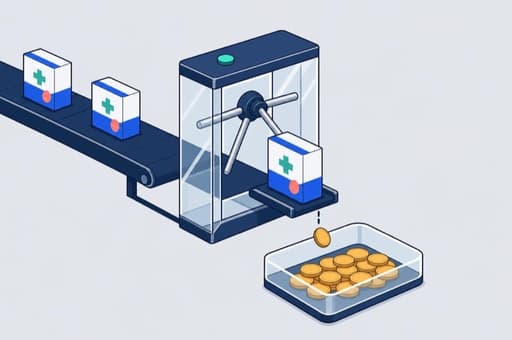
Signature Pharmacy Benefits
Signature replaces hidden price-linked earnings with clearer administration and performance fees. Cigna's own insured plans start in 2027, and the goal is at least half of Evernorth's prescription-benefit members by the end of 2028.
Competes with TrueCost transparent pharmacy benefits (CVS Caremark) · Judi Rx transparent pharmacy administration (Judi Health)
In plain English
A different way to charge for the same prescription machinery. Instead of Cigna's pay rising with a medicine's sticker price, Signature charges a clear fee for each person or prescription, with extra pay tied to clinical results and new services.
Cigna will move its own insured customers first, then try to persuade outside clients. Buyers get a bill that is easier to inspect; Cigna gets a model meant to survive tougher disclosure rules. The near-term risk is the move itself: changing contracts costs money before the new fees reach scale.
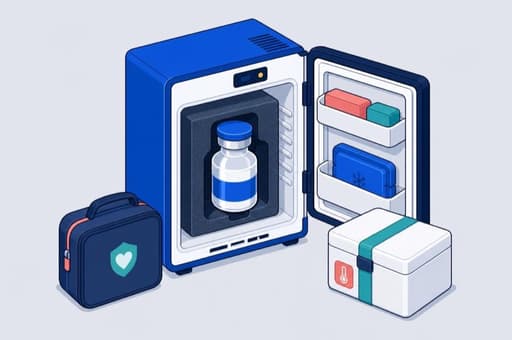
Specialty and Care Services
This is Cigna's fast-growing world of costly medicines for complex conditions, distribution and care support. It produced $102.827 billion of sales; in Q2 2026, sales grew 4% while income rose 22% as cheaper near-copy medicines helped.
Competes with CVS Specialty pharmacy (CVS Health) · Optum Specialty Pharmacy (UnitedHealth Group)
In plain English
The expensive, delicate end of the medicine cabinet. Specialty drugs treat complex illnesses, often need careful shipping and close patient support, and can cost far more than ordinary pills. Cigna dispenses them through Accredo, supplies clinics and hospitals, and helps plans manage when they are used.
Plans, employers, health systems and patients pay across that chain. The medicine itself creates most of the sales, while delivery, distribution and care programs add earnings. Cigna benefits when it gets access to sought-after drugs, helps patients stay on treatment and adopts lower-cost near-copies early.
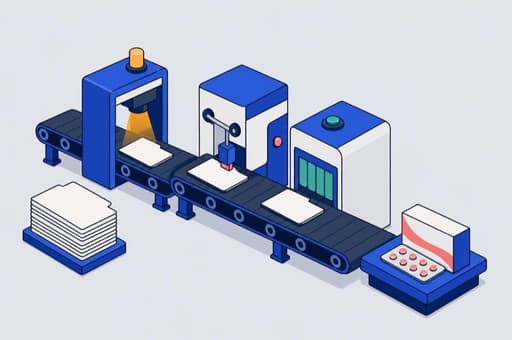
Pharmacy Forward
Pharmacy Forward links doctors, Accredo, health plans and patients earlier in a specialty prescription. Launched in July 2026, it targets roughly half the waiting time and doctors' paperwork; those are goals, not measured results.
Competes with iAssist specialty-access workflow (AssistRx) · CoverMyMeds pharmacy workflows (McKesson)
In plain English
Getting a complex medicine can mean repeated forms, approvals and phone calls before the first dose. Pharmacy Forward tries to put the doctor, Cigna's specialty pharmacy, the health plan and the patient into one connected process, with software helping move routine work along.
No separate subscription is disclosed. The payoff stays inside specialty services: faster starts can mean more prescriptions filled, fewer abandoned treatments and less manual work. Its promise is easy to picture, but Cigna has not disclosed adoption or achieved savings yet, so execution matters more than the launch claims.

U.S. Healthcare
Employer health plans are the core insurance business, with roughly $42 billion of 2025 sales. Most customers' employers pay their own medical bills; the smaller insured group supplies most sales because Cigna collects the full premium.
Competes with Choice and Choice Plus employer health plans (UnitedHealthcare) · Open Choice PPO employer health plan (Aetna / CVS Health)
In plain English
For an employer, Cigna can either run the health plan or take on the medical bill itself. In the first version, the employer supplies the money and pays Cigna to build the doctor network, process bills and guide care. In the second, Cigna collects a premium and pays the claims.
Most covered people are in the employer-funded version, but the insured minority produces more sales because the whole premium passes through Cigna. Employers keep paying for access to networks and administration; Cigna's results depend on pricing the insured risk well and keeping medical costs under control.
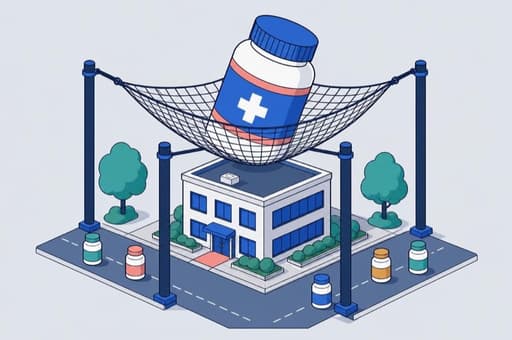
Stop-Loss Insurance
Stop-loss protects employers that pay workers' medical bills themselves from unusually large claims. Premiums were $7.599 billion; one surge in severe claims can make this small business far more important to earnings than its size suggests.
Competes with Stop-Loss Insurance (Sun Life) · Medical Stop Loss (Tokio Marine HCC)
In plain English
One unusually expensive illness can smash a company's health budget. Stop-loss is the backstop: a self-paying employer covers ordinary employee claims, then Cigna reimburses costs above an agreed threshold.
The employer pays a premium for that protection, usually arranged through brokers or benefits advisers. Cigna makes money when premiums and its own backup protection cover the giant claims that arrive. That makes pricing crucial. A small number of very costly treatments can quickly turn a good year into a bad one, as Cigna saw when high-cost claims jumped.
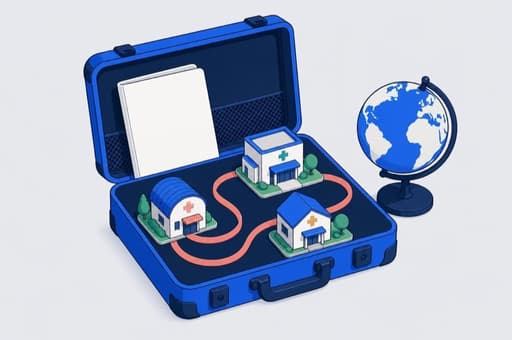
International Health
International Health covers people living or working across borders. Premiums reached $4.126 billion from about 1.7 million medical customers; growth follows global employment, while local medical costs and currency moves shape what Cigna keeps.
Competes with International Health Plans (Allianz Care) · Expat Health Insurance (Bupa Global)
In plain English
A worker posted abroad still needs a doctor, even when the employer and hospital sit in different countries. Cigna builds cross-border health coverage for mobile workers, multinational companies, international groups and individuals living away from home.
Customers or employers pay premiums for access to local care and help navigating unfamiliar systems. Cigna then pays providers through its international networks and carries the medical risk. The business stays useful as long as people cross borders for work, but local price inflation, exchange rates and country-by-country rules can change the economics.


 Pharmacy Benefit Services (Express Scripts)Express Scripts processes prescriptions, negotiates medicine prices and runs pharmacy networks and home delivery. One unnamed customer generated 19% of Cigna's 2025 sales, showing how a single buyer can exchange huge volume for lower prices.
Express Scripts processes prescriptions, negotiates medicine prices and runs pharmacy networks and home delivery. One unnamed customer generated 19% of Cigna's 2025 sales, showing how a single buyer can exchange huge volume for lower prices.
In plain English
Think of Express Scripts as the control desk between a health plan and the pharmacy. It builds the list of covered medicines, checks each prescription, bargains with medicine makers and pharmacies, and runs home delivery.
Employers, health plans and government programs pay for that machinery because it can lower their medicine bill and make millions of prescriptions manageable. Express Scripts earns from administration, clinical programs and fulfillment. The sales number is enormous because much of the medicine's price passes through its hands; what Cigna keeps is much thinner. About half its drug purchases come from one unnamed wholesaler, although backup contracts exist.
Competes with Caremark pharmacy benefits · plan claims and covered-medicine lists (CVS Health) · Optum Rx · pharmacy networks and fulfillment (UnitedHealth Group)
 Centene, Prime Therapeutics, and TRICARE RenewalsCentene, Prime Therapeutics and the U.S. military's TRICARE program renewed contracts representing about $90 billion of annual sales. The volume stays through decade-end and beyond, but lower prices will weigh on prescription-benefit income.
Centene, Prime Therapeutics and the U.S. military's TRICARE program renewed contracts representing about $90 billion of annual sales. The volume stays through decade-end and beyond, but lower prices will weigh on prescription-benefit income.
In plain English
Three customers can move this whole business. They hire Express Scripts to run prescription benefits for vast groups of people, so keeping their contracts preserves an extraordinary amount of medicine volume.
The trade is simple: Cigna accepted lower prices to keep the work for many more years. Pharmacies and medicine makers still see the prescriptions, and Cigna still collects service and fulfillment revenue, but it keeps less from each stream. Watch whether the handover goes smoothly and whether other services can make up the thinner earnings.
Competes with Caremark pharmacy benefits · national contracts (CVS Health) · Optum Rx · multi-year pharmacy accounts (UnitedHealth Group)
 Signature Pharmacy BenefitsSignature replaces hidden price-linked earnings with clearer administration and performance fees. Cigna's own insured plans start in 2027, and the goal is at least half of Evernorth's prescription-benefit members by the end of 2028.
Signature replaces hidden price-linked earnings with clearer administration and performance fees. Cigna's own insured plans start in 2027, and the goal is at least half of Evernorth's prescription-benefit members by the end of 2028.
In plain English
A different way to charge for the same prescription machinery. Instead of Cigna's pay rising with a medicine's sticker price, Signature charges a clear fee for each person or prescription, with extra pay tied to clinical results and new services.
Cigna will move its own insured customers first, then try to persuade outside clients. Buyers get a bill that is easier to inspect; Cigna gets a model meant to survive tougher disclosure rules. The near-term risk is the move itself: changing contracts costs money before the new fees reach scale.
Competes with TrueCost transparent pharmacy benefits (CVS Caremark) · Judi Rx transparent pharmacy administration (Judi Health)
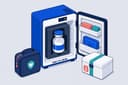 Specialty and Care ServicesThis is Cigna's fast-growing world of costly medicines for complex conditions, distribution and care support. It produced $102.827 billion of sales; in Q2 2026, sales grew 4% while income rose 22% as cheaper near-copy medicines helped.
This is Cigna's fast-growing world of costly medicines for complex conditions, distribution and care support. It produced $102.827 billion of sales; in Q2 2026, sales grew 4% while income rose 22% as cheaper near-copy medicines helped.
In plain English
The expensive, delicate end of the medicine cabinet. Specialty drugs treat complex illnesses, often need careful shipping and close patient support, and can cost far more than ordinary pills. Cigna dispenses them through Accredo, supplies clinics and hospitals, and helps plans manage when they are used.
Plans, employers, health systems and patients pay across that chain. The medicine itself creates most of the sales, while delivery, distribution and care programs add earnings. Cigna benefits when it gets access to sought-after drugs, helps patients stay on treatment and adopts lower-cost near-copies early.
Competes with CVS Specialty pharmacy (CVS Health) · Optum Specialty Pharmacy (UnitedHealth Group)
 Pharmacy ForwardPharmacy Forward links doctors, Accredo, health plans and patients earlier in a specialty prescription. Launched in July 2026, it targets roughly half the waiting time and doctors' paperwork; those are goals, not measured results.
Pharmacy Forward links doctors, Accredo, health plans and patients earlier in a specialty prescription. Launched in July 2026, it targets roughly half the waiting time and doctors' paperwork; those are goals, not measured results.
In plain English
Getting a complex medicine can mean repeated forms, approvals and phone calls before the first dose. Pharmacy Forward tries to put the doctor, Cigna's specialty pharmacy, the health plan and the patient into one connected process, with software helping move routine work along.
No separate subscription is disclosed. The payoff stays inside specialty services: faster starts can mean more prescriptions filled, fewer abandoned treatments and less manual work. Its promise is easy to picture, but Cigna has not disclosed adoption or achieved savings yet, so execution matters more than the launch claims.
Competes with iAssist specialty-access workflow (AssistRx) · CoverMyMeds pharmacy workflows (McKesson)
 U.S. HealthcareEmployer health plans are the core insurance business, with roughly $42 billion of 2025 sales. Most customers' employers pay their own medical bills; the smaller insured group supplies most sales because Cigna collects the full premium.
Employer health plans are the core insurance business, with roughly $42 billion of 2025 sales. Most customers' employers pay their own medical bills; the smaller insured group supplies most sales because Cigna collects the full premium.
In plain English
For an employer, Cigna can either run the health plan or take on the medical bill itself. In the first version, the employer supplies the money and pays Cigna to build the doctor network, process bills and guide care. In the second, Cigna collects a premium and pays the claims.
Most covered people are in the employer-funded version, but the insured minority produces more sales because the whole premium passes through Cigna. Employers keep paying for access to networks and administration; Cigna's results depend on pricing the insured risk well and keeping medical costs under control.
Competes with Choice and Choice Plus employer health plans (UnitedHealthcare) · Open Choice PPO employer health plan (Aetna / CVS Health)
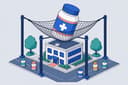 Stop-Loss InsuranceStop-loss protects employers that pay workers' medical bills themselves from unusually large claims. Premiums were $7.599 billion; one surge in severe claims can make this small business far more important to earnings than its size suggests.
Stop-loss protects employers that pay workers' medical bills themselves from unusually large claims. Premiums were $7.599 billion; one surge in severe claims can make this small business far more important to earnings than its size suggests.
In plain English
One unusually expensive illness can smash a company's health budget. Stop-loss is the backstop: a self-paying employer covers ordinary employee claims, then Cigna reimburses costs above an agreed threshold.
The employer pays a premium for that protection, usually arranged through brokers or benefits advisers. Cigna makes money when premiums and its own backup protection cover the giant claims that arrive. That makes pricing crucial. A small number of very costly treatments can quickly turn a good year into a bad one, as Cigna saw when high-cost claims jumped.
Competes with Stop-Loss Insurance (Sun Life) · Medical Stop Loss (Tokio Marine HCC)
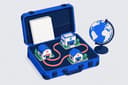 International HealthInternational Health covers people living or working across borders. Premiums reached $4.126 billion from about 1.7 million medical customers; growth follows global employment, while local medical costs and currency moves shape what Cigna keeps.
International Health covers people living or working across borders. Premiums reached $4.126 billion from about 1.7 million medical customers; growth follows global employment, while local medical costs and currency moves shape what Cigna keeps.
In plain English
A worker posted abroad still needs a doctor, even when the employer and hospital sit in different countries. Cigna builds cross-border health coverage for mobile workers, multinational companies, international groups and individuals living away from home.
Customers or employers pay premiums for access to local care and help navigating unfamiliar systems. Cigna then pays providers through its international networks and carries the medical risk. The business stays useful as long as people cross borders for work, but local price inflation, exchange rates and country-by-country rules can change the economics.
Competes with International Health Plans (Allianz Care) · Expat Health Insurance (Bupa Global)
Named in filings, launches and programs
- AccredoBrandSpecialty pharmacy that dispenses hard-to-source medicines and supports patients with complex conditions.
- CuraScript SD by EvernorthServiceDistributes specialty medicines to health systems and medical practices from four centers.
- Express Scripts PharmacyServiceHome-delivery pharmacy network that fills and ships medicines directly to patients.
- Evernorth EnGuide PharmacyServiceHome-delivery pharmacy with added clinical support for weight-loss and other therapies.
- eviCore by EvernorthServiceHelps health plans decide when certain medical services are appropriate; Cigna is considering what to do with the business.
- MD Live by EvernorthServiceVirtual visits for urgent, primary, behavioral and skin care.
- EnCircleRxCustomer programManages coverage and support for weight-loss medicines across roughly eight million covered people when last discussed.
- ClearityProduct · RampingEmployer medical plan with set prices when people use care, introduced for the 2026 selling season.
- Personalized Care CoordinationService · RampingPairs software-assisted health navigation with human care advocates to help members find care.
- Shields Health SolutionsEcosystemHealth-system specialty-pharmacy platform backed by Cigna's $3.5 billion investment.
- CarepathRxBrandAdds hospital pharmacy, infusion and other health-system pharmacy services.
- HCSC Medicare Services AgreementCustomer programFour-year Evernorth service relationship retained after Cigna sold its Medicare businesses to HCSC.
- Evernorth Wholesale MarketplacePlatformDigital medicine-purchasing marketplace for independent pharmacies.
- Other OperationsSegmentSmall line of company-owned life insurance and older insurance activities, with $674 million of 2025 sales.
- Unnamed Large-Client Joint VentureCustomer programMajority-owned client arrangement where most earnings flow back to the still-undisclosed partner.
- U.S. Government Behavioral Care ContractCustomer programUndisclosed federal relationship that helped behavioral-care customers grow sharply in 2025.
AccredoBrand
Specialty pharmacy that dispenses hard-to-source medicines and supports patients with complex conditions.
CuraScript SD by EvernorthService
Distributes specialty medicines to health systems and medical practices from four centers.
Express Scripts PharmacyService
Home-delivery pharmacy network that fills and ships medicines directly to patients.
Evernorth EnGuide PharmacyService
Home-delivery pharmacy with added clinical support for weight-loss and other therapies.
eviCore by EvernorthService
Helps health plans decide when certain medical services are appropriate; Cigna is considering what to do with the business.
MD Live by EvernorthService
Virtual visits for urgent, primary, behavioral and skin care.
EnCircleRxCustomer program
Manages coverage and support for weight-loss medicines across roughly eight million covered people when last discussed.
ClearityProduct · Ramping
Employer medical plan with set prices when people use care, introduced for the 2026 selling season.
Personalized Care CoordinationService · Ramping
Pairs software-assisted health navigation with human care advocates to help members find care.
Shields Health SolutionsEcosystem
Health-system specialty-pharmacy platform backed by Cigna's $3.5 billion investment.
CarepathRxBrand
Adds hospital pharmacy, infusion and other health-system pharmacy services.
HCSC Medicare Services AgreementCustomer program
Four-year Evernorth service relationship retained after Cigna sold its Medicare businesses to HCSC.
Evernorth Wholesale MarketplacePlatform
Digital medicine-purchasing marketplace for independent pharmacies.
Other OperationsSegment
Small line of company-owned life insurance and older insurance activities, with $674 million of 2025 sales.
Unnamed Large-Client Joint VentureCustomer program
Majority-owned client arrangement where most earnings flow back to the still-undisclosed partner.
U.S. Government Behavioral Care ContractCustomer program
Undisclosed federal relationship that helped behavioral-care customers grow sharply in 2025.