
Centene (CNC)
Runs Medicaid, Wellcare Medicare, and Ambetter Marketplace health plans for underserved US populations.
Something off on this page? Send us feedback.
Centene sells health insurance, but its customers are governments. States hire it to cover low-income families; Washington pays it to cover seniors' drug costs and to subsidise the plans people buy on insurance exchanges. Rules written in statehouses and Congress set how many members it has and what it is paid. After a year when medical costs ran far ahead of those payments, it is now chasing profit rather than more members.
Item facts: FY2025 · year ended Dec 31, 2025, from filings, earnings calls and company pages.
Judgment weights, not filed revenue
The band summarizes business focus and direction. ~ marks estimates.
7 in detail · 11 more below

Medicaid
State contracts to cover low-income residents: $90.2 billion of 2025 premiums and 12.5 million members across 30 states. Payment rates are catching up to how sick those members are, while membership is guided down 8–9% this year.
Competes with Elevance Medicaid plans (Elevance) · UnitedHealthcare Community & State (UnitedHealth) · Molina Medicaid plans (Molina)
In plain English
A state decides it does not want to run health coverage for its poorest residents itself, so it hands the job to companies like Centene. The state pays a fixed amount each month for every person enrolled — roughly $600 — and Centene pays whatever doctors, hospitals and pharmacies bill for that person.
Keep the bills under the monthly payment and the difference is profit; guess wrong and the loss is yours. In 2025 the guess was wrong. After states rechecked who still qualified, the people who stayed were sicker than the rates assumed, and medical costs ate almost 94 cents of every premium dollar.

High Acuity Medicaid
The heavy-care slice of Medicaid — nursing-home-level support, disability, foster care, members on both Medicaid and Medicare. About 1.6 million of 12.5 million people, but a far bigger share of the dollars, and management's chosen route back to a decent margin.
Competes with Molina long-term care plans (Molina) · AmeriHealth Caritas dual-eligible plans (AmeriHealth Caritas)
In plain English
Not every Medicaid member costs the same. Around 1.6 million of Centene's 12.5 million are in the expensive tier: people in nursing homes or needing daily help at home, adults with disabilities, children in foster care, and people poor enough to qualify for both Medicaid and Medicare.
Because their care is heavier, the state pays a much larger monthly amount for each of them than for a healthy family. So this group is a big share of the money on a small share of the heads, and handling that care well is what management points to when it talks about earning a decent margin again.
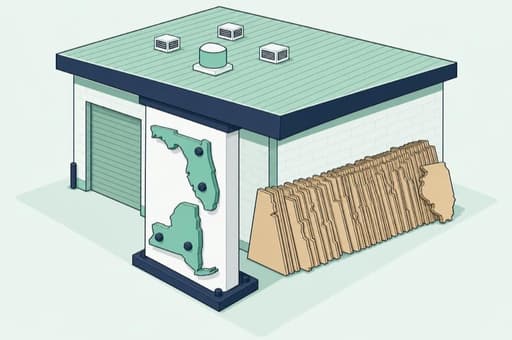
Anchor state contracts — Florida, New York, Illinois
Florida and New York each account for a tenth or more of Medicaid premiums — the only two counterparties Centene names as material on their own. Illinois re-hired Meridian for four years from 2027. Re-bid dates, not selling, set this revenue.
Competes with Simply Healthcare / Wellpoint Florida (Elevance) · Molina Florida Medicaid plans (Molina) · UnitedHealthcare Community Plan (UnitedHealth)
In plain English
Contracts, not customers, are what this business really owns. Centene works for 30 state Medicaid agencies, and says only two are large enough to matter on their own: Florida and New York, each at a tenth or more of its Medicaid premiums. New York trades as Fidelis Care; Illinois runs as Meridian, re-awarded a four-year state contract in July 2026 that starts in 2027.
There is no order book here. The closest thing is how much time is left on each contract and whether the state picks you again when it reopens bidding. Florida and New York were also the two markets named as sources of outsized cost pressure in 2025.
Ambetter Health
Plans sold on the insurance exchanges in 29 states, where Centene is the largest carrier. Membership fell from 5.5 million to roughly 3.5 million once extra federal subsidies expired, and 2026 revenue is guided down about $8 billion — margin now the point, not size.
Competes with UnitedHealth Marketplace plans (UnitedHealth) · Oscar Health individual plans (Oscar Health) · Molina Marketplace plans (Molina)
In plain English
This is the one place Centene sells to individuals rather than to a government office: plans bought on the online insurance exchanges in 29 states, under the Ambetter name. The shopper mostly isn't paying, though — federal subsidies cover most of the premium, so the cash still arrives from Washington.
It is also where 2025 broke. A market-wide shift in who held exchange coverage left Centene owing $2.4 billion it had not priced for. It refiled its rates, and by mid-2026 medical costs took 79 cents of each premium dollar against 91 a year before. Then the extra subsidies lapsed and members left: 5.5 million at the end of 2025, roughly 3.5 million by mid-2026.

Wellcare Medicare Prescription Drug Plans
Standalone drug-only plans for people on Medicare, and the one line adding members: about 8.8 million by mid-2026, with management expecting roughly $25 billion of premiums in 2026. Watch the yearly bids — cheap pricing is what pulls members in.
Competes with SilverScript / Aetna Part D plans (CVS Health) · AARP Part D plans (UnitedHealth) · Humana Part D plans (Humana)
In plain English
People on Medicare can buy a separate plan that covers only their prescriptions. Centene sells that as Wellcare and holds the largest single block of those members — about 8.8 million by mid-2026, up from 6.9 million at the end of 2024.
The growth comes from bidding, not selling. Each year sponsors submit a price to Medicare, the cheapest plans get low-income beneficiaries assigned to them automatically, and Centene bid under that line in nearly every region. Medicare also pays sponsors far more per member in 2026 than in 2025 under new drug-pricing rules, which swells the revenue without widening the margin; management is aiming for better than three cents of pretax profit per dollar. Humana has been adding members faster.

Wellcare Medicare Advantage and D-SNP
Privately run Medicare, about a million members and shrinking on purpose, narrowed to people covered by both Medicaid and Medicare. The stated ambition is only to break even in 2027; quality scores set what Medicare pays that year.
Competes with UnitedHealthcare Medicare Advantage (UnitedHealth) · Humana Medicare Advantage (Humana) · Aetna Medicare Advantage (CVS Health)
In plain English
Medicare Advantage is Medicare run by a private insurer instead of the government, and Centene's version is small — about a million members, slightly fewer than at the start of the year, and deliberately so. It stopped competing for seniors generally and narrowed to people who qualify for both Medicaid and Medicare, roughly 40% of the book and the same people its Medicaid business already covers.
Medicare pays a monthly amount per member, bigger for sicker members, with a bonus attached to a quality score of up to five stars. Six in ten members sat in plans at 3.5 stars or better in the latest ratings round. Management's promise is modest: break even or better in 2027.
AcariaHealth, vision, dental and clinics
Specialty pharmacy, vision and dental cover, and a few owned clinics — $5.1 billion in 2025, mostly sold to Centene's own health plans. The notable part is what Centene does not own: it rents its drug-buying muscle from Cigna's Express Scripts.
Competes with CVS Specialty (CVS Health) · Accredo specialty pharmacy (Cigna) · Optum Specialty Pharmacy (UnitedHealth)
In plain English
The odds and ends that hold up the insurance plans: AcariaHealth, which fills complicated and expensive prescriptions; vision and dental coverage; and a handful of clinics and outpatient practices that treat members directly.
Most of what this earns comes from Centene's own health plans buying services from it, so it works more like a cost-control tool than a business with outside customers. Note also what is absent. Centene owns no drug-purchasing middleman of its own — it routes more than $60 billion of yearly pharmacy spending through Express Scripts, a unit of Cigna, and bargains for rebates, where its largest rivals bought such operations outright.


 MedicaidState contracts to cover low-income residents: $90.2 billion of 2025 premiums and 12.5 million members across 30 states. Payment rates are catching up to how sick those members are, while membership is guided down 8–9% this year.
State contracts to cover low-income residents: $90.2 billion of 2025 premiums and 12.5 million members across 30 states. Payment rates are catching up to how sick those members are, while membership is guided down 8–9% this year.
In plain English
A state decides it does not want to run health coverage for its poorest residents itself, so it hands the job to companies like Centene. The state pays a fixed amount each month for every person enrolled — roughly $600 — and Centene pays whatever doctors, hospitals and pharmacies bill for that person.
Keep the bills under the monthly payment and the difference is profit; guess wrong and the loss is yours. In 2025 the guess was wrong. After states rechecked who still qualified, the people who stayed were sicker than the rates assumed, and medical costs ate almost 94 cents of every premium dollar.
Competes with Elevance Medicaid plans (Elevance) · UnitedHealthcare Community & State (UnitedHealth) · Molina Medicaid plans (Molina)
 High Acuity MedicaidThe heavy-care slice of Medicaid — nursing-home-level support, disability, foster care, members on both Medicaid and Medicare. About 1.6 million of 12.5 million people, but a far bigger share of the dollars, and management's chosen route back to a decent margin.
The heavy-care slice of Medicaid — nursing-home-level support, disability, foster care, members on both Medicaid and Medicare. About 1.6 million of 12.5 million people, but a far bigger share of the dollars, and management's chosen route back to a decent margin.
In plain English
Not every Medicaid member costs the same. Around 1.6 million of Centene's 12.5 million are in the expensive tier: people in nursing homes or needing daily help at home, adults with disabilities, children in foster care, and people poor enough to qualify for both Medicaid and Medicare.
Because their care is heavier, the state pays a much larger monthly amount for each of them than for a healthy family. So this group is a big share of the money on a small share of the heads, and handling that care well is what management points to when it talks about earning a decent margin again.
Competes with Molina long-term care plans (Molina) · AmeriHealth Caritas dual-eligible plans (AmeriHealth Caritas)
 Anchor state contracts — Florida, New York, IllinoisFlorida and New York each account for a tenth or more of Medicaid premiums — the only two counterparties Centene names as material on their own. Illinois re-hired Meridian for four years from 2027. Re-bid dates, not selling, set this revenue.
Florida and New York each account for a tenth or more of Medicaid premiums — the only two counterparties Centene names as material on their own. Illinois re-hired Meridian for four years from 2027. Re-bid dates, not selling, set this revenue.
In plain English
Contracts, not customers, are what this business really owns. Centene works for 30 state Medicaid agencies, and says only two are large enough to matter on their own: Florida and New York, each at a tenth or more of its Medicaid premiums. New York trades as Fidelis Care; Illinois runs as Meridian, re-awarded a four-year state contract in July 2026 that starts in 2027.
There is no order book here. The closest thing is how much time is left on each contract and whether the state picks you again when it reopens bidding. Florida and New York were also the two markets named as sources of outsized cost pressure in 2025.
Competes with Simply Healthcare / Wellpoint Florida (Elevance) · Molina Florida Medicaid plans (Molina) · UnitedHealthcare Community Plan (UnitedHealth)
 Ambetter HealthPlans sold on the insurance exchanges in 29 states, where Centene is the largest carrier. Membership fell from 5.5 million to roughly 3.5 million once extra federal subsidies expired, and 2026 revenue is guided down about $8 billion — margin now the point, not size.
Plans sold on the insurance exchanges in 29 states, where Centene is the largest carrier. Membership fell from 5.5 million to roughly 3.5 million once extra federal subsidies expired, and 2026 revenue is guided down about $8 billion — margin now the point, not size.
In plain English
This is the one place Centene sells to individuals rather than to a government office: plans bought on the online insurance exchanges in 29 states, under the Ambetter name. The shopper mostly isn't paying, though — federal subsidies cover most of the premium, so the cash still arrives from Washington.
It is also where 2025 broke. A market-wide shift in who held exchange coverage left Centene owing $2.4 billion it had not priced for. It refiled its rates, and by mid-2026 medical costs took 79 cents of each premium dollar against 91 a year before. Then the extra subsidies lapsed and members left: 5.5 million at the end of 2025, roughly 3.5 million by mid-2026.
Competes with UnitedHealth Marketplace plans (UnitedHealth) · Oscar Health individual plans (Oscar Health) · Molina Marketplace plans (Molina)
 Wellcare Medicare Prescription Drug PlansStandalone drug-only plans for people on Medicare, and the one line adding members: about 8.8 million by mid-2026, with management expecting roughly $25 billion of premiums in 2026. Watch the yearly bids — cheap pricing is what pulls members in.
Standalone drug-only plans for people on Medicare, and the one line adding members: about 8.8 million by mid-2026, with management expecting roughly $25 billion of premiums in 2026. Watch the yearly bids — cheap pricing is what pulls members in.
In plain English
People on Medicare can buy a separate plan that covers only their prescriptions. Centene sells that as Wellcare and holds the largest single block of those members — about 8.8 million by mid-2026, up from 6.9 million at the end of 2024.
The growth comes from bidding, not selling. Each year sponsors submit a price to Medicare, the cheapest plans get low-income beneficiaries assigned to them automatically, and Centene bid under that line in nearly every region. Medicare also pays sponsors far more per member in 2026 than in 2025 under new drug-pricing rules, which swells the revenue without widening the margin; management is aiming for better than three cents of pretax profit per dollar. Humana has been adding members faster.
Competes with SilverScript / Aetna Part D plans (CVS Health) · AARP Part D plans (UnitedHealth) · Humana Part D plans (Humana)
 Wellcare Medicare Advantage and D-SNPPrivately run Medicare, about a million members and shrinking on purpose, narrowed to people covered by both Medicaid and Medicare. The stated ambition is only to break even in 2027; quality scores set what Medicare pays that year.
Privately run Medicare, about a million members and shrinking on purpose, narrowed to people covered by both Medicaid and Medicare. The stated ambition is only to break even in 2027; quality scores set what Medicare pays that year.
In plain English
Medicare Advantage is Medicare run by a private insurer instead of the government, and Centene's version is small — about a million members, slightly fewer than at the start of the year, and deliberately so. It stopped competing for seniors generally and narrowed to people who qualify for both Medicaid and Medicare, roughly 40% of the book and the same people its Medicaid business already covers.
Medicare pays a monthly amount per member, bigger for sicker members, with a bonus attached to a quality score of up to five stars. Six in ten members sat in plans at 3.5 stars or better in the latest ratings round. Management's promise is modest: break even or better in 2027.
Competes with UnitedHealthcare Medicare Advantage (UnitedHealth) · Humana Medicare Advantage (Humana) · Aetna Medicare Advantage (CVS Health)
 AcariaHealth, vision, dental and clinicsSpecialty pharmacy, vision and dental cover, and a few owned clinics — $5.1 billion in 2025, mostly sold to Centene's own health plans. The notable part is what Centene does not own: it rents its drug-buying muscle from Cigna's Express Scripts.
Specialty pharmacy, vision and dental cover, and a few owned clinics — $5.1 billion in 2025, mostly sold to Centene's own health plans. The notable part is what Centene does not own: it rents its drug-buying muscle from Cigna's Express Scripts.
In plain English
The odds and ends that hold up the insurance plans: AcariaHealth, which fills complicated and expensive prescriptions; vision and dental coverage; and a handful of clinics and outpatient practices that treat members directly.
Most of what this earns comes from Centene's own health plans buying services from it, so it works more like a cost-control tool than a business with outside customers. Note also what is absent. Centene owns no drug-purchasing middleman of its own — it routes more than $60 billion of yearly pharmacy spending through Express Scripts, a unit of Cigna, and bargains for rebates, where its largest rivals bought such operations outright.
Competes with CVS Specialty (CVS Health) · Accredo specialty pharmacy (Cigna) · Optum Specialty Pharmacy (UnitedHealth)
Named in filings, launches and programs
- Ambetter Health SolutionsBrand · RampingIndividual plans sold outside the exchanges, plus arrangements where an employer hands workers money to buy their own cover — small and new next to Ambetter's exchange book.
- Individual & commercial groupProduct lineEmployer-group and off-exchange individual cover: about 497,000 members by mid-2026, roughly 1.6% of premiums.
- Health NetBrandThe California business, and the name that turns up most in Centene's 2026 announcements, largely through local community grants.
- Superior HealthPlanBrandTexas plan; its Start Smart for Your Baby programme has supported more than 312,000 pregnancies since 2022.
- Fidelis CareBrandThe New York business, covering state Medicaid and the Essential Plan; a roughly 140,000-member slice of that Essential Plan book rolls off mid-2026.
- Meridian Health PlanBrandIllinois and Michigan Medicaid brand, including Michigan's 2024 award for members covered by both Medicaid and Medicare.
- Home State Health, Coordinated Care and Carolina Complete HealthBrandThe Missouri, Washington and North Carolina plans, each trading under its own local name rather than Centene's.
- MHS IndianaBrandIndiana plan; the state contract is going back out to bid.
- Pennsylvania Health and WellnessBrandPennsylvania plan for members needing long-term care at home or in a facility; re-awarded in August 2024.
- Community Medical Group and Denova Collaborative HealthServiceOwned clinics and outpatient practices that treat Centene's own members instead of paying outside doctors to do it.
- Medicare SupplementProduct lineTop-up cover sold alongside traditional government Medicare; Centene still offers it, but it is too small to move anything.
Ambetter Health SolutionsBrand · Ramping
Individual plans sold outside the exchanges, plus arrangements where an employer hands workers money to buy their own cover — small and new next to Ambetter's exchange book.
Individual & commercial groupProduct line
Employer-group and off-exchange individual cover: about 497,000 members by mid-2026, roughly 1.6% of premiums.
Health NetBrand
The California business, and the name that turns up most in Centene's 2026 announcements, largely through local community grants.
Superior HealthPlanBrand
Texas plan; its Start Smart for Your Baby programme has supported more than 312,000 pregnancies since 2022.
Fidelis CareBrand
The New York business, covering state Medicaid and the Essential Plan; a roughly 140,000-member slice of that Essential Plan book rolls off mid-2026.
Meridian Health PlanBrand
Illinois and Michigan Medicaid brand, including Michigan's 2024 award for members covered by both Medicaid and Medicare.
Home State Health, Coordinated Care and Carolina Complete HealthBrand
The Missouri, Washington and North Carolina plans, each trading under its own local name rather than Centene's.
MHS IndianaBrand
Indiana plan; the state contract is going back out to bid.
Pennsylvania Health and WellnessBrand
Pennsylvania plan for members needing long-term care at home or in a facility; re-awarded in August 2024.
Community Medical Group and Denova Collaborative HealthService
Owned clinics and outpatient practices that treat Centene's own members instead of paying outside doctors to do it.
Medicare SupplementProduct line
Top-up cover sold alongside traditional government Medicare; Centene still offers it, but it is too small to move anything.