
HF Sinclair (DINO)
Combines U.S. refining with Sinclair fuel marketing, renewable diesel, lubricants and midstream logistics.
Something off on this page? Send us feedback.
HF Sinclair buys crude oil and turns it into gasoline, diesel and jet fuel at seven refineries across the American West and Midwest. It makes money on the gap between what the crude costs and what the fuel sells for, and it sets neither end of that gap. Around that core sit Sinclair-branded stations, a lubricants business, renewable diesel plants and its own pipelines. The lubricants business is leaving to become its own public company.
Item facts: H1 FY2026 · six months ended June 30, 2026, from filings, earnings calls and company pages.
Judgment weights, not filed revenue
The band summarizes business focus and direction. ~ marks estimates.
7 in detail · 15 more below
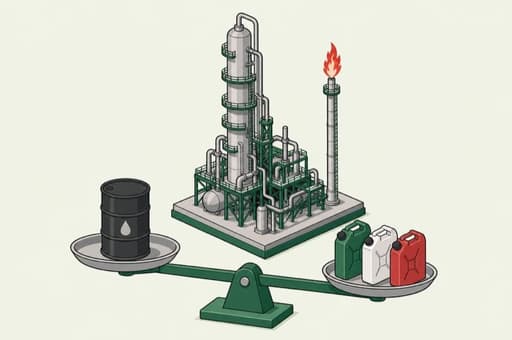
Refining
Seven plants turn about 640,000 barrels of crude a day into gasoline, diesel, jet fuel and asphalt. The margin on each barrel produced was $25.95 last quarter, up 57% in a year. Maintenance at El Dorado pulls this quarter's runs lower.
Competes with Refining (Salt Lake City, Mid-Continent) (Marathon Petroleum) · Refining (Billings, Ponca City) (Phillips 66) · Refining (Billings, Tacoma) (Par Pacific)
In plain English
Crude oil is thick, dark and useless in a car. A refinery heats it and splits it into things people buy: gasoline, diesel, jet fuel, and the asphalt that goes under roads.
The money is the gap between what a barrel of crude costs and what the fuels made from it sell for, and the company sets neither end of it. So the work is cost control — buy discounted heavy crude from Canada, keep the plants running, and sell close to home, where its own pipelines and Sinclair-branded stations take the barrels. No single customer reached a tenth of sales last year.
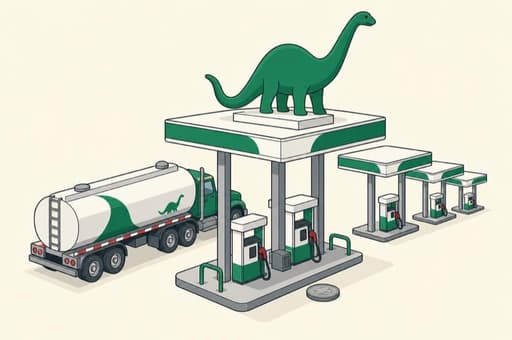
Sinclair Branded Fuels
Wholesale fuel to 1,832 Sinclair-branded stations that other people own and run. It keeps only about seven cents a gallon; the real job is giving the refineries a committed home for their barrels.
Competes with 76 and Conoco branded stations (Phillips 66) · ARCO and Marathon branded stations (Marathon Petroleum) · Chevron and Texaco branded stations (Chevron)
In plain English
Sinclair does not own most of the stations wearing its name. Independent owners sign up, hang the Sinclair sign and agree to buy their fuel from HF Sinclair — a bit like a restaurant franchise, except what is franchised is the gasoline.
The owner gets a known name and discount programmes like the DINOPAY app to pull cars in; HF Sinclair gets a committed buyer for barrels its refineries have to sell anyway. The markup per gallon is pennies, so what matters is how many signs go up: management keeps guiding to roughly a tenth more sites a year, and branded gallons ran about 15% ahead of last year.
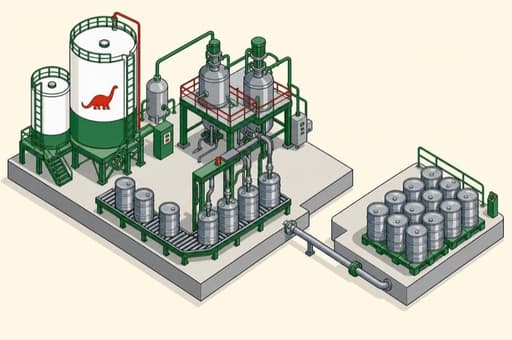
Lubricants & Specialties
Motor oils, industrial oils and ultra-pure specialty oils. It earned $310M in the first half against $261M in all of last year, on a worldwide shortage of the plain oil lubricants are built from — and it is being separated into its own public company.
Competes with Mobil 1 and industrial lubricants (ExxonMobil) · Havoline and Delo motor oils (Chevron) · White oils and petrolatums (Eastman)
In plain English
Every engine, gearbox and factory bearing needs oil so metal does not grind on metal. This arm makes the plain oil first, then blends it with additives into branded motor oils, industrial oils and the ultra-clean oils that go into creams and medicines.
Garages, factories and personal-care makers buy it and keep buying, because oil gets used up. Supply has been unusually tight lately — management said as much as a fifth of the world's supply of that plain oil was offline — which lifted prices and profits, and which it expects to ease. Cut loose within twelve to eighteen months, this business is guided to $300–350M of yearly earnings in a normal year.
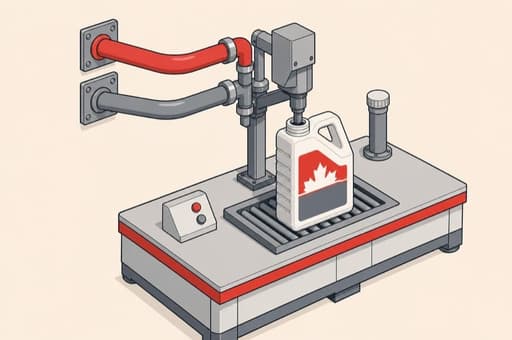
Petro-Canada Lubricants
The flagship lubricants brand, sold to garages and industry. The Canadian plant that made its raw oil is being retired, with long-term supply deals from SK Enmove and Chevron replacing it. Watch what the bought-in oil costs.
Competes with Pennzoil and Quaker State motor oils (Shell) · Mobil 1 motor oils (ExxonMobil) · YUBASE base oils (SK Enmove)
In plain English
Motor oil in a jug, and the big drums that keep factory machines turning — this is the brand HF Sinclair sells them under.
It used to make its own starting oil at a Canadian plant. That plant is being retired, so the raw liquid now arrives under long-term deals from outside suppliers: SK Enmove, whose YUBASE oils compete with what the Canadian plant made, and Chevron, which supplies a second grade. HF Sinclair also took the right to sell those YUBASE oils in parts of North America. Blending, bottling and selling stay in-house — the business gets lighter, and more dependent on somebody else's plant.
Renewables
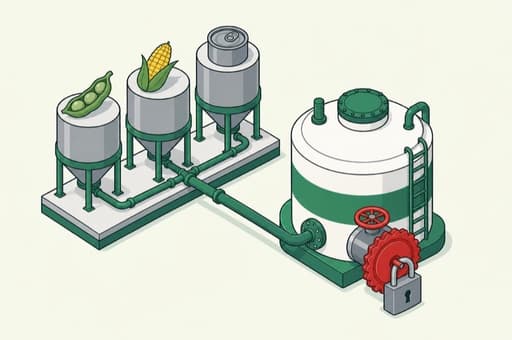
Three plants make diesel from soybean oil, animal fats and corn oil — roughly 380 million gallons a year. In the red in five of six quarters through last year, then $256M of earnings in the first half. Credits, not the diesel price, set the margin.
Competes with Diamond Green Diesel (Valero & Darling Ingredients) · MY Renewable Diesel (Neste) · Rodeo Renewed (Phillips 66)
In plain English
Same diesel, different starting material. These plants run on soybean oil, animal fats and corn oil instead of crude pumped from the ground, and what comes out pours into an ordinary diesel engine with nothing changed under the hood. The biggest US producer of this fuel makes about three times as much.
Buyers pay the going price for diesel, and that is not what makes the business work. Most of the value is what governments attach to each gallon — California's low-carbon fuel programme, federal blending credits and a tax break — plus the credits HF Sinclair's own refineries would otherwise have to buy. Rewrite those rules and the earnings move with them. A $47M writedown landed in the same quarter as the profit.
Midstream (pipelines & terminals)
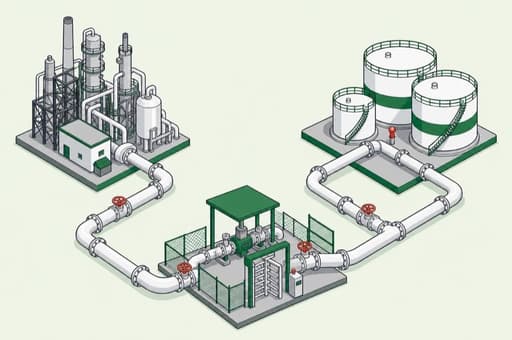
Roughly 3,500 miles of crude and fuel pipelines plus tanks and terminals. Almost every barrel it moves is HF Sinclair's own, so outside sales look tiny while earnings hit a record $459M last year — more than the whole lubricants business made.
Competes with SFPP and Calnev product pipelines (Kinder Morgan) · MPLX pipelines (Marathon Petroleum) · Sun Belt Connector (ONEOK)
In plain English
The plumbing. Gathering lines pull crude out of oilfields in west Texas, New Mexico and Wyoming; longer lines carry finished fuel toward Las Vegas and Colorado; tanks hold it in between.
A pipeline earns a fee on every barrel that passes, the way a bridge earns from every truck. The twist is who is crossing: nearly all the barrels belong to HF Sinclair itself, so one part of the company pays another and barely anything registers as a sale to outsiders. The profit is real all the same. Several lines are shared with partners, Phillips 66 among them, and a new stretch from the Rockies into Nevada is targeted for 2029.
Western Gateway Pipeline
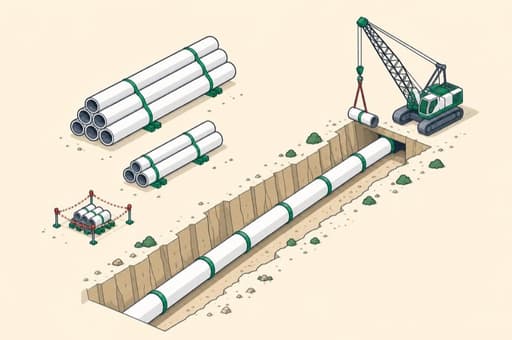
A planned 1,300-mile fuel pipeline into Arizona and California, built with Phillips 66 and Kinder Morgan. HF Sinclair puts in about $750M for 15% and gets a western outlet for its own barrels. Nothing flows before 2029.
Competes with Sun Belt Connector proposal (ONEOK) · Existing SFPP and Calnev capacity (Kinder Morgan)
In plain English
Arizona, Nevada and California burn more fuel than the plants near them make, and that gap is expected to widen as West Coast refineries retire. Three companies are building a 1,300-mile pipe west from St. Louis and the Gulf Coast to fill it.
Phillips 66 takes the biggest slice, Kinder Morgan the next, HF Sinclair the smallest at fifteen percent for about $750M in cash. Shippers sign up for roughly ten years and pay whether or not they ship. Nothing moves before 2029, so this is cash out now for fees later — and it will compete with HF Sinclair's own planned line into Nevada.


 RefiningSeven plants turn about 640,000 barrels of crude a day into gasoline, diesel, jet fuel and asphalt. The margin on each barrel produced was $25.95 last quarter, up 57% in a year. Maintenance at El Dorado pulls this quarter's runs lower.
Seven plants turn about 640,000 barrels of crude a day into gasoline, diesel, jet fuel and asphalt. The margin on each barrel produced was $25.95 last quarter, up 57% in a year. Maintenance at El Dorado pulls this quarter's runs lower.
In plain English
Crude oil is thick, dark and useless in a car. A refinery heats it and splits it into things people buy: gasoline, diesel, jet fuel, and the asphalt that goes under roads.
The money is the gap between what a barrel of crude costs and what the fuels made from it sell for, and the company sets neither end of it. So the work is cost control — buy discounted heavy crude from Canada, keep the plants running, and sell close to home, where its own pipelines and Sinclair-branded stations take the barrels. No single customer reached a tenth of sales last year.
Competes with Refining (Salt Lake City, Mid-Continent) (Marathon Petroleum) · Refining (Billings, Ponca City) (Phillips 66) · Refining (Billings, Tacoma) (Par Pacific)
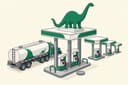 Sinclair Branded FuelsWholesale fuel to 1,832 Sinclair-branded stations that other people own and run. It keeps only about seven cents a gallon; the real job is giving the refineries a committed home for their barrels.
Wholesale fuel to 1,832 Sinclair-branded stations that other people own and run. It keeps only about seven cents a gallon; the real job is giving the refineries a committed home for their barrels.
In plain English
Sinclair does not own most of the stations wearing its name. Independent owners sign up, hang the Sinclair sign and agree to buy their fuel from HF Sinclair — a bit like a restaurant franchise, except what is franchised is the gasoline.
The owner gets a known name and discount programmes like the DINOPAY app to pull cars in; HF Sinclair gets a committed buyer for barrels its refineries have to sell anyway. The markup per gallon is pennies, so what matters is how many signs go up: management keeps guiding to roughly a tenth more sites a year, and branded gallons ran about 15% ahead of last year.
Competes with 76 and Conoco branded stations (Phillips 66) · ARCO and Marathon branded stations (Marathon Petroleum) · Chevron and Texaco branded stations (Chevron)
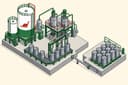 Lubricants & SpecialtiesMotor oils, industrial oils and ultra-pure specialty oils. It earned $310M in the first half against $261M in all of last year, on a worldwide shortage of the plain oil lubricants are built from — and it is being separated into its own public company.
Motor oils, industrial oils and ultra-pure specialty oils. It earned $310M in the first half against $261M in all of last year, on a worldwide shortage of the plain oil lubricants are built from — and it is being separated into its own public company.
In plain English
Every engine, gearbox and factory bearing needs oil so metal does not grind on metal. This arm makes the plain oil first, then blends it with additives into branded motor oils, industrial oils and the ultra-clean oils that go into creams and medicines.
Garages, factories and personal-care makers buy it and keep buying, because oil gets used up. Supply has been unusually tight lately — management said as much as a fifth of the world's supply of that plain oil was offline — which lifted prices and profits, and which it expects to ease. Cut loose within twelve to eighteen months, this business is guided to $300–350M of yearly earnings in a normal year.
Competes with Mobil 1 and industrial lubricants (ExxonMobil) · Havoline and Delo motor oils (Chevron) · White oils and petrolatums (Eastman)
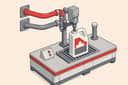 Petro-Canada LubricantsThe flagship lubricants brand, sold to garages and industry. The Canadian plant that made its raw oil is being retired, with long-term supply deals from SK Enmove and Chevron replacing it. Watch what the bought-in oil costs.
The flagship lubricants brand, sold to garages and industry. The Canadian plant that made its raw oil is being retired, with long-term supply deals from SK Enmove and Chevron replacing it. Watch what the bought-in oil costs.
In plain English
Motor oil in a jug, and the big drums that keep factory machines turning — this is the brand HF Sinclair sells them under.
It used to make its own starting oil at a Canadian plant. That plant is being retired, so the raw liquid now arrives under long-term deals from outside suppliers: SK Enmove, whose YUBASE oils compete with what the Canadian plant made, and Chevron, which supplies a second grade. HF Sinclair also took the right to sell those YUBASE oils in parts of North America. Blending, bottling and selling stay in-house — the business gets lighter, and more dependent on somebody else's plant.
Competes with Pennzoil and Quaker State motor oils (Shell) · Mobil 1 motor oils (ExxonMobil) · YUBASE base oils (SK Enmove)
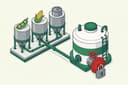 RenewablesThree plants make diesel from soybean oil, animal fats and corn oil — roughly 380 million gallons a year. In the red in five of six quarters through last year, then $256M of earnings in the first half. Credits, not the diesel price, set the margin.
Three plants make diesel from soybean oil, animal fats and corn oil — roughly 380 million gallons a year. In the red in five of six quarters through last year, then $256M of earnings in the first half. Credits, not the diesel price, set the margin.
In plain English
Same diesel, different starting material. These plants run on soybean oil, animal fats and corn oil instead of crude pumped from the ground, and what comes out pours into an ordinary diesel engine with nothing changed under the hood. The biggest US producer of this fuel makes about three times as much.
Buyers pay the going price for diesel, and that is not what makes the business work. Most of the value is what governments attach to each gallon — California's low-carbon fuel programme, federal blending credits and a tax break — plus the credits HF Sinclair's own refineries would otherwise have to buy. Rewrite those rules and the earnings move with them. A $47M writedown landed in the same quarter as the profit.
Competes with Diamond Green Diesel (Valero & Darling Ingredients) · MY Renewable Diesel (Neste) · Rodeo Renewed (Phillips 66)
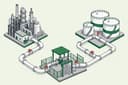 Midstream (pipelines & terminals)Roughly 3,500 miles of crude and fuel pipelines plus tanks and terminals. Almost every barrel it moves is HF Sinclair's own, so outside sales look tiny while earnings hit a record $459M last year — more than the whole lubricants business made.
Roughly 3,500 miles of crude and fuel pipelines plus tanks and terminals. Almost every barrel it moves is HF Sinclair's own, so outside sales look tiny while earnings hit a record $459M last year — more than the whole lubricants business made.
In plain English
The plumbing. Gathering lines pull crude out of oilfields in west Texas, New Mexico and Wyoming; longer lines carry finished fuel toward Las Vegas and Colorado; tanks hold it in between.
A pipeline earns a fee on every barrel that passes, the way a bridge earns from every truck. The twist is who is crossing: nearly all the barrels belong to HF Sinclair itself, so one part of the company pays another and barely anything registers as a sale to outsiders. The profit is real all the same. Several lines are shared with partners, Phillips 66 among them, and a new stretch from the Rockies into Nevada is targeted for 2029.
Competes with SFPP and Calnev product pipelines (Kinder Morgan) · MPLX pipelines (Marathon Petroleum) · Sun Belt Connector (ONEOK)
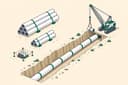 Western Gateway PipelineA planned 1,300-mile fuel pipeline into Arizona and California, built with Phillips 66 and Kinder Morgan. HF Sinclair puts in about $750M for 15% and gets a western outlet for its own barrels. Nothing flows before 2029.
A planned 1,300-mile fuel pipeline into Arizona and California, built with Phillips 66 and Kinder Morgan. HF Sinclair puts in about $750M for 15% and gets a western outlet for its own barrels. Nothing flows before 2029.
In plain English
Arizona, Nevada and California burn more fuel than the plants near them make, and that gap is expected to widen as West Coast refineries retire. Three companies are building a 1,300-mile pipe west from St. Louis and the Gulf Coast to fill it.
Phillips 66 takes the biggest slice, Kinder Morgan the next, HF Sinclair the smallest at fifteen percent for about $750M in cash. Shippers sign up for roughly ten years and pay whether or not they ship. Nothing moves before 2029, so this is cash out now for fees later — and it will compete with HF Sinclair's own planned line into Nevada.
Competes with Sun Belt Connector proposal (ONEOK) · Existing SFPP and Calnev capacity (Kinder Morgan)
Named in filings, launches and programs
- SonnebornBrandWhite oils and petrolatums made in Pennsylvania and the Netherlands — the ultra-pure oils that end up in creams, ointments and specialty products.
- Red Giant OilBrandLubricants distribution business, operating out of Council Bluffs, Iowa and Joshua, Texas.
- Industrial Oils UnlimitedBrandA lubricants maker near Tulsa, being folded into the lubricants arm since early this year.
- UNEV PipelineEcosystemWholly owned 427-mile fuel line running toward Las Vegas — the company's own road into the Nevada market.
- Pioneer PipelineEcosystemHalf-owned with Phillips 66, carrying barrels from Sinclair, Wyoming to North Salt Lake.
- Osage PipelineEcosystemHalf-owned 135-mile crude line from the Cushing oil hub into the El Dorado refinery.
- Cushing Connect PipelineEcosystemHalf-owned 50-mile crude line from Cushing to Tulsa, feeding the two Tulsa plants.
- Saddle Butte Pipeline IIIEcosystemA 26% stake in a crude line running from the Powder River Basin into Casper, Wyoming.
- Green Trail FuelsBrandHalf-owned venture with UPOP Holdings, formed in February, adding 30-plus branded retail sites; HF Sinclair does not run it.
- DINOPAY and Mammoth MondayCustomer programPhone-app fuel discounts at Sinclair stations, up to 25 cents a gallon since August, meant to keep drivers coming back.
- Sinclair brand licensingBrandFees from more than 350 locations that fly the Sinclair name beyond the sites the company supplies with fuel.
- Renewable fuel creditsProduct lineCredits earned for blending biofuel and sold on — $239M in the first half, softening the cost of federal fuel rules.
- El Dorado vacuum furnace projectProduct · RampingA roughly $55M furnace adding 10,000 barrels a day of cheap heavy crude, expected to add $25–30M of yearly earnings.
- Puget Sound jet/diesel swingProduct lineFinished late last year: lets the Washington refinery shift about 7,000 barrels a day between jet fuel and diesel as prices move.
- Rockies-to-Nevada expansion, Phase 1Ecosystem · AnnouncedThe company's own pipeline plan — about 35,000 barrels a day from the Rockies into Nevada, targeted for 2029.
SonnebornBrand
White oils and petrolatums made in Pennsylvania and the Netherlands — the ultra-pure oils that end up in creams, ointments and specialty products.
Red Giant OilBrand
Lubricants distribution business, operating out of Council Bluffs, Iowa and Joshua, Texas.
Industrial Oils UnlimitedBrand
A lubricants maker near Tulsa, being folded into the lubricants arm since early this year.
UNEV PipelineEcosystem
Wholly owned 427-mile fuel line running toward Las Vegas — the company's own road into the Nevada market.
Pioneer PipelineEcosystem
Half-owned with Phillips 66, carrying barrels from Sinclair, Wyoming to North Salt Lake.
Osage PipelineEcosystem
Half-owned 135-mile crude line from the Cushing oil hub into the El Dorado refinery.
Cushing Connect PipelineEcosystem
Half-owned 50-mile crude line from Cushing to Tulsa, feeding the two Tulsa plants.
Saddle Butte Pipeline IIIEcosystem
A 26% stake in a crude line running from the Powder River Basin into Casper, Wyoming.
Green Trail FuelsBrand
Half-owned venture with UPOP Holdings, formed in February, adding 30-plus branded retail sites; HF Sinclair does not run it.
DINOPAY and Mammoth MondayCustomer program
Phone-app fuel discounts at Sinclair stations, up to 25 cents a gallon since August, meant to keep drivers coming back.
Sinclair brand licensingBrand
Fees from more than 350 locations that fly the Sinclair name beyond the sites the company supplies with fuel.
Renewable fuel creditsProduct line
Credits earned for blending biofuel and sold on — $239M in the first half, softening the cost of federal fuel rules.
El Dorado vacuum furnace projectProduct · Ramping
A roughly $55M furnace adding 10,000 barrels a day of cheap heavy crude, expected to add $25–30M of yearly earnings.
Puget Sound jet/diesel swingProduct line
Finished late last year: lets the Washington refinery shift about 7,000 barrels a day between jet fuel and diesel as prices move.
Rockies-to-Nevada expansion, Phase 1Ecosystem · Announced
The company's own pipeline plan — about 35,000 barrels a day from the Rockies into Nevada, targeted for 2029.