
Enterprise Products Partners (EPD)
Connects North American energy production with processing, storage, domestic markets, and Gulf Coast exports.
Something off on this page? Send us feedback.
Enterprise Products is a vast toll-road system for oil, natural gas, and the useful liquids separated from gas, with storage yards, processing plants, and export docks attached. Buying and reselling commodities makes sales look dominated by crude oil, but propane, ethane, and similar liquids produce most of the business-line profit. New routes from producing fields and more export space are deepening that core, while long-term customer commitments help steady the cash flow.
Item facts: FY2025 · year ended Dec 31, 2025, from filings, earnings calls and company pages.
Judgment weights, not filed revenue
The band summarizes business focus and direction. ~ marks estimates.
7 in detail · 12 more below
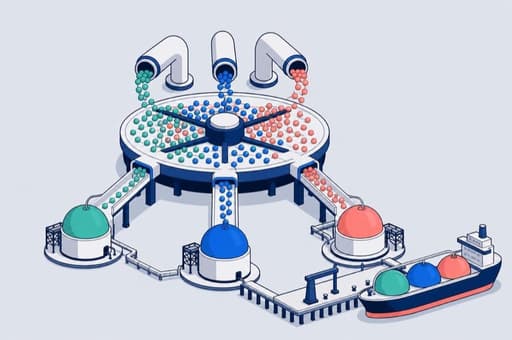
NGL Pipelines & Services
The economic center: pipes, separation plants, storage, and docks for liquids pulled from natural gas produced $5.559B of business-line profit in FY2025. New field-to-coast and export capacity can deepen that lead; export rules and ship availability can interrupt the flow.
Competes with Grand Prix / Mont Belvieu / Galena Park system (Targa Resources) · Gulf Coast NGL Express / Mont Belvieu / Nederland system (Energy Transfer)
In plain English
Natural gas liquids, usually shortened to NGLs, are ethane, propane, and other useful liquids carried within raw natural gas. Enterprise pulls them out, sorts them, stores them, and ships them. This business is the sorting hub: it links gas fields to processing plants, storage caverns, and Gulf Coast docks.
Producers pay Enterprise to process and move the mixed stream. Chemical plants and overseas buyers then pay for the separated products and reliable delivery. Each extra stop on Enterprise's connected system can earn another fee, which is why the network matters more than any single pipe.
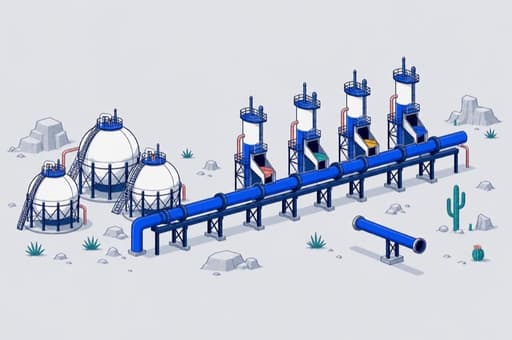
Bahia NGL Pipeline and Cowboy Extension
A new Permian-to-Mont Belvieu pipe carries mixed gas liquids toward Enterprise's sorting and storage center. ExxonMobil co-owns it and anchors a planned expansion to 1 million barrels a day by late 2027; watch the Cowboy connection and added sorting capacity.
Competes with Grand Prix Pipeline / Speedway (Targa Resources) · Gulf Coast NGL Express / Lone Star network (Energy Transfer)
In plain English
Picture a long conveyor for the mixed liquids collected at gas plants in the Permian production region. Bahia carries that stream to Mont Belvieu, Enterprise's center for separating it into products such as ethane and propane. The Cowboy Extension will bring in more supply from ExxonMobil's nearby processing complex.
Gas-plant operators pay to move their output, and Enterprise can earn again when the same material is separated, stored, or sent to a dock. ExxonMobil's ownership and connected agreements bring an anchor customer; the expansion only pays off if the new connection and downstream plants arrive together.
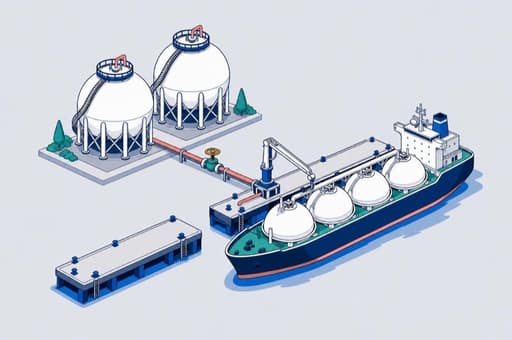
Neches River Ethane/Propane Export Terminal
The first dock opened with 120,000 barrels a day of ethane capacity. A second phase entered service in May 2026, adding a choice between 180,000 barrels of ethane or 360,000 of propane each day; specialized ships and receiving terminals govern the ramp.
Competes with Nederland Terminal expansion (Energy Transfer) · Galena Park Marine Terminal (Targa Resources)
In plain English
At the export dock, Neches chills ethane or propane until it can be pumped into special ships. The terminal can switch between the two products as customer demand changes.
Overseas chemical makers and propane buyers pay for dependable space at the dock. Enterprise also benefits when cargo reaches Neches through its own pipes, storage, and separation plants. The ethane space has customers lined up, but actual shipments still depend on enough suitable vessels and places overseas ready to receive them.
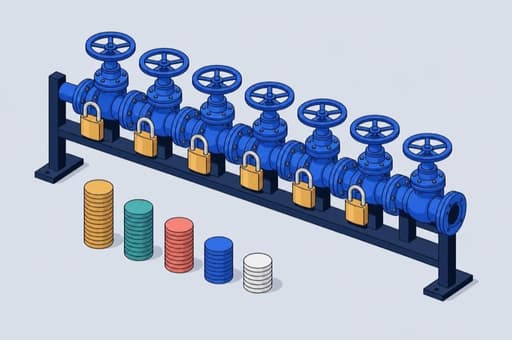
Fixed Contracted-Revenue Portfolio
Customers reserve pipeline, storage, processing, and dock space years ahead, promising payment even when they use less than planned. That booked sum cushions swings in commodity sales; watch whether new construction wins commitments that are just as durable.
Competes with Gray Oak Pipeline / Enbridge Ingleside Energy Center (Enbridge) · Gulf Coast NGL Express / Mont Belvieu / Nederland system (Energy Transfer)
In plain English
The quiet stabilizer is a collection of customer promises spread across Enterprise's network. A producer, utility, or chemical maker reserves space for years and agrees to pay for a minimum amount, much like holding a permanent seat whether every trip is taken or not.
Those payments give Enterprise a dependable base while actual volumes and commodity prices move around. They do not cover every future sale, and the customers behind most individual promises are not named. Their value is simple: new pipes and plants are safer to build when future users commit before construction is finished.
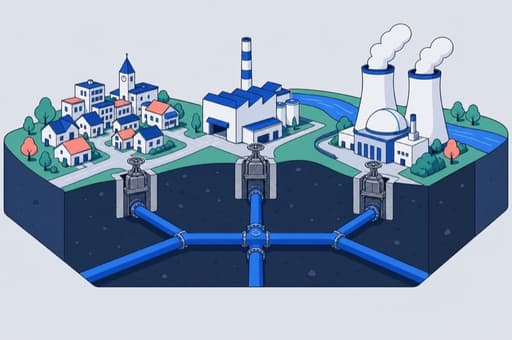
Natural Gas Pipelines & Services
Gathering, cleaning, storage, and long-distance gas pipes produced $1.558B of business-line profit in FY2025. Demand from power plants and gas chilled for export supports use; production, permits, compressor reliability, and weak local prices can restrain it.
Competes with Permian Midland / Delaware systems (Targa Resources) · Delaware Basin gas system (Kinetik Holdings)
In plain English
Not all gas is turned into separate liquids. Much of it remains natural gas and must be collected from wells, cleaned, pushed under pressure through large pipes, and delivered where people use it. Enterprise connects producing areas with utilities, factories, power stations, storage, and routes toward export plants.
Producers pay to gather and carry gas away from crowded fields. Big users pay to reserve space or for the amount delivered; export plants need the same service before chilling gas into liquid for ships. Customers keep paying because a pipe already connected at both ends is difficult to replace.
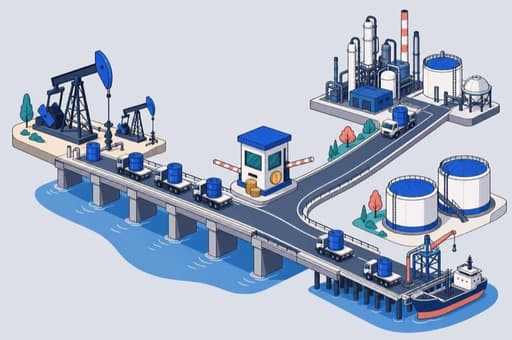
Crude Oil Pipelines & Services
Buying and reselling crude made this the biggest sales line, but moving, storing, and loading oil produced $1.501B of business-line profit in FY2025. Watch output from the Permian production region, refinery demand, export traffic, and transport prices set by regulators.
Competes with Gray Oak Pipeline / Enbridge Ingleside Energy Center (Enbridge) · Cactus II / Cactus III (Plains All American Pipeline)
In plain English
This is the oil toll road. Enterprise gathers crude from producing areas, carries it toward Gulf Coast refineries and export docks, holds it in large tanks, and charges whenever a barrel moves or occupies space.
The company also buys and resells oil so its network stays balanced and customers can get the grade they need in the right place. Those trades create a lot of sales but much less profit than the tolls suggest. Producers, refiners, and exporters keep using the system because its connected routes and storage let them redirect barrels when one market is crowded.
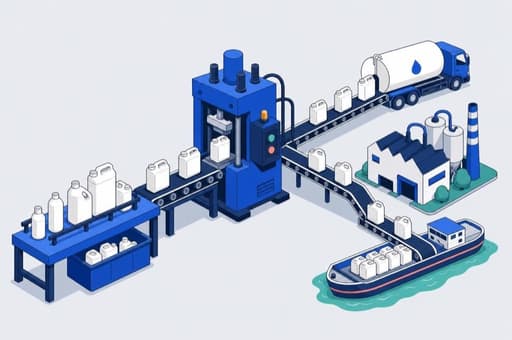
Petrochemical & Refined Products Services
Chemical and fuel plants, pipes, storage, and barges produced $1.436B of business-line profit in FY2025. The mix serves plastics makers and fuel distributors; plant reliability, customer demand, energy costs, and gaps between buying and selling prices drive results.
Competes with Geismar Olefins Complex (Energy Transfer) · Explorer Pipeline (Explorer Pipeline Company)
In plain English
A factory pantry sits between oil-and-gas producers and the companies making chemicals or fuel. Enterprise separates or makes chemical ingredients such as propylene and ethylene, moves refined fuels, stores both, and blends ingredients that improve gasoline. Barges handle products that travel by water.
Chemical makers and fuel distributors pay to have products made, separated, carried, or stored. Some agreements pay Enterprise for keeping a plant available; other sales rise or fall with the gap between raw-material cost and selling price. The business works best when plants run steadily and customers keep taking output.


 NGL Pipelines & ServicesThe economic center: pipes, separation plants, storage, and docks for liquids pulled from natural gas produced $5.559B of business-line profit in FY2025. New field-to-coast and export capacity can deepen that lead; export rules and ship availability can interrupt the flow.
The economic center: pipes, separation plants, storage, and docks for liquids pulled from natural gas produced $5.559B of business-line profit in FY2025. New field-to-coast and export capacity can deepen that lead; export rules and ship availability can interrupt the flow.
In plain English
Natural gas liquids, usually shortened to NGLs, are ethane, propane, and other useful liquids carried within raw natural gas. Enterprise pulls them out, sorts them, stores them, and ships them. This business is the sorting hub: it links gas fields to processing plants, storage caverns, and Gulf Coast docks.
Producers pay Enterprise to process and move the mixed stream. Chemical plants and overseas buyers then pay for the separated products and reliable delivery. Each extra stop on Enterprise's connected system can earn another fee, which is why the network matters more than any single pipe.
Competes with Grand Prix / Mont Belvieu / Galena Park system (Targa Resources) · Gulf Coast NGL Express / Mont Belvieu / Nederland system (Energy Transfer)
 Bahia NGL Pipeline and Cowboy ExtensionA new Permian-to-Mont Belvieu pipe carries mixed gas liquids toward Enterprise's sorting and storage center. ExxonMobil co-owns it and anchors a planned expansion to 1 million barrels a day by late 2027; watch the Cowboy connection and added sorting capacity.
A new Permian-to-Mont Belvieu pipe carries mixed gas liquids toward Enterprise's sorting and storage center. ExxonMobil co-owns it and anchors a planned expansion to 1 million barrels a day by late 2027; watch the Cowboy connection and added sorting capacity.
In plain English
Picture a long conveyor for the mixed liquids collected at gas plants in the Permian production region. Bahia carries that stream to Mont Belvieu, Enterprise's center for separating it into products such as ethane and propane. The Cowboy Extension will bring in more supply from ExxonMobil's nearby processing complex.
Gas-plant operators pay to move their output, and Enterprise can earn again when the same material is separated, stored, or sent to a dock. ExxonMobil's ownership and connected agreements bring an anchor customer; the expansion only pays off if the new connection and downstream plants arrive together.
Competes with Grand Prix Pipeline / Speedway (Targa Resources) · Gulf Coast NGL Express / Lone Star network (Energy Transfer)
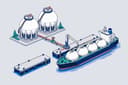 Neches River Ethane/Propane Export TerminalThe first dock opened with 120,000 barrels a day of ethane capacity. A second phase entered service in May 2026, adding a choice between 180,000 barrels of ethane or 360,000 of propane each day; specialized ships and receiving terminals govern the ramp.
The first dock opened with 120,000 barrels a day of ethane capacity. A second phase entered service in May 2026, adding a choice between 180,000 barrels of ethane or 360,000 of propane each day; specialized ships and receiving terminals govern the ramp.
In plain English
At the export dock, Neches chills ethane or propane until it can be pumped into special ships. The terminal can switch between the two products as customer demand changes.
Overseas chemical makers and propane buyers pay for dependable space at the dock. Enterprise also benefits when cargo reaches Neches through its own pipes, storage, and separation plants. The ethane space has customers lined up, but actual shipments still depend on enough suitable vessels and places overseas ready to receive them.
Competes with Nederland Terminal expansion (Energy Transfer) · Galena Park Marine Terminal (Targa Resources)
 Fixed Contracted-Revenue PortfolioCustomers reserve pipeline, storage, processing, and dock space years ahead, promising payment even when they use less than planned. That booked sum cushions swings in commodity sales; watch whether new construction wins commitments that are just as durable.
Customers reserve pipeline, storage, processing, and dock space years ahead, promising payment even when they use less than planned. That booked sum cushions swings in commodity sales; watch whether new construction wins commitments that are just as durable.
In plain English
The quiet stabilizer is a collection of customer promises spread across Enterprise's network. A producer, utility, or chemical maker reserves space for years and agrees to pay for a minimum amount, much like holding a permanent seat whether every trip is taken or not.
Those payments give Enterprise a dependable base while actual volumes and commodity prices move around. They do not cover every future sale, and the customers behind most individual promises are not named. Their value is simple: new pipes and plants are safer to build when future users commit before construction is finished.
Competes with Gray Oak Pipeline / Enbridge Ingleside Energy Center (Enbridge) · Gulf Coast NGL Express / Mont Belvieu / Nederland system (Energy Transfer)
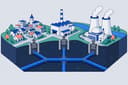 Natural Gas Pipelines & ServicesGathering, cleaning, storage, and long-distance gas pipes produced $1.558B of business-line profit in FY2025. Demand from power plants and gas chilled for export supports use; production, permits, compressor reliability, and weak local prices can restrain it.
Gathering, cleaning, storage, and long-distance gas pipes produced $1.558B of business-line profit in FY2025. Demand from power plants and gas chilled for export supports use; production, permits, compressor reliability, and weak local prices can restrain it.
In plain English
Not all gas is turned into separate liquids. Much of it remains natural gas and must be collected from wells, cleaned, pushed under pressure through large pipes, and delivered where people use it. Enterprise connects producing areas with utilities, factories, power stations, storage, and routes toward export plants.
Producers pay to gather and carry gas away from crowded fields. Big users pay to reserve space or for the amount delivered; export plants need the same service before chilling gas into liquid for ships. Customers keep paying because a pipe already connected at both ends is difficult to replace.
Competes with Permian Midland / Delaware systems (Targa Resources) · Delaware Basin gas system (Kinetik Holdings)
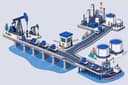 Crude Oil Pipelines & ServicesBuying and reselling crude made this the biggest sales line, but moving, storing, and loading oil produced $1.501B of business-line profit in FY2025. Watch output from the Permian production region, refinery demand, export traffic, and transport prices set by regulators.
Buying and reselling crude made this the biggest sales line, but moving, storing, and loading oil produced $1.501B of business-line profit in FY2025. Watch output from the Permian production region, refinery demand, export traffic, and transport prices set by regulators.
In plain English
This is the oil toll road. Enterprise gathers crude from producing areas, carries it toward Gulf Coast refineries and export docks, holds it in large tanks, and charges whenever a barrel moves or occupies space.
The company also buys and resells oil so its network stays balanced and customers can get the grade they need in the right place. Those trades create a lot of sales but much less profit than the tolls suggest. Producers, refiners, and exporters keep using the system because its connected routes and storage let them redirect barrels when one market is crowded.
Competes with Gray Oak Pipeline / Enbridge Ingleside Energy Center (Enbridge) · Cactus II / Cactus III (Plains All American Pipeline)
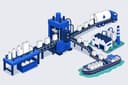 Petrochemical & Refined Products ServicesChemical and fuel plants, pipes, storage, and barges produced $1.436B of business-line profit in FY2025. The mix serves plastics makers and fuel distributors; plant reliability, customer demand, energy costs, and gaps between buying and selling prices drive results.
Chemical and fuel plants, pipes, storage, and barges produced $1.436B of business-line profit in FY2025. The mix serves plastics makers and fuel distributors; plant reliability, customer demand, energy costs, and gaps between buying and selling prices drive results.
In plain English
A factory pantry sits between oil-and-gas producers and the companies making chemicals or fuel. Enterprise separates or makes chemical ingredients such as propylene and ethylene, moves refined fuels, stores both, and blends ingredients that improve gasoline. Barges handle products that travel by water.
Chemical makers and fuel distributors pay to have products made, separated, carried, or stored. Some agreements pay Enterprise for keeping a plant available; other sales rise or fall with the gap between raw-material cost and selling price. The business works best when plants run steadily and customers keep taking output.
Competes with Geismar Olefins Complex (Energy Transfer) · Explorer Pipeline (Explorer Pipeline Company)
Named in filings, launches and programs
- Enterprise Hydrocarbons Terminal (EHT)Ecosystem · RampingEight deepwater docks load gas liquids and crude in the Houston Ship Channel; more propane-loading room is targeted for year-end 2026.
- Morgan's Point Ethane Export TerminalEcosystemA dedicated outlet for shipborne ethane, expanded for greater flexibility in 2025 and linked to Enterprise's wider liquids network.
- Mont Belvieu separation and storage complexEcosystem · RampingThis hub separates mixed gas liquids and stores the finished products; another large separator is planned for early 2028.
- Midland-to-ECHO and Seaway crude systemsEcosystemThese routes connect inland crude supplies and storage with Houston and other Gulf Coast markets; Enterprise owns half of Seaway.
- Texas Intrastate and Acadian gas systemsEcosystemTexas and Louisiana pipes connect local gas supply with storage, factories, power demand, and routes toward coastal export plants.
- Delaware and Midland Basin Gathering SystemsEcosystem · RampingRecent purchases added dedicated well-to-plant pipes and difficult-gas treatment in these two production regions, feeding Enterprise's processing plants.
- TE Products and TW Products systemsEcosystemPipelines carry refined fuels and gas liquids from the Gulf Coast toward customers in the Midwest and Northeast.
- Propane-to-propylene plants (PDH 1 and PDH 2)Product lineTwo Mont Belvieu plants turn propane into the chemical ingredient propylene, mainly under contracts that pay for reserved plant use.
- Octane enhancement and specialty-material facilitiesProduct linePlants turn gas liquids and refinery inputs into gasoline-blending ingredients, isobutane, isobutylene, and other specialty materials.
- Marine Transportation BusinessServiceTowboats and tank barges move refined fuels and chemicals by water, adding a small transport arm to the pipeline network.
- Sea Port Oil Terminal (SPOT)Ecosystem · Pre-revenueA licensed offshore crude-loading plan that still lacks enough customer commitments to justify construction after its original anchor left.
- Bluebonnet CO2 Transportation Network / 1PointFiveCustomer program · Pre-revenueA conditional plan to carry captured carbon dioxide from the Houston Ship Channel to underground storage if partner 1PointFive gives notice.
Enterprise Hydrocarbons Terminal (EHT)Ecosystem · Ramping
Eight deepwater docks load gas liquids and crude in the Houston Ship Channel; more propane-loading room is targeted for year-end 2026.
Morgan's Point Ethane Export TerminalEcosystem
A dedicated outlet for shipborne ethane, expanded for greater flexibility in 2025 and linked to Enterprise's wider liquids network.
Mont Belvieu separation and storage complexEcosystem · Ramping
This hub separates mixed gas liquids and stores the finished products; another large separator is planned for early 2028.
Midland-to-ECHO and Seaway crude systemsEcosystem
These routes connect inland crude supplies and storage with Houston and other Gulf Coast markets; Enterprise owns half of Seaway.
Texas Intrastate and Acadian gas systemsEcosystem
Texas and Louisiana pipes connect local gas supply with storage, factories, power demand, and routes toward coastal export plants.
Delaware and Midland Basin Gathering SystemsEcosystem · Ramping
Recent purchases added dedicated well-to-plant pipes and difficult-gas treatment in these two production regions, feeding Enterprise's processing plants.
TE Products and TW Products systemsEcosystem
Pipelines carry refined fuels and gas liquids from the Gulf Coast toward customers in the Midwest and Northeast.
Propane-to-propylene plants (PDH 1 and PDH 2)Product line
Two Mont Belvieu plants turn propane into the chemical ingredient propylene, mainly under contracts that pay for reserved plant use.
Octane enhancement and specialty-material facilitiesProduct line
Plants turn gas liquids and refinery inputs into gasoline-blending ingredients, isobutane, isobutylene, and other specialty materials.
Marine Transportation BusinessService
Towboats and tank barges move refined fuels and chemicals by water, adding a small transport arm to the pipeline network.
Sea Port Oil Terminal (SPOT)Ecosystem · Pre-revenue
A licensed offshore crude-loading plan that still lacks enough customer commitments to justify construction after its original anchor left.
Bluebonnet CO2 Transportation Network / 1PointFiveCustomer program · Pre-revenue
A conditional plan to carry captured carbon dioxide from the Houston Ship Channel to underground storage if partner 1PointFive gives notice.