
Freeport-McMoRan (FCX)
Mines copper across the Americas and Indonesia, with integrated processing and by-product gold.
Something off on this page? Send us feedback.
Freeport-McMoRan is chiefly a copper miner, with gold from the same Indonesian ore and a smaller metal business serving steelmakers. Its immediate future hangs on safely restoring Grasberg after a fatal underground accident, while extracting more copper from rock already mined and deciding whether to enlarge an Arizona mine.
Item facts: FY2025 · year ended Dec 31, 2025, from filings, earnings calls and company pages.
Judgment weights, not filed revenue
The band summarizes business focus and direction. ~ marks estimates.
9 in detail · 15 more below
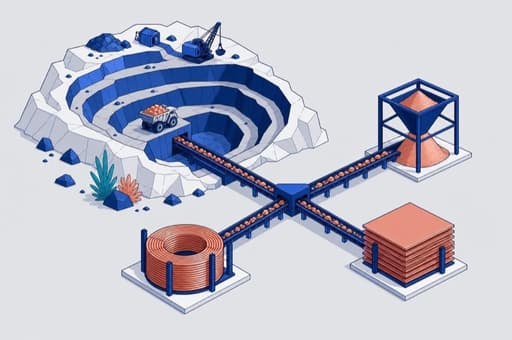
Copper Products
Copper concentrate, flat metal plates and wire-making rod brought in about $19.4 billion. Copper prices and the amount recovered from each load of rock remain the biggest swing factors.
Competes with Kennecott cathode (Rio Tinto) · Buenavista concentrate and SX/EW cathode (Southern Copper)
In plain English
This is the engine of the company. Freeport digs copper-bearing rock, separates some into a mineral-rich powder called concentrate, turns some into pure flat plates called cathode, and rolls some into thick rod that wire makers can draw thinner.
Smelters, metal merchants and manufacturers pay prices tied mostly to the world copper market. Freeport keeps the difference after mining and processing costs, so richer rock, better recovery and cheaper energy matter almost as much as the selling price.
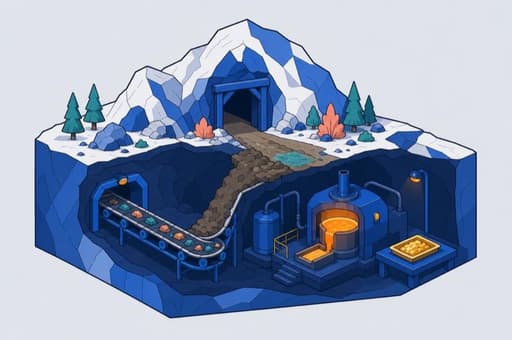
Indonesia Operations — Grasberg Minerals District
The underground copper-and-gold district supplied $8.618 billion of sales to outside customers. Its phased return after the deadly mud rush is the main near-term test for production and costs.
Competes with Oyu Tolgoi underground (Rio Tinto) · Cadia East (Newmont)
In plain English
Picture a vast underground quarry reached through tunnels rather than from an open pit. Three mines under Grasberg break copper-and-gold ore, move it to the surface and send the separated minerals into Indonesia's own smelters, where intense heat turns them into saleable metal.
Buyers pay for the copper and gold that comes out. Freeport runs the operation but owns less than half of it for now, so the district is both its richest production center and a shared asset. Safe tunnel access and dependable smelters decide how quickly cash returns after the accident.
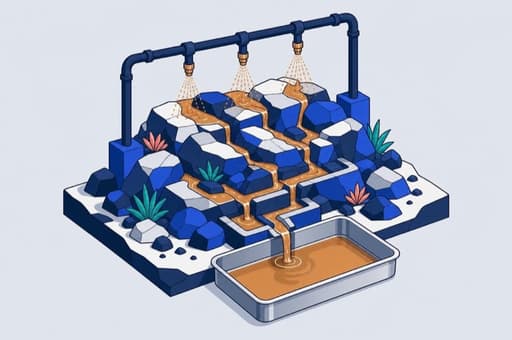
Innovative Leach Initiatives
New recipes and operating changes pulled an extra 214 million copper pounds from existing rock piles. The opportunity is large, but results depend on how each pile reacts outside the test area.
Competes with Nuton bioleach (Rio Tinto) · Jetti catalyst (Jetti Resources)
In plain English
Old rock piles can still hold copper that earlier methods left behind. Freeport sprinkles acidic liquid mixed with selected additives over those piles; the liquid carries dissolved copper downward, and existing equipment pulls the metal back out. It is like making a second cup from grounds that looked spent.
There is no separate technology customer. The program earns money when Freeport's own mines produce more copper plates from material already dug up, avoiding much of the time and construction needed for a new mine. Different rock responds differently, so field results decide how far it can spread.
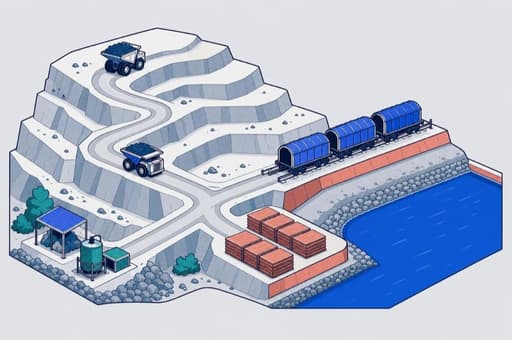
Cerro Verde
This Peruvian open-pit mine delivered $3.776 billion of sales to outside customers. It is a steady copper source; water, power, waste storage and mine sequencing set the pace.
Competes with Quellaveco concentrate (Anglo American) · Antamina concentrate (Antamina owner consortium)
In plain English
High in Peru, Cerro Verde works from the top down: trucks carry rock out of a huge open pit, then the site either concentrates its copper minerals into powder or washes copper into pure metal plates. It also recovers molybdenum, the metal used to strengthen steel.
Smelters buy the powder and industrial customers buy the plates. Some powder goes to Freeport's Spanish smelter, while the plates can skip that step entirely. Reliable water and power keep the line moving; the order in which crews uncover different rock decides both output and cost.
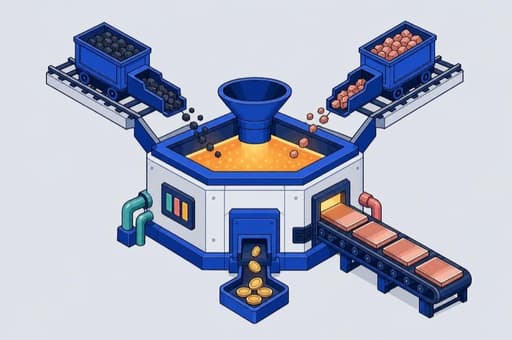
Atlantic Copper
The Spanish smelter made $3.155 billion of outside sales but only $11 million in operating profit. Its job is to secure processing access, not earn mine-sized margins.
Competes with Hamburg smelter and rod plant (Aurubis) · Rönnskär smelter (Boliden)
In plain English
The unglamorous middle step turns dusty copper concentrate into usable metal. At Huelva in Spain, Atlantic Copper melts material from Freeport and other mines, casts copper plates, and also sells acid and precious metals recovered along the way. Think of a toll kitchen handling both its owner's ingredients and deliveries from elsewhere.
European metal buyers pay for the finished products, while mines effectively pay to have concentrate treated. Much of the sales value is the copper passing through, leaving a thin processing margin. A steady supply of concentrate, affordable energy and reliable furnaces matter more here than opening a new orebody.
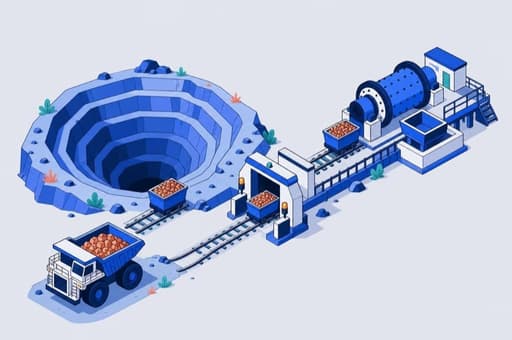
Morenci
Arizona's large open pit generated $2.648 billion before Freeport's own processing handoffs; only $303 million went straight to outside buyers. It is also the main U.S. proving ground for better rock-pile recovery.
Competes with Buenavista (Southern Copper) · Kennecott (Rio Tinto)
In plain English
Most of Morenci's copper does not leave Freeport when it leaves the mine. The Arizona open pit makes mineral powder and pure copper plates, then sends much of that output to the company's own smelters, refineries and rod plants before an outside customer pays. It resembles a farm whose crop becomes bread in the owner's bakery.
That internal journey makes direct customer sales look small even though the mine is substantial. Freeport earns when the finished copper finally sells. Morenci also provides the largest working yard for the new treatment that draws extra copper from old rock piles, making it important beyond today's output.
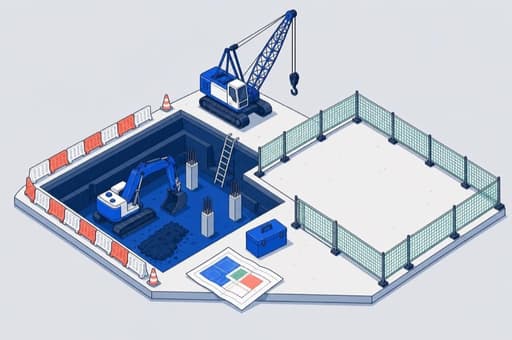
Bagdad Expansion
In July 2026, Freeport priced the proposed expansion at $4.5 billion; it would more than double this Arizona mine's output. Approval remains the gate, followed by three to four years of construction.
Competes with Johnson Camp/Nuton expansion (Gunnison Copper/Rio Tinto) · Copper World Phase I (Hudbay/Mitsubishi)
In plain English
For now, Bagdad's expansion is a priced idea, not a new source of copper. Freeport is studying a much larger version of its existing Arizona mine and deciding whether the added production justifies the build. Imagine a factory owner with the extension staked out but the construction gate still locked.
If approved, builders and equipment suppliers would be paid first; copper buyers would not pay Freeport for the added metal until years later. Water, permits and construction costs must all work before that happens. The project could reshape the U.S. business, but current spending plans do not yet include it.
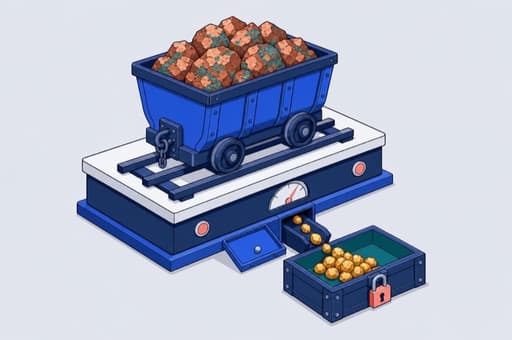
Gold
Gold recovered mainly from Grasberg copper ore produced about $3.9 billion of revenue. Its return depends on the same underground recovery, and every lost ounce also makes copper costlier to produce.
Competes with Cadia gold-copper output (Newmont) · Oyu Tolgoi gold in concentrate (Rio Tinto)
In plain English
Gold rides in the same rock as Grasberg's copper. Once that ore is mined and crushed, refiners separate out the gold and prepare it for the chains that supply jewelry makers, savers and central banks. It is the valuable passenger in a truck that was already hauling copper.
Those buyers ultimately support the gold price, while Freeport is paid for each recovered ounce. The gold money also offsets the cost assigned to copper, so a disruption hurts twice: fewer gold sales and less help paying the copper bill. Recovery therefore follows which underground ore Freeport can safely reach, not gold demand alone.
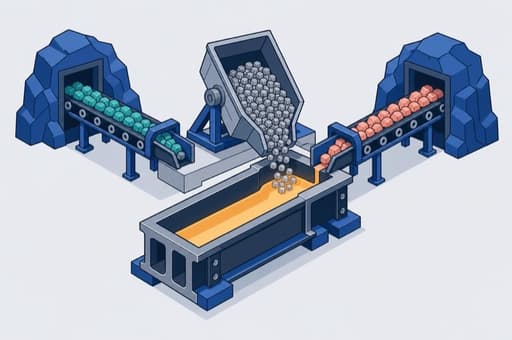
Molybdenum Products — Climax Molybdenum
Molybdenum products contributed about $2.1 billion of revenue. Steelmakers are the core buyers; supply can come from dedicated mines or arrive alongside copper, making output partly dependent on copper plans.
Competes with Sandaozhuang and Shangfanggou mines (CMOC) · Sierra Gorda concentrate (KGHM/South32)
In plain English
A little molybdenum helps steel stay strong under heat and pressure. Freeport mines this metal directly at two Colorado sites and also collects it while processing copper ore, then sells it as powder or mixed into a form steelmakers can melt. Think of salt from a salt mine and salt saved from another recipe ending in the same jar.
Steel and alloy producers pay for those products. Freeport can raise or lower work at its dedicated mines when the market changes, but metal recovered alongside copper follows the copper mine schedule. That split makes the business flexible in one place and tied to another operation elsewhere.


 Copper ProductsCopper concentrate, flat metal plates and wire-making rod brought in about $19.4 billion. Copper prices and the amount recovered from each load of rock remain the biggest swing factors.
Copper concentrate, flat metal plates and wire-making rod brought in about $19.4 billion. Copper prices and the amount recovered from each load of rock remain the biggest swing factors.
In plain English
This is the engine of the company. Freeport digs copper-bearing rock, separates some into a mineral-rich powder called concentrate, turns some into pure flat plates called cathode, and rolls some into thick rod that wire makers can draw thinner.
Smelters, metal merchants and manufacturers pay prices tied mostly to the world copper market. Freeport keeps the difference after mining and processing costs, so richer rock, better recovery and cheaper energy matter almost as much as the selling price.
Competes with Kennecott cathode (Rio Tinto) · Buenavista concentrate and SX/EW cathode (Southern Copper)
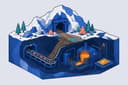 Indonesia Operations — Grasberg Minerals DistrictThe underground copper-and-gold district supplied $8.618 billion of sales to outside customers. Its phased return after the deadly mud rush is the main near-term test for production and costs.
The underground copper-and-gold district supplied $8.618 billion of sales to outside customers. Its phased return after the deadly mud rush is the main near-term test for production and costs.
In plain English
Picture a vast underground quarry reached through tunnels rather than from an open pit. Three mines under Grasberg break copper-and-gold ore, move it to the surface and send the separated minerals into Indonesia's own smelters, where intense heat turns them into saleable metal.
Buyers pay for the copper and gold that comes out. Freeport runs the operation but owns less than half of it for now, so the district is both its richest production center and a shared asset. Safe tunnel access and dependable smelters decide how quickly cash returns after the accident.
Competes with Oyu Tolgoi underground (Rio Tinto) · Cadia East (Newmont)
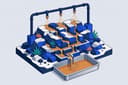 Innovative Leach InitiativesNew recipes and operating changes pulled an extra 214 million copper pounds from existing rock piles. The opportunity is large, but results depend on how each pile reacts outside the test area.
New recipes and operating changes pulled an extra 214 million copper pounds from existing rock piles. The opportunity is large, but results depend on how each pile reacts outside the test area.
In plain English
Old rock piles can still hold copper that earlier methods left behind. Freeport sprinkles acidic liquid mixed with selected additives over those piles; the liquid carries dissolved copper downward, and existing equipment pulls the metal back out. It is like making a second cup from grounds that looked spent.
There is no separate technology customer. The program earns money when Freeport's own mines produce more copper plates from material already dug up, avoiding much of the time and construction needed for a new mine. Different rock responds differently, so field results decide how far it can spread.
Competes with Nuton bioleach (Rio Tinto) · Jetti catalyst (Jetti Resources)
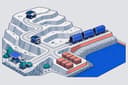 Cerro VerdeThis Peruvian open-pit mine delivered $3.776 billion of sales to outside customers. It is a steady copper source; water, power, waste storage and mine sequencing set the pace.
This Peruvian open-pit mine delivered $3.776 billion of sales to outside customers. It is a steady copper source; water, power, waste storage and mine sequencing set the pace.
In plain English
High in Peru, Cerro Verde works from the top down: trucks carry rock out of a huge open pit, then the site either concentrates its copper minerals into powder or washes copper into pure metal plates. It also recovers molybdenum, the metal used to strengthen steel.
Smelters buy the powder and industrial customers buy the plates. Some powder goes to Freeport's Spanish smelter, while the plates can skip that step entirely. Reliable water and power keep the line moving; the order in which crews uncover different rock decides both output and cost.
Competes with Quellaveco concentrate (Anglo American) · Antamina concentrate (Antamina owner consortium)
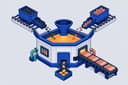 Atlantic CopperThe Spanish smelter made $3.155 billion of outside sales but only $11 million in operating profit. Its job is to secure processing access, not earn mine-sized margins.
The Spanish smelter made $3.155 billion of outside sales but only $11 million in operating profit. Its job is to secure processing access, not earn mine-sized margins.
In plain English
The unglamorous middle step turns dusty copper concentrate into usable metal. At Huelva in Spain, Atlantic Copper melts material from Freeport and other mines, casts copper plates, and also sells acid and precious metals recovered along the way. Think of a toll kitchen handling both its owner's ingredients and deliveries from elsewhere.
European metal buyers pay for the finished products, while mines effectively pay to have concentrate treated. Much of the sales value is the copper passing through, leaving a thin processing margin. A steady supply of concentrate, affordable energy and reliable furnaces matter more here than opening a new orebody.
Competes with Hamburg smelter and rod plant (Aurubis) · Rönnskär smelter (Boliden)
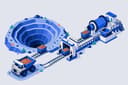 MorenciArizona's large open pit generated $2.648 billion before Freeport's own processing handoffs; only $303 million went straight to outside buyers. It is also the main U.S. proving ground for better rock-pile recovery.
Arizona's large open pit generated $2.648 billion before Freeport's own processing handoffs; only $303 million went straight to outside buyers. It is also the main U.S. proving ground for better rock-pile recovery.
In plain English
Most of Morenci's copper does not leave Freeport when it leaves the mine. The Arizona open pit makes mineral powder and pure copper plates, then sends much of that output to the company's own smelters, refineries and rod plants before an outside customer pays. It resembles a farm whose crop becomes bread in the owner's bakery.
That internal journey makes direct customer sales look small even though the mine is substantial. Freeport earns when the finished copper finally sells. Morenci also provides the largest working yard for the new treatment that draws extra copper from old rock piles, making it important beyond today's output.
Competes with Buenavista (Southern Copper) · Kennecott (Rio Tinto)
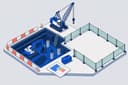 Bagdad ExpansionIn July 2026, Freeport priced the proposed expansion at $4.5 billion; it would more than double this Arizona mine's output. Approval remains the gate, followed by three to four years of construction.
In July 2026, Freeport priced the proposed expansion at $4.5 billion; it would more than double this Arizona mine's output. Approval remains the gate, followed by three to four years of construction.
In plain English
For now, Bagdad's expansion is a priced idea, not a new source of copper. Freeport is studying a much larger version of its existing Arizona mine and deciding whether the added production justifies the build. Imagine a factory owner with the extension staked out but the construction gate still locked.
If approved, builders and equipment suppliers would be paid first; copper buyers would not pay Freeport for the added metal until years later. Water, permits and construction costs must all work before that happens. The project could reshape the U.S. business, but current spending plans do not yet include it.
Competes with Johnson Camp/Nuton expansion (Gunnison Copper/Rio Tinto) · Copper World Phase I (Hudbay/Mitsubishi)
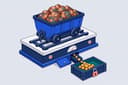 GoldGold recovered mainly from Grasberg copper ore produced about $3.9 billion of revenue. Its return depends on the same underground recovery, and every lost ounce also makes copper costlier to produce.
Gold recovered mainly from Grasberg copper ore produced about $3.9 billion of revenue. Its return depends on the same underground recovery, and every lost ounce also makes copper costlier to produce.
In plain English
Gold rides in the same rock as Grasberg's copper. Once that ore is mined and crushed, refiners separate out the gold and prepare it for the chains that supply jewelry makers, savers and central banks. It is the valuable passenger in a truck that was already hauling copper.
Those buyers ultimately support the gold price, while Freeport is paid for each recovered ounce. The gold money also offsets the cost assigned to copper, so a disruption hurts twice: fewer gold sales and less help paying the copper bill. Recovery therefore follows which underground ore Freeport can safely reach, not gold demand alone.
Competes with Cadia gold-copper output (Newmont) · Oyu Tolgoi gold in concentrate (Rio Tinto)
 Molybdenum Products — Climax MolybdenumMolybdenum products contributed about $2.1 billion of revenue. Steelmakers are the core buyers; supply can come from dedicated mines or arrive alongside copper, making output partly dependent on copper plans.
Molybdenum products contributed about $2.1 billion of revenue. Steelmakers are the core buyers; supply can come from dedicated mines or arrive alongside copper, making output partly dependent on copper plans.
In plain English
A little molybdenum helps steel stay strong under heat and pressure. Freeport mines this metal directly at two Colorado sites and also collects it while processing copper ore, then sells it as powder or mixed into a form steelmakers can melt. Think of salt from a salt mine and salt saved from another recipe ending in the same jar.
Steel and alloy producers pay for those products. Freeport can raise or lower work at its dedicated mines when the market changes, but metal recovered alongside copper follows the copper mine schedule. That split makes the business flexible in one place and tied to another operation elsewhere.
Competes with Sandaozhuang and Shangfanggou mines (CMOC) · Sierra Gorda concentrate (KGHM/South32)
Named in filings, launches and programs
- U.S. Rod & RefiningSegmentTurns Freeport and purchased copper into pure plates and thick rod; high sales pass through at a very thin operating profit.
- El AbraSegmentA majority-owned Chilean open pit making copper plates, with a longer-term study for mining deeper sulfur-rich ore.
- SaffordSegmentAn Arizona operation that washes copper from ore into pure metal plates, including material from the nearby Lone Star deposit.
- SierritaSegmentAn Arizona open pit producing copper concentrate and molybdenum, linking the company's two main industrial metals.
- MiamiSegmentAn Arizona mine and processing hub whose smelter, refinery and rod mill also handle copper from other U.S. sites.
- ChinoSegmentA New Mexico open pit selling copper as both mineral concentrate and pure metal plates.
- TyroneSegmentA New Mexico open pit that washes copper from ore and produces pure metal plates.
- ClimaxSegmentA Colorado mine devoted to molybdenum, with output that can be adjusted as demand changes.
- HendersonSegmentA Colorado underground molybdenum mine currently running below its full possible rate.
- Kucing LiarProduct · RampingA Grasberg underground orebody being developed to support the district's later copper and gold production.
- Deep Mill Level ZoneSegmentA Grasberg underground copper-and-gold mine that helped restore district production after the mud rush.
- Big GossanSegmentA smaller Grasberg underground copper-and-gold mine feeding the same Indonesian processing chain.
- PTFI Smelter and Precious Metals RefineryBrand · RampingNew Indonesian facilities built to turn Grasberg concentrate into refined copper and precious metals inside the country.
- PT SmeltingBrandThe established Gresik smelter, majority owned by PTFI, provides another domestic outlet for Grasberg concentrate.
- JOY Copper-Gold District / AuRORA Minerals Ltd.Product · Pre-revenueA Canadian exploration partnership searching for copper and gold; it remains a funded prospect rather than an operating mine.
U.S. Rod & RefiningSegment
Turns Freeport and purchased copper into pure plates and thick rod; high sales pass through at a very thin operating profit.
El AbraSegment
A majority-owned Chilean open pit making copper plates, with a longer-term study for mining deeper sulfur-rich ore.
SaffordSegment
An Arizona operation that washes copper from ore into pure metal plates, including material from the nearby Lone Star deposit.
SierritaSegment
An Arizona open pit producing copper concentrate and molybdenum, linking the company's two main industrial metals.
MiamiSegment
An Arizona mine and processing hub whose smelter, refinery and rod mill also handle copper from other U.S. sites.
ChinoSegment
A New Mexico open pit selling copper as both mineral concentrate and pure metal plates.
TyroneSegment
A New Mexico open pit that washes copper from ore and produces pure metal plates.
ClimaxSegment
A Colorado mine devoted to molybdenum, with output that can be adjusted as demand changes.
HendersonSegment
A Colorado underground molybdenum mine currently running below its full possible rate.
Kucing LiarProduct · Ramping
A Grasberg underground orebody being developed to support the district's later copper and gold production.
Deep Mill Level ZoneSegment
A Grasberg underground copper-and-gold mine that helped restore district production after the mud rush.
Big GossanSegment
A smaller Grasberg underground copper-and-gold mine feeding the same Indonesian processing chain.
PTFI Smelter and Precious Metals RefineryBrand · Ramping
New Indonesian facilities built to turn Grasberg concentrate into refined copper and precious metals inside the country.
PT SmeltingBrand
The established Gresik smelter, majority owned by PTFI, provides another domestic outlet for Grasberg concentrate.
JOY Copper-Gold District / AuRORA Minerals Ltd.Product · Pre-revenue
A Canadian exploration partnership searching for copper and gold; it remains a funded prospect rather than an operating mine.