
Fiserv (FISV)
Runs merchant commerce and financial technology across payments, banking, and card processing.
Something off on this page? Send us feedback.
Fiserv is the plumbing under American card payments — the checkout systems in small shops, and the software behind bank accounts, debit cards and credit cards. The work is quiet, contracted, and repeats every month; no single line carries the company. After much of its recent growth turned out to come from prepaying merchants in high-inflation Argentina, targets were pulled, and a new chief executive is resetting promises and selling pieces.
Item facts: FY2025 · year ended Dec 31, 2025, from filings, earnings calls and company pages.
Judgment weights, not filed revenue
The band summarizes business focus and direction. ~ marks estimates.
7 in detail · 15 more below
Clover
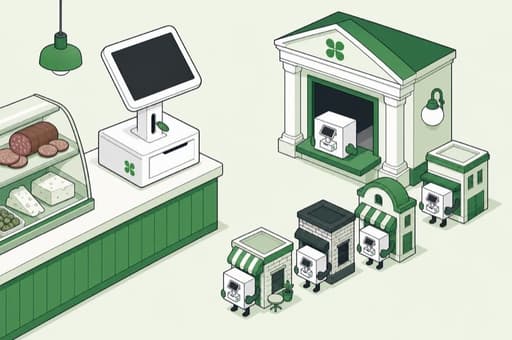
The till-and-software system for small shops, and Fiserv's one real growth engine: $3.3B in FY2025, up 23%. Then it stalled — revenue grew 2% in mid-2026 and the full-year expectation was cut to around 5% growth.
Competes with Square point of sale (Block) · Toast POS (Toast) · Genius POS portfolio (Global Payments)
In plain English
Walk into a sandwich shop and the small white screen on the counter taking your card is often a Clover. It is a cash register, a card reader and a small business-management kit in one machine: it takes the payment, tracks what sold, and runs the shop's day.
The merchant buys or rents the hardware, pays a monthly fee for the software, and pays a slice of every card sale. Banks and sales agents hand Fiserv the customers — dozens of the largest U.S. banks refer their small-business clients — so the machine arrives through a trusted introduction rather than a cold call. Add-on services beyond plain payments are now a quarter of what Clover earns.
Small Business outside Clover
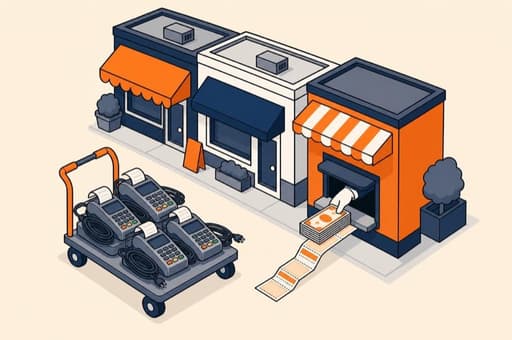
The older merchant book — plain terminals, bank and agent portfolios, and Argentina — shrinking about 5% a year as Fiserv moves those shops onto Clover. The Argentine piece grew triple digits in 2023 and 2024 while local inflation and rates were soaring.
Competes with Worldpay merchant portfolios (Global Payments) · Square point of sale (Block) · Local merchant card acquiring (Argentine and Brazilian providers)
In plain English
The part being quietly folded away. Before Clover there were ordinary card terminals sold through banks, sales agents and software companies, plus a sizeable merchant business in Argentina. Those shops still pay their processing fees, and Fiserv still collects them while converting the ones it can onto Clover.
Argentina works differently. Shoppers there buy in instalments, so Fiserv hands merchants their money early and keeps a cut for the wait, borrowing to fund it. When Argentine inflation and interest rates run hot that cut swells and flatters the whole company's growth; when they cool it shrinks just as fast, which is exactly what clipped both revenue and profit in mid-2026.
Digital Payments
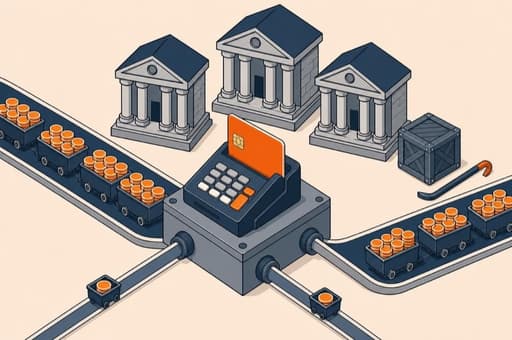
Debit processing for banks, two of the networks that carry a payment when a shopper types a code, and bank bill paying. It is sliding 5–6% a year. JPMorgan, Bank of America and others were reported in mid-2026 to have held early talks about buying a network.
Competes with Pulse debit network (Discover) · NYCE debit network (FIS) · Interlink debit routing (Visa)
In plain English
Two jobs, one customer: the bank. When a debit card is tapped, someone has to check the balance, send the payment down the right road and move the money — Fiserv does that for banks and credit unions across the country. It also owns two of the roads themselves, STAR and Accel, the ones used when a shopper types a code instead of signing.
Banks pay per transaction and per account, month after month. Two things pull against it: over half of U.S. debit traffic travels Visa's own road rather than Fiserv's, and the long-standing business of mailing out bill payments is shrinking faster than Zelle transfers, which Fiserv plugs banks into, are growing.
Issuing
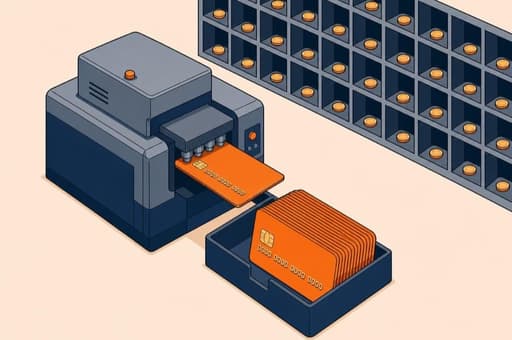
The machinery behind banks' credit and prepaid cards — approving, recording, printing and mailing them. More than 1.7 billion accounts sit on it and still grew about 4%, while revenue fell against an unusually rich prior year.
Competes with TSYS issuer processing (FIS) · Marqeta card issuing (Marqeta) · i2c issuing platform (i2c)
In plain English
Every credit card in a wallet has a machine somewhere keeping its score: what was spent, what is owed, whether this purchase clears. Most banks would rather not build that machine, so Fiserv rents them one — and prints and posts the plastic too.
Each account pays a dollar or two a year at most, which sounds trivial until the accounts are counted: more than 1.7 billion of them, a base management says is nearly twice its closest rival's. The fees repeat for as long as the card exists, so growth means banks issuing more cards — and keeping the ones already there when contracts come up for renewal and rival platforms come calling.
Banking
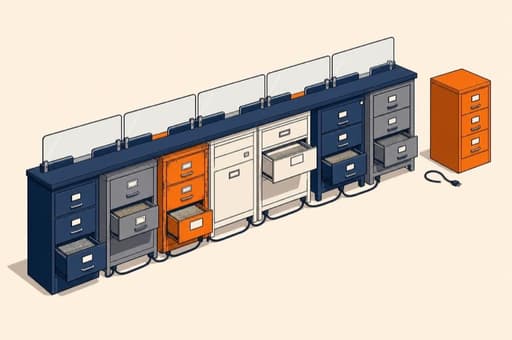
The bookkeeping systems banks and credit unions run their accounts on — more than 4,000 U.S. institutions use a Fiserv one. Revenue is down and the institution count slipped about 3%, even as the accounts riding on those systems grew.
Competes with Modern Banking Platform (FIS) · SilverLake and Symitar cores (Jack Henry) · Temenos core banking (Temenos)
In plain English
Think of the ledger that knows your balance. Every bank needs one, it can never be wrong, and replacing it is like changing an aircraft's engine in flight — so banks buy one and stay for decades. Fiserv sells several: DNA, Premier, Signature and others, and it keeps supporting all of them rather than herding customers onto a single system.
The bank pays a running fee tied to accounts, plus more for the pieces bolted on — online banking, fraud checks, cheque processing, consultants. Unglamorous, and lately it leaks: bank mergers keep quietly removing customers, and the count of institutions on a Fiserv ledger has been falling.
Finxact
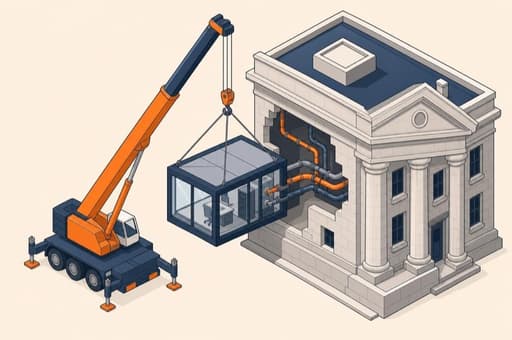
Fiserv's newer, internet-native bank ledger. Accounts on it grew over 75% in a year, and in August 2026 Flagstar — a bank with more than $80B of assets — picked it, dropping both an older Fiserv system and a rival's.
Competes with Vault core banking (Thought Machine) · Temenos cloud core (Temenos) · Modern Banking Platform (FIS)
In plain English
The new ledger sitting in the same building as the old ones. Finxact does the same job as Fiserv's long-serving bank systems — keeping every account's balance exactly right — but it was built to run over the internet and to let other companies' software plug straight into it, which is why it also ends up powering bank-style features inside companies that are not banks.
Banks pay to run on it month after month, same logic as before. The honest wrinkle: some wins come from banks walking off Fiserv's own older ledgers, and the money is still small enough that Fiserv does not report it on its own.
Commerce Hub and Carat
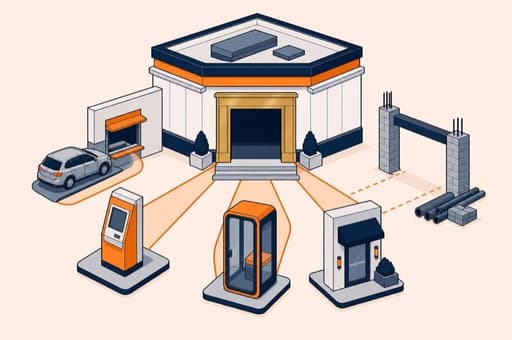
One payment system for very large companies — tills, apps, websites and kiosks in a single place. Revenue is roughly flat, transactions through it rose nearly 200% early in 2026, and slow switch-ons were the largest single piece of the mid-2026 cut to Fiserv's own forecasts.
Competes with Adyen single-platform acquiring (Adyen) · Stripe payments (Stripe) · Worldpay enterprise acquiring (Global Payments)
In plain English
A burger chain with drive-throughs, an app, self-service kiosks and a website wants one place where all those payments land: the same fraud checks, the same refunds, one daily total. That single front door is Commerce Hub, and the wider system it belongs to is called Carat.
Customers like Yum! Brands and Blue Shield of California sign multi-year deals and pay per transaction, so the money is steady once it starts. Starting is the hard part — wiring up a giant company takes quarters, not weeks, and when the switch-on date slips the revenue slips with it. Stripe has meanwhile been growing its U.S. card volume fast, and the Worldpay–Global Payments merger created the country's largest card processor.


 CloverThe till-and-software system for small shops, and Fiserv's one real growth engine: $3.3B in FY2025, up 23%. Then it stalled — revenue grew 2% in mid-2026 and the full-year expectation was cut to around 5% growth.
The till-and-software system for small shops, and Fiserv's one real growth engine: $3.3B in FY2025, up 23%. Then it stalled — revenue grew 2% in mid-2026 and the full-year expectation was cut to around 5% growth.
In plain English
Walk into a sandwich shop and the small white screen on the counter taking your card is often a Clover. It is a cash register, a card reader and a small business-management kit in one machine: it takes the payment, tracks what sold, and runs the shop's day.
The merchant buys or rents the hardware, pays a monthly fee for the software, and pays a slice of every card sale. Banks and sales agents hand Fiserv the customers — dozens of the largest U.S. banks refer their small-business clients — so the machine arrives through a trusted introduction rather than a cold call. Add-on services beyond plain payments are now a quarter of what Clover earns.
Competes with Square point of sale (Block) · Toast POS (Toast) · Genius POS portfolio (Global Payments)
 Small Business outside CloverThe older merchant book — plain terminals, bank and agent portfolios, and Argentina — shrinking about 5% a year as Fiserv moves those shops onto Clover. The Argentine piece grew triple digits in 2023 and 2024 while local inflation and rates were soaring.
The older merchant book — plain terminals, bank and agent portfolios, and Argentina — shrinking about 5% a year as Fiserv moves those shops onto Clover. The Argentine piece grew triple digits in 2023 and 2024 while local inflation and rates were soaring.
In plain English
The part being quietly folded away. Before Clover there were ordinary card terminals sold through banks, sales agents and software companies, plus a sizeable merchant business in Argentina. Those shops still pay their processing fees, and Fiserv still collects them while converting the ones it can onto Clover.
Argentina works differently. Shoppers there buy in instalments, so Fiserv hands merchants their money early and keeps a cut for the wait, borrowing to fund it. When Argentine inflation and interest rates run hot that cut swells and flatters the whole company's growth; when they cool it shrinks just as fast, which is exactly what clipped both revenue and profit in mid-2026.
Competes with Worldpay merchant portfolios (Global Payments) · Square point of sale (Block) · Local merchant card acquiring (Argentine and Brazilian providers)
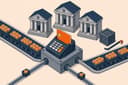 Digital PaymentsDebit processing for banks, two of the networks that carry a payment when a shopper types a code, and bank bill paying. It is sliding 5–6% a year. JPMorgan, Bank of America and others were reported in mid-2026 to have held early talks about buying a network.
Debit processing for banks, two of the networks that carry a payment when a shopper types a code, and bank bill paying. It is sliding 5–6% a year. JPMorgan, Bank of America and others were reported in mid-2026 to have held early talks about buying a network.
In plain English
Two jobs, one customer: the bank. When a debit card is tapped, someone has to check the balance, send the payment down the right road and move the money — Fiserv does that for banks and credit unions across the country. It also owns two of the roads themselves, STAR and Accel, the ones used when a shopper types a code instead of signing.
Banks pay per transaction and per account, month after month. Two things pull against it: over half of U.S. debit traffic travels Visa's own road rather than Fiserv's, and the long-standing business of mailing out bill payments is shrinking faster than Zelle transfers, which Fiserv plugs banks into, are growing.
Competes with Pulse debit network (Discover) · NYCE debit network (FIS) · Interlink debit routing (Visa)
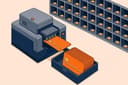 IssuingThe machinery behind banks' credit and prepaid cards — approving, recording, printing and mailing them. More than 1.7 billion accounts sit on it and still grew about 4%, while revenue fell against an unusually rich prior year.
The machinery behind banks' credit and prepaid cards — approving, recording, printing and mailing them. More than 1.7 billion accounts sit on it and still grew about 4%, while revenue fell against an unusually rich prior year.
In plain English
Every credit card in a wallet has a machine somewhere keeping its score: what was spent, what is owed, whether this purchase clears. Most banks would rather not build that machine, so Fiserv rents them one — and prints and posts the plastic too.
Each account pays a dollar or two a year at most, which sounds trivial until the accounts are counted: more than 1.7 billion of them, a base management says is nearly twice its closest rival's. The fees repeat for as long as the card exists, so growth means banks issuing more cards — and keeping the ones already there when contracts come up for renewal and rival platforms come calling.
Competes with TSYS issuer processing (FIS) · Marqeta card issuing (Marqeta) · i2c issuing platform (i2c)
 BankingThe bookkeeping systems banks and credit unions run their accounts on — more than 4,000 U.S. institutions use a Fiserv one. Revenue is down and the institution count slipped about 3%, even as the accounts riding on those systems grew.
The bookkeeping systems banks and credit unions run their accounts on — more than 4,000 U.S. institutions use a Fiserv one. Revenue is down and the institution count slipped about 3%, even as the accounts riding on those systems grew.
In plain English
Think of the ledger that knows your balance. Every bank needs one, it can never be wrong, and replacing it is like changing an aircraft's engine in flight — so banks buy one and stay for decades. Fiserv sells several: DNA, Premier, Signature and others, and it keeps supporting all of them rather than herding customers onto a single system.
The bank pays a running fee tied to accounts, plus more for the pieces bolted on — online banking, fraud checks, cheque processing, consultants. Unglamorous, and lately it leaks: bank mergers keep quietly removing customers, and the count of institutions on a Fiserv ledger has been falling.
Competes with Modern Banking Platform (FIS) · SilverLake and Symitar cores (Jack Henry) · Temenos core banking (Temenos)
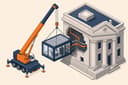 FinxactFiserv's newer, internet-native bank ledger. Accounts on it grew over 75% in a year, and in August 2026 Flagstar — a bank with more than $80B of assets — picked it, dropping both an older Fiserv system and a rival's.
Fiserv's newer, internet-native bank ledger. Accounts on it grew over 75% in a year, and in August 2026 Flagstar — a bank with more than $80B of assets — picked it, dropping both an older Fiserv system and a rival's.
In plain English
The new ledger sitting in the same building as the old ones. Finxact does the same job as Fiserv's long-serving bank systems — keeping every account's balance exactly right — but it was built to run over the internet and to let other companies' software plug straight into it, which is why it also ends up powering bank-style features inside companies that are not banks.
Banks pay to run on it month after month, same logic as before. The honest wrinkle: some wins come from banks walking off Fiserv's own older ledgers, and the money is still small enough that Fiserv does not report it on its own.
Competes with Vault core banking (Thought Machine) · Temenos cloud core (Temenos) · Modern Banking Platform (FIS)
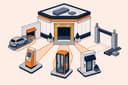 Commerce Hub and CaratOne payment system for very large companies — tills, apps, websites and kiosks in a single place. Revenue is roughly flat, transactions through it rose nearly 200% early in 2026, and slow switch-ons were the largest single piece of the mid-2026 cut to Fiserv's own forecasts.
One payment system for very large companies — tills, apps, websites and kiosks in a single place. Revenue is roughly flat, transactions through it rose nearly 200% early in 2026, and slow switch-ons were the largest single piece of the mid-2026 cut to Fiserv's own forecasts.
In plain English
A burger chain with drive-throughs, an app, self-service kiosks and a website wants one place where all those payments land: the same fraud checks, the same refunds, one daily total. That single front door is Commerce Hub, and the wider system it belongs to is called Carat.
Customers like Yum! Brands and Blue Shield of California sign multi-year deals and pay per transaction, so the money is steady once it starts. Starting is the hard part — wiring up a giant company takes quarters, not weeks, and when the switch-on date slips the revenue slips with it. Stripe has meanwhile been growing its U.S. card volume fast, and the Worldpay–Global Payments merger created the country's largest card processor.
Competes with Adyen single-platform acquiring (Adyen) · Stripe payments (Stripe) · Worldpay enterprise acquiring (Global Payments)
Named in filings, launches and programs
- Clover CapitalServiceCash advanced to Clover merchants against card sales they have yet to make; merchant credit losses ran $34M in early 2026 against $28M a year before.
- Clover ConnectPlatformThe route software companies use to build Fiserv payments into their own products, steering their merchants toward Clover.
- CashFlow CentralProduct · RampingBills-in, bills-out hub banks offer their small-business customers, built with Melio; five banks were live by early 2026, among them U.S. Bank, PNC and WaFd.
- STAR and AccelEcosystemThe two debit roads Fiserv owns — the ones used when a shopper types a code rather than signing — sitting inside the debit business.
- Output SolutionsServicePrints and mails bank statements and the cards themselves; the postage banks pay back passes straight through at no profit.
- VisionNextProduct · RampingThe successor to VisionPLUS, Fiserv's long-running card-issuing system; management named it on six of the last eight earnings calls.
- Money NetworkProduct linePrepaid accounts and cards used to pay out wages and government money, run alongside Payfare inside the card business.
- FIUSDEcosystem · Pre-revenueA digital dollar banks can issue under their own name, launched mid-2025 with pilots including Huntington; management talk of it went quiet through 2026.
- agentOSProduct · AnnouncedAnnounced layer that puts AI assistants inside bank products; over 100 institutions had shown interest by August 2026, with no revenue yet.
- Fiserv AppMarketEcosystemAn app store for banks running Fiserv systems; Teslar Software joined it in September 2026.
- Project ElevateProduct · AnnouncedCost programme run with IBM: over $500M of savings identified, $73M of costs in late 2025, aimed at wider profit margins by 2029.
- CCV GroupBrandEuropean checkout-terminal business bought in 2025.
- Pinch PaymentsBrandBought in 2025; moves payment volume from software vendors' customers toward Clover.
- Smith Consulting GroupBrandA 2025 purchase that brought bank-system installation work in-house.
- StoneCastleBrandAcquired in 2025 for its licence to hold digital currency — the permission sitting behind Fiserv's bank digital-dollar network.
Clover CapitalService
Cash advanced to Clover merchants against card sales they have yet to make; merchant credit losses ran $34M in early 2026 against $28M a year before.
Clover ConnectPlatform
The route software companies use to build Fiserv payments into their own products, steering their merchants toward Clover.
CashFlow CentralProduct · Ramping
Bills-in, bills-out hub banks offer their small-business customers, built with Melio; five banks were live by early 2026, among them U.S. Bank, PNC and WaFd.
STAR and AccelEcosystem
The two debit roads Fiserv owns — the ones used when a shopper types a code rather than signing — sitting inside the debit business.
Output SolutionsService
Prints and mails bank statements and the cards themselves; the postage banks pay back passes straight through at no profit.
VisionNextProduct · Ramping
The successor to VisionPLUS, Fiserv's long-running card-issuing system; management named it on six of the last eight earnings calls.
Money NetworkProduct line
Prepaid accounts and cards used to pay out wages and government money, run alongside Payfare inside the card business.
FIUSDEcosystem · Pre-revenue
A digital dollar banks can issue under their own name, launched mid-2025 with pilots including Huntington; management talk of it went quiet through 2026.
agentOSProduct · Announced
Announced layer that puts AI assistants inside bank products; over 100 institutions had shown interest by August 2026, with no revenue yet.
Fiserv AppMarketEcosystem
An app store for banks running Fiserv systems; Teslar Software joined it in September 2026.
Project ElevateProduct · Announced
Cost programme run with IBM: over $500M of savings identified, $73M of costs in late 2025, aimed at wider profit margins by 2029.
CCV GroupBrand
European checkout-terminal business bought in 2025.
Pinch PaymentsBrand
Bought in 2025; moves payment volume from software vendors' customers toward Clover.
Smith Consulting GroupBrand
A 2025 purchase that brought bank-system installation work in-house.
StoneCastleBrand
Acquired in 2025 for its licence to hold digital currency — the permission sitting behind Fiserv's bank digital-dollar network.