
Gilead Sciences (GILD)
Develops HIV antivirals, liver-disease medicines, and oncology therapies including CAR-T treatments.
Something off on this page? Send us feedback.
Gilead is a medicine company built around HIV: one daily pill does most of the heavy lifting, while a newer prevention shot is widening that franchise. Liver and cancer medicines add smaller streams. Its next chapter depends on turning expensive acquired cancer and cell-treatment programs into products while established HIV medicines keep funding the work.
Item facts: FY2025 · year ended Dec 31, 2025, from filings, earnings calls and company pages.
Judgment weights, not filed revenue
The band summarizes business focus and direction. ~ marks estimates.
9 in detail · 10 more below
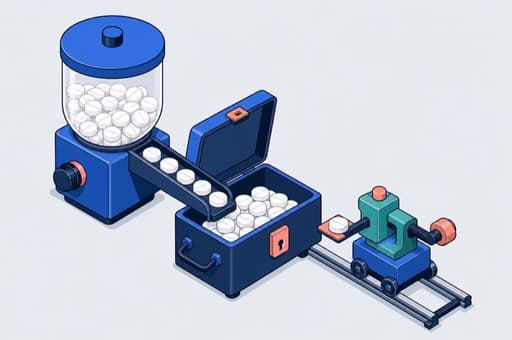
Biktarvy
The once-daily HIV treatment is Gilead's cash engine. Prescription growth continues, but Medicare-set pricing begins in 2028, long before generic copies are allowed to launch.
Competes with Dovato · once-daily HIV pill (ViiV Healthcare/GSK) · Delstrigo · once-daily HIV pill (Merck)
In plain English
One tablet a day keeps HIV under control by combining three medicines in a single dose. For many patients it becomes a durable routine, more like refilling the same pantry staple than making a one-off purchase.
Pharmacies and hospitals buy it through medicine wholesalers after doctors prescribe it and insurers agree to cover it. Each continuing patient can mean years of refills, which makes Biktarvy the dependable source of cash for Gilead's launches, research and acquisitions. The watchpoint is how much Medicare and other insurers will pay, not merely how many prescriptions are written.
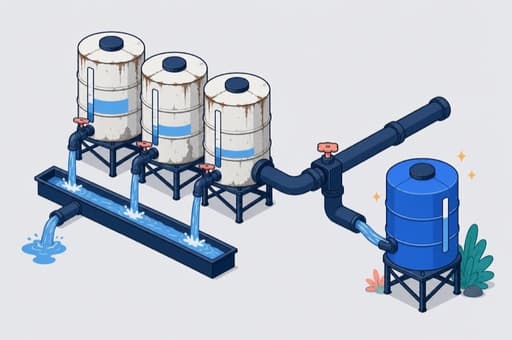
Genvoya, Odefsey and Symtuza
Three established daily HIV regimens brought in $3.160 billion in FY2025. Genvoya and Odefsey are shrinking as patients move to newer choices; Symtuza, whose ingredients Gilead supplies to Janssen, is still growing.
Competes with Biktarvy · newer daily HIV pill (Gilead) · Dovato · two-drug HIV pill (ViiV Healthcare/GSK) · Delstrigo · complete daily HIV pill (Merck)
In plain English
The unglamorous part that still pays real bills. These are older combinations of HIV medicines taken every day by people whose treatment may already be working well. Staying put can be easier than changing a stable routine.
Most sales come from repeat prescriptions. Gilead sells Genvoya and Odefsey as finished medicines and supplies ingredients for Symtuza to Janssen, which sells that pill. The stream gradually narrows when doctors and patients switch to newer regimens, so its job is to keep producing cash while the newer portfolio expands.
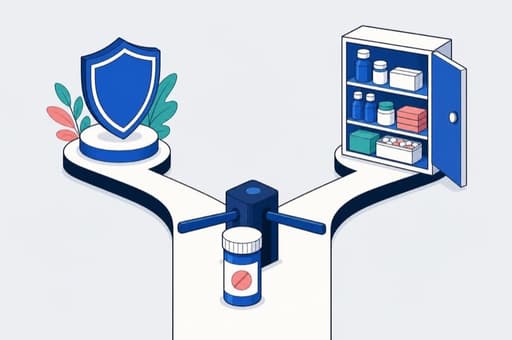
Descovy
This daily tablet serves both HIV treatment and prevention, producing $2.758 billion in FY2025 sales. It is growing quickly, while cheaper generic pills and less-frequent injections compete for prevention users.
Competes with Apretude · injection every two months (ViiV Healthcare/GSK) · Generic medicines · daily prevention pill (Multiple manufacturers)
In plain English
Descovy has two jobs hidden inside one tablet. It can form part of a medicine combination for someone living with HIV, or help an HIV-negative person avoid infection—preventive treatment often called PrEP.
A prescription turns into recurring pharmacy sales as long as the person keeps taking a pill every day and insurance keeps covering it. That daily habit is both the business model and the weak spot: low-cost generic tablets can undercut the price, while injections such as Apretude ask people to return only every two months.
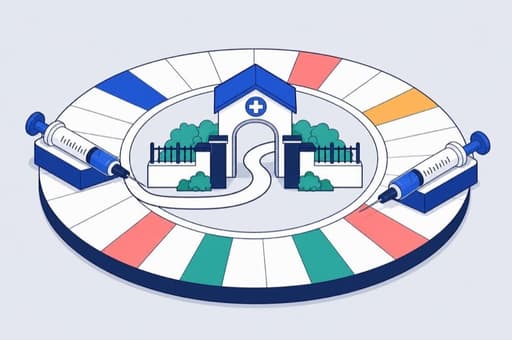
Yeztugo
A twice-yearly HIV-prevention injection, Yeztugo grew quickly from a tiny partial-year launch. Gilead expects about $1 billion in FY2026, making repeat visits and broad insurance coverage the tests.
Competes with Apretude · injection every two months (ViiV Healthcare/GSK) · Generic medicines · daily prevention pill (Multiple manufacturers)
In plain English
Two clinic visits a year replace the chore of remembering a pill every morning. Yeztugo is given as an injection to help people without HIV avoid infection; that preventive treatment is often shortened to PrEP.
Clinics and pharmacies get paid when eligible people are tested, covered by an insurer and given each dose. The long gap between injections is the attraction, but the sale repeats only if patients return on schedule and clinics can handle them. The spectacular growth is partly the arithmetic of moving beyond a short launch period.
Epclusa and Vemlidy
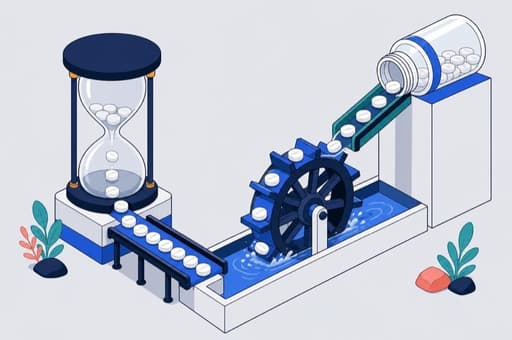
These two liver medicines made $2.342 billion in FY2025 but behave differently: Epclusa cures hepatitis C in a finite course and is shrinking, while recurring Vemlidy treatment for hepatitis B is growing.
Competes with Mavyret · hepatitis C cure (AbbVie) · Baraclude and generic entecavir · hepatitis B treatment (Bristol Myers Squibb/Multiple manufacturers)
In plain English
One medicine finishes its job; the other keeps coming back. Epclusa is a course of tablets that can cure hepatitis C, so every successful treatment removes a future customer. Vemlidy suppresses hepatitis B rather than curing it, making repeat prescriptions the norm.
Doctors first have to find infected people and connect them with care. Pharmacies and medicine distributors then fill the prescribed course or recurring tablets, with insurers deciding access. Epclusa's remaining pool naturally thins as people are cured, while Vemlidy depends on patients staying on long-term treatment.
Livdelzi
A newer pill for a rare bile-duct disease, Livdelzi reached about $374 million in estimated FY2025 sales. Its early 2026 climb continued, but wider use still depends on diagnosis and follow-up evidence.
Competes with Iqirvo · second-choice bile-duct treatment (Ipsen) · Lynavoy · bile-duct disease itch treatment (GSK)
In plain English
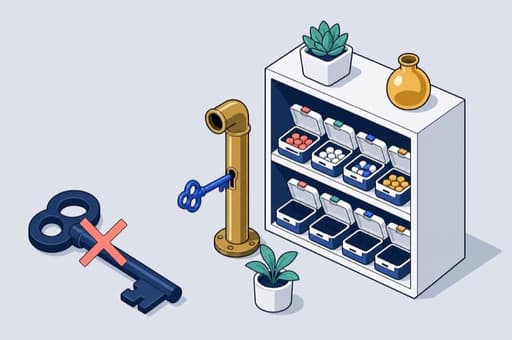
Think of it as the second key tried when the usual key does not open the door. Livdelzi is a daily pill for primary biliary cholangitis, a long-lasting bile-duct disease, when the standard first treatment is not enough.
Liver specialists prescribe it, specialty pharmacies fill it and insurers decide whether patients can get it. Because the condition lasts, a patient who responds can bring recurring sales. The launch is still small beside Gilead's HIV business, and continued success depends on finding eligible patients and confirming the medicine's benefit.
Cell Therapy — Yescarta and Tecartus
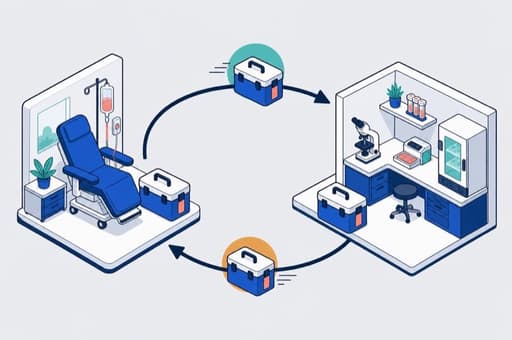
These personalized blood-cancer treatments are made from each patient's own immune cells. First-half 2026 sales fell 13%, as the business depends on hospital referrals, factory slots and a fragile round trip for every dose.
Competes with Breyanzi · blood-cancer cell therapy (Bristol Myers Squibb) · Kymriah · blood-cancer cell therapy (Novartis)
In plain English
This is medicine built one person at a time. A hospital removes some of a cancer patient's immune cells, Gilead rewires them to recognize the cancer, tests them and sends them back for infusion. The finished dose cannot be taken from a general shelf.
Hospitals pay for each completed treatment, but first the patient must qualify, remain well enough and secure coverage. Couriers, factory capacity and quality checks all have to line up. Each sale is valuable, yet growth can stall when rival treatments win referrals or the chain cannot move another patient's cells through quickly enough.
anito-cel
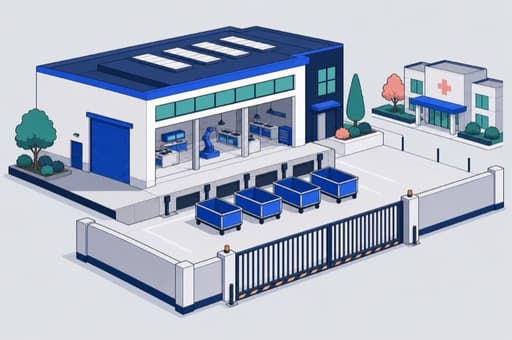
A personalized immune-cell treatment awaiting a U.S. decision, anito-cel is Gilead's attempt to restart cell-therapy growth. Gilead paid about $6.4 billion in 2026 for Arcellx; approval and hospital readiness come before sales.
Competes with Carvykti · myeloma cell therapy (Johnson & Johnson/Legend Biotech) · Abecma · myeloma cell therapy (Bristol Myers Squibb/2seventy bio)
In plain English
Anito-cel follows the same custom-order journey as Gilead's existing cell treatments, but targets multiple myeloma, a cancer of blood-making cells. A patient's immune cells are collected, altered to hunt the cancer and returned for infusion.
There is no product revenue yet. Gilead bought Arcellx to own the candidate and is preparing treatment centers while regulators review it. Only after approval can activated hospitals order patient-specific doses. The expensive acquisition makes this a major bet: the factories, couriers, insurers and treatment slots all need to work before the first commercial dollar arrives.
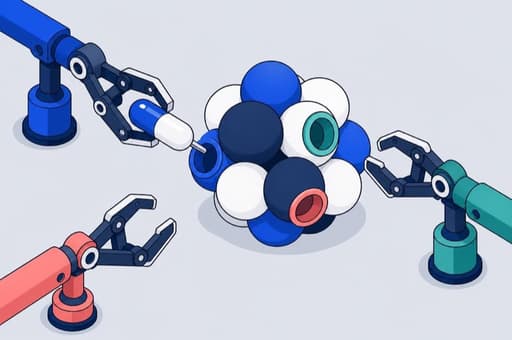
Trodelvy
Trodelvy carries a cancer-killing drug to certain breast-cancer cells and recently moved into earlier treatment. First-half 2026 sales rose 31%, but failed lung-cancer studies narrowed where the medicine may expand next.
Competes with Datroway · targeted breast-cancer medicine (Daiichi Sankyo/AstraZeneca) · Enhertu · targeted breast-cancer medicine (Daiichi Sankyo/AstraZeneca)
In plain English
Picture a parcel that opens only at a particular address. Trodelvy joins a cancer-killing drug to an antibody, a protein shaped to latch onto a marker found on some cancer cells, helping deliver the drug where it is wanted.
Cancer centers buy it for repeated infusions after doctors identify eligible people and insurers authorize treatment. Recent approvals let some people with breast cancer that has spread receive it earlier, widening the paying pool. Eligibility still narrows that pool, and competing targeted medicines are fighting for many of the same patients.


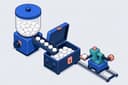 BiktarvyThe once-daily HIV treatment is Gilead's cash engine. Prescription growth continues, but Medicare-set pricing begins in 2028, long before generic copies are allowed to launch.
The once-daily HIV treatment is Gilead's cash engine. Prescription growth continues, but Medicare-set pricing begins in 2028, long before generic copies are allowed to launch.
In plain English
One tablet a day keeps HIV under control by combining three medicines in a single dose. For many patients it becomes a durable routine, more like refilling the same pantry staple than making a one-off purchase.
Pharmacies and hospitals buy it through medicine wholesalers after doctors prescribe it and insurers agree to cover it. Each continuing patient can mean years of refills, which makes Biktarvy the dependable source of cash for Gilead's launches, research and acquisitions. The watchpoint is how much Medicare and other insurers will pay, not merely how many prescriptions are written.
Competes with Dovato · once-daily HIV pill (ViiV Healthcare/GSK) · Delstrigo · once-daily HIV pill (Merck)
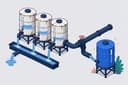 Genvoya, Odefsey and SymtuzaThree established daily HIV regimens brought in $3.160 billion in FY2025. Genvoya and Odefsey are shrinking as patients move to newer choices; Symtuza, whose ingredients Gilead supplies to Janssen, is still growing.
Three established daily HIV regimens brought in $3.160 billion in FY2025. Genvoya and Odefsey are shrinking as patients move to newer choices; Symtuza, whose ingredients Gilead supplies to Janssen, is still growing.
In plain English
The unglamorous part that still pays real bills. These are older combinations of HIV medicines taken every day by people whose treatment may already be working well. Staying put can be easier than changing a stable routine.
Most sales come from repeat prescriptions. Gilead sells Genvoya and Odefsey as finished medicines and supplies ingredients for Symtuza to Janssen, which sells that pill. The stream gradually narrows when doctors and patients switch to newer regimens, so its job is to keep producing cash while the newer portfolio expands.
Competes with Biktarvy · newer daily HIV pill (Gilead) · Dovato · two-drug HIV pill (ViiV Healthcare/GSK) · Delstrigo · complete daily HIV pill (Merck)
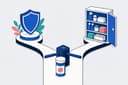 DescovyThis daily tablet serves both HIV treatment and prevention, producing $2.758 billion in FY2025 sales. It is growing quickly, while cheaper generic pills and less-frequent injections compete for prevention users.
This daily tablet serves both HIV treatment and prevention, producing $2.758 billion in FY2025 sales. It is growing quickly, while cheaper generic pills and less-frequent injections compete for prevention users.
In plain English
Descovy has two jobs hidden inside one tablet. It can form part of a medicine combination for someone living with HIV, or help an HIV-negative person avoid infection—preventive treatment often called PrEP.
A prescription turns into recurring pharmacy sales as long as the person keeps taking a pill every day and insurance keeps covering it. That daily habit is both the business model and the weak spot: low-cost generic tablets can undercut the price, while injections such as Apretude ask people to return only every two months.
Competes with Apretude · injection every two months (ViiV Healthcare/GSK) · Generic medicines · daily prevention pill (Multiple manufacturers)
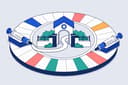 YeztugoA twice-yearly HIV-prevention injection, Yeztugo grew quickly from a tiny partial-year launch. Gilead expects about $1 billion in FY2026, making repeat visits and broad insurance coverage the tests.
A twice-yearly HIV-prevention injection, Yeztugo grew quickly from a tiny partial-year launch. Gilead expects about $1 billion in FY2026, making repeat visits and broad insurance coverage the tests.
In plain English
Two clinic visits a year replace the chore of remembering a pill every morning. Yeztugo is given as an injection to help people without HIV avoid infection; that preventive treatment is often shortened to PrEP.
Clinics and pharmacies get paid when eligible people are tested, covered by an insurer and given each dose. The long gap between injections is the attraction, but the sale repeats only if patients return on schedule and clinics can handle them. The spectacular growth is partly the arithmetic of moving beyond a short launch period.
Competes with Apretude · injection every two months (ViiV Healthcare/GSK) · Generic medicines · daily prevention pill (Multiple manufacturers)
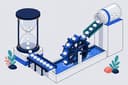 Epclusa and VemlidyThese two liver medicines made $2.342 billion in FY2025 but behave differently: Epclusa cures hepatitis C in a finite course and is shrinking, while recurring Vemlidy treatment for hepatitis B is growing.
These two liver medicines made $2.342 billion in FY2025 but behave differently: Epclusa cures hepatitis C in a finite course and is shrinking, while recurring Vemlidy treatment for hepatitis B is growing.
In plain English
One medicine finishes its job; the other keeps coming back. Epclusa is a course of tablets that can cure hepatitis C, so every successful treatment removes a future customer. Vemlidy suppresses hepatitis B rather than curing it, making repeat prescriptions the norm.
Doctors first have to find infected people and connect them with care. Pharmacies and medicine distributors then fill the prescribed course or recurring tablets, with insurers deciding access. Epclusa's remaining pool naturally thins as people are cured, while Vemlidy depends on patients staying on long-term treatment.
Competes with Mavyret · hepatitis C cure (AbbVie) · Baraclude and generic entecavir · hepatitis B treatment (Bristol Myers Squibb/Multiple manufacturers)
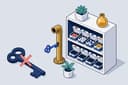 LivdelziA newer pill for a rare bile-duct disease, Livdelzi reached about $374 million in estimated FY2025 sales. Its early 2026 climb continued, but wider use still depends on diagnosis and follow-up evidence.
A newer pill for a rare bile-duct disease, Livdelzi reached about $374 million in estimated FY2025 sales. Its early 2026 climb continued, but wider use still depends on diagnosis and follow-up evidence.
In plain English
Think of it as the second key tried when the usual key does not open the door. Livdelzi is a daily pill for primary biliary cholangitis, a long-lasting bile-duct disease, when the standard first treatment is not enough.
Liver specialists prescribe it, specialty pharmacies fill it and insurers decide whether patients can get it. Because the condition lasts, a patient who responds can bring recurring sales. The launch is still small beside Gilead's HIV business, and continued success depends on finding eligible patients and confirming the medicine's benefit.
Competes with Iqirvo · second-choice bile-duct treatment (Ipsen) · Lynavoy · bile-duct disease itch treatment (GSK)
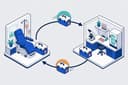 Cell Therapy — Yescarta and TecartusThese personalized blood-cancer treatments are made from each patient's own immune cells. First-half 2026 sales fell 13%, as the business depends on hospital referrals, factory slots and a fragile round trip for every dose.
These personalized blood-cancer treatments are made from each patient's own immune cells. First-half 2026 sales fell 13%, as the business depends on hospital referrals, factory slots and a fragile round trip for every dose.
In plain English
This is medicine built one person at a time. A hospital removes some of a cancer patient's immune cells, Gilead rewires them to recognize the cancer, tests them and sends them back for infusion. The finished dose cannot be taken from a general shelf.
Hospitals pay for each completed treatment, but first the patient must qualify, remain well enough and secure coverage. Couriers, factory capacity and quality checks all have to line up. Each sale is valuable, yet growth can stall when rival treatments win referrals or the chain cannot move another patient's cells through quickly enough.
Competes with Breyanzi · blood-cancer cell therapy (Bristol Myers Squibb) · Kymriah · blood-cancer cell therapy (Novartis)
 anito-celA personalized immune-cell treatment awaiting a U.S. decision, anito-cel is Gilead's attempt to restart cell-therapy growth. Gilead paid about $6.4 billion in 2026 for Arcellx; approval and hospital readiness come before sales.
A personalized immune-cell treatment awaiting a U.S. decision, anito-cel is Gilead's attempt to restart cell-therapy growth. Gilead paid about $6.4 billion in 2026 for Arcellx; approval and hospital readiness come before sales.
In plain English
Anito-cel follows the same custom-order journey as Gilead's existing cell treatments, but targets multiple myeloma, a cancer of blood-making cells. A patient's immune cells are collected, altered to hunt the cancer and returned for infusion.
There is no product revenue yet. Gilead bought Arcellx to own the candidate and is preparing treatment centers while regulators review it. Only after approval can activated hospitals order patient-specific doses. The expensive acquisition makes this a major bet: the factories, couriers, insurers and treatment slots all need to work before the first commercial dollar arrives.
Competes with Carvykti · myeloma cell therapy (Johnson & Johnson/Legend Biotech) · Abecma · myeloma cell therapy (Bristol Myers Squibb/2seventy bio)
 TrodelvyTrodelvy carries a cancer-killing drug to certain breast-cancer cells and recently moved into earlier treatment. First-half 2026 sales rose 31%, but failed lung-cancer studies narrowed where the medicine may expand next.
Trodelvy carries a cancer-killing drug to certain breast-cancer cells and recently moved into earlier treatment. First-half 2026 sales rose 31%, but failed lung-cancer studies narrowed where the medicine may expand next.
In plain English
Picture a parcel that opens only at a particular address. Trodelvy joins a cancer-killing drug to an antibody, a protein shaped to latch onto a marker found on some cancer cells, helping deliver the drug where it is wanted.
Cancer centers buy it for repeated infusions after doctors identify eligible people and insurers authorize treatment. Recent approvals let some people with breast cancer that has spread receive it earlier, widening the paying pool. Eligibility still narrows that pool, and competing targeted medicines are fighting for many of the same patients.
Competes with Datroway · targeted breast-cancer medicine (Daiichi Sankyo/AstraZeneca) · Enhertu · targeted breast-cancer medicine (Daiichi Sankyo/AstraZeneca)
Named in filings, launches and programs
- VekluryProductThe hospital COVID medicine supplied 3.1% of FY2025 revenue, but Q2 2026 sales collapsed with episodic hospital demand.
- Sunlenca and other HIV productsProduct lineA multidrug-resistant HIV treatment plus older brands; together they supplied roughly 1.2% of FY2025 revenue after separating Yeztugo.
- Hepcludex and other liver productsProduct lineHepcludex gained U.S. approval in May 2026; it sits with older hepatitis medicines worth roughly 1.7% of FY2025 revenue.
- AmBisome and other productsProduct lineAmBisome, for serious fungal infections, leads this remaining commercial tail, which supplied 2.7% of FY2025 revenue.
- Royalty, contract and other revenuesServicePayments from licensed inventions, sales of rights and research partnerships supplied 1.8% of FY2025 revenue, with an uneven rhythm.
- BixlenvoProductA once-daily combination pill approved in August 2026 for certain adults whose HIV is already suppressed; no separate sales were available.
- TUB-040 and Tubulis' cancer platformProduct · Pre-revenueAn early targeted cancer-medicine program acquired in 2026, aimed at ovarian and lung cancers; it has no product sales yet.
- gamgertamig and the Ouro/Lakefront programProduct · Pre-revenueAn acquired immune-system treatment program with shared development costs; Gilead keeps the right to sell it but would owe royalties if it succeeds.
- Lenacapavir Global Access ProgramCustomer programA no-profit commitment with global-health funders to supply HIV prevention for millions of people through 2028.
- External early-stage research portfolioProduct · Pre-revenuePartnered programs span weekly HIV pills, cancer, immune disease and immune-cell engineering; none has disclosed product revenue.
VekluryProduct
The hospital COVID medicine supplied 3.1% of FY2025 revenue, but Q2 2026 sales collapsed with episodic hospital demand.
Sunlenca and other HIV productsProduct line
A multidrug-resistant HIV treatment plus older brands; together they supplied roughly 1.2% of FY2025 revenue after separating Yeztugo.
Hepcludex and other liver productsProduct line
Hepcludex gained U.S. approval in May 2026; it sits with older hepatitis medicines worth roughly 1.7% of FY2025 revenue.
AmBisome and other productsProduct line
AmBisome, for serious fungal infections, leads this remaining commercial tail, which supplied 2.7% of FY2025 revenue.
Royalty, contract and other revenuesService
Payments from licensed inventions, sales of rights and research partnerships supplied 1.8% of FY2025 revenue, with an uneven rhythm.
BixlenvoProduct
A once-daily combination pill approved in August 2026 for certain adults whose HIV is already suppressed; no separate sales were available.
TUB-040 and Tubulis' cancer platformProduct · Pre-revenue
An early targeted cancer-medicine program acquired in 2026, aimed at ovarian and lung cancers; it has no product sales yet.
gamgertamig and the Ouro/Lakefront programProduct · Pre-revenue
An acquired immune-system treatment program with shared development costs; Gilead keeps the right to sell it but would owe royalties if it succeeds.
Lenacapavir Global Access ProgramCustomer program
A no-profit commitment with global-health funders to supply HIV prevention for millions of people through 2028.
External early-stage research portfolioProduct · Pre-revenue
Partnered programs span weekly HIV pills, cancer, immune disease and immune-cell engineering; none has disclosed product revenue.