
Humana (HUM)
Medicare-focused insurer integrating CenterWell pharmacy, primary care and home services.
Something off on this page? Send us feedback.
Humana sells health coverage to older Americans and then, increasingly, owns the clinics and pharmacies that care for them. Almost all of its money arrives from government programs — Medicare above all — which pay a set amount per member each month and let Humana keep what it does not spend on care. Quality scores slipped, profits fell hard, and the company is now trying to earn that back while its care arm keeps growing.
Item facts: FY2025 · year ended Dec 31, 2025, from filings, earnings calls and company pages.
Judgment weights, not filed revenue
The band summarizes business focus and direction. ~ marks estimates.
8 in detail · 10 more below

Individual Medicare Advantage
The engine: 5.25 million seniors who chose a Humana plan themselves, and about seven in every ten revenue dollars. A quality-score downgrade costs roughly $3.5 billion in 2026, and plans covering about 600,000 members are being dropped for 2027.
Competes with UnitedHealthcare Medicare Advantage (UnitedHealth Group) · Aetna Medicare Advantage (CVS Health) · Wellpoint Medicare Advantage (Elevance Health)
In plain English
Turning 65 in America means choosing how Medicare reaches you: the government's own version, or a private plan that takes over the job. Humana sells the private kind, under names like Humana Gold Plus, HumanaChoice and, in Florida, CarePlus.
The money works like a subscription the government pays on your behalf. Medicare sends a fixed sum every month for each member, larger for sicker members, and Humana keeps whatever is left after paying doctors and hospitals. Spend less than expected and it is a good year; spend more and it is not. Roughly one in five of these members lives in Florida, and across the whole company about 83 cents of every premium dollar comes from a federal government contract.

Group Medicare Advantage
Retiree coverage sold to employers and union trusts instead of to individuals — 568,000 members and about $9 billion of premiums. Renewals are negotiated in bulk, so price repairs arrive in lumps rather than one member at a time.
Competes with Group retiree Medicare plans (UnitedHealth Group) · Aetna group retiree plans (CVS Health)
In plain English
Big employers and union trusts still promise health coverage to people who have already retired. Rather than run that promise themselves, they hand the job to an insurer, and Humana is one of the insurers they hand it to.
One contract can carry thousands of retirees at once, so the deal gets struck across a table with the employer's benefits staff, not sold plan by plan during Medicare's autumn sign-up season. Humana is paid monthly for every retiree covered and keeps what it does not spend on their care — the same arithmetic as its individual plans, just bought wholesale.
Humana Healthy Horizons
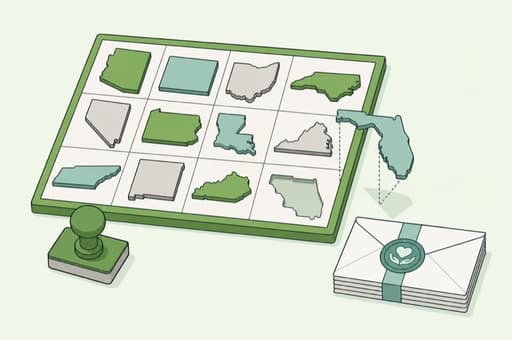
Medicaid coverage run for ten states, 1.6 million members, and growing by winning new states while the national Medicaid rolls shrink. A statewide Illinois contract starts January 2027; these awards get re-bid and can be lost outright.
Competes with Centene Medicaid plans (Centene) · Medicaid managed care plans (Molina Healthcare) · UnitedHealthcare Community & State (UnitedHealth Group)
In plain English
Every state buys health coverage for its lower-income residents, and most hire private insurers to run it. Humana bids for those jobs and brands what it wins Humana Healthy Horizons.
The state pays a set amount per person per month; Humana lines up the doctors and the home-care aides and keeps the difference. Much of its book is the long-term-support kind — people who need help with everyday living rather than the occasional appointment. The catch sits in the contract itself. States put these out to tender on a cycle, and losing one removes an entire state's members in a single stroke.
TRICARE East Region
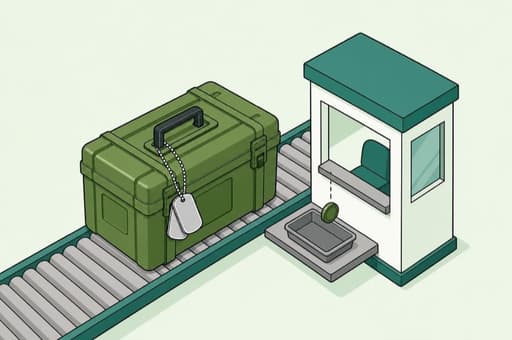
Humana runs the military health benefit across 24 states and Washington DC for 4.6 million people — nearly a third of its members, under 1% of its revenue. Awarded at an estimated $70.9 billion; it renews one year at a time.
Competes with TRICARE West Region contract (TriWest Healthcare Alliance) · Health Net Federal Services (Centene)
In plain English
The Defense Department does not run an insurance company of its own. It hires one per region to assemble the doctor network, process the claims and keep the paperwork moving for the military community it covers. Humana holds the eastern half of the country.
Almost none of the money flowing through is Humana's to keep: the government pays for the care itself, and Humana earns an administrator's fee for doing the work. That is why 4.6 million people show up in the membership count and barely register in revenue. The Pentagon renewed the deal again in December 2025, and it can decline to renew any year.
CenterWell Pharmacy Solutions
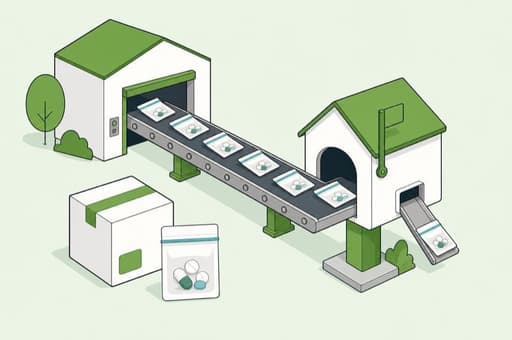
Mail-order and specialty dispensing, about $13 billion of prescriptions a year, with 91% of it billed to Humana's own health plans. The question is whether outside customers ever amount to more than a rounding error.
Competes with Optum Rx home delivery and specialty (UnitedHealth Group) · CVS Caremark mail and specialty pharmacy (CVS Health) · Accredo specialty pharmacy (Cigna)
In plain English
Picture a very large warehouse pharmacy: prescriptions come in, pharmacists fill them, and the medicines go out by post, month after month, to people who take the same pills for years. The expensive, complicated drugs ship from the same operation.
Who pays? Mostly Humana. When a Humana member fills a prescription here, the insurance side pays the pharmacy side, and money that would have left for an outside chain stays in the house. A thin slice comes from elsewhere — it fills cash-paid weight-loss prescriptions ordered through an outside partner — but capturing its own members' drug spending is the whole idea.
CenterWell Senior Primary Care
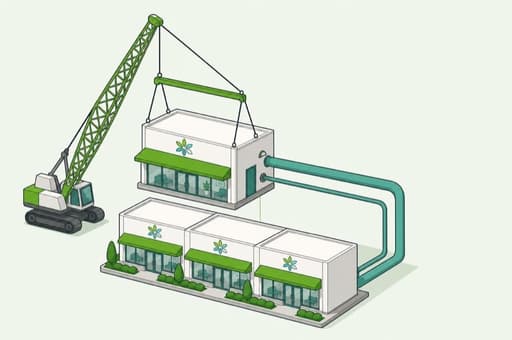
Roughly 350 senior clinics across 15 states, about $6 billion of care a year, near two-thirds of it paid for by Humana's own plans. The rest comes from rival insurers, so it serves and fights UnitedHealth and CVS at the same time.
Competes with Oak Street Health clinics (CVS Health) · WellMed primary care (UnitedHealth Group) · VillageMD clinics (VillageMD)
In plain English
These are doctors' offices built for older patients: a small pharmacy at the front, staff who follow up when a check-up gets missed. Humana owns about 350 of them and has been buying more.
A clinic here is not paid per visit. It receives a fixed monthly sum for each patient on its list and is expected to keep that patient well, so it earns more by preventing a hospital stay than by booking another appointment. Most of those patients are Humana's own members, which is the point — healthier members make the insurance side's numbers work. Competing insurers pay for their patients too.
CenterWell Home Solutions
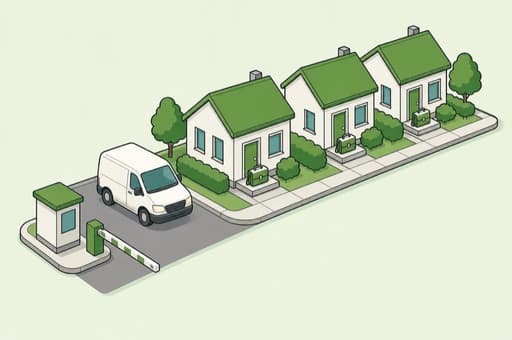
Home health nursing across 37 states, about $3.5 billion a year, most of it for Humana's own members — the remainder of a bigger home business Humana has been selling down. Medicare resets what it pays for these visits every year.
Competes with Amedisys home health (UnitedHealth Group) · Enhabit home health (Enhabit) · BrightSpring home care (BrightSpring Health Services)
In plain English
Nurses and therapists who go to the patient instead of the patient coming to them, usually after a hospital stay.
Medicare pays for a defined stretch of that care, and Humana's own health plans send much of the work through the door, so this line grows roughly in step with how many Medicare members the insurance side signs up. The rate is not Humana's to set: each year Medicare publishes what it will pay for home health, and that announcement moves this business more than anything decided inside the company. Its closest rival now sits inside UnitedHealth.
Medicare stand-alone drug plans
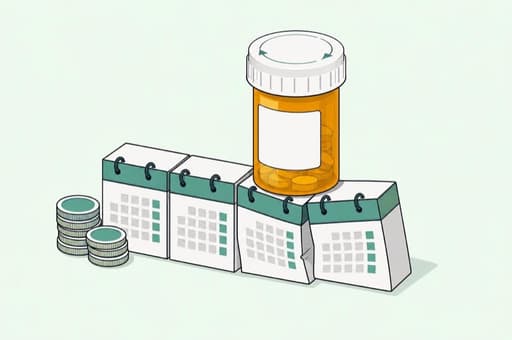
Drug-only plans for people who keep original Medicare — 2.46 million members, about $6.8 billion of premiums. A federal drug-pricing law rewrote the economics and now throws the year's losses into the back half.
Competes with SilverScript drug plans (CVS Health) · Wellcare Value Script (Centene)
In plain English
Some people keep original Medicare and buy only the prescription part separately. That is this product: no doctor network, no hospital cover, just the drug bill.
Members and the government each pay in monthly, and Humana pays whatever the pharmacy counter demands. A federal drug-pricing law changed when those costs land during the year — light early, heavy late — which is why Humana's profit runs strong in the first quarter and turns into a loss by the fourth. Humana has also taken back the drug risk it once passed to doctor groups, having decided the swings were too wild for them to carry.


 Individual Medicare AdvantageThe engine: 5.25 million seniors who chose a Humana plan themselves, and about seven in every ten revenue dollars. A quality-score downgrade costs roughly $3.5 billion in 2026, and plans covering about 600,000 members are being dropped for 2027.
The engine: 5.25 million seniors who chose a Humana plan themselves, and about seven in every ten revenue dollars. A quality-score downgrade costs roughly $3.5 billion in 2026, and plans covering about 600,000 members are being dropped for 2027.
In plain English
Turning 65 in America means choosing how Medicare reaches you: the government's own version, or a private plan that takes over the job. Humana sells the private kind, under names like Humana Gold Plus, HumanaChoice and, in Florida, CarePlus.
The money works like a subscription the government pays on your behalf. Medicare sends a fixed sum every month for each member, larger for sicker members, and Humana keeps whatever is left after paying doctors and hospitals. Spend less than expected and it is a good year; spend more and it is not. Roughly one in five of these members lives in Florida, and across the whole company about 83 cents of every premium dollar comes from a federal government contract.
Competes with UnitedHealthcare Medicare Advantage (UnitedHealth Group) · Aetna Medicare Advantage (CVS Health) · Wellpoint Medicare Advantage (Elevance Health)
 Group Medicare AdvantageRetiree coverage sold to employers and union trusts instead of to individuals — 568,000 members and about $9 billion of premiums. Renewals are negotiated in bulk, so price repairs arrive in lumps rather than one member at a time.
Retiree coverage sold to employers and union trusts instead of to individuals — 568,000 members and about $9 billion of premiums. Renewals are negotiated in bulk, so price repairs arrive in lumps rather than one member at a time.
In plain English
Big employers and union trusts still promise health coverage to people who have already retired. Rather than run that promise themselves, they hand the job to an insurer, and Humana is one of the insurers they hand it to.
One contract can carry thousands of retirees at once, so the deal gets struck across a table with the employer's benefits staff, not sold plan by plan during Medicare's autumn sign-up season. Humana is paid monthly for every retiree covered and keeps what it does not spend on their care — the same arithmetic as its individual plans, just bought wholesale.
Competes with Group retiree Medicare plans (UnitedHealth Group) · Aetna group retiree plans (CVS Health)
 Humana Healthy HorizonsMedicaid coverage run for ten states, 1.6 million members, and growing by winning new states while the national Medicaid rolls shrink. A statewide Illinois contract starts January 2027; these awards get re-bid and can be lost outright.
Medicaid coverage run for ten states, 1.6 million members, and growing by winning new states while the national Medicaid rolls shrink. A statewide Illinois contract starts January 2027; these awards get re-bid and can be lost outright.
In plain English
Every state buys health coverage for its lower-income residents, and most hire private insurers to run it. Humana bids for those jobs and brands what it wins Humana Healthy Horizons.
The state pays a set amount per person per month; Humana lines up the doctors and the home-care aides and keeps the difference. Much of its book is the long-term-support kind — people who need help with everyday living rather than the occasional appointment. The catch sits in the contract itself. States put these out to tender on a cycle, and losing one removes an entire state's members in a single stroke.
Competes with Centene Medicaid plans (Centene) · Medicaid managed care plans (Molina Healthcare) · UnitedHealthcare Community & State (UnitedHealth Group)
 TRICARE East RegionHumana runs the military health benefit across 24 states and Washington DC for 4.6 million people — nearly a third of its members, under 1% of its revenue. Awarded at an estimated $70.9 billion; it renews one year at a time.
Humana runs the military health benefit across 24 states and Washington DC for 4.6 million people — nearly a third of its members, under 1% of its revenue. Awarded at an estimated $70.9 billion; it renews one year at a time.
In plain English
The Defense Department does not run an insurance company of its own. It hires one per region to assemble the doctor network, process the claims and keep the paperwork moving for the military community it covers. Humana holds the eastern half of the country.
Almost none of the money flowing through is Humana's to keep: the government pays for the care itself, and Humana earns an administrator's fee for doing the work. That is why 4.6 million people show up in the membership count and barely register in revenue. The Pentagon renewed the deal again in December 2025, and it can decline to renew any year.
Competes with TRICARE West Region contract (TriWest Healthcare Alliance) · Health Net Federal Services (Centene)
 CenterWell Pharmacy SolutionsMail-order and specialty dispensing, about $13 billion of prescriptions a year, with 91% of it billed to Humana's own health plans. The question is whether outside customers ever amount to more than a rounding error.
Mail-order and specialty dispensing, about $13 billion of prescriptions a year, with 91% of it billed to Humana's own health plans. The question is whether outside customers ever amount to more than a rounding error.
In plain English
Picture a very large warehouse pharmacy: prescriptions come in, pharmacists fill them, and the medicines go out by post, month after month, to people who take the same pills for years. The expensive, complicated drugs ship from the same operation.
Who pays? Mostly Humana. When a Humana member fills a prescription here, the insurance side pays the pharmacy side, and money that would have left for an outside chain stays in the house. A thin slice comes from elsewhere — it fills cash-paid weight-loss prescriptions ordered through an outside partner — but capturing its own members' drug spending is the whole idea.
Competes with Optum Rx home delivery and specialty (UnitedHealth Group) · CVS Caremark mail and specialty pharmacy (CVS Health) · Accredo specialty pharmacy (Cigna)
 CenterWell Senior Primary CareRoughly 350 senior clinics across 15 states, about $6 billion of care a year, near two-thirds of it paid for by Humana's own plans. The rest comes from rival insurers, so it serves and fights UnitedHealth and CVS at the same time.
Roughly 350 senior clinics across 15 states, about $6 billion of care a year, near two-thirds of it paid for by Humana's own plans. The rest comes from rival insurers, so it serves and fights UnitedHealth and CVS at the same time.
In plain English
These are doctors' offices built for older patients: a small pharmacy at the front, staff who follow up when a check-up gets missed. Humana owns about 350 of them and has been buying more.
A clinic here is not paid per visit. It receives a fixed monthly sum for each patient on its list and is expected to keep that patient well, so it earns more by preventing a hospital stay than by booking another appointment. Most of those patients are Humana's own members, which is the point — healthier members make the insurance side's numbers work. Competing insurers pay for their patients too.
Competes with Oak Street Health clinics (CVS Health) · WellMed primary care (UnitedHealth Group) · VillageMD clinics (VillageMD)
 CenterWell Home SolutionsHome health nursing across 37 states, about $3.5 billion a year, most of it for Humana's own members — the remainder of a bigger home business Humana has been selling down. Medicare resets what it pays for these visits every year.
Home health nursing across 37 states, about $3.5 billion a year, most of it for Humana's own members — the remainder of a bigger home business Humana has been selling down. Medicare resets what it pays for these visits every year.
In plain English
Nurses and therapists who go to the patient instead of the patient coming to them, usually after a hospital stay.
Medicare pays for a defined stretch of that care, and Humana's own health plans send much of the work through the door, so this line grows roughly in step with how many Medicare members the insurance side signs up. The rate is not Humana's to set: each year Medicare publishes what it will pay for home health, and that announcement moves this business more than anything decided inside the company. Its closest rival now sits inside UnitedHealth.
Competes with Amedisys home health (UnitedHealth Group) · Enhabit home health (Enhabit) · BrightSpring home care (BrightSpring Health Services)
 Medicare stand-alone drug plansDrug-only plans for people who keep original Medicare — 2.46 million members, about $6.8 billion of premiums. A federal drug-pricing law rewrote the economics and now throws the year's losses into the back half.
Drug-only plans for people who keep original Medicare — 2.46 million members, about $6.8 billion of premiums. A federal drug-pricing law rewrote the economics and now throws the year's losses into the back half.
In plain English
Some people keep original Medicare and buy only the prescription part separately. That is this product: no doctor network, no hospital cover, just the drug bill.
Members and the government each pay in monthly, and Humana pays whatever the pharmacy counter demands. A federal drug-pricing law changed when those costs land during the year — light early, heavy late — which is why Humana's profit runs strong in the first quarter and turns into a loss by the fourth. Humana has also taken back the drug risk it once passed to doctor groups, having decided the swings were too wild for them to carry.
Competes with SilverScript drug plans (CVS Health) · Wellcare Value Script (Centene)
Named in filings, launches and programs
- Medicare SupplementProduct lineTop-up cover for people on original Medicare: about 498,000 members and $1.1 billion of premiums — small, steady, not where the growth is.
- Specialty benefitsProduct lineDental, vision, life and disability cover sold alongside the medical plans; about $989 million of premiums in 2025.
- Humana Gold Plus, HumanaChoice and Humana CommunityBrandThe plan names individual Medicare coverage is actually sold under — different doctor-network arrangements, same monthly payment from Medicare behind them.
- CarePlusBrandFlorida Medicare plans built around members with chronic illness; moved onto Humana's main computer systems in 2026, with the brand kept.
- MaxHealthBrandFifty-four Florida primary care clinics with more than 120,000 patients, bought in February 2026 for about $908 million and folded into CenterWell.
- The Villages HealthBrandFlorida retirement-community clinics bought out of bankruptcy in late 2025; the pre-sale estate carries a $541.5 million settlement over old diagnosis coding.
- iCareBrandWisconsin health plan subsidiary, selected in August 2026 for the state's Family Care and Family Care Partnership contracts.
- LI-NETCustomer programA Medicare programme Humana has administered since 2010, covering drugs for low-income people in the gap before their permanent plan begins.
- Go365 for Humana Healthy HorizonsEcosystemState-by-state member rewards attached to the Medicaid plans, run under the Go365 name.
- Welsh Carson clinic partnershipCustomer programThe outside partner co-funding batches of new senior clinics; buying out its share could cost roughly $1.0–1.5 billion in 2027.
Medicare SupplementProduct line
Top-up cover for people on original Medicare: about 498,000 members and $1.1 billion of premiums — small, steady, not where the growth is.
Specialty benefitsProduct line
Dental, vision, life and disability cover sold alongside the medical plans; about $989 million of premiums in 2025.
Humana Gold Plus, HumanaChoice and Humana CommunityBrand
The plan names individual Medicare coverage is actually sold under — different doctor-network arrangements, same monthly payment from Medicare behind them.
CarePlusBrand
Florida Medicare plans built around members with chronic illness; moved onto Humana's main computer systems in 2026, with the brand kept.
MaxHealthBrand
Fifty-four Florida primary care clinics with more than 120,000 patients, bought in February 2026 for about $908 million and folded into CenterWell.
The Villages HealthBrand
Florida retirement-community clinics bought out of bankruptcy in late 2025; the pre-sale estate carries a $541.5 million settlement over old diagnosis coding.
iCareBrand
Wisconsin health plan subsidiary, selected in August 2026 for the state's Family Care and Family Care Partnership contracts.
LI-NETCustomer program
A Medicare programme Humana has administered since 2010, covering drugs for low-income people in the gap before their permanent plan begins.
Go365 for Humana Healthy HorizonsEcosystem
State-by-state member rewards attached to the Medicaid plans, run under the Go365 name.
Welsh Carson clinic partnershipCustomer program
The outside partner co-funding batches of new senior clinics; buying out its share could cost roughly $1.0–1.5 billion in 2027.