
LPL Financial (LPLA)
Runs brokerage, advisory, custody, and technology infrastructure for independent financial professionals.
Something off on this page? Send us feedback.
LPL Financial is the machinery behind tens of thousands of financial advisors it mostly does not employ. It holds the client accounts, runs the paperwork and supplies the investment menu, while the advisors keep the client relationships and most of what those clients pay. So the headline revenue is largely money in transit; the profit hides in the quieter lines. And the company keeps buying its way bigger.
Item facts: 1H FY2026 · six months ended June 30, 2026, from filings, earnings calls and company pages.
Judgment weights, not filed revenue
The band summarizes business focus and direction. ~ marks estimates.
8 in detail · 16 more below
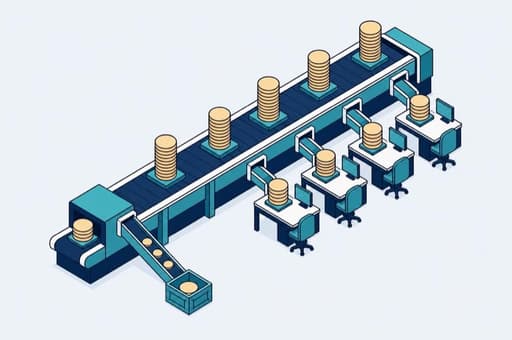
Advisory platforms
The largest line by a distance: accounts billed a yearly percentage of whatever sits in them. Advisory money reached $1.5 trillion by mid-2026, just over sixty percent of all client assets. Nearly 90 cents of every advisory-and-commission dollar goes straight back out as advisor pay.
Competes with Managed-account platforms (Ameriprise Financial) · Osaic advisory platform (Osaic)
In plain English
Picture a financial advisor who runs their own shop but not their own plumbing. LPL supplies the menu of funds, the account paperwork, the trading and the statements; the advisor supplies the client.
The client agrees to pay a yearly fee — a small percentage of the money in the account — instead of paying every time something is bought or sold. That fee arrives at LPL, LPL keeps a slice and sends the rest on to the advisor. Because the charge is tied to the size of the pot, the line rises with markets and with every new client brought across: client assets fell early in 2026 and then rose ten percent as markets recovered.
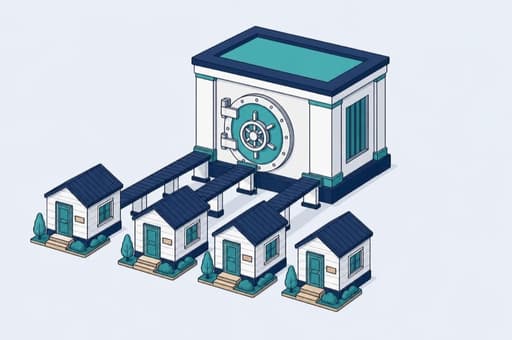
Enhanced RIA offering
For advice firms that are their own regulated business, LPL simply holds the accounts and keeps the records. About 600 of them today, against a pool management sizes at roughly $5 trillion. Schwab and Fidelity have long been the big holders of this money.
Competes with Schwab Advisor Services custody (Charles Schwab) · Fidelity Institutional custody (Fidelity) · Altruist custody platform (Altruist Financial)
In plain English
Some advisors go a step further than working under LPL's licence: they set up their own advice company, with their own name on the paperwork and their own duties to clients. They still need somewhere safe to keep the money and someone to do the record-keeping.
That safekeeping is what LPL sells here — the vault and the plumbing, not the advice. The company it keeps is the hard part: Schwab and Fidelity have run this business at far larger scale, and together with Pershing and LPL they hold roughly five sixths of the assets these firms keep with a custodian. A cheap newcomer, Altruist, has been signing up thousands of advisors.
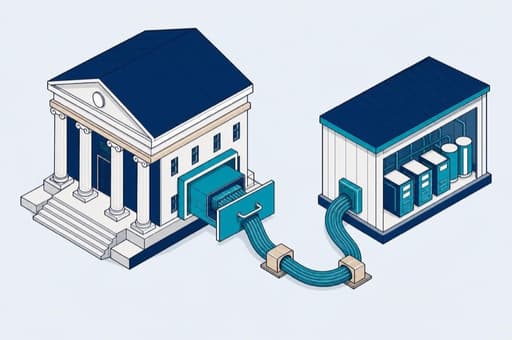
Institution Services
Banks and credit unions that want a wealth arm without building one rent LPL's. Prudential Advisors is the largest partner, with First Horizon, Wintrust, M&T, BMO and CUNA Brokerage alongside. Wins arrive in lumps: one signing can more than double a quarter's growth rate.
Competes with Cetera Investment Services institutional program (Cetera Financial Group) · Osaic Institutions (Osaic)
In plain English
Your local bank probably offers investment accounts. Behind that desk, quite often, is not the bank at all.
LPL runs the whole wealth operation for banks and credit unions that would rather not own a brokerage — the licences, the compliance, the technology, the product menu. The institution keeps the customer and the branding; LPL takes a share of the fees and commissions those customers generate, plus the spread on their idle cash. The deals are enormous and irregular: Prudential's advisor force brought about $63 billion, First Horizon $18 billion. With Prudential in it, one quarter grew at seventeen percent a year; without, about seven. Management sizes the large-bank pool at a trillion dollars.

Commonwealth Financial Network
The $2.7 billion commitment: about 2,900 independent advisors and $285 billion of assets, bought in 2025. They move onto LPL's systems in late 2026, and how many sign decides whether the promised ~$435 million a year of added earnings turns up.
Competes with Financial Services brokerage (Raymond James) · Franchise advisor group (Ameriprise Financial) · Advisor network (Cetera Financial Group)
In plain English
Buying a rival advisor network is nothing like buying a factory. You get the name, the systems and the contracts — but the advisors are self-employed and can walk, and rivals were reported to be offering them 125% of the revenue they had generated over the past year to do exactly that.
So LPL paid roughly $2.7 billion in cash for Commonwealth, then the biggest independently owned wealth manager in the country, and spent the following year persuading its advisors to sign on, with the switch of systems set for late 2026. Signed assets have climbed from nearly eighty percent to the mid-eighties against an unchanged ninety percent target — and management's language about getting there has been softening, not hardening.
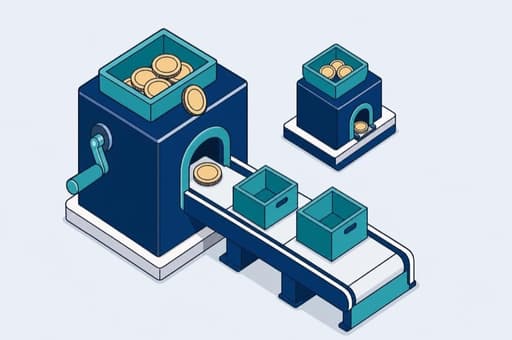
Brokerage commission shelf
Commissions on things sold — annuities, mutual funds, shares, bonds, insurance. Almost a quarter of revenue, split between one-off payments at the sale and smaller yearly payments that follow. Its share keeps shrinking as fee-based accounts take over.
Competes with Osaic product shelf (Osaic) · Cetera product shelf (Cetera Financial Group) · Financial Services brokerage shelf (Raymond James)
In plain English
The older way of paying for financial advice: you buy the product, the product pays the person who sold it. An insurance contract that pays an income later, a fund, a bond — each carries a commission, and many of them keep paying a smaller amount each year for as long as the client holds on.
LPL sits in the middle of those payments, forwarding most to the advisor and keeping the rest. The two halves behave differently — the payment at the point of sale swings with how much advisors sell, while the yearly trailing payment behaves more like rent. There was still $977.9 billion of client money in these accounts at the end of 2025. It is not dying; it is being out-grown.
Client cash programs
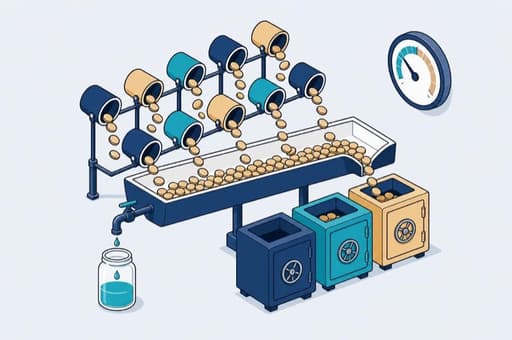
The cash clients have not invested yet, parked at partner banks with LPL keeping the gap between what those banks pay and what clients get. Under nine cents of every revenue dollar, but roughly 28% of what is left once advisors are paid.
Competes with Bank Sweep (Charles Schwab) · Bank Deposit Program (Raymond James)
In plain English
Every investment account has money just sitting there — between selling one thing and buying the next, or simply held back. Across the roughly eight million people behind LPL's advisors, that idle cash has been running somewhere around $57 to $61 billion.
LPL sweeps it into deposit accounts at partner banks, which want the deposits and pay for them. The client gets a modest rate, LPL keeps most of the difference, and almost none of it goes to the advisor — which is how a line worth well under a tenth of revenue throws off close to three tenths of the profit. The catch is obvious: when the Fed cuts, the gap narrows. LPL fixes the rate on roughly half to two thirds of the balances to soften that.
Sponsor payments and recordkeeping
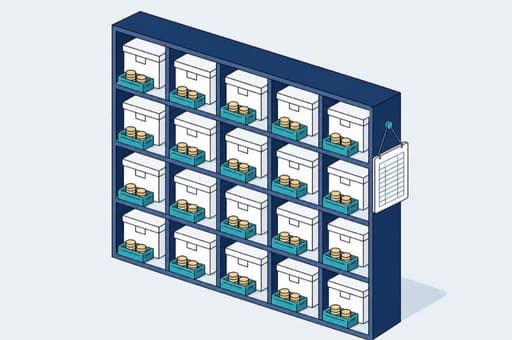
Fund and ETF companies pay LPL for space on its menu and for tracking who owns what. Only 7.6% of revenue, but about a quarter of what is left after advisors are paid, and it grew 29% year-over-year in late 2025.
Competes with Osaic sponsor programs (Osaic) · Cetera sponsor programs (Cetera Financial Group) · Fund-platform fees (Charles Schwab)
In plain English
Here the customer is not the investor at all. It is the fund company.
When a fund manager wants its products available to LPL's 32,000-plus advisors, it pays for that access — an amount tied to how much of its fund gets sold or held on the platform. LPL is paid separately for the clerical work of tracking which client owns which fund. It is roughly a supermarket charging brands for the shelf at eye level, then charging again to count the stock. Barely any of it is shared with advisors, and it swells automatically as client assets swell — up to $2.6 trillion. LPL's own brochures disclose the arrangement as a conflict of interest.
Service fees and LPL Business Solutions
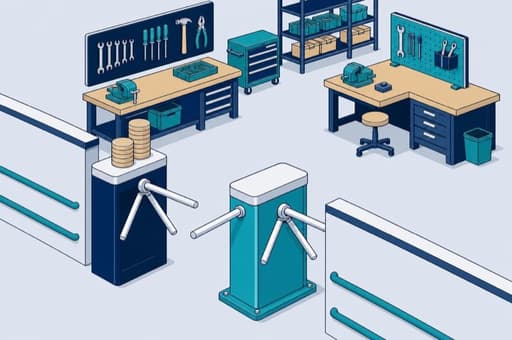
Flat charges on advisors and accounts rather than on assets, plus back-office work sold to advisors. Two 2026 price rises added about $40 million a quarter between them. The thing to watch is whether advisors start leaving over it.
Competes with Advisor platform fees (Osaic) · Advisor platform fees (Cetera Financial Group) · Low-cost custody platform (Altruist Financial)
In plain English
The one line management can move by decision rather than by market. Alongside everything charged as a percentage of assets, LPL bills advisors and accounts flat fees: for using the platform, for holding a retirement account, for coming to the annual conference.
It also sells advisors the services they would otherwise buy elsewhere — admin, marketing, a part-time finance chief, help buying or selling a practice. All of it comes out of the advisor's own share, which is what makes raising prices delicate. LPL lifted brokerage account fees in early 2026 and mutual fund fees a quarter later, worth about $40 million a quarter together, then watched to see whether advisor behaviour changed.


 Advisory platformsThe largest line by a distance: accounts billed a yearly percentage of whatever sits in them. Advisory money reached $1.5 trillion by mid-2026, just over sixty percent of all client assets. Nearly 90 cents of every advisory-and-commission dollar goes straight back out as advisor pay.
The largest line by a distance: accounts billed a yearly percentage of whatever sits in them. Advisory money reached $1.5 trillion by mid-2026, just over sixty percent of all client assets. Nearly 90 cents of every advisory-and-commission dollar goes straight back out as advisor pay.
In plain English
Picture a financial advisor who runs their own shop but not their own plumbing. LPL supplies the menu of funds, the account paperwork, the trading and the statements; the advisor supplies the client.
The client agrees to pay a yearly fee — a small percentage of the money in the account — instead of paying every time something is bought or sold. That fee arrives at LPL, LPL keeps a slice and sends the rest on to the advisor. Because the charge is tied to the size of the pot, the line rises with markets and with every new client brought across: client assets fell early in 2026 and then rose ten percent as markets recovered.
Competes with Managed-account platforms (Ameriprise Financial) · Osaic advisory platform (Osaic)
 Enhanced RIA offeringFor advice firms that are their own regulated business, LPL simply holds the accounts and keeps the records. About 600 of them today, against a pool management sizes at roughly $5 trillion. Schwab and Fidelity have long been the big holders of this money.
For advice firms that are their own regulated business, LPL simply holds the accounts and keeps the records. About 600 of them today, against a pool management sizes at roughly $5 trillion. Schwab and Fidelity have long been the big holders of this money.
In plain English
Some advisors go a step further than working under LPL's licence: they set up their own advice company, with their own name on the paperwork and their own duties to clients. They still need somewhere safe to keep the money and someone to do the record-keeping.
That safekeeping is what LPL sells here — the vault and the plumbing, not the advice. The company it keeps is the hard part: Schwab and Fidelity have run this business at far larger scale, and together with Pershing and LPL they hold roughly five sixths of the assets these firms keep with a custodian. A cheap newcomer, Altruist, has been signing up thousands of advisors.
Competes with Schwab Advisor Services custody (Charles Schwab) · Fidelity Institutional custody (Fidelity) · Altruist custody platform (Altruist Financial)
 Institution ServicesBanks and credit unions that want a wealth arm without building one rent LPL's. Prudential Advisors is the largest partner, with First Horizon, Wintrust, M&T, BMO and CUNA Brokerage alongside. Wins arrive in lumps: one signing can more than double a quarter's growth rate.
Banks and credit unions that want a wealth arm without building one rent LPL's. Prudential Advisors is the largest partner, with First Horizon, Wintrust, M&T, BMO and CUNA Brokerage alongside. Wins arrive in lumps: one signing can more than double a quarter's growth rate.
In plain English
Your local bank probably offers investment accounts. Behind that desk, quite often, is not the bank at all.
LPL runs the whole wealth operation for banks and credit unions that would rather not own a brokerage — the licences, the compliance, the technology, the product menu. The institution keeps the customer and the branding; LPL takes a share of the fees and commissions those customers generate, plus the spread on their idle cash. The deals are enormous and irregular: Prudential's advisor force brought about $63 billion, First Horizon $18 billion. With Prudential in it, one quarter grew at seventeen percent a year; without, about seven. Management sizes the large-bank pool at a trillion dollars.
Competes with Cetera Investment Services institutional program (Cetera Financial Group) · Osaic Institutions (Osaic)
 Commonwealth Financial NetworkThe $2.7 billion commitment: about 2,900 independent advisors and $285 billion of assets, bought in 2025. They move onto LPL's systems in late 2026, and how many sign decides whether the promised ~$435 million a year of added earnings turns up.
The $2.7 billion commitment: about 2,900 independent advisors and $285 billion of assets, bought in 2025. They move onto LPL's systems in late 2026, and how many sign decides whether the promised ~$435 million a year of added earnings turns up.
In plain English
Buying a rival advisor network is nothing like buying a factory. You get the name, the systems and the contracts — but the advisors are self-employed and can walk, and rivals were reported to be offering them 125% of the revenue they had generated over the past year to do exactly that.
So LPL paid roughly $2.7 billion in cash for Commonwealth, then the biggest independently owned wealth manager in the country, and spent the following year persuading its advisors to sign on, with the switch of systems set for late 2026. Signed assets have climbed from nearly eighty percent to the mid-eighties against an unchanged ninety percent target — and management's language about getting there has been softening, not hardening.
Competes with Financial Services brokerage (Raymond James) · Franchise advisor group (Ameriprise Financial) · Advisor network (Cetera Financial Group)
 Brokerage commission shelfCommissions on things sold — annuities, mutual funds, shares, bonds, insurance. Almost a quarter of revenue, split between one-off payments at the sale and smaller yearly payments that follow. Its share keeps shrinking as fee-based accounts take over.
Commissions on things sold — annuities, mutual funds, shares, bonds, insurance. Almost a quarter of revenue, split between one-off payments at the sale and smaller yearly payments that follow. Its share keeps shrinking as fee-based accounts take over.
In plain English
The older way of paying for financial advice: you buy the product, the product pays the person who sold it. An insurance contract that pays an income later, a fund, a bond — each carries a commission, and many of them keep paying a smaller amount each year for as long as the client holds on.
LPL sits in the middle of those payments, forwarding most to the advisor and keeping the rest. The two halves behave differently — the payment at the point of sale swings with how much advisors sell, while the yearly trailing payment behaves more like rent. There was still $977.9 billion of client money in these accounts at the end of 2025. It is not dying; it is being out-grown.
Competes with Osaic product shelf (Osaic) · Cetera product shelf (Cetera Financial Group) · Financial Services brokerage shelf (Raymond James)
 Client cash programsThe cash clients have not invested yet, parked at partner banks with LPL keeping the gap between what those banks pay and what clients get. Under nine cents of every revenue dollar, but roughly 28% of what is left once advisors are paid.
The cash clients have not invested yet, parked at partner banks with LPL keeping the gap between what those banks pay and what clients get. Under nine cents of every revenue dollar, but roughly 28% of what is left once advisors are paid.
In plain English
Every investment account has money just sitting there — between selling one thing and buying the next, or simply held back. Across the roughly eight million people behind LPL's advisors, that idle cash has been running somewhere around $57 to $61 billion.
LPL sweeps it into deposit accounts at partner banks, which want the deposits and pay for them. The client gets a modest rate, LPL keeps most of the difference, and almost none of it goes to the advisor — which is how a line worth well under a tenth of revenue throws off close to three tenths of the profit. The catch is obvious: when the Fed cuts, the gap narrows. LPL fixes the rate on roughly half to two thirds of the balances to soften that.
Competes with Bank Sweep (Charles Schwab) · Bank Deposit Program (Raymond James)
 Sponsor payments and recordkeepingFund and ETF companies pay LPL for space on its menu and for tracking who owns what. Only 7.6% of revenue, but about a quarter of what is left after advisors are paid, and it grew 29% year-over-year in late 2025.
Fund and ETF companies pay LPL for space on its menu and for tracking who owns what. Only 7.6% of revenue, but about a quarter of what is left after advisors are paid, and it grew 29% year-over-year in late 2025.
In plain English
Here the customer is not the investor at all. It is the fund company.
When a fund manager wants its products available to LPL's 32,000-plus advisors, it pays for that access — an amount tied to how much of its fund gets sold or held on the platform. LPL is paid separately for the clerical work of tracking which client owns which fund. It is roughly a supermarket charging brands for the shelf at eye level, then charging again to count the stock. Barely any of it is shared with advisors, and it swells automatically as client assets swell — up to $2.6 trillion. LPL's own brochures disclose the arrangement as a conflict of interest.
Competes with Osaic sponsor programs (Osaic) · Cetera sponsor programs (Cetera Financial Group) · Fund-platform fees (Charles Schwab)
 Service fees and LPL Business SolutionsFlat charges on advisors and accounts rather than on assets, plus back-office work sold to advisors. Two 2026 price rises added about $40 million a quarter between them. The thing to watch is whether advisors start leaving over it.
Flat charges on advisors and accounts rather than on assets, plus back-office work sold to advisors. Two 2026 price rises added about $40 million a quarter between them. The thing to watch is whether advisors start leaving over it.
In plain English
The one line management can move by decision rather than by market. Alongside everything charged as a percentage of assets, LPL bills advisors and accounts flat fees: for using the platform, for holding a retirement account, for coming to the annual conference.
It also sells advisors the services they would otherwise buy elsewhere — admin, marketing, a part-time finance chief, help buying or selling a practice. All of it comes out of the advisor's own share, which is what makes raising prices delicate. LPL lifted brokerage account fees in early 2026 and mutual fund fees a quarter later, worth about $40 million a quarter together, then watched to see whether advisor behaviour changed.
Competes with Advisor platform fees (Osaic) · Advisor platform fees (Cetera Financial Group) · Low-cost custody platform (Altruist Financial)
Named in filings, launches and programs
- Transaction revenueServicePer-trade charges on client orders: $163.8M in the first half of 2026, about 1.6% of revenue, on record trading volumes.
- Interest income, netServiceLending to clients against their holdings, plus interest on the firm's own money: $91.7M in the first half of 2026, under 1% of revenue.
- LPL Latitude and CyanPlatform · AnnouncedAnnounced July 2026: one combined technology setup for advisors, with a built-in AI assistant called Cyan, on nearly $2 billion of technology spending in recent years.
- Liquidity & Succession programCustomer programLPL buys practices from advisors who want to cash out or retire, keeping the clients on the platform — about $21M across four deals in Q2 2026.
- Linsco by LPL FinancialBrandThe version where the advisor is an LPL employee on a payroll rather than self-employed — one of three expanded ways to affiliate.
- LPL Strategic Wealth ServicesServiceA supported route to independence for advisors leaving the big national brokerage firms, with LPL standing behind the move.
- Traditional independent channelPlatformThe original model: self-employed advisors keeping 80% to 100% of what they bill, paying LPL for the platform underneath.
- Insurance-affiliated advisor channelCustomer programAbout 4,200 advisors licensed through insurance companies run their investment business on LPL's systems.
- LPL ResearchProductIn-house investment research that builds ready-made portfolios for advisors; August 2026's Building Block models took the menu past 70 offerings.
- Mariner Advisor NetworkBrandBought in Q2 2026 as an LPL branch office: 367 advisors and $31B of assets, of which about 144 advisors moved to Private Advisor Group.
- Private Advisor GroupCustomer programAn affiliated advisor group operating on LPL's platform; it absorbed roughly 144 advisors from the Mariner deal in 2026.
- LPL EnterpriseBrandA separate broker-dealer and advice firm inside LPL that runs a deliberately limited product shelf.
- Atria Wealth SolutionsBrandBought in October 2024; now a holding company for the former Atria broker-dealers rather than a brand advisors work under.
- The Private Trust CompanyBrandLPL's trust arm: administering trusts, overseeing investments and acting as custodian for retirement accounts.
- LPL Insurance AssociatesBrandThe in-house agency through which advisors place life and disability cover for their clients.
- Blaze Portfolio SystemsBrandTrading-platform technology that arrived with the Atria purchase, held under the AW Subsidiary company.
Transaction revenueService
Per-trade charges on client orders: $163.8M in the first half of 2026, about 1.6% of revenue, on record trading volumes.
Interest income, netService
Lending to clients against their holdings, plus interest on the firm's own money: $91.7M in the first half of 2026, under 1% of revenue.
LPL Latitude and CyanPlatform · Announced
Announced July 2026: one combined technology setup for advisors, with a built-in AI assistant called Cyan, on nearly $2 billion of technology spending in recent years.
Liquidity & Succession programCustomer program
LPL buys practices from advisors who want to cash out or retire, keeping the clients on the platform — about $21M across four deals in Q2 2026.
Linsco by LPL FinancialBrand
The version where the advisor is an LPL employee on a payroll rather than self-employed — one of three expanded ways to affiliate.
LPL Strategic Wealth ServicesService
A supported route to independence for advisors leaving the big national brokerage firms, with LPL standing behind the move.
Traditional independent channelPlatform
The original model: self-employed advisors keeping 80% to 100% of what they bill, paying LPL for the platform underneath.
Insurance-affiliated advisor channelCustomer program
About 4,200 advisors licensed through insurance companies run their investment business on LPL's systems.
LPL ResearchProduct
In-house investment research that builds ready-made portfolios for advisors; August 2026's Building Block models took the menu past 70 offerings.
Mariner Advisor NetworkBrand
Bought in Q2 2026 as an LPL branch office: 367 advisors and $31B of assets, of which about 144 advisors moved to Private Advisor Group.
Private Advisor GroupCustomer program
An affiliated advisor group operating on LPL's platform; it absorbed roughly 144 advisors from the Mariner deal in 2026.
LPL EnterpriseBrand
A separate broker-dealer and advice firm inside LPL that runs a deliberately limited product shelf.
Atria Wealth SolutionsBrand
Bought in October 2024; now a holding company for the former Atria broker-dealers rather than a brand advisors work under.
The Private Trust CompanyBrand
LPL's trust arm: administering trusts, overseeing investments and acting as custodian for retirement accounts.
LPL Insurance AssociatesBrand
The in-house agency through which advisors place life and disability cover for their clients.
Blaze Portfolio SystemsBrand
Trading-platform technology that arrived with the Atria purchase, held under the AW Subsidiary company.