
Markel Group (MKL)
Combines specialty insurance with decentralized industrial, financial-services, and consumer businesses.
Something off on this page? Send us feedback.
Markel insures odd, specific risks — cargo ships, contractors, hacked systems — and holds the premiums until claims come due. That waiting money buys bonds, shares and whole companies: bakery equipment, precast concrete, houseplants, handbags. Underwriting pays the bills while the portfolio quietly grows. The insurance side is mid-rebuild, walking away from business it no longer wants while pushing hard outside America.
Item facts: FY2025 · year ended Dec 31, 2025, from filings, earnings calls and company pages.
Judgment weights, not filed revenue
The band summarizes business focus and direction. ~ marks estimates.
8 in detail · 19 more below
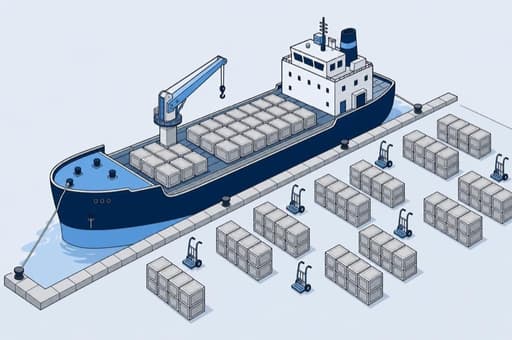
Markel Insurance — International
Specialty cover written outside the United States through Lloyd's and local offices in sixteen countries. The group's growth engine: premiums up 14% in 2025, with 83 cents of each premium dollar going out again. Watch political violence losses.
Competes with Beazley specialty lines (Beazley) · Arch Insurance International (Arch Capital) · Global Specialty (AXIS Capital)
In plain English
Ships, oil platforms, professional firms, hacked computer systems: risks too unusual for an ordinary insurer's rate table. Markel's underwriters in London and fifteen other countries price them one at a time, taking business from brokers who shop each risk around.
The money arrives before the trouble does. Customers pay premiums up front and claims turn up months or years later. Last year this division paid out and spent about eighty-three cents of every premium dollar, kept the rest, and earned interest on the pile while it waited. Its weak spots are its appetite: conflict and currency swings arrive without notice, and one quarter's Middle East losses cost six points of margin.
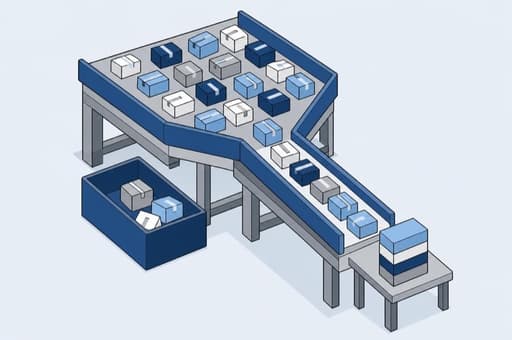
Markel Insurance — U.S. Wholesale and Specialty
The American hard-to-place engine — contractors, injury liability, property, marine — reachable only through specialist brokers. Premiums fell 4% in 2025 on purpose, and the latest quarter's payout ratio improved from 102% to 97%. Margin chosen over volume.
Competes with Kinsale Insurance (Kinsale Capital) · W. R. Berkley E&S units (W. R. Berkley) · RLI specialty casualty and property (RLI Corp)
In plain English
Some risks the big national insurers won't take at their standard prices — a contractor with a bad claims year, an awkward piece of property. Those get shopped to specialist carriers instead, and Markel is one of them.
It never meets the customer. A broker brings the file; Markel's underwriters say yes, no, or yes-at-this-price. Lately they say no more often: property prices are falling while court awards on injury claims climb faster than the rates being charged. So the book is shrinking deliberately, and what it pays out per premium dollar has come down as that choice takes hold.
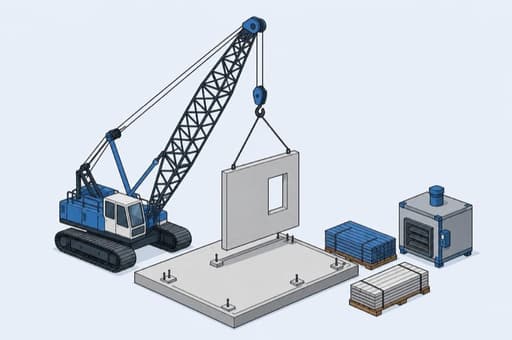
Industrial
Twelve manufacturers and distributors Markel owns outright — precast concrete, bakery equipment, exterior building supplies, crawler cranes, car-hauling rigs. Revenue $3,928M in 2025, up 4%, but operating profit fell 6% and kept falling through mid-2026 as materials and labour cost more.
Competes with Exterior building products distribution (ABC Supply) · Beacon Building Products (QXO) · Regional precast concrete plants (Tindall)
In plain English
Nothing glamorous here, and that is rather the point. These are ordinary companies with real factories and warehouses: one pours precast concrete, one distributes exterior building products to builders, one puts crawler cranes to work, one builds car-hauling equipment.
They sell to builders, developers, contractors and industrial customers, and the cash they throw off stays inside Markel, where it helps buy the next thing. The squeeze is on the input side. Steel, cement, resin and wages all went up, buyers can only absorb so much, and profit slipped even as revenue grew. Car-hauling demand has been in a down cycle; concrete and fire-safety work held up.

Markel Insurance — Programs and Solutions
Business outside firms sell and underwrite on Markel's licence, plus home and property programs it keeps. Two deliberate exits — the Hagerty switch and closing the reinsurance book — cut roughly $2B from 2026 premiums. Fee income replacing risk income.
Competes with Trisura Specialty (Trisura Group) · Spinnaker (Hippo) · Nationwide E&S and programs (Nationwide)
In plain English
Picture a licensed insurance company renting out the licence. An outside specialist — Hagerty, which insures collector cars — does the selling and the risk-picking; Markel issues the actual policy so the cover is legally valid, passes the risk straight to Hagerty's own reinsurer, and keeps a fee for its trouble.
From January 2026 Hagerty takes all of that risk instead of four-fifths, so the premium stops flowing through Markel's books and only the fee is left. The rest of the division is closer to ordinary insurance: home and property programmes sold by outside agencies, where Markel does keep the risk and the claims.

State National
A Texas business that signs other people's insurance policies for a fee, plus cover tied to car loans. Forty years without a serious credit loss, then a $205M reserve in mid-2026 when a risk-taking partner went bankrupt.
Competes with Accredited (Onex) · MS Transverse (MS&AD) · Clear Blue programs (Clear Blue)
In plain English
The quiet fee business that just got loud. State National lets outside agencies and company-owned insurers use its licences: it signs the policies, hands the entire risk to whoever is really carrying it, and keeps a slice for the paperwork and the permission. Bought in 2017, it has since earned back more than it cost.
The catch is who sits on the other end. If the party taking the risk cannot pay, the claims come home. That happened in 2026 — one such party went bankrupt on liability programmes covering apartment buildings written between 2012 and 2021, and Markel set aside $205M against money it may never collect.
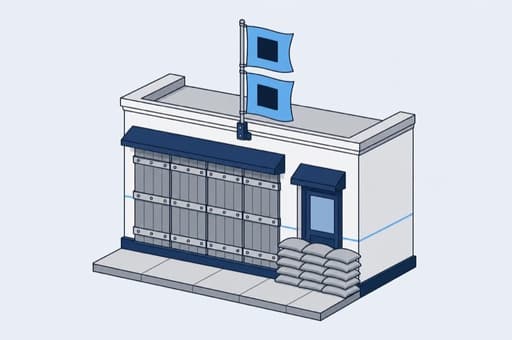
Nephila Capital
Bermuda manager of funds that put pension money behind hurricane risk. Fees are rising — $78M in the first half of 2026, up 30% — while the $7.9B it manages sits well below the $12.2B it had when Markel bought it in 2018.
Competes with Catastrophe-bond funds (Fermat Capital Management) · Elementum ILS funds (Stone Ridge) · RenaissanceRe Capital Partners (RenaissanceRe)
In plain English
Hurricanes have to be paid for by somebody, and insurers do not want the whole bill. Nephila gathers money from pension funds and similar investors and puts it behind catastrophe cover: in a calm year the investors keep most of the premium, in a violent one they lose part of the pot.
Markel is not carrying that risk. It takes a cut for managing the money, plus a bonus in years when losses stay light. Two forces pull opposite ways: a cheap catastrophe market lifts those fees but shrinks the business flowing through, and premium passed on to Nephila's reinsurers fell from $1.7B to $1.0B in the first half of 2026.

Consumer and Other
Eight owned businesses with almost nothing in common: houseplants, leather handbags, homes, manufactured-home communities, membership doctors, technology consulting. Revenue $1,383M in 2025 with operating profit up 20% — the best margin trend among Markel's owned businesses.
Competes with Houseplant growing (Altman Plants) · Big-box plant supply (Green Circle Growers) · Manufactured-home communities (Sun Communities)
In plain English
A grab bag, honestly. The biggest piece grows houseplants and ships them to the garden aisles of big-box chains, which is why the April-to-June quarter is always its strongest. Around it sit a leather handbag brand, a homebuilder, manufactured-home communities, a doctor's practice you join by paying a yearly membership, and a technology consultancy.
Each earns money the ordinary way: sell the thing or the hour, bank the margin. What connects them is the owner rather than the work, and that shows up in what they lean on — how freely households spend, and whether houses stay affordable.
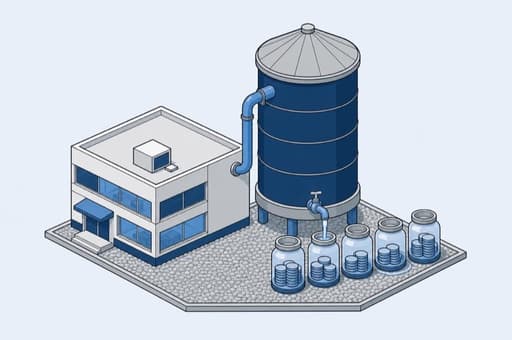
Investment portfolio
Premiums held before claims, invested: a bond book yielding 3.6% plus $13.5B of shares led by Berkshire Hathaway and Alphabet. It earned $970M in 2025, and the swings in those share prices are why reported profit lurches.
Competes with Berkshire float and equity book (Berkshire Hathaway) · Loews portfolio (Loews Corp)
In plain English
Insurance hands you money now and bills you later, so at any moment Markel is sitting on a large pool of other people's premiums plus profits it never paid out. That pool is invested: mostly in bonds, which reprice to higher interest as older ones mature, and in listed shares, with Berkshire Hathaway and Alphabet at the top and the ten largest holdings about two-fifths of the total.
The chief executive runs it himself, so no outside manager takes a cut. One thing to know: share-price moves land straight in reported earnings, which is how a quarter of solid underwriting still printed a loss.


 Markel Insurance — InternationalSpecialty cover written outside the United States through Lloyd's and local offices in sixteen countries. The group's growth engine: premiums up 14% in 2025, with 83 cents of each premium dollar going out again. Watch political violence losses.
Specialty cover written outside the United States through Lloyd's and local offices in sixteen countries. The group's growth engine: premiums up 14% in 2025, with 83 cents of each premium dollar going out again. Watch political violence losses.
In plain English
Ships, oil platforms, professional firms, hacked computer systems: risks too unusual for an ordinary insurer's rate table. Markel's underwriters in London and fifteen other countries price them one at a time, taking business from brokers who shop each risk around.
The money arrives before the trouble does. Customers pay premiums up front and claims turn up months or years later. Last year this division paid out and spent about eighty-three cents of every premium dollar, kept the rest, and earned interest on the pile while it waited. Its weak spots are its appetite: conflict and currency swings arrive without notice, and one quarter's Middle East losses cost six points of margin.
Competes with Beazley specialty lines (Beazley) · Arch Insurance International (Arch Capital) · Global Specialty (AXIS Capital)
 Markel Insurance — U.S. Wholesale and SpecialtyThe American hard-to-place engine — contractors, injury liability, property, marine — reachable only through specialist brokers. Premiums fell 4% in 2025 on purpose, and the latest quarter's payout ratio improved from 102% to 97%. Margin chosen over volume.
The American hard-to-place engine — contractors, injury liability, property, marine — reachable only through specialist brokers. Premiums fell 4% in 2025 on purpose, and the latest quarter's payout ratio improved from 102% to 97%. Margin chosen over volume.
In plain English
Some risks the big national insurers won't take at their standard prices — a contractor with a bad claims year, an awkward piece of property. Those get shopped to specialist carriers instead, and Markel is one of them.
It never meets the customer. A broker brings the file; Markel's underwriters say yes, no, or yes-at-this-price. Lately they say no more often: property prices are falling while court awards on injury claims climb faster than the rates being charged. So the book is shrinking deliberately, and what it pays out per premium dollar has come down as that choice takes hold.
Competes with Kinsale Insurance (Kinsale Capital) · W. R. Berkley E&S units (W. R. Berkley) · RLI specialty casualty and property (RLI Corp)
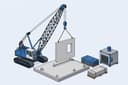 IndustrialTwelve manufacturers and distributors Markel owns outright — precast concrete, bakery equipment, exterior building supplies, crawler cranes, car-hauling rigs. Revenue $3,928M in 2025, up 4%, but operating profit fell 6% and kept falling through mid-2026 as materials and labour cost more.
Twelve manufacturers and distributors Markel owns outright — precast concrete, bakery equipment, exterior building supplies, crawler cranes, car-hauling rigs. Revenue $3,928M in 2025, up 4%, but operating profit fell 6% and kept falling through mid-2026 as materials and labour cost more.
In plain English
Nothing glamorous here, and that is rather the point. These are ordinary companies with real factories and warehouses: one pours precast concrete, one distributes exterior building products to builders, one puts crawler cranes to work, one builds car-hauling equipment.
They sell to builders, developers, contractors and industrial customers, and the cash they throw off stays inside Markel, where it helps buy the next thing. The squeeze is on the input side. Steel, cement, resin and wages all went up, buyers can only absorb so much, and profit slipped even as revenue grew. Car-hauling demand has been in a down cycle; concrete and fire-safety work held up.
Competes with Exterior building products distribution (ABC Supply) · Beacon Building Products (QXO) · Regional precast concrete plants (Tindall)
 Markel Insurance — Programs and SolutionsBusiness outside firms sell and underwrite on Markel's licence, plus home and property programs it keeps. Two deliberate exits — the Hagerty switch and closing the reinsurance book — cut roughly $2B from 2026 premiums. Fee income replacing risk income.
Business outside firms sell and underwrite on Markel's licence, plus home and property programs it keeps. Two deliberate exits — the Hagerty switch and closing the reinsurance book — cut roughly $2B from 2026 premiums. Fee income replacing risk income.
In plain English
Picture a licensed insurance company renting out the licence. An outside specialist — Hagerty, which insures collector cars — does the selling and the risk-picking; Markel issues the actual policy so the cover is legally valid, passes the risk straight to Hagerty's own reinsurer, and keeps a fee for its trouble.
From January 2026 Hagerty takes all of that risk instead of four-fifths, so the premium stops flowing through Markel's books and only the fee is left. The rest of the division is closer to ordinary insurance: home and property programmes sold by outside agencies, where Markel does keep the risk and the claims.
Competes with Trisura Specialty (Trisura Group) · Spinnaker (Hippo) · Nationwide E&S and programs (Nationwide)
 State NationalA Texas business that signs other people's insurance policies for a fee, plus cover tied to car loans. Forty years without a serious credit loss, then a $205M reserve in mid-2026 when a risk-taking partner went bankrupt.
A Texas business that signs other people's insurance policies for a fee, plus cover tied to car loans. Forty years without a serious credit loss, then a $205M reserve in mid-2026 when a risk-taking partner went bankrupt.
In plain English
The quiet fee business that just got loud. State National lets outside agencies and company-owned insurers use its licences: it signs the policies, hands the entire risk to whoever is really carrying it, and keeps a slice for the paperwork and the permission. Bought in 2017, it has since earned back more than it cost.
The catch is who sits on the other end. If the party taking the risk cannot pay, the claims come home. That happened in 2026 — one such party went bankrupt on liability programmes covering apartment buildings written between 2012 and 2021, and Markel set aside $205M against money it may never collect.
Competes with Accredited (Onex) · MS Transverse (MS&AD) · Clear Blue programs (Clear Blue)
 Nephila CapitalBermuda manager of funds that put pension money behind hurricane risk. Fees are rising — $78M in the first half of 2026, up 30% — while the $7.9B it manages sits well below the $12.2B it had when Markel bought it in 2018.
Bermuda manager of funds that put pension money behind hurricane risk. Fees are rising — $78M in the first half of 2026, up 30% — while the $7.9B it manages sits well below the $12.2B it had when Markel bought it in 2018.
In plain English
Hurricanes have to be paid for by somebody, and insurers do not want the whole bill. Nephila gathers money from pension funds and similar investors and puts it behind catastrophe cover: in a calm year the investors keep most of the premium, in a violent one they lose part of the pot.
Markel is not carrying that risk. It takes a cut for managing the money, plus a bonus in years when losses stay light. Two forces pull opposite ways: a cheap catastrophe market lifts those fees but shrinks the business flowing through, and premium passed on to Nephila's reinsurers fell from $1.7B to $1.0B in the first half of 2026.
Competes with Catastrophe-bond funds (Fermat Capital Management) · Elementum ILS funds (Stone Ridge) · RenaissanceRe Capital Partners (RenaissanceRe)
 Consumer and OtherEight owned businesses with almost nothing in common: houseplants, leather handbags, homes, manufactured-home communities, membership doctors, technology consulting. Revenue $1,383M in 2025 with operating profit up 20% — the best margin trend among Markel's owned businesses.
Eight owned businesses with almost nothing in common: houseplants, leather handbags, homes, manufactured-home communities, membership doctors, technology consulting. Revenue $1,383M in 2025 with operating profit up 20% — the best margin trend among Markel's owned businesses.
In plain English
A grab bag, honestly. The biggest piece grows houseplants and ships them to the garden aisles of big-box chains, which is why the April-to-June quarter is always its strongest. Around it sit a leather handbag brand, a homebuilder, manufactured-home communities, a doctor's practice you join by paying a yearly membership, and a technology consultancy.
Each earns money the ordinary way: sell the thing or the hour, bank the margin. What connects them is the owner rather than the work, and that shows up in what they lean on — how freely households spend, and whether houses stay affordable.
Competes with Houseplant growing (Altman Plants) · Big-box plant supply (Green Circle Growers) · Manufactured-home communities (Sun Communities)
 Investment portfolioPremiums held before claims, invested: a bond book yielding 3.6% plus $13.5B of shares led by Berkshire Hathaway and Alphabet. It earned $970M in 2025, and the swings in those share prices are why reported profit lurches.
Premiums held before claims, invested: a bond book yielding 3.6% plus $13.5B of shares led by Berkshire Hathaway and Alphabet. It earned $970M in 2025, and the swings in those share prices are why reported profit lurches.
In plain English
Insurance hands you money now and bills you later, so at any moment Markel is sitting on a large pool of other people's premiums plus profits it never paid out. That pool is invested: mostly in bonds, which reprice to higher interest as older ones mature, and in listed shares, with Berkshire Hathaway and Alphabet at the top and the ten largest holdings about two-fifths of the total.
The chief executive runs it himself, so no outside manager takes a cut. One thing to know: share-price moves land straight in reported earnings, which is how a quarter of solid underwriting still printed a loss.
Competes with Berkshire float and equity book (Berkshire Hathaway) · Loews portfolio (Loews Corp)
Named in filings, launches and programs
- Costa FarmsBrandHouseplant grower, the biggest of the consumer businesses; its spring shipping season carried the whole group's organic growth in mid-2026.
- Lansing Building ProductsBrandDistributes siding and other exterior building products; the largest industrial business, and squeezed by fast-consolidating national rivals.
- MetromontBrandPours precast concrete; its volumes held up through mid-2026 while other industrial businesses slowed.
- Buckner Heavylift CranesBrandCrawler cranes. Leasing them out was a named driver of 2025's organic growth on the industrial side.
- CottrellBrandBuilds car-hauling equipment. Demand has been in a down cycle, though management said tailwinds were beginning to emerge.
- AMF and Reading Bakery SystemsBrandEquipment for industrial bakeries and snack makers, sold to food manufacturers.
- VSC Fire & SecurityBrandFire protection and security work on buildings; fire-safety volumes were one of the few industrial bright spots in mid-2026.
- BrahminBrandLeather handbag brand; leans on leather prices, contract manufacturers and how freely people spend.
- PartnerMDServicePrimary care where patients pay an annual membership for their doctor's attention.
- CapTechBrandTechnology consultancy serving corporate clients, grouped oddly among the consumer businesses.
- ParkLand VenturesBrandOwns manufactured-home communities; its fortunes track housing affordability.
- EagleBrandHomebuilding, exposed to the same affordability squeeze as the manufactured-home communities.
- EPIServiceTeacher sponsorship business added in 2024; U.S. visa policy is the dependency management points to.
- Valor EnvironmentalBrandErosion control, bought June 2024 — the twentieth wholly-owned company under the Markel Ventures banner.
- SureTecBrandSurety bonds, bought 2017; large losses in the final quarter of 2025 after years of steady profit.
- Essentia InsuranceBrandIssues the collector-car policies Hagerty sells; from January 2026 Hagerty's own reinsurer takes all of the risk.
- Rosemont Investment GroupBrandFounded 2018; invests in asset and wealth management firms alongside the fee businesses.
- Marine TransportationProduct lineNew 2026 unit at Markel International pulling together hull and war-risk cover with the MECO business bought in June 2025.
- Midwest General collaborationCustomer program · AnnouncedSeptember 2026 tie-up with an Acrisure agency to write small-business workers compensation in California.
Costa FarmsBrand
Houseplant grower, the biggest of the consumer businesses; its spring shipping season carried the whole group's organic growth in mid-2026.
Lansing Building ProductsBrand
Distributes siding and other exterior building products; the largest industrial business, and squeezed by fast-consolidating national rivals.
MetromontBrand
Pours precast concrete; its volumes held up through mid-2026 while other industrial businesses slowed.
Buckner Heavylift CranesBrand
Crawler cranes. Leasing them out was a named driver of 2025's organic growth on the industrial side.
CottrellBrand
Builds car-hauling equipment. Demand has been in a down cycle, though management said tailwinds were beginning to emerge.
AMF and Reading Bakery SystemsBrand
Equipment for industrial bakeries and snack makers, sold to food manufacturers.
VSC Fire & SecurityBrand
Fire protection and security work on buildings; fire-safety volumes were one of the few industrial bright spots in mid-2026.
BrahminBrand
Leather handbag brand; leans on leather prices, contract manufacturers and how freely people spend.
PartnerMDService
Primary care where patients pay an annual membership for their doctor's attention.
CapTechBrand
Technology consultancy serving corporate clients, grouped oddly among the consumer businesses.
ParkLand VenturesBrand
Owns manufactured-home communities; its fortunes track housing affordability.
EagleBrand
Homebuilding, exposed to the same affordability squeeze as the manufactured-home communities.
EPIService
Teacher sponsorship business added in 2024; U.S. visa policy is the dependency management points to.
Valor EnvironmentalBrand
Erosion control, bought June 2024 — the twentieth wholly-owned company under the Markel Ventures banner.
SureTecBrand
Surety bonds, bought 2017; large losses in the final quarter of 2025 after years of steady profit.
Essentia InsuranceBrand
Issues the collector-car policies Hagerty sells; from January 2026 Hagerty's own reinsurer takes all of the risk.
Rosemont Investment GroupBrand
Founded 2018; invests in asset and wealth management firms alongside the fee businesses.
Marine TransportationProduct line
New 2026 unit at Markel International pulling together hull and war-risk cover with the MECO business bought in June 2025.
Midwest General collaborationCustomer program · Announced
September 2026 tie-up with an Acrisure agency to write small-business workers compensation in California.