
Micron Technology (MU)
Makes DRAM and NAND memory for AI data centers, devices, vehicles and industrial systems.
Something off on this page? Send us feedback.
Micron makes the chips that give computers fast working memory and keep data stored after the power goes off. Phones and personal computers still matter, but data centers—especially the machines used for artificial intelligence—have become the main engine. The opportunity is unusually concentrated: a few giant buyers, scarce factory capacity and costly expansion now shape the whole business.
Item facts: FY2025 · year ended Aug 28, 2025, from filings, earnings calls and company pages.
Judgment weights, not filed revenue
The band summarizes business focus and direction. ~ marks estimates.
8 in detail · 12 more below
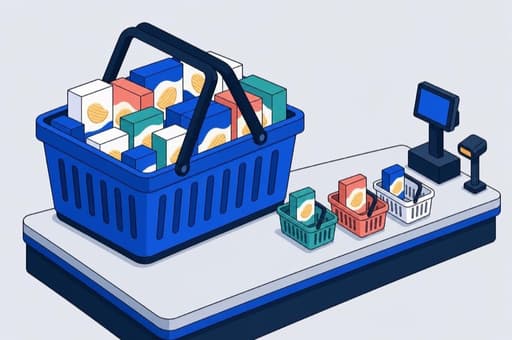
Cloud Memory Business Unit
Micron’s largest division supplies the fast working memory inside cloud servers and artificial-intelligence machines. One unnamed customer accounted for 17% of all Micron revenue in FY2025, mostly through this business, so both growth and concentration sit here.
Competes with HBM4 (Samsung Electronics) · DDR5 and SOCAMM2 (SK hynix)
In plain English
Cloud computers need a place to hold information while they work, the way a cook keeps ingredients on a counter. This division sells those fast memory chips and boards to operators building servers for online services and artificial intelligence.
Micron earns when those customers add machines or pack more memory into each one. The same factories also make memory for other products, so scarce production space goes where buyers pay most. That helps in a boom, but one unnamed customer already accounts for a meaningful slice of company sales.
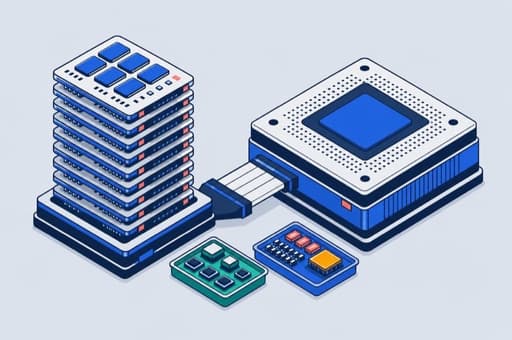
High-Bandwidth Memory — HBM3E, HBM4 and HBM4E
Memory chips stacked beside AI processors feed them data much faster than ordinary server memory. Sales reached nearly $2 billion in FY2025’s fourth quarter; watch how quickly newer HBM4 stacks can be made and accepted by major processor programs.
Competes with HBM4 (SK hynix) · HBM4 (Samsung Electronics)
In plain English
Imagine several thin notebooks piled beside a calculator so it can grab any page without reaching across the room. High-bandwidth memory does that for an artificial-intelligence processor: layers of memory chips sit very close and pass enormous amounts of data quickly.
NVIDIA and AMD choose which memory passes the tests for each new processor. Once Micron is approved, it sells complete stacks as those machines ship. Each stack uses far more factory space than ordinary server memory, so growth brings higher-value sales but also squeezes the supply of Micron’s other products.
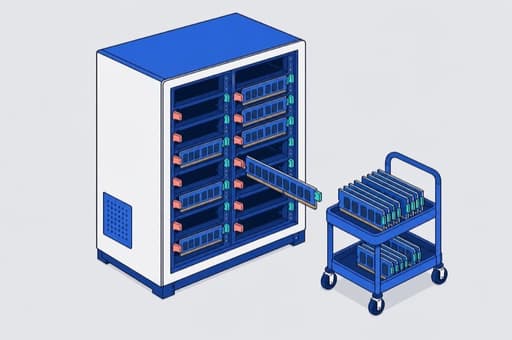
Cloud Server DRAM — DDR5 DIMMs and SOCAMM2
The standard fast working memory for cloud servers, plus compact modules for NVIDIA’s coming Vera Rubin systems. Roughly $8 billion of FY2025 sales came from this family; watch server construction, customer approvals and factory capacity.
Competes with DDR5 server memory (Samsung Electronics) · DDR5 and SOCAMM2 (SK hynix)
In plain English
The unglamorous part that keeps a server from constantly walking back to its filing cabinet. These chips hold the information a computer is using right now, and the slim boards carrying them plug into rows of slots inside servers.
Large cloud operators and equipment makers test a design before buying it in volume. Micron gets paid for every chip or board shipped, and demand rises when customers build more servers or put more memory in each one. Prices can still swing sharply when the industry makes too much or too little.
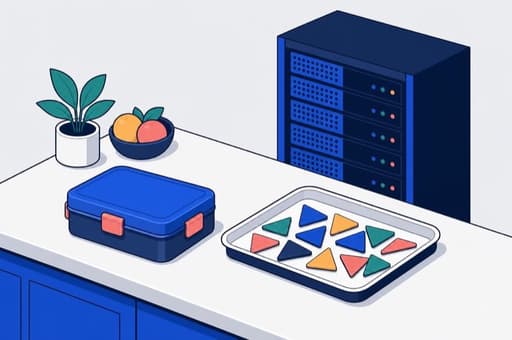
Core Data Center Business Unit
This arm sells both complete chip-based storage drives and loose memory parts for customer-built systems. It supplied 19.3% of FY2025 revenue; the question is how much demand stays with higher-value complete drives.
Competes with Server DDR5/NAND (Samsung Electronics) · Server DDR5/NAND (SK hynix) · NAND components (Kioxia and Sandisk)
In plain English
Unlike working memory, this is the shelf where data stays after the power is switched off. Micron sells finished storage drives, as well as loose flash-memory chips that cloud operators and equipment makers can build into their own systems.
A finished drive earns more because Micron combines its chips with the control electronics and instructions that make the pieces work together. Loose parts are simpler and more exposed to market prices. Customers pay as they add storage to servers; Micron’s results depend on both the amount of data being stored and the going price for each unit of capacity.

Micron Data Center SSDs — 9550, 9650 and ION
Complete storage drives for data centers combine Micron’s memory chips with controls and built-in instructions. Quarterly sales reached $5 billion in FY2026 Q3; watch whether new high-capacity drives keep winning space in AI servers.
Competes with PM1743 SSD (Samsung Electronics) · D5-P5336 122TB QLC SSD (Solidigm) · PCIe Gen6 enterprise SSDs (SK hynix)
In plain English
A solid-state drive is a box of storage chips and control electronics. Micron supplies the memory chips, the small controller that directs traffic and the built-in instructions, then sells the finished box to cloud operators and server makers.
That bundle matters: selling the whole drive captures more value than selling loose chips. Buyers keep ordering as their machines create and retrieve more data, but each new model must first pass lengthy tests inside customer systems. Supply of flash-memory chips and controllers sets the pace.
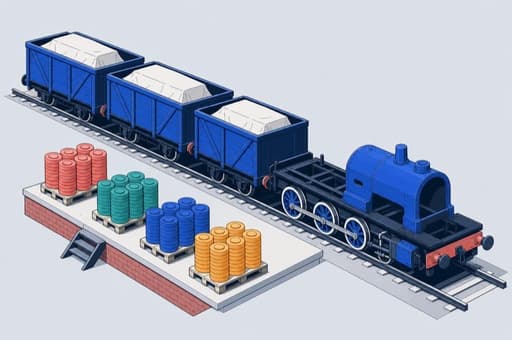
Strategic Customer Agreements
Long-term customer deals reserve factory output and soften the industry’s price swings. Fourteen agreements carried minimum-price promises by June 2026; watch whether deposits become delivered products without locking factories into the wrong output.
Competes with Multi-year NVIDIA partnership (SK hynix) · AI-memory collaboration (Samsung Electronics and AMD)
In plain English
Think of customers booking seats on a train before the train is built. Large buyers promise to take set amounts of memory for several years, often at fixed prices or within agreed ranges, and usually must pay even if they take less.
Micron gets deposits that help finance factories, then counts sales only when it delivers the products. Buyers gain a steadier supply during shortages and Micron gains more predictable demand. The trade-off is practical: factories must still make the kind of memory each customer eventually needs.
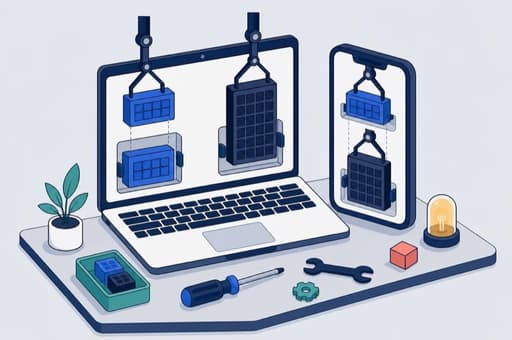
Mobile and Client Business Unit
Memory and storage for computers and phones made 31.7% of FY2025 revenue. New computers built for artificial-intelligence tasks use more memory, but weaker device shipments and the end of future all-in-one phone-storage development pull the other way.
Competes with LPCAMM2 and PM9C1a SSD (Samsung Electronics) · LPDDR5X/LPDDR6 and UFS 4.1 (SK hynix) · UFS 4.1 (Kioxia)
In plain English
Your phone and laptop need two kinds of space: a workbench for whatever is open now, and a cupboard that keeps photos and files when the power is off. This division sells both kinds of memory to device makers.
Device makers first choose Micron’s parts for a model, then order in volume as that model ships. Fewer devices hurt, while more memory in each device helps; new computers built for artificial-intelligence tasks are pushing the latter. Micron still sells mobile working memory and supports current phone-storage products, but it has stopped developing the next generation of the all-in-one phone storage line.
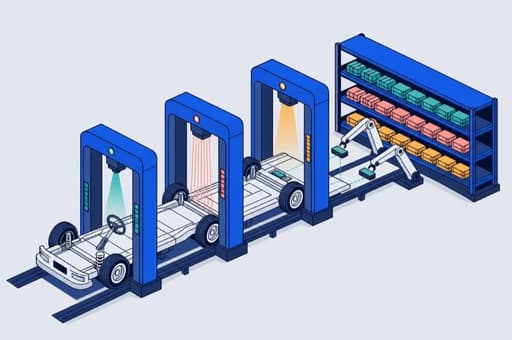
Automotive and Embedded Business Unit
Long-lived memory and storage parts go into cars and equipment with built-in computers. Micron says a highly automated car can carry more than 300 gigabytes; watch customer approvals, vehicle production and automation levels.
Competes with Automotive memory (Samsung Electronics) · Automotive UFS 4.0/4.1 (Kioxia) · Automotive DRAM/NAND (SK hynix)
In plain English
Car parts do not get swapped every year like phone parts. A memory chip chosen for a vehicle must survive demanding tests and remain available through a long production life; Micron also supplies similar parts for other equipment with computers built inside.
Automakers and their major suppliers approve Micron parts for specific vehicle platforms, then buy them as those vehicles are built. More cameras, driver assistance and onboard computing mean more memory per car. The long approval process can make sales durable, but it also ties growth to vehicle schedules and long-term factory support.


 Cloud Memory Business UnitMicron’s largest division supplies the fast working memory inside cloud servers and artificial-intelligence machines. One unnamed customer accounted for 17% of all Micron revenue in FY2025, mostly through this business, so both growth and concentration sit here.
Micron’s largest division supplies the fast working memory inside cloud servers and artificial-intelligence machines. One unnamed customer accounted for 17% of all Micron revenue in FY2025, mostly through this business, so both growth and concentration sit here.
In plain English
Cloud computers need a place to hold information while they work, the way a cook keeps ingredients on a counter. This division sells those fast memory chips and boards to operators building servers for online services and artificial intelligence.
Micron earns when those customers add machines or pack more memory into each one. The same factories also make memory for other products, so scarce production space goes where buyers pay most. That helps in a boom, but one unnamed customer already accounts for a meaningful slice of company sales.
Competes with HBM4 (Samsung Electronics) · DDR5 and SOCAMM2 (SK hynix)
 High-Bandwidth Memory — HBM3E, HBM4 and HBM4EMemory chips stacked beside AI processors feed them data much faster than ordinary server memory. Sales reached nearly $2 billion in FY2025’s fourth quarter; watch how quickly newer HBM4 stacks can be made and accepted by major processor programs.
Memory chips stacked beside AI processors feed them data much faster than ordinary server memory. Sales reached nearly $2 billion in FY2025’s fourth quarter; watch how quickly newer HBM4 stacks can be made and accepted by major processor programs.
In plain English
Imagine several thin notebooks piled beside a calculator so it can grab any page without reaching across the room. High-bandwidth memory does that for an artificial-intelligence processor: layers of memory chips sit very close and pass enormous amounts of data quickly.
NVIDIA and AMD choose which memory passes the tests for each new processor. Once Micron is approved, it sells complete stacks as those machines ship. Each stack uses far more factory space than ordinary server memory, so growth brings higher-value sales but also squeezes the supply of Micron’s other products.
Competes with HBM4 (SK hynix) · HBM4 (Samsung Electronics)
 Cloud Server DRAM — DDR5 DIMMs and SOCAMM2The standard fast working memory for cloud servers, plus compact modules for NVIDIA’s coming Vera Rubin systems. Roughly $8 billion of FY2025 sales came from this family; watch server construction, customer approvals and factory capacity.
The standard fast working memory for cloud servers, plus compact modules for NVIDIA’s coming Vera Rubin systems. Roughly $8 billion of FY2025 sales came from this family; watch server construction, customer approvals and factory capacity.
In plain English
The unglamorous part that keeps a server from constantly walking back to its filing cabinet. These chips hold the information a computer is using right now, and the slim boards carrying them plug into rows of slots inside servers.
Large cloud operators and equipment makers test a design before buying it in volume. Micron gets paid for every chip or board shipped, and demand rises when customers build more servers or put more memory in each one. Prices can still swing sharply when the industry makes too much or too little.
Competes with DDR5 server memory (Samsung Electronics) · DDR5 and SOCAMM2 (SK hynix)
 Core Data Center Business UnitThis arm sells both complete chip-based storage drives and loose memory parts for customer-built systems. It supplied 19.3% of FY2025 revenue; the question is how much demand stays with higher-value complete drives.
This arm sells both complete chip-based storage drives and loose memory parts for customer-built systems. It supplied 19.3% of FY2025 revenue; the question is how much demand stays with higher-value complete drives.
In plain English
Unlike working memory, this is the shelf where data stays after the power is switched off. Micron sells finished storage drives, as well as loose flash-memory chips that cloud operators and equipment makers can build into their own systems.
A finished drive earns more because Micron combines its chips with the control electronics and instructions that make the pieces work together. Loose parts are simpler and more exposed to market prices. Customers pay as they add storage to servers; Micron’s results depend on both the amount of data being stored and the going price for each unit of capacity.
Competes with Server DDR5/NAND (Samsung Electronics) · Server DDR5/NAND (SK hynix) · NAND components (Kioxia and Sandisk)
 Micron Data Center SSDs — 9550, 9650 and IONComplete storage drives for data centers combine Micron’s memory chips with controls and built-in instructions. Quarterly sales reached $5 billion in FY2026 Q3; watch whether new high-capacity drives keep winning space in AI servers.
Complete storage drives for data centers combine Micron’s memory chips with controls and built-in instructions. Quarterly sales reached $5 billion in FY2026 Q3; watch whether new high-capacity drives keep winning space in AI servers.
In plain English
A solid-state drive is a box of storage chips and control electronics. Micron supplies the memory chips, the small controller that directs traffic and the built-in instructions, then sells the finished box to cloud operators and server makers.
That bundle matters: selling the whole drive captures more value than selling loose chips. Buyers keep ordering as their machines create and retrieve more data, but each new model must first pass lengthy tests inside customer systems. Supply of flash-memory chips and controllers sets the pace.
Competes with PM1743 SSD (Samsung Electronics) · D5-P5336 122TB QLC SSD (Solidigm) · PCIe Gen6 enterprise SSDs (SK hynix)
 Strategic Customer AgreementsLong-term customer deals reserve factory output and soften the industry’s price swings. Fourteen agreements carried minimum-price promises by June 2026; watch whether deposits become delivered products without locking factories into the wrong output.
Long-term customer deals reserve factory output and soften the industry’s price swings. Fourteen agreements carried minimum-price promises by June 2026; watch whether deposits become delivered products without locking factories into the wrong output.
In plain English
Think of customers booking seats on a train before the train is built. Large buyers promise to take set amounts of memory for several years, often at fixed prices or within agreed ranges, and usually must pay even if they take less.
Micron gets deposits that help finance factories, then counts sales only when it delivers the products. Buyers gain a steadier supply during shortages and Micron gains more predictable demand. The trade-off is practical: factories must still make the kind of memory each customer eventually needs.
Competes with Multi-year NVIDIA partnership (SK hynix) · AI-memory collaboration (Samsung Electronics and AMD)
 Mobile and Client Business UnitMemory and storage for computers and phones made 31.7% of FY2025 revenue. New computers built for artificial-intelligence tasks use more memory, but weaker device shipments and the end of future all-in-one phone-storage development pull the other way.
Memory and storage for computers and phones made 31.7% of FY2025 revenue. New computers built for artificial-intelligence tasks use more memory, but weaker device shipments and the end of future all-in-one phone-storage development pull the other way.
In plain English
Your phone and laptop need two kinds of space: a workbench for whatever is open now, and a cupboard that keeps photos and files when the power is off. This division sells both kinds of memory to device makers.
Device makers first choose Micron’s parts for a model, then order in volume as that model ships. Fewer devices hurt, while more memory in each device helps; new computers built for artificial-intelligence tasks are pushing the latter. Micron still sells mobile working memory and supports current phone-storage products, but it has stopped developing the next generation of the all-in-one phone storage line.
Competes with LPCAMM2 and PM9C1a SSD (Samsung Electronics) · LPDDR5X/LPDDR6 and UFS 4.1 (SK hynix) · UFS 4.1 (Kioxia)
 Automotive and Embedded Business UnitLong-lived memory and storage parts go into cars and equipment with built-in computers. Micron says a highly automated car can carry more than 300 gigabytes; watch customer approvals, vehicle production and automation levels.
Long-lived memory and storage parts go into cars and equipment with built-in computers. Micron says a highly automated car can carry more than 300 gigabytes; watch customer approvals, vehicle production and automation levels.
In plain English
Car parts do not get swapped every year like phone parts. A memory chip chosen for a vehicle must survive demanding tests and remain available through a long production life; Micron also supplies similar parts for other equipment with computers built inside.
Automakers and their major suppliers approve Micron parts for specific vehicle platforms, then buy them as those vehicles are built. More cameras, driver assistance and onboard computing mean more memory per car. The long approval process can make sales durable, but it also ties growth to vehicle schedules and long-term factory support.
Competes with Automotive memory (Samsung Electronics) · Automotive UFS 4.0/4.1 (Kioxia) · Automotive DRAM/NAND (SK hynix)
Named in filings, launches and programs
- Core Data Center DDR5 and NAND ComponentsProduct lineLoose server-memory and storage chips for cloud operators and equipment makers that prefer to build their own systems.
- Client PC DRAM, LPCAMM2 and Client SSDsProduct lineWorking memory and chip-based storage for notebooks, desktops and workstations, sold directly to device makers.
- Mobile LPDDR and Managed NANDProduct linePhone working memory continues, while current all-in-one storage chips remain supported even though Micron stopped designing future generations.
- 1γ (1-gamma) DRAMProduct · RampingA newer way to make working-memory chips that management expected to become most of Micron’s DRAM output around mid-calendar 2026.
- G9 NANDProduct · RampingA newer way to make storage chips that management expected to become most of Micron’s NAND output around mid-calendar 2026.
- Anthropic strategic agreementCustomer programA supply and co-design relationship with Anthropic, an artificial-intelligence company, spanning layered high-speed memory, server memory and storage drives.
- General Motors strategic agreementCustomer programA long-term roadmap and supply relationship covering car working memory, permanent memory and all-in-one storage chips.
- Ford strategic agreementCustomer programA long-term program to supply memory and storage for Ford vehicles.
- Automotive Tier-1 SCA cohortCustomer programSupply agreements with seven automotive technology and parts companies, including Qualcomm, DENSO, HARMAN and Hyundai Mobis.
- GlobalWafers U.S. silicon-wafer programEcosystemA ten-year supply relationship tied to Micron’s support for U.S. makers of the round silicon sheets that become chips.
- Micron Research LabsProduct · AnnouncedA U.S. research hub announced for long-horizon work on memory and artificial intelligence.
- Micron Ventures Paradigm FundEcosystemA $250 million company investment fund backing young artificial-intelligence businesses.
Core Data Center DDR5 and NAND ComponentsProduct line
Loose server-memory and storage chips for cloud operators and equipment makers that prefer to build their own systems.
Client PC DRAM, LPCAMM2 and Client SSDsProduct line
Working memory and chip-based storage for notebooks, desktops and workstations, sold directly to device makers.
Mobile LPDDR and Managed NANDProduct line
Phone working memory continues, while current all-in-one storage chips remain supported even though Micron stopped designing future generations.
1γ (1-gamma) DRAMProduct · Ramping
A newer way to make working-memory chips that management expected to become most of Micron’s DRAM output around mid-calendar 2026.
G9 NANDProduct · Ramping
A newer way to make storage chips that management expected to become most of Micron’s NAND output around mid-calendar 2026.
Anthropic strategic agreementCustomer program
A supply and co-design relationship with Anthropic, an artificial-intelligence company, spanning layered high-speed memory, server memory and storage drives.
General Motors strategic agreementCustomer program
A long-term roadmap and supply relationship covering car working memory, permanent memory and all-in-one storage chips.
Ford strategic agreementCustomer program
A long-term program to supply memory and storage for Ford vehicles.
Automotive Tier-1 SCA cohortCustomer program
Supply agreements with seven automotive technology and parts companies, including Qualcomm, DENSO, HARMAN and Hyundai Mobis.
GlobalWafers U.S. silicon-wafer programEcosystem
A ten-year supply relationship tied to Micron’s support for U.S. makers of the round silicon sheets that become chips.
Micron Research LabsProduct · Announced
A U.S. research hub announced for long-horizon work on memory and artificial intelligence.
Micron Ventures Paradigm FundEcosystem
A $250 million company investment fund backing young artificial-intelligence businesses.