
Occidental Petroleum (OXY)
Oil and gas producer with midstream, marketing and carbon-management operations.
Something off on this page? Send us feedback.
Occidental is overwhelmingly an oil-and-gas producer, and the Permian fields are the center of gravity. Selling its chemicals business made that concentration even clearer. Oil still pays the bills while the company builds a second, not-yet-revenue-producing business that removes carbon dioxide from the air or stores it underground for customers.
Item facts: FY2025 · year ended Dec 31, 2025, from filings, earnings calls and company pages.
Judgment weights, not filed revenue
The band summarizes business focus and direction. ~ marks estimates.
7 in detail · 12 more below
Permian Resources and Permian EOR
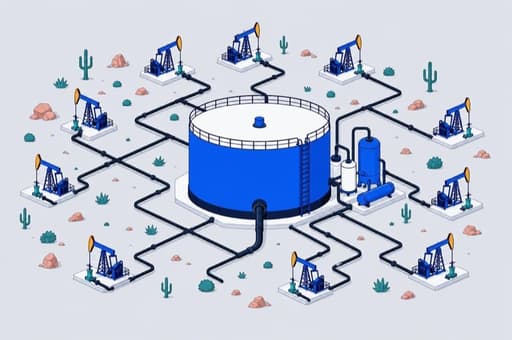
Occidental's main oil-and-gas fields produced the energy equivalent of 786,000 oil barrels a day in FY2025. They supply about half of sales, so prices, well productivity and pipeline room still set the company's financial pace.
Competes with Midland and Delaware Basin production (Diamondback Energy) · Permian Basin production (ExxonMobil)
In plain English
Start with a huge patchwork of Permian wells. Some tap oil trapped in tight rock; others push carbon dioxide underground to squeeze more oil from older fields. Together they produce more than half of Occidental's daily energy output.
Occidental drills the wells, separates oil and gas, and pays pipelines to carry the output to refiners and other buyers. Those buyers pay prices tied to energy markets, not a fixed menu. That makes this the cash engine, but one whose earnings can swing even when the wells run well.
Algeria, Oman, Al Hosn and Dolphin
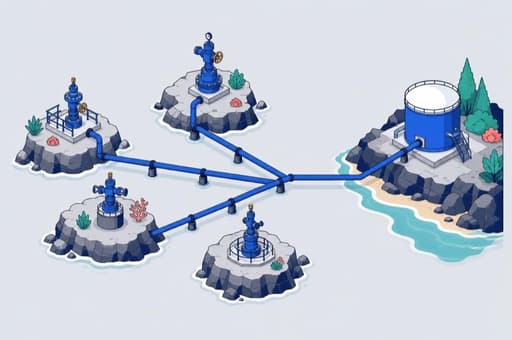
Interests across Algeria, Oman and the United Arab Emirates produced the energy equivalent of 232,000 oil barrels a day in FY2025. Long-lived government agreements provide access, while local partners and price-linked rules shape what Occidental receives.
Competes with Khazzan and Makarem (bp) · Block 77 (Eni and bp)
In plain English
Far from its American fields, Occidental owns pieces of oil and gas operations in Algeria, Oman and the United Arab Emirates. One interest also helps carry gas from Qatar into the United Arab Emirates and Oman.
Host governments grant the right to produce, local networks take the gas, and liquids buyers take the oil and related products. Occidental earns its agreed portion rather than owning every barrel outright. In some contracts, a higher market price means fewer physical barrels are assigned to the company even though their economic value rises.
DJ Basin and Powder River Basin
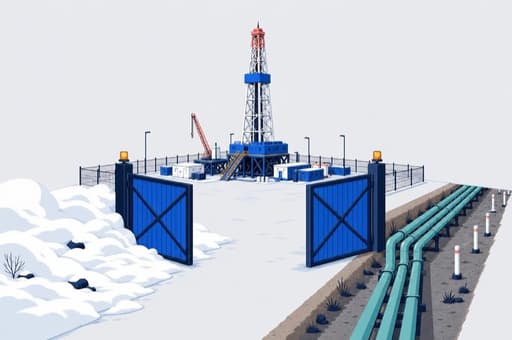
Fields in Colorado and Wyoming produced the energy equivalent of 284,000 oil barrels a day in FY2025. The wells are meaningful earners, but permits, winter weather and available pipeline space can dictate the pace.
Competes with DJ Basin operations (Civitas Resources and SM Energy) · Powder River program (EOG Resources)
In plain English
Two inland oil-and-gas districts make up this business: the DJ Basin in Colorado and the Powder River Basin in Wyoming. Wells bring up a mix of oil and gas, which gathering pipes collect before larger lines carry it away.
Refiners and gas utilities ultimately pay for the output. The business works like a farm with a gatekeeper: good ground and efficient crews matter, but Occidental still needs permission to drill and a clear route to market. Colorado approvals, harsh weather and crowded pipes can all slow how quickly buried resources become sales.
Gulf of America
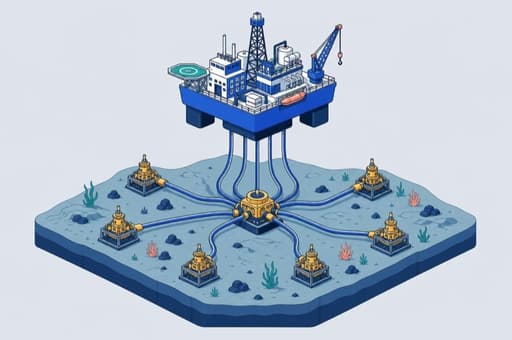
Deepwater fields produced the energy equivalent of 132,000 oil barrels a day in FY2025. Existing floating platforms make nearby discoveries valuable, but storms, equipment uptime and successful new well connections govern delivery.
Competes with Ursa and Whale hubs (Shell) · Argos and Atlantis (bp)
In plain English
Picture a floating factory parked above several oil fields far offshore. Wells on the seafloor send their output through underwater pipes to one of Occidental's eight platforms, where it is handled before moving toward shore.
Gulf Coast refiners and export buyers pay market-linked prices for the barrels. The expensive platform is already in place, so a nearby discovery can be connected back to it instead of needing a new floating facility. That makes steady platform operation and useful nearby discoveries especially important; hurricanes or equipment trouble can interrupt the whole chain.
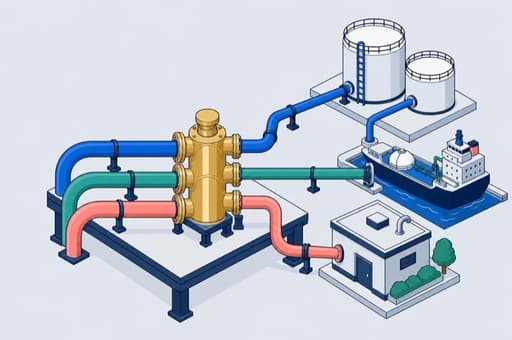
Midstream and Marketing
The pipes, processing and trading operation contributed about $691 million of FY2025 sales after internal overlaps. Its job is to move production and capture location-based price differences; an unusually strong recent quarter is not a steady baseline.
Competes with Permian gathering and processing (Targa Resources) · Permian pipelines and liquids separation (Enterprise Products Partners)
In plain English
The unglamorous plumbing that helps the oil business work. This operation gathers, processes, transports and stores oil and gas, then finds buyers or shifts supply between places where prices differ.
Occidental's own fields provide much of the material, while outside producers can also pay to use connected systems. Refineries, chemical plants, gas exporters and utilities create the demand at the other end. The company earns handling fees, transport income and trading margins, but new pipelines can narrow the regional price gaps that sometimes make the trading piece unusually profitable.
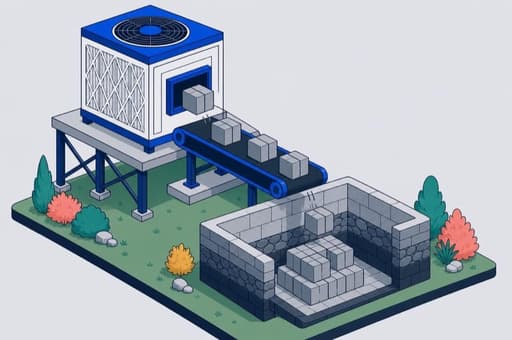
STRATOS Direct Air Capture
A Texas plant designed to pull up to 500,000 tonnes of carbon dioxide from the air each year and store it underground. Operations are now expected during 2027, making a successful plant start the immediate test.
Competes with Mammoth (Climeworks) · Cypress and Louisiana plants (Heirloom Carbon)
In plain English
Instead of stopping pollution at a smokestack, STRATOS is meant to take carbon dioxide back out of ordinary air. Large machines separate the gas, then the project puts it into deep rock where it is intended to stay.
Companies including Microsoft, Amazon, Airbus and JPMorganChase have agreed to buy proof that specified amounts were removed and stored. Occidental plans to earn from delivering those removal credits, with public incentives also supporting the economics. The plant is still being built, so signed buyers do not yet make this a revenue-producing business.
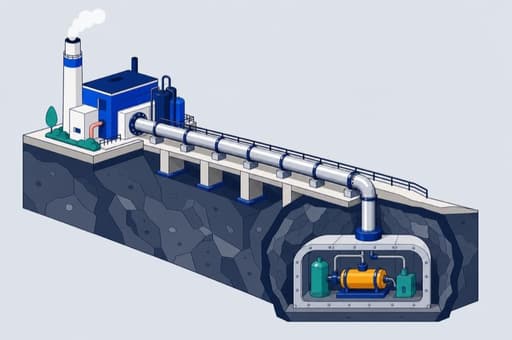
Pelican Sequestration Hub
A Louisiana transport-and-storage system anchored by CF Industries' 25-year promise to supply about 2.3 million tonnes of carbon dioxide annually. The long commitment matters, but the customer's planned plant, permits and connecting pipes must arrive first.
Competes with Louisiana CCS and CF Donaldsonville (ExxonMobil) · Bayou Bend (Chevron, Equinor and TotalEnergies)
In plain English
A factory can separate carbon dioxide from its exhaust, but the gas still needs somewhere to go. Pelican is the proposed delivery-and-storage service: pipes would carry captured gas from CF Industries' planned ammonia plant to deep underground rock.
CF Industries would provide the gas under a long-term agreement, and Enbridge brings pipeline experience. Occidental would earn from moving and storing the carbon dioxide, rather like charging for a permanent disposal route. No price or start date has been disclosed, and the customer's factory and the connecting system must both be completed before the promise becomes operating business.


 Permian Resources and Permian EOROccidental's main oil-and-gas fields produced the energy equivalent of 786,000 oil barrels a day in FY2025. They supply about half of sales, so prices, well productivity and pipeline room still set the company's financial pace.
Occidental's main oil-and-gas fields produced the energy equivalent of 786,000 oil barrels a day in FY2025. They supply about half of sales, so prices, well productivity and pipeline room still set the company's financial pace.
In plain English
Start with a huge patchwork of Permian wells. Some tap oil trapped in tight rock; others push carbon dioxide underground to squeeze more oil from older fields. Together they produce more than half of Occidental's daily energy output.
Occidental drills the wells, separates oil and gas, and pays pipelines to carry the output to refiners and other buyers. Those buyers pay prices tied to energy markets, not a fixed menu. That makes this the cash engine, but one whose earnings can swing even when the wells run well.
Competes with Midland and Delaware Basin production (Diamondback Energy) · Permian Basin production (ExxonMobil)
 Algeria, Oman, Al Hosn and DolphinInterests across Algeria, Oman and the United Arab Emirates produced the energy equivalent of 232,000 oil barrels a day in FY2025. Long-lived government agreements provide access, while local partners and price-linked rules shape what Occidental receives.
Interests across Algeria, Oman and the United Arab Emirates produced the energy equivalent of 232,000 oil barrels a day in FY2025. Long-lived government agreements provide access, while local partners and price-linked rules shape what Occidental receives.
In plain English
Far from its American fields, Occidental owns pieces of oil and gas operations in Algeria, Oman and the United Arab Emirates. One interest also helps carry gas from Qatar into the United Arab Emirates and Oman.
Host governments grant the right to produce, local networks take the gas, and liquids buyers take the oil and related products. Occidental earns its agreed portion rather than owning every barrel outright. In some contracts, a higher market price means fewer physical barrels are assigned to the company even though their economic value rises.
Competes with Khazzan and Makarem (bp) · Block 77 (Eni and bp)
 DJ Basin and Powder River BasinFields in Colorado and Wyoming produced the energy equivalent of 284,000 oil barrels a day in FY2025. The wells are meaningful earners, but permits, winter weather and available pipeline space can dictate the pace.
Fields in Colorado and Wyoming produced the energy equivalent of 284,000 oil barrels a day in FY2025. The wells are meaningful earners, but permits, winter weather and available pipeline space can dictate the pace.
In plain English
Two inland oil-and-gas districts make up this business: the DJ Basin in Colorado and the Powder River Basin in Wyoming. Wells bring up a mix of oil and gas, which gathering pipes collect before larger lines carry it away.
Refiners and gas utilities ultimately pay for the output. The business works like a farm with a gatekeeper: good ground and efficient crews matter, but Occidental still needs permission to drill and a clear route to market. Colorado approvals, harsh weather and crowded pipes can all slow how quickly buried resources become sales.
Competes with DJ Basin operations (Civitas Resources and SM Energy) · Powder River program (EOG Resources)
 Gulf of AmericaDeepwater fields produced the energy equivalent of 132,000 oil barrels a day in FY2025. Existing floating platforms make nearby discoveries valuable, but storms, equipment uptime and successful new well connections govern delivery.
Deepwater fields produced the energy equivalent of 132,000 oil barrels a day in FY2025. Existing floating platforms make nearby discoveries valuable, but storms, equipment uptime and successful new well connections govern delivery.
In plain English
Picture a floating factory parked above several oil fields far offshore. Wells on the seafloor send their output through underwater pipes to one of Occidental's eight platforms, where it is handled before moving toward shore.
Gulf Coast refiners and export buyers pay market-linked prices for the barrels. The expensive platform is already in place, so a nearby discovery can be connected back to it instead of needing a new floating facility. That makes steady platform operation and useful nearby discoveries especially important; hurricanes or equipment trouble can interrupt the whole chain.
Competes with Ursa and Whale hubs (Shell) · Argos and Atlantis (bp)
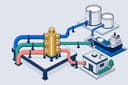 Midstream and MarketingThe pipes, processing and trading operation contributed about $691 million of FY2025 sales after internal overlaps. Its job is to move production and capture location-based price differences; an unusually strong recent quarter is not a steady baseline.
The pipes, processing and trading operation contributed about $691 million of FY2025 sales after internal overlaps. Its job is to move production and capture location-based price differences; an unusually strong recent quarter is not a steady baseline.
In plain English
The unglamorous plumbing that helps the oil business work. This operation gathers, processes, transports and stores oil and gas, then finds buyers or shifts supply between places where prices differ.
Occidental's own fields provide much of the material, while outside producers can also pay to use connected systems. Refineries, chemical plants, gas exporters and utilities create the demand at the other end. The company earns handling fees, transport income and trading margins, but new pipelines can narrow the regional price gaps that sometimes make the trading piece unusually profitable.
Competes with Permian gathering and processing (Targa Resources) · Permian pipelines and liquids separation (Enterprise Products Partners)
 STRATOS Direct Air CaptureA Texas plant designed to pull up to 500,000 tonnes of carbon dioxide from the air each year and store it underground. Operations are now expected during 2027, making a successful plant start the immediate test.
A Texas plant designed to pull up to 500,000 tonnes of carbon dioxide from the air each year and store it underground. Operations are now expected during 2027, making a successful plant start the immediate test.
In plain English
Instead of stopping pollution at a smokestack, STRATOS is meant to take carbon dioxide back out of ordinary air. Large machines separate the gas, then the project puts it into deep rock where it is intended to stay.
Companies including Microsoft, Amazon, Airbus and JPMorganChase have agreed to buy proof that specified amounts were removed and stored. Occidental plans to earn from delivering those removal credits, with public incentives also supporting the economics. The plant is still being built, so signed buyers do not yet make this a revenue-producing business.
Competes with Mammoth (Climeworks) · Cypress and Louisiana plants (Heirloom Carbon)
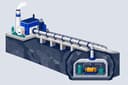 Pelican Sequestration HubA Louisiana transport-and-storage system anchored by CF Industries' 25-year promise to supply about 2.3 million tonnes of carbon dioxide annually. The long commitment matters, but the customer's planned plant, permits and connecting pipes must arrive first.
A Louisiana transport-and-storage system anchored by CF Industries' 25-year promise to supply about 2.3 million tonnes of carbon dioxide annually. The long commitment matters, but the customer's planned plant, permits and connecting pipes must arrive first.
In plain English
A factory can separate carbon dioxide from its exhaust, but the gas still needs somewhere to go. Pelican is the proposed delivery-and-storage service: pipes would carry captured gas from CF Industries' planned ammonia plant to deep underground rock.
CF Industries would provide the gas under a long-term agreement, and Enbridge brings pipeline experience. Occidental would earn from moving and storing the carbon dioxide, rather like charging for a permanent disposal route. No price or start date has been disclosed, and the customer's factory and the connecting system must both be completed before the promise becomes operating business.
Competes with Louisiana CCS and CF Donaldsonville (ExxonMobil) · Bayou Bend (Chevron, Equinor and TotalEnergies)
Named in filings, launches and programs
- Western Midstream PartnersEcosystemA large minority holding in oil-and-gas collection and processing infrastructure; Occidental owned more than a third of its public units in June 2026.
- Dolphin Energy PipelineEcosystemA 24.5%-owned production-and-pipeline interest carrying Qatari gas into the United Arab Emirates and Oman.
- South Texas DAC HubPlatform · AnnouncedA separate proposed campus for pulling carbon dioxide from the air and storing it beneath King Ranch land.
- Carbon EngineeringBrandThe acquired technology company whose designs underpin 1PointFive's machines for removing carbon dioxide directly from the air.
- BanditProduct · AnnouncedA 2026 Gulf oil discovery being evaluated for connection to an existing offshore platform rather than a new standalone facility.
- CrownRockBrandThe 2024 acquisition is now folded into ordinary Permian operations rather than run as a separately tracked business.
- Microsoft DAC CDR AgreementCustomer program · Pre-revenueMicrosoft agreed to buy 500,000 tonnes of STRATOS-linked carbon-removal credits over six years.
- Amazon DAC CDR AgreementCustomer program · Pre-revenueAmazon agreed to buy 250,000 tonnes of STRATOS carbon-removal credits over ten years.
- Airbus DAC CDR AgreementCustomer program · Pre-revenueAirbus agreed to buy 400,000 tonnes of carbon-removal credits from 1PointFive.
- JPMorganChase DAC CDR AgreementCustomer program · Pre-revenueJPMorganChase agreed to buy 50,000 tonnes of carbon-removal credits over ten years.
- Palo Alto Networks DAC CDR AgreementCustomer program · Pre-revenuePalo Alto Networks agreed to buy 10,000 tonnes of carbon-removal credits over five years.
- Bain DAC CDR AgreementCustomer program · Pre-revenueBain agreed to buy 9,000 tonnes of carbon-removal credits over three years.
Western Midstream PartnersEcosystem
A large minority holding in oil-and-gas collection and processing infrastructure; Occidental owned more than a third of its public units in June 2026.
Dolphin Energy PipelineEcosystem
A 24.5%-owned production-and-pipeline interest carrying Qatari gas into the United Arab Emirates and Oman.
South Texas DAC HubPlatform · Announced
A separate proposed campus for pulling carbon dioxide from the air and storing it beneath King Ranch land.
Carbon EngineeringBrand
The acquired technology company whose designs underpin 1PointFive's machines for removing carbon dioxide directly from the air.
BanditProduct · Announced
A 2026 Gulf oil discovery being evaluated for connection to an existing offshore platform rather than a new standalone facility.
CrownRockBrand
The 2024 acquisition is now folded into ordinary Permian operations rather than run as a separately tracked business.
Microsoft DAC CDR AgreementCustomer program · Pre-revenue
Microsoft agreed to buy 500,000 tonnes of STRATOS-linked carbon-removal credits over six years.
Amazon DAC CDR AgreementCustomer program · Pre-revenue
Amazon agreed to buy 250,000 tonnes of STRATOS carbon-removal credits over ten years.
Airbus DAC CDR AgreementCustomer program · Pre-revenue
Airbus agreed to buy 400,000 tonnes of carbon-removal credits from 1PointFive.
JPMorganChase DAC CDR AgreementCustomer program · Pre-revenue
JPMorganChase agreed to buy 50,000 tonnes of carbon-removal credits over ten years.
Palo Alto Networks DAC CDR AgreementCustomer program · Pre-revenue
Palo Alto Networks agreed to buy 10,000 tonnes of carbon-removal credits over five years.
Bain DAC CDR AgreementCustomer program · Pre-revenue
Bain agreed to buy 9,000 tonnes of carbon-removal credits over three years.