
Packaging Corporation of America (PKG)
Produces containerboard and converts it into corrugated shipping, display, and protective packaging.
Something off on this page? Send us feedback.
Packaging Corporation of America turns wood and recycled fiber into heavy brown paper, then folds most of it into cardboard boxes at its own plants and sells them to food companies, manufacturers and distributors. Boxes are almost the whole company. Alongside them sit a small office-paper business serving a market that keeps shrinking, and a long programme of making its own mills cheaper to run.
Item facts: FY2025 · year ended Dec 31, 2025, from filings, earnings calls and company pages.
Judgment weights, not filed revenue
The band summarizes business focus and direction. ~ marks estimates.
7 in detail · 9 more below

Corrugated Products
The boxes themselves — plain shipping cartons and printed retail displays out of 91 plants, roughly 85 cents of every dollar the company takes in. Shipments reached 71 billion square feet in 2025; watch whether price increases outrun freight and fiber costs.
Competes with Corrugated Packaging (International Paper) · Corrugated containers (Smurfit Westrock) · Corrugated plant network (Georgia-Pacific)
In plain English
Almost every physical thing you order arrives inside one of these. PCA runs 91 plants that cut, print and glue heavy brown paper into shipping cartons, plus the multi-colour boxes and displays that sit on store shelves.
Buyers are manufacturers and distributors ordering to their own sizes, with food and beverage companies the largest group. They re-order for as long as they keep shipping product. A box is bulky and cheap, so it cannot travel far profitably — each plant sells into the area around it, and its delivery radius sets what it can earn. Prices follow the cost of the brown paper inside, two or three months behind.
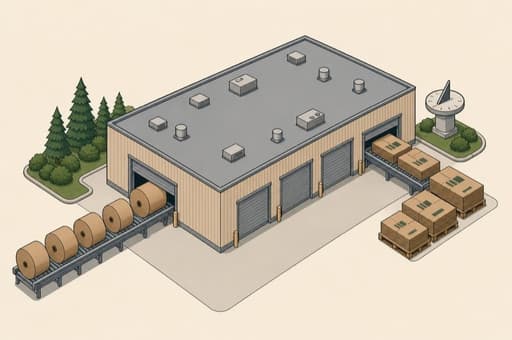
Glendale and Ohio box plants
Growth by building rather than buying: a 365,000 square foot plant in Glendale, Arizona that opened in 2025 with almost two billion square feet of capacity, and a 550,000 square foot Ohio plant running since July 2026. Both came in early.
Competes with Local box plants (Green Bay Packaging) · Integrated box plants (Georgia-Pacific)
In plain English
Not a product so much as a place. A full-line plant takes rolls of heavy paper in one door and ships finished, printed boxes out the other — gluing flat sheets around a wavy middle layer, then printing and cutting them, all under one roof.
PCA opened two of them. Glendale, Arizona started in March 2025, ahead of schedule and under budget, and pulled three older Phoenix-area sites into one building. The Ohio plant started in July 2026, also early. They earn money the same way the older plants do: by sitting close to customers who need boxes, and by being cheap to run.
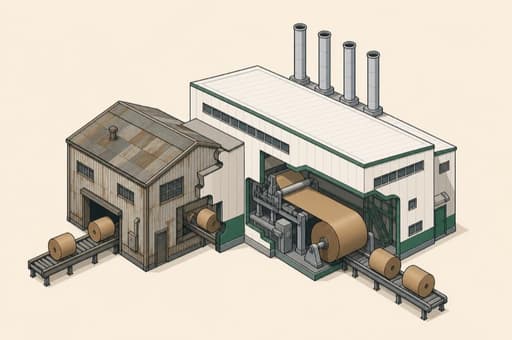
Greif containerboard business
Bought from Greif for $1.8 billion in September 2025: two mills holding roughly 800,000 tons of yearly capacity plus eight plants that cut board for independent box makers. Output climbed from 47,000 tons in the first month to 206,000 tons by spring 2026.
Competes with Sheet feeder plants (Smurfit Westrock) · Containerboard mill system (International Paper) · Industrial packaging (Greif)
In plain English
Making heavy brown paper needs a mill, and building one costs far more than buying one. So PCA paid $1.8 billion in cash for two of Greif's mills plus eight plants that cut board into sheets for independent box makers — management described it as avoiding the cost of a new mill.
The mills arrived running well below what they could do, and lifting them is where the payoff sits. PCA had already been a significant board supplier to Greif, so those sales are now internal. The deal also added around $130 million a year of depreciation and $95 million of interest, which the extra tons have to out-earn.
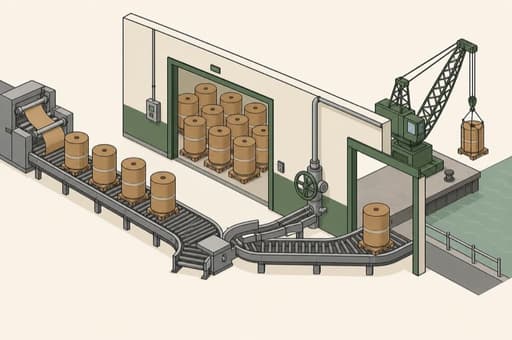
Containerboard sold to other box makers
Containerboard is the heavy brown paper a box is made from, and this is the tenth of it PCA does not use itself — sold to independent box makers and shipped abroad. Small money, big job: it keeps the mills full when box orders dip.
Competes with Kraft linerboard tons (International Paper) · Containerboard for independents (Smurfit Westrock) · Linerboard and medium grades (Cascades)
In plain English
About nine tenths of the brown paper PCA makes goes straight into its own box plants. This is the other tenth.
Independent box makers and overseas buyers pay by the ton, at prices that track a published industry price quote the whole trade watches. That makes this small line the release valve: when box orders soften, spare tons go out the door here, and when the company wants paper stockpiled for its own plants it ships less abroad — exactly what it did in spring 2026. PCA has been trying to move its contracts off that published quote, after the publisher declined to recognise an announced increase.
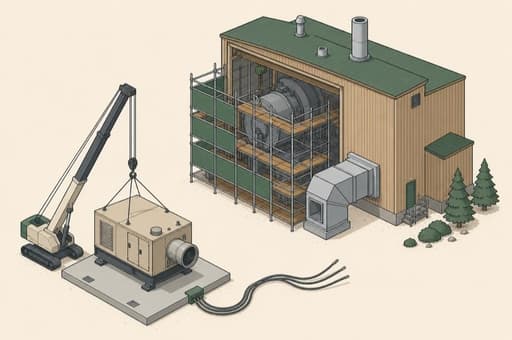
Mill upgrades and on-site power
PCA adds tons by rebuilding mills it already owns instead of building new ones: a converted machine at Jackson, Alabama, a slimmed-down Wallula, and approved gas turbines that would leave four of ten mills making their own electricity. About $850 million a year.
Competes with Mill optimisation and closures (International Paper) · Post-merger network consolidation (Smurfit Westrock) · Eastover mill speed-up (Sylvamo)
In plain English
Cheaper tons out of machines you already have. A paper machine has bottlenecks — a slow winder here, an old pulping line there — and clearing them adds output for a fraction of what a new mill costs.
That is the whole programme. Jackson, Alabama's third machine was switched over to box paper and then given a new winder, and set production and speed records in early 2026. Wallula, Washington shut a paper machine and its pulping line and immediately spent less on fiber, power and labour. Turbines are approved for Jackson and Riverville with a third being scoped at DeRidder, Louisiana. None of it is a sales line; it shows up in what a ton costs.
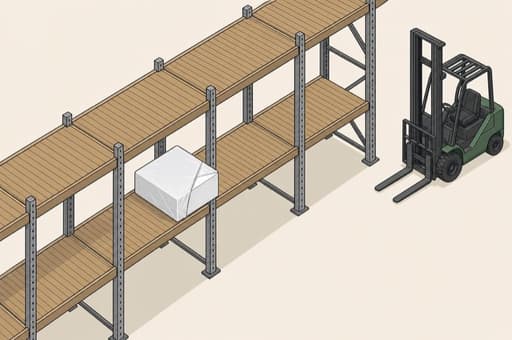
Boise Paper
Copy and printing papers — the X-9 and ASPEN reams — now made at a single mill in International Falls, Minnesota. It brought in $615 million in 2025 and earns a fatter margin than it used to, in a category where demand keeps drifting down.
Competes with Cut-size office paper (Sylvamo) · Cut-size and printing papers (Domtar) · Cypress Bend paperboard (Clearwater Paper)
In plain English
The reams in the office supply cupboard. Boise Paper makes plain white copy paper and printing papers, sold under the X-9 and ASPEN names, and since early 2026 all of it comes off two machines at one mill in International Falls, Minnesota.
Fewer pages get printed every year, so this ought to be a sad business. For now it is not. Rival mills have been closing machines faster than demand has fallen, so what is still made sells out — producers were rationing orders in early 2026 — and the profit on each ton has climbed even though the sales line barely moves in dollars.
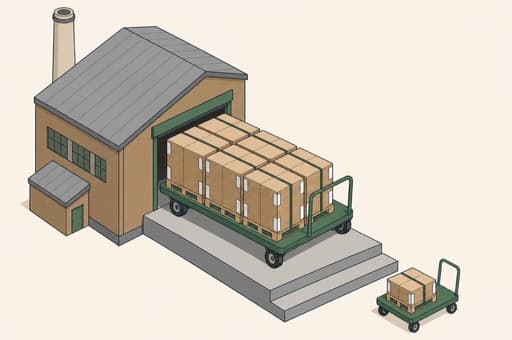
ODP supply agreement
The one big named customer: ODP, the owner of Office Depot and OfficeMax, takes 58% of Boise Paper's sales, about 4% of the whole company. The contract runs to the end of 2026 and nothing on file says it has been renewed.
Competes with Cut-size supply contracts (Sylvamo) · Cut-size office paper (Domtar) · Imported store-brand reams (Private-label importers)
In plain English
One customer, one contract, one deadline. ODP Corporation — the company behind Office Depot and OfficeMax — buys the office papers that keep the International Falls mill busy, under an agreement that runs through December 2026.
That single relationship is roughly 58 cents of every dollar the paper business earns and about four cents of the company's total. If it is not renewed, ODP's duty to keep buying winds down over two years starting in January 2027 — time to find replacement buyers, but no guarantee of finding them. No other customer PCA names comes close to this size.


 Corrugated ProductsThe boxes themselves — plain shipping cartons and printed retail displays out of 91 plants, roughly 85 cents of every dollar the company takes in. Shipments reached 71 billion square feet in 2025; watch whether price increases outrun freight and fiber costs.
The boxes themselves — plain shipping cartons and printed retail displays out of 91 plants, roughly 85 cents of every dollar the company takes in. Shipments reached 71 billion square feet in 2025; watch whether price increases outrun freight and fiber costs.
In plain English
Almost every physical thing you order arrives inside one of these. PCA runs 91 plants that cut, print and glue heavy brown paper into shipping cartons, plus the multi-colour boxes and displays that sit on store shelves.
Buyers are manufacturers and distributors ordering to their own sizes, with food and beverage companies the largest group. They re-order for as long as they keep shipping product. A box is bulky and cheap, so it cannot travel far profitably — each plant sells into the area around it, and its delivery radius sets what it can earn. Prices follow the cost of the brown paper inside, two or three months behind.
Competes with Corrugated Packaging (International Paper) · Corrugated containers (Smurfit Westrock) · Corrugated plant network (Georgia-Pacific)
 Glendale and Ohio box plantsGrowth by building rather than buying: a 365,000 square foot plant in Glendale, Arizona that opened in 2025 with almost two billion square feet of capacity, and a 550,000 square foot Ohio plant running since July 2026. Both came in early.
Growth by building rather than buying: a 365,000 square foot plant in Glendale, Arizona that opened in 2025 with almost two billion square feet of capacity, and a 550,000 square foot Ohio plant running since July 2026. Both came in early.
In plain English
Not a product so much as a place. A full-line plant takes rolls of heavy paper in one door and ships finished, printed boxes out the other — gluing flat sheets around a wavy middle layer, then printing and cutting them, all under one roof.
PCA opened two of them. Glendale, Arizona started in March 2025, ahead of schedule and under budget, and pulled three older Phoenix-area sites into one building. The Ohio plant started in July 2026, also early. They earn money the same way the older plants do: by sitting close to customers who need boxes, and by being cheap to run.
Competes with Local box plants (Green Bay Packaging) · Integrated box plants (Georgia-Pacific)
 Greif containerboard businessBought from Greif for $1.8 billion in September 2025: two mills holding roughly 800,000 tons of yearly capacity plus eight plants that cut board for independent box makers. Output climbed from 47,000 tons in the first month to 206,000 tons by spring 2026.
Bought from Greif for $1.8 billion in September 2025: two mills holding roughly 800,000 tons of yearly capacity plus eight plants that cut board for independent box makers. Output climbed from 47,000 tons in the first month to 206,000 tons by spring 2026.
In plain English
Making heavy brown paper needs a mill, and building one costs far more than buying one. So PCA paid $1.8 billion in cash for two of Greif's mills plus eight plants that cut board into sheets for independent box makers — management described it as avoiding the cost of a new mill.
The mills arrived running well below what they could do, and lifting them is where the payoff sits. PCA had already been a significant board supplier to Greif, so those sales are now internal. The deal also added around $130 million a year of depreciation and $95 million of interest, which the extra tons have to out-earn.
Competes with Sheet feeder plants (Smurfit Westrock) · Containerboard mill system (International Paper) · Industrial packaging (Greif)
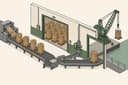 Containerboard sold to other box makersContainerboard is the heavy brown paper a box is made from, and this is the tenth of it PCA does not use itself — sold to independent box makers and shipped abroad. Small money, big job: it keeps the mills full when box orders dip.
Containerboard is the heavy brown paper a box is made from, and this is the tenth of it PCA does not use itself — sold to independent box makers and shipped abroad. Small money, big job: it keeps the mills full when box orders dip.
In plain English
About nine tenths of the brown paper PCA makes goes straight into its own box plants. This is the other tenth.
Independent box makers and overseas buyers pay by the ton, at prices that track a published industry price quote the whole trade watches. That makes this small line the release valve: when box orders soften, spare tons go out the door here, and when the company wants paper stockpiled for its own plants it ships less abroad — exactly what it did in spring 2026. PCA has been trying to move its contracts off that published quote, after the publisher declined to recognise an announced increase.
Competes with Kraft linerboard tons (International Paper) · Containerboard for independents (Smurfit Westrock) · Linerboard and medium grades (Cascades)
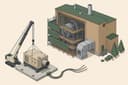 Mill upgrades and on-site powerPCA adds tons by rebuilding mills it already owns instead of building new ones: a converted machine at Jackson, Alabama, a slimmed-down Wallula, and approved gas turbines that would leave four of ten mills making their own electricity. About $850 million a year.
PCA adds tons by rebuilding mills it already owns instead of building new ones: a converted machine at Jackson, Alabama, a slimmed-down Wallula, and approved gas turbines that would leave four of ten mills making their own electricity. About $850 million a year.
In plain English
Cheaper tons out of machines you already have. A paper machine has bottlenecks — a slow winder here, an old pulping line there — and clearing them adds output for a fraction of what a new mill costs.
That is the whole programme. Jackson, Alabama's third machine was switched over to box paper and then given a new winder, and set production and speed records in early 2026. Wallula, Washington shut a paper machine and its pulping line and immediately spent less on fiber, power and labour. Turbines are approved for Jackson and Riverville with a third being scoped at DeRidder, Louisiana. None of it is a sales line; it shows up in what a ton costs.
Competes with Mill optimisation and closures (International Paper) · Post-merger network consolidation (Smurfit Westrock) · Eastover mill speed-up (Sylvamo)
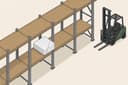 Boise PaperCopy and printing papers — the X-9 and ASPEN reams — now made at a single mill in International Falls, Minnesota. It brought in $615 million in 2025 and earns a fatter margin than it used to, in a category where demand keeps drifting down.
Copy and printing papers — the X-9 and ASPEN reams — now made at a single mill in International Falls, Minnesota. It brought in $615 million in 2025 and earns a fatter margin than it used to, in a category where demand keeps drifting down.
In plain English
The reams in the office supply cupboard. Boise Paper makes plain white copy paper and printing papers, sold under the X-9 and ASPEN names, and since early 2026 all of it comes off two machines at one mill in International Falls, Minnesota.
Fewer pages get printed every year, so this ought to be a sad business. For now it is not. Rival mills have been closing machines faster than demand has fallen, so what is still made sells out — producers were rationing orders in early 2026 — and the profit on each ton has climbed even though the sales line barely moves in dollars.
Competes with Cut-size office paper (Sylvamo) · Cut-size and printing papers (Domtar) · Cypress Bend paperboard (Clearwater Paper)
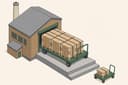 ODP supply agreementThe one big named customer: ODP, the owner of Office Depot and OfficeMax, takes 58% of Boise Paper's sales, about 4% of the whole company. The contract runs to the end of 2026 and nothing on file says it has been renewed.
The one big named customer: ODP, the owner of Office Depot and OfficeMax, takes 58% of Boise Paper's sales, about 4% of the whole company. The contract runs to the end of 2026 and nothing on file says it has been renewed.
In plain English
One customer, one contract, one deadline. ODP Corporation — the company behind Office Depot and OfficeMax — buys the office papers that keep the International Falls mill busy, under an agreement that runs through December 2026.
That single relationship is roughly 58 cents of every dollar the paper business earns and about four cents of the company's total. If it is not renewed, ODP's duty to keep buying winds down over two years starting in January 2027 — time to find replacement buyers, but no guarantee of finding them. No other customer PCA names comes close to this size.
Competes with Cut-size supply contracts (Sylvamo) · Cut-size office paper (Domtar) · Imported store-brand reams (Private-label importers)
Named in filings, launches and programs
- Retail-ready packaging and displaysProduct linePrinted point-of-sale boxes and merchandising displays sold beside the plain cartons; counted inside corrugated sales and never broken out.
- HexacombProduct linePaper honeycomb padding that stands in for foam and plastic void fill inside shipments; a real line, far under one percent of sales.
- CorrChoice sheet feeder networkProduct lineEight sheet feeder and corrugated plants that came with the Greif mills, supplying independent box makers across Cincinnati, Concord, Dallas, Louisville, Mason and Palmyra.
- Jackson, Alabama millProductThe mill whose third machine was switched to box paper in 2024, then given a new winder; it set production and speed records in early 2026.
- International Falls, Minnesota millProductTwo machines, about 500,000 tons a year, now the only white-paper mill; its yearly maintenance shutdown moved into the third quarter of 2026.
- X-9 multi-use copy paperBrandBoise Paper's everyday white copy-paper line, the plain reams bought for office printers.
- ASPEN recycled papersBrandBoise Paper's recycled-content copy and laser paper line, sold alongside X-9.
- Corporate and OtherSegmentRail cars, trucks and head-office support; $80.0 million of 2025 sales, under one percent of the company.
- Louisiana Timber ProcurementBrandHalf-owned venture holding wood-buying assets, reported inside the small corporate segment.
Retail-ready packaging and displaysProduct line
Printed point-of-sale boxes and merchandising displays sold beside the plain cartons; counted inside corrugated sales and never broken out.
HexacombProduct line
Paper honeycomb padding that stands in for foam and plastic void fill inside shipments; a real line, far under one percent of sales.
CorrChoice sheet feeder networkProduct line
Eight sheet feeder and corrugated plants that came with the Greif mills, supplying independent box makers across Cincinnati, Concord, Dallas, Louisville, Mason and Palmyra.
Jackson, Alabama millProduct
The mill whose third machine was switched to box paper in 2024, then given a new winder; it set production and speed records in early 2026.
International Falls, Minnesota millProduct
Two machines, about 500,000 tons a year, now the only white-paper mill; its yearly maintenance shutdown moved into the third quarter of 2026.
X-9 multi-use copy paperBrand
Boise Paper's everyday white copy-paper line, the plain reams bought for office printers.
ASPEN recycled papersBrand
Boise Paper's recycled-content copy and laser paper line, sold alongside X-9.
Corporate and OtherSegment
Rail cars, trucks and head-office support; $80.0 million of 2025 sales, under one percent of the company.
Louisiana Timber ProcurementBrand
Half-owned venture holding wood-buying assets, reported inside the small corporate segment.