
Phillips 66 (PSX)
Refines and markets fuels while operating NGL infrastructure and a petrochemicals joint venture.
Something off on this page? Send us feedback.
The company turns crude and useful liquids separated from natural gas into fuels, moves them through pipes and terminals, and sells them through a vast station and wholesale network. Fuel sales make it look overwhelmingly like a merchant, but refining and logistics decide much of the profit. It is becoming leaner in refining and more reliant on contracted pipeline and gas-separation growth.
Item facts: FY2025 · year ended Dec 31, 2025, from filings, earnings calls and company pages.
Judgment weights, not filed revenue
The band summarizes business focus and direction. ~ marks estimates.
6 in detail · 12 more below
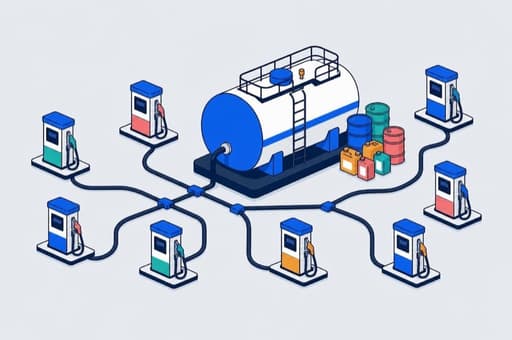
Marketing and Specialties
Gasoline, diesel, airplane fuel and lubricants sold through thousands of outlets and wholesale channels. This creates nearly two-thirds of sales, but much of that is fuel cost passing through; watch shrinking gasoline demand and resale margins.
Competes with Valero-branded wholesale network (Valero Energy) · Marathon and ARCO marketing (Marathon Petroleum)
In plain English
Most drivers never buy from Phillips 66 itself. The company supplies gasoline, diesel and airplane fuel to independent station operators, licensed dealers, airlines and bulk buyers; it also sells lubricants. Its own refineries provide much of the fuel, and outside refineries fill gaps.
This works like a giant grocery distributor: enormous sales ring up because expensive product moves through, while the real reward is the smaller margin kept between buying and reselling. Customers keep returning because they need reliable supply, recognizable station brands and delivery across a broad network.
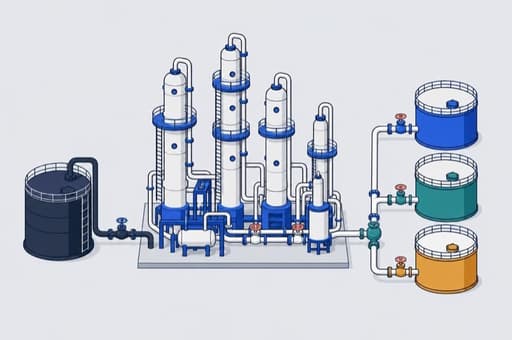
Refining
Ten refineries turn crude into gasoline, diesel, airplane fuel and other ingredients. Outside sales are only a fifth of company revenue because much of the output goes to its own sales arm; watch fuel margins, energy costs and shutdowns.
Competes with 13-refinery system (Marathon Petroleum) · 15-refinery system (Valero Energy)
In plain English
At the center are ten enormous industrial kitchens. Crude oil goes in; towers separate and reshape it into gasoline, diesel, airplane fuel and other building blocks. Phillips 66 then sends much of that output to its own sales arm, while some goes to outside wholesalers and exporters.
Money is made on the gap between what crude and energy cost and what the finished fuels sell for. Keeping the plants full helps spread fixed costs, but shutdowns, repairs and weak fuel prices can quickly erase that gap.
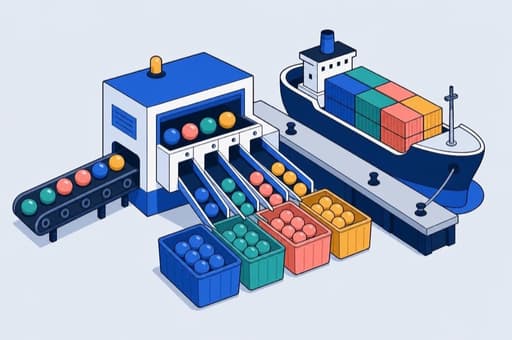
Natural Gas Liquids — DCP LP, Sweeny Hub and Coastal Bend
In the second quarter of 2026, this chain separated more than one million barrels a day. Expansion can bring more material and fees, but product prices and export access still make earnings less steady than a pure toll road.
Competes with Integrated NGL network (Enterprise Products) · Grand Prix and Mont Belvieu (Targa) · Gulf Coast NGL Express and Nederland (Energy Transfer)
In plain English
Natural gas arrives mixed with useful liquids. Phillips 66 gathers it from producing regions, then cools and separates out ethane, propane, butane and natural gasoline. Those liquids move onward to chemical plants or export docks.
Producers and other shippers pay for gathering, processing and movement; Phillips 66 also earns from selling the separated products. The chain is a sorting center for molecules: more gas production means more material to handle, while selling prices, plant reliability and available ships decide how much of the upside it keeps.
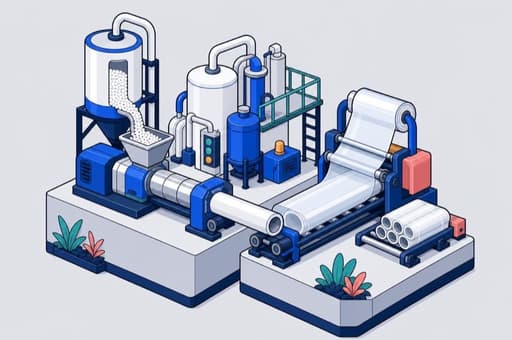
Chevron Phillips Chemical Company
Phillips 66 owns half of CPChem, whose FY2025 contribution fell to $297 million as new chemical capacity outran demand. Large plants due in 2027 add output, but the question is whether plastic prices recover enough to reward it.
Competes with Polyethylene product portfolio (Dow) · Exceed, Enable and Exact polyethylene (ExxonMobil)
In plain English
Plastic starts here with small molecules taken from natural gas. CPChem takes ethane and refinery streams, breaks them into basic chemical building blocks, and turns those into plastic pellets and other materials used in packaging, pipe and industry. Phillips 66 owns half; Chevron owns the other half.
Customers pay by the pound for materials with the properties their factories need. Phillips 66 does not add CPChem's sales to its own sales line; it receives half of the co-owned producer's profit and cash distributions. That income depends on raw-material costs, selling prices and whether too many new plants are chasing the same demand.
Transportation
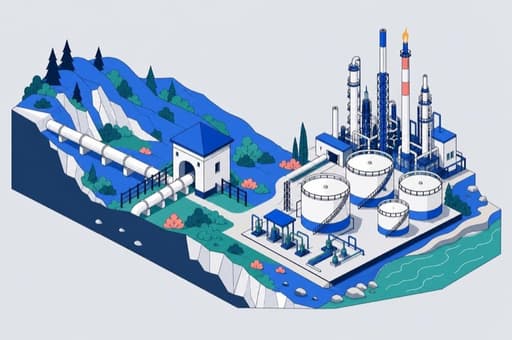
Pipelines, terminals and storage tanks collect fees for moving and holding crude and fuel. Customers had $761 million of minimum fixed payments still promised through 2036; watch refinery runs, permits and whether new western routes secure enough users.
Competes with Crude Oil and Products Logistics (MPLX) · SFPP and CALNEV (Kinder Morgan)
In plain English
The toll-road part of Phillips 66 moves crude into refineries, finished fuel out, and both into terminals and storage tanks. Its own refineries provide steady traffic; outside shippers also buy space when the routes fit their supply chains.
Customers pay for each movement or reserve capacity so it is available when needed. That can make cash steadier than refining, but only where contracts and useful routes keep the pipes busy. Maintenance, permits and refinery closures matter because a pipeline cannot easily pick itself up and follow demand somewhere else.
Renewable Fuels — Rodeo Complex and European Renewables
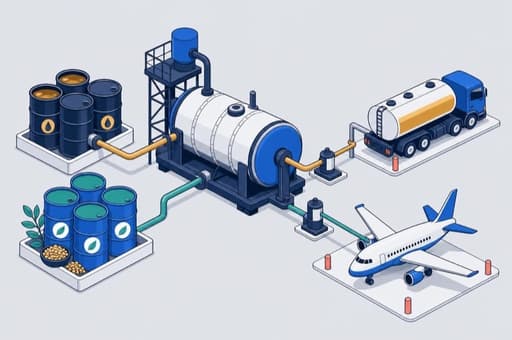
The business lost $380 million in FY2025, then earned $544 million in the second quarter of 2026. That sharp swing shows what to watch: input oil costs and government credits can matter as much as fuel sales.
Competes with Diamond Green Diesel (Valero and Darling) · Martinez Renewables (Marathon and Neste)
In plain English
Used fryer oil and plant oils can be cleaned and rebuilt into diesel and airplane fuel that works in existing engines. Rodeo is the main plant; Humber in Britain blends renewable material into conventional production, and the fuel-sales network places the output with road and aviation buyers.
Customers pay for the fuel, while government programs add credits for making fuel with lower lifetime emissions. That second source of value is crucial: feedstock prices, tax rules and the number of credits earned can decide whether a barrel makes or loses money. Airlines and West Coast diesel users provide demand, but policy changes can move the payoff quickly.


 Marketing and SpecialtiesGasoline, diesel, airplane fuel and lubricants sold through thousands of outlets and wholesale channels. This creates nearly two-thirds of sales, but much of that is fuel cost passing through; watch shrinking gasoline demand and resale margins.
Gasoline, diesel, airplane fuel and lubricants sold through thousands of outlets and wholesale channels. This creates nearly two-thirds of sales, but much of that is fuel cost passing through; watch shrinking gasoline demand and resale margins.
In plain English
Most drivers never buy from Phillips 66 itself. The company supplies gasoline, diesel and airplane fuel to independent station operators, licensed dealers, airlines and bulk buyers; it also sells lubricants. Its own refineries provide much of the fuel, and outside refineries fill gaps.
This works like a giant grocery distributor: enormous sales ring up because expensive product moves through, while the real reward is the smaller margin kept between buying and reselling. Customers keep returning because they need reliable supply, recognizable station brands and delivery across a broad network.
Competes with Valero-branded wholesale network (Valero Energy) · Marathon and ARCO marketing (Marathon Petroleum)
 RefiningTen refineries turn crude into gasoline, diesel, airplane fuel and other ingredients. Outside sales are only a fifth of company revenue because much of the output goes to its own sales arm; watch fuel margins, energy costs and shutdowns.
Ten refineries turn crude into gasoline, diesel, airplane fuel and other ingredients. Outside sales are only a fifth of company revenue because much of the output goes to its own sales arm; watch fuel margins, energy costs and shutdowns.
In plain English
At the center are ten enormous industrial kitchens. Crude oil goes in; towers separate and reshape it into gasoline, diesel, airplane fuel and other building blocks. Phillips 66 then sends much of that output to its own sales arm, while some goes to outside wholesalers and exporters.
Money is made on the gap between what crude and energy cost and what the finished fuels sell for. Keeping the plants full helps spread fixed costs, but shutdowns, repairs and weak fuel prices can quickly erase that gap.
Competes with 13-refinery system (Marathon Petroleum) · 15-refinery system (Valero Energy)
 Natural Gas Liquids — DCP LP, Sweeny Hub and Coastal BendIn the second quarter of 2026, this chain separated more than one million barrels a day. Expansion can bring more material and fees, but product prices and export access still make earnings less steady than a pure toll road.
In the second quarter of 2026, this chain separated more than one million barrels a day. Expansion can bring more material and fees, but product prices and export access still make earnings less steady than a pure toll road.
In plain English
Natural gas arrives mixed with useful liquids. Phillips 66 gathers it from producing regions, then cools and separates out ethane, propane, butane and natural gasoline. Those liquids move onward to chemical plants or export docks.
Producers and other shippers pay for gathering, processing and movement; Phillips 66 also earns from selling the separated products. The chain is a sorting center for molecules: more gas production means more material to handle, while selling prices, plant reliability and available ships decide how much of the upside it keeps.
Competes with Integrated NGL network (Enterprise Products) · Grand Prix and Mont Belvieu (Targa) · Gulf Coast NGL Express and Nederland (Energy Transfer)
 Chevron Phillips Chemical CompanyPhillips 66 owns half of CPChem, whose FY2025 contribution fell to $297 million as new chemical capacity outran demand. Large plants due in 2027 add output, but the question is whether plastic prices recover enough to reward it.
Phillips 66 owns half of CPChem, whose FY2025 contribution fell to $297 million as new chemical capacity outran demand. Large plants due in 2027 add output, but the question is whether plastic prices recover enough to reward it.
In plain English
Plastic starts here with small molecules taken from natural gas. CPChem takes ethane and refinery streams, breaks them into basic chemical building blocks, and turns those into plastic pellets and other materials used in packaging, pipe and industry. Phillips 66 owns half; Chevron owns the other half.
Customers pay by the pound for materials with the properties their factories need. Phillips 66 does not add CPChem's sales to its own sales line; it receives half of the co-owned producer's profit and cash distributions. That income depends on raw-material costs, selling prices and whether too many new plants are chasing the same demand.
Competes with Polyethylene product portfolio (Dow) · Exceed, Enable and Exact polyethylene (ExxonMobil)
 TransportationPipelines, terminals and storage tanks collect fees for moving and holding crude and fuel. Customers had $761 million of minimum fixed payments still promised through 2036; watch refinery runs, permits and whether new western routes secure enough users.
Pipelines, terminals and storage tanks collect fees for moving and holding crude and fuel. Customers had $761 million of minimum fixed payments still promised through 2036; watch refinery runs, permits and whether new western routes secure enough users.
In plain English
The toll-road part of Phillips 66 moves crude into refineries, finished fuel out, and both into terminals and storage tanks. Its own refineries provide steady traffic; outside shippers also buy space when the routes fit their supply chains.
Customers pay for each movement or reserve capacity so it is available when needed. That can make cash steadier than refining, but only where contracts and useful routes keep the pipes busy. Maintenance, permits and refinery closures matter because a pipeline cannot easily pick itself up and follow demand somewhere else.
Competes with Crude Oil and Products Logistics (MPLX) · SFPP and CALNEV (Kinder Morgan)
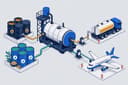 Renewable Fuels — Rodeo Complex and European RenewablesThe business lost $380 million in FY2025, then earned $544 million in the second quarter of 2026. That sharp swing shows what to watch: input oil costs and government credits can matter as much as fuel sales.
The business lost $380 million in FY2025, then earned $544 million in the second quarter of 2026. That sharp swing shows what to watch: input oil costs and government credits can matter as much as fuel sales.
In plain English
Used fryer oil and plant oils can be cleaned and rebuilt into diesel and airplane fuel that works in existing engines. Rodeo is the main plant; Humber in Britain blends renewable material into conventional production, and the fuel-sales network places the output with road and aviation buyers.
Customers pay for the fuel, while government programs add credits for making fuel with lower lifetime emissions. That second source of value is crucial: feedstock prices, tax rules and the number of credits earned can decide whether a barrel makes or loses money. Airlines and West Coast diesel users provide demand, but policy changes can move the payoff quickly.
Competes with Diamond Green Diesel (Valero and Darling) · Martinez Renewables (Marathon and Neste)
Named in filings, launches and programs
- Phillips 66 Lubricants and Excel ParalubesProduct lineMotor, fleet and industrial oils sit inside the sales segment; Excel Paralubes makes the oil blended into them from Lake Charles refinery inputs.
- Western Gateway PipelineEcosystem · AnnouncedA proposed western fuel route backed mainly by ten-year customer commitments, targeting 2029 and about $2.5 billion of Phillips 66 cash.
- Midstream minimum-volume contractsCustomer programCustomers reserve a minimum amount of pipeline service, helping steady fees; the buyers are not disclosed.
- Sustainable aviation fuel customer programsCustomer program · RampingAn unnamed cargo company agreed to buy about 83 million gallons over three years; United Airlines can take up to 8 million.
- Coastal Bend pipeline expansionEcosystem · RampingThe gas-liquids line is set to grow from 225,000 to 350,000 barrels a day in late 2026.
- Zeus Gas Plant, Midland Express and third Coastal Bend FractionatorEcosystem · AnnouncedThree linked gas-gathering and separation projects are planned for 2028, extending the route from producing fields to Gulf Coast markets.
- Iron Mesa Gas PlantEcosystem · AnnouncedA new plant in the Permian oil-and-gas region, scheduled for early 2027 and designed to handle 300 million cubic feet a day.
- Lindsey logistics assetsEcosystemSelected British storage and transport assets now support Humber; Phillips 66 did not buy them to restart the Lindsey refinery.
- Fuel Forward appEcosystemA payment and loyalty channel for customers at Phillips 66, Conoco and 76 stations.
- Phillips 66 AviationBrandAviation fuel reaches buyers through roughly eight hundred locations, adding an outlet beyond road transport.
- Commercial and TradingServiceThe team balances supply, transport and price exposure across the physical chain rather than standing as a separate sales business.
- Energy Research & Innovation and NOVONIX investmentProduct · Pre-revenueCorporate research and a battery-materials stake explore future technologies, with no revenue disclosed.
Phillips 66 Lubricants and Excel ParalubesProduct line
Motor, fleet and industrial oils sit inside the sales segment; Excel Paralubes makes the oil blended into them from Lake Charles refinery inputs.
Western Gateway PipelineEcosystem · Announced
A proposed western fuel route backed mainly by ten-year customer commitments, targeting 2029 and about $2.5 billion of Phillips 66 cash.
Midstream minimum-volume contractsCustomer program
Customers reserve a minimum amount of pipeline service, helping steady fees; the buyers are not disclosed.
Sustainable aviation fuel customer programsCustomer program · Ramping
An unnamed cargo company agreed to buy about 83 million gallons over three years; United Airlines can take up to 8 million.
Coastal Bend pipeline expansionEcosystem · Ramping
The gas-liquids line is set to grow from 225,000 to 350,000 barrels a day in late 2026.
Zeus Gas Plant, Midland Express and third Coastal Bend FractionatorEcosystem · Announced
Three linked gas-gathering and separation projects are planned for 2028, extending the route from producing fields to Gulf Coast markets.
Iron Mesa Gas PlantEcosystem · Announced
A new plant in the Permian oil-and-gas region, scheduled for early 2027 and designed to handle 300 million cubic feet a day.
Lindsey logistics assetsEcosystem
Selected British storage and transport assets now support Humber; Phillips 66 did not buy them to restart the Lindsey refinery.
Fuel Forward appEcosystem
A payment and loyalty channel for customers at Phillips 66, Conoco and 76 stations.
Phillips 66 AviationBrand
Aviation fuel reaches buyers through roughly eight hundred locations, adding an outlet beyond road transport.
Commercial and TradingService
The team balances supply, transport and price exposure across the physical chain rather than standing as a separate sales business.
Energy Research & Innovation and NOVONIX investmentProduct · Pre-revenue
Corporate research and a battery-materials stake explore future technologies, with no revenue disclosed.