
Royalty Pharma (RPRX)
Buys drug royalties and funds late-stage medicines for future royalty streams.
Something off on this page? Send us feedback.
Royalty Pharma discovers nothing and manufactures nothing. It buys the right to a cut of other companies' drug sales — from universities, inventors and earlier investors — then collects the cash for as long as doctors keep prescribing. A staff of about a hundred, no factories, and one family of cystic fibrosis medicines paying for a large slice of it. Lately it has started creating those rights instead of only buying them.
Item facts: FY2025 · year ended Dec 31, 2025, from filings, earnings calls and company pages.
Judgment weights, not filed revenue
The band summarizes business focus and direction. ~ marks estimates.
7 in detail · 18 more below
Vertex cystic fibrosis franchise
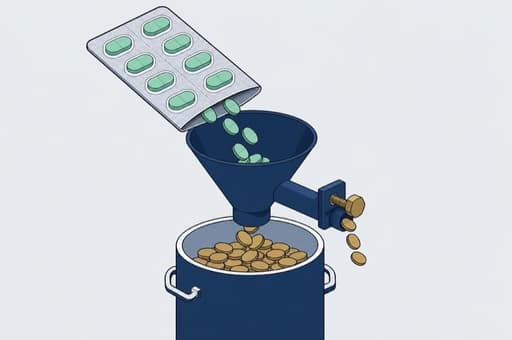
A cut of five Vertex medicines for cystic fibrosis, an inherited lung disease. It brought in 28% of the cash collected in 2025 — more than twice the next-largest stream. Since mid-2025 Vertex has been holding part of that payment back.
Competes with Alyftrek (Vertex) · Experimental cystic fibrosis medicines (Sionna Therapeutics)
In plain English
Cystic fibrosis is an inherited disease that fills the lungs with thick mucus. Vertex sells the medicines for it and is the only supplier; Royalty Pharma bought, in 2014 and 2020, the right to a slice of every sale, running to around 2040.
It works rather like owning the mineral rights under a farm you never work: Vertex does all the selling, and a share of the proceeds arrives anyway. The fight is over wording. Vertex says the active ingredient in its newest medicine, Alyftrek, is not covered by the contract; Royalty Pharma says it is, and has been paid roughly half the rate it expected. A resolution is not expected until around the middle of 2027.

Trelegy
GSK's once-a-day inhaler for long-term lung disease and asthma, worth about a tenth of the cash collected. Most of the royalty hands back to GSK from mid-2029 outside America and end-2030 inside it — the end date, not the rivals, is what bounds this one.
Competes with Breztri Aerosphere (AstraZeneca) · Trimbow (Chiesi)
In plain English
Three medicines packed into one inhaler, taken once a day, for people with damaged lungs or asthma. GSK makes it and sells it; Royalty Pharma bought the stream in 2022 and takes between six and ten cents of every dollar of sales, the cut rising as annual sales climb.
Which is why the payments sag early in each year: the sales counter resets to the low rate every January. And there is a cliff written into the contract — most of the royalty reverts to GSK from mid-2029 abroad and the end of 2030 in the US. The inhaler will carry on selling. The payments mostly stop.
Tremfya
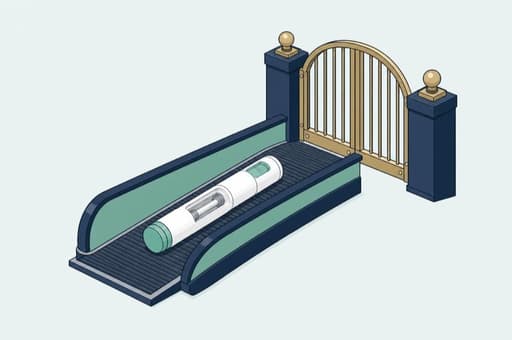
Johnson & Johnson's injection for psoriasis and inflamed bowels, and the fastest-growing of the large streams — receipts jumped 53% in the second quarter of 2026. The rights it rests on expire around 2031, so it stops well before the medicine does.
Competes with Skyrizi (AbbVie) · Icotyde (Johnson & Johnson)
In plain English
Tremfya calms an immune system that is attacking its owner — scaly skin, swollen joints, an inflamed gut. Johnson & Johnson sells it, and about four cents of every dollar of those sales lands here.
The odd part is where the claim comes from. It hangs on rights bought from another drug company, MorphoSys, and management says those run out in 2031 or 2032. So this is the map's fastest riser with a known last day: growing hard now, then done, while J&J keeps selling. Royalty Pharma is also helping pay for a J&J combination treatment known as 4804 — a fresh stream rather than an extension of this one.
Tysabri
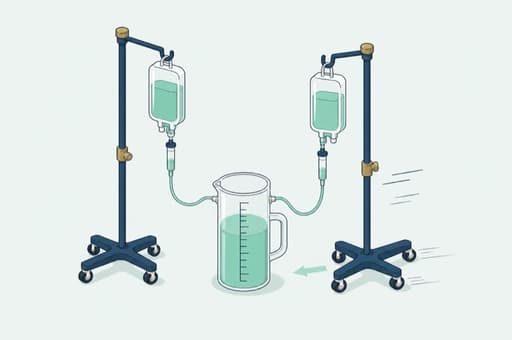
A Biogen drip for multiple sclerosis carrying the richest rate in the portfolio: eighteen cents on the first two billion dollars of yearly sales, twenty-five above that. A cheap copy launched in America in late 2025, yet receipts were still up 19% in the second quarter of 2026.
Competes with Tyruko (Sandoz) · Ocrevus (Roche) · Kesimpta (Novartis)
In plain English
Given as a slow drip in a clinic, Tysabri slows the nerve damage of multiple sclerosis. Biogen sells it, and Royalty Pharma's cut here is the fattest it owns anywhere, which is how a mid-sized medicine throws off outsized cash.
That is exactly why a copy hurts. Sandoz launched the first approved copy of the drug in the US in November 2025, and cheaper versions pull both price and patients away. Payments arrive about three months behind the sales that earned them, so the damage will show up in clinics before it shows up in the cash. The second-quarter jump is a lagging picture, not an all-clear.
Evrysdi
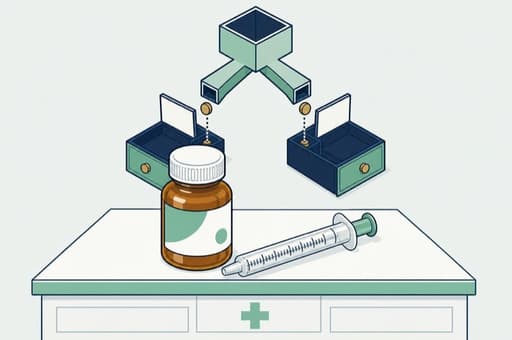
Roche's liquid treatment for spinal muscular atrophy, a rare disease that steadily weakens the muscles. Receipts rose 42% in the second quarter of 2026, and the royalty runs into the mid-2030s.
Competes with Spinraza (Biogen) · Zolgensma (Novartis)
In plain English
Evrysdi is a liquid you swallow, sold by Roche for spinal muscular atrophy — a rare inherited condition that wastes the muscles. Royalty Pharma assembled its claim on it piece by piece — four separate purchases between 2020 and 2025 — taking a cut that climbs from eight to sixteen cents on the dollar as sales grow.
There is a quiet hedge inside this one. Evrysdi's older rival, Spinraza, is a Biogen medicine Royalty Pharma also draws a royalty from. Whichever of the two doctors reach for, the money walks in the same door — only the size of the cheque changes.
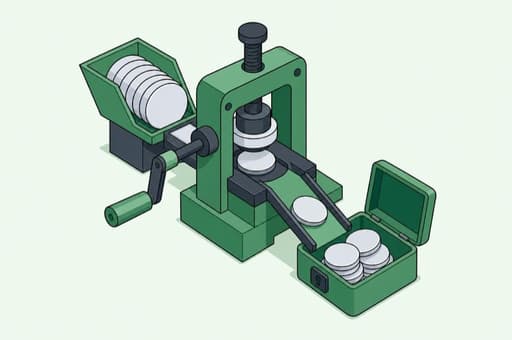
Synthetic royalties and R&D co-funding
Rather than buy a royalty that already exists, this side creates one: cash now for a launch or a trial, a slice of future sales later. Barely any money back yet — but in 2025, for the first time, creating royalties committed more capital than buying existing ones did.
Competes with Drug royalty financing (HealthCare Royalty) · Structured biotech financing (Blackstone Life Sciences) · Listed royalty portfolio (DRI Healthcare Trust)
In plain English
Small drug companies run short of money at the worst moment — just as a medicine is approved and needs salespeople behind it. The usual fix is selling more shares, which shrinks what the founders and existing owners keep. The alternative on offer here: Royalty Pharma hands over the cash and takes a permanent slice of whatever that drug goes on to sell.
It also writes cheques to giants like Teva and Johnson & Johnson to help fund their trials, again in exchange for a future cut. Commitments run up to two billion dollars with Revolution Medicines alone. Almost nothing has come back yet; the money goes out years before any of it returns.
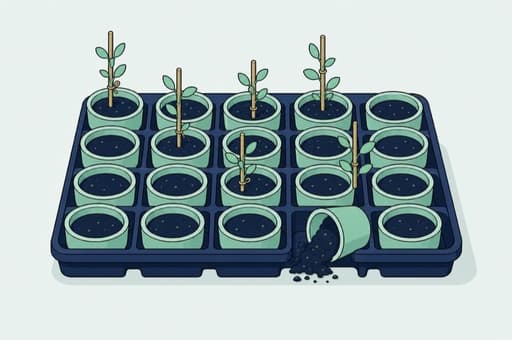
Development-stage royalty pipeline
Roughly twenty medicines still in trials on which royalties are already owned, paying nothing today. Management expects yearly collections of $4.7 billion or more by 2030, against about $3.3 billion last year — a chunk of that has to walk out of here.
Competes with Camzyos (Bristol Myers Squibb) · olpasiran (Amgen) · Amvuttra (Alnylam)
In plain English
Twenty or so medicines are still being tested, and Royalty Pharma already holds the right to a share of sales on each one if it reaches the market. Novartis, Amgen, Sanofi, Roche and the rest run the trials and pay for the launches; Royalty Pharma pays only for the right to a share.
Nothing is collected from any of them today, and some will fail — Novartis' pelacarsen missed its main goal in September 2026, though the company still expects its money back with a modest gain. It also, on purpose, owns rights on rival medicines aimed at the same disease, so whichever one wins, the cash finds its way home.


 Vertex cystic fibrosis franchiseA cut of five Vertex medicines for cystic fibrosis, an inherited lung disease. It brought in 28% of the cash collected in 2025 — more than twice the next-largest stream. Since mid-2025 Vertex has been holding part of that payment back.
A cut of five Vertex medicines for cystic fibrosis, an inherited lung disease. It brought in 28% of the cash collected in 2025 — more than twice the next-largest stream. Since mid-2025 Vertex has been holding part of that payment back.
In plain English
Cystic fibrosis is an inherited disease that fills the lungs with thick mucus. Vertex sells the medicines for it and is the only supplier; Royalty Pharma bought, in 2014 and 2020, the right to a slice of every sale, running to around 2040.
It works rather like owning the mineral rights under a farm you never work: Vertex does all the selling, and a share of the proceeds arrives anyway. The fight is over wording. Vertex says the active ingredient in its newest medicine, Alyftrek, is not covered by the contract; Royalty Pharma says it is, and has been paid roughly half the rate it expected. A resolution is not expected until around the middle of 2027.
Competes with Alyftrek (Vertex) · Experimental cystic fibrosis medicines (Sionna Therapeutics)
 TrelegyGSK's once-a-day inhaler for long-term lung disease and asthma, worth about a tenth of the cash collected. Most of the royalty hands back to GSK from mid-2029 outside America and end-2030 inside it — the end date, not the rivals, is what bounds this one.
GSK's once-a-day inhaler for long-term lung disease and asthma, worth about a tenth of the cash collected. Most of the royalty hands back to GSK from mid-2029 outside America and end-2030 inside it — the end date, not the rivals, is what bounds this one.
In plain English
Three medicines packed into one inhaler, taken once a day, for people with damaged lungs or asthma. GSK makes it and sells it; Royalty Pharma bought the stream in 2022 and takes between six and ten cents of every dollar of sales, the cut rising as annual sales climb.
Which is why the payments sag early in each year: the sales counter resets to the low rate every January. And there is a cliff written into the contract — most of the royalty reverts to GSK from mid-2029 abroad and the end of 2030 in the US. The inhaler will carry on selling. The payments mostly stop.
Competes with Breztri Aerosphere (AstraZeneca) · Trimbow (Chiesi)
 TremfyaJohnson & Johnson's injection for psoriasis and inflamed bowels, and the fastest-growing of the large streams — receipts jumped 53% in the second quarter of 2026. The rights it rests on expire around 2031, so it stops well before the medicine does.
Johnson & Johnson's injection for psoriasis and inflamed bowels, and the fastest-growing of the large streams — receipts jumped 53% in the second quarter of 2026. The rights it rests on expire around 2031, so it stops well before the medicine does.
In plain English
Tremfya calms an immune system that is attacking its owner — scaly skin, swollen joints, an inflamed gut. Johnson & Johnson sells it, and about four cents of every dollar of those sales lands here.
The odd part is where the claim comes from. It hangs on rights bought from another drug company, MorphoSys, and management says those run out in 2031 or 2032. So this is the map's fastest riser with a known last day: growing hard now, then done, while J&J keeps selling. Royalty Pharma is also helping pay for a J&J combination treatment known as 4804 — a fresh stream rather than an extension of this one.
Competes with Skyrizi (AbbVie) · Icotyde (Johnson & Johnson)
 TysabriA Biogen drip for multiple sclerosis carrying the richest rate in the portfolio: eighteen cents on the first two billion dollars of yearly sales, twenty-five above that. A cheap copy launched in America in late 2025, yet receipts were still up 19% in the second quarter of 2026.
A Biogen drip for multiple sclerosis carrying the richest rate in the portfolio: eighteen cents on the first two billion dollars of yearly sales, twenty-five above that. A cheap copy launched in America in late 2025, yet receipts were still up 19% in the second quarter of 2026.
In plain English
Given as a slow drip in a clinic, Tysabri slows the nerve damage of multiple sclerosis. Biogen sells it, and Royalty Pharma's cut here is the fattest it owns anywhere, which is how a mid-sized medicine throws off outsized cash.
That is exactly why a copy hurts. Sandoz launched the first approved copy of the drug in the US in November 2025, and cheaper versions pull both price and patients away. Payments arrive about three months behind the sales that earned them, so the damage will show up in clinics before it shows up in the cash. The second-quarter jump is a lagging picture, not an all-clear.
Competes with Tyruko (Sandoz) · Ocrevus (Roche) · Kesimpta (Novartis)
 EvrysdiRoche's liquid treatment for spinal muscular atrophy, a rare disease that steadily weakens the muscles. Receipts rose 42% in the second quarter of 2026, and the royalty runs into the mid-2030s.
Roche's liquid treatment for spinal muscular atrophy, a rare disease that steadily weakens the muscles. Receipts rose 42% in the second quarter of 2026, and the royalty runs into the mid-2030s.
In plain English
Evrysdi is a liquid you swallow, sold by Roche for spinal muscular atrophy — a rare inherited condition that wastes the muscles. Royalty Pharma assembled its claim on it piece by piece — four separate purchases between 2020 and 2025 — taking a cut that climbs from eight to sixteen cents on the dollar as sales grow.
There is a quiet hedge inside this one. Evrysdi's older rival, Spinraza, is a Biogen medicine Royalty Pharma also draws a royalty from. Whichever of the two doctors reach for, the money walks in the same door — only the size of the cheque changes.
Competes with Spinraza (Biogen) · Zolgensma (Novartis)
 Synthetic royalties and R&D co-fundingRather than buy a royalty that already exists, this side creates one: cash now for a launch or a trial, a slice of future sales later. Barely any money back yet — but in 2025, for the first time, creating royalties committed more capital than buying existing ones did.
Rather than buy a royalty that already exists, this side creates one: cash now for a launch or a trial, a slice of future sales later. Barely any money back yet — but in 2025, for the first time, creating royalties committed more capital than buying existing ones did.
In plain English
Small drug companies run short of money at the worst moment — just as a medicine is approved and needs salespeople behind it. The usual fix is selling more shares, which shrinks what the founders and existing owners keep. The alternative on offer here: Royalty Pharma hands over the cash and takes a permanent slice of whatever that drug goes on to sell.
It also writes cheques to giants like Teva and Johnson & Johnson to help fund their trials, again in exchange for a future cut. Commitments run up to two billion dollars with Revolution Medicines alone. Almost nothing has come back yet; the money goes out years before any of it returns.
Competes with Drug royalty financing (HealthCare Royalty) · Structured biotech financing (Blackstone Life Sciences) · Listed royalty portfolio (DRI Healthcare Trust)
 Development-stage royalty pipelineRoughly twenty medicines still in trials on which royalties are already owned, paying nothing today. Management expects yearly collections of $4.7 billion or more by 2030, against about $3.3 billion last year — a chunk of that has to walk out of here.
Roughly twenty medicines still in trials on which royalties are already owned, paying nothing today. Management expects yearly collections of $4.7 billion or more by 2030, against about $3.3 billion last year — a chunk of that has to walk out of here.
In plain English
Twenty or so medicines are still being tested, and Royalty Pharma already holds the right to a share of sales on each one if it reaches the market. Novartis, Amgen, Sanofi, Roche and the rest run the trials and pay for the launches; Royalty Pharma pays only for the right to a share.
Nothing is collected from any of them today, and some will fail — Novartis' pelacarsen missed its main goal in September 2026, though the company still expects its money back with a modest gain. It also, on purpose, owns rights on rival medicines aimed at the same disease, so whichever one wins, the cash finds its way home.
Competes with Camzyos (Bristol Myers Squibb) · olpasiran (Amgen) · Amvuttra (Alnylam)
Named in filings, launches and programs
- Other marketed royaltiesProduct lineA basket of around ten smaller streams — Crysvita, Emgality, Nurtec ODT, Prevymis, Orladeyo and others — worth $381M in 2025, about an eighth of the cash collected.
- VoranigoProduct · RampingServier's brain-cancer medicine, bought 2024: 15% of the first $1B of US sales. Small but climbing, up 72% in the second quarter of 2026.
- Milestone paymentsServiceOne-off payments triggered when a partner's drug hits a set target: $128M in 2025, guided down to roughly $60M in 2026.
- Cabometyx / CometriqProductA cancer medicine from Exelixis, Ipsen and Takeda paying a flat three cents on the dollar — $85M in 2025, running out between 2026 and 2029.
- PromactaProductNovartis blood medicine whose patent protection lapsed: $142M in 2025 collapsed to $8M in the second quarter of 2026. The 2026 guidance absorbs the loss.
- SpinrazaProductBiogen's spinal muscular atrophy treatment, $52M in 2025 on a rate that steps up in 2028 — now the route to getting the Ionis money back.
- TrodelvyProductGilead cancer medicine on a never-expiring royalty that starts at 4.15% and steps down; $47M in 2025, up 36% in the second quarter of 2026.
- ErleadaProductJohnson & Johnson prostate cancer drug paying a low-single-digit cut through 2032; $46M in 2025.
- ImdelltraProduct · RampingAmgen lung cancer launch from 2025 at about 7%, running to the late 2030s; $10M for all of 2025, then $17M in the second quarter of 2026 alone.
- AmvuttraProduct · RampingAlnylam medicine for a rare protein-buildup disease; the royalty was bought from Blackstone for $310M in November 2025 and paid $9M in the second quarter of 2026.
- ZiiheraProductBought March 2026 for $250M upfront: 30% of Zymeworks' royalty on a targeted cancer medicine sold by Jazz and BeOne.
- MyqorzoCustomer program · RampingCytokinetics' heart medicine, approved December 2025; $275M of $525M in launch funding drawn, repaid as a royalty once sales build.
- daraxonrasibCustomer program · Pre-revenueRevolution Medicines' cancer candidate: $500M funded of up to $2B, buying a royalty that starts at 4.55% of sales. FDA submission finished in 2026.
- cliramitugProduct · Pre-revenueUp to $425M to Neurimmune for 3.75% of an AstraZeneca heart medicine; its roughly 1,200-patient trial is fully enrolled and reports in 2028.
- rusfertideProduct · Pre-revenue$100M to Zealand Pharma for 1% of worldwide sales of a blood-disorder treatment Takeda will market; the FDA decision is due in the third quarter of 2026.
- pelacarsenProduct · Pre-revenueNovartis candidate that missed its main trial goal in September 2026; Royalty Pharma says it still expects its investment back with a modest positive return.
- Teva funding dealsCustomer program · Pre-revenueTwo Teva candidates funded — $100M on TEV-'749, up to $500M on TEV-'408 added in 2026 — each buying a royalty if the medicine reaches patients.
- J&J 4804 co-fundingCustomer program · AnnouncedRoyalty Pharma is helping pay for a Johnson & Johnson immune-disease combination in exchange for a new royalty; the deal's terms were not disclosed.
Other marketed royaltiesProduct line
A basket of around ten smaller streams — Crysvita, Emgality, Nurtec ODT, Prevymis, Orladeyo and others — worth $381M in 2025, about an eighth of the cash collected.
VoranigoProduct · Ramping
Servier's brain-cancer medicine, bought 2024: 15% of the first $1B of US sales. Small but climbing, up 72% in the second quarter of 2026.
Milestone paymentsService
One-off payments triggered when a partner's drug hits a set target: $128M in 2025, guided down to roughly $60M in 2026.
Cabometyx / CometriqProduct
A cancer medicine from Exelixis, Ipsen and Takeda paying a flat three cents on the dollar — $85M in 2025, running out between 2026 and 2029.
PromactaProduct
Novartis blood medicine whose patent protection lapsed: $142M in 2025 collapsed to $8M in the second quarter of 2026. The 2026 guidance absorbs the loss.
SpinrazaProduct
Biogen's spinal muscular atrophy treatment, $52M in 2025 on a rate that steps up in 2028 — now the route to getting the Ionis money back.
TrodelvyProduct
Gilead cancer medicine on a never-expiring royalty that starts at 4.15% and steps down; $47M in 2025, up 36% in the second quarter of 2026.
ErleadaProduct
Johnson & Johnson prostate cancer drug paying a low-single-digit cut through 2032; $46M in 2025.
ImdelltraProduct · Ramping
Amgen lung cancer launch from 2025 at about 7%, running to the late 2030s; $10M for all of 2025, then $17M in the second quarter of 2026 alone.
AmvuttraProduct · Ramping
Alnylam medicine for a rare protein-buildup disease; the royalty was bought from Blackstone for $310M in November 2025 and paid $9M in the second quarter of 2026.
ZiiheraProduct
Bought March 2026 for $250M upfront: 30% of Zymeworks' royalty on a targeted cancer medicine sold by Jazz and BeOne.
MyqorzoCustomer program · Ramping
Cytokinetics' heart medicine, approved December 2025; $275M of $525M in launch funding drawn, repaid as a royalty once sales build.
daraxonrasibCustomer program · Pre-revenue
Revolution Medicines' cancer candidate: $500M funded of up to $2B, buying a royalty that starts at 4.55% of sales. FDA submission finished in 2026.
cliramitugProduct · Pre-revenue
Up to $425M to Neurimmune for 3.75% of an AstraZeneca heart medicine; its roughly 1,200-patient trial is fully enrolled and reports in 2028.
rusfertideProduct · Pre-revenue
$100M to Zealand Pharma for 1% of worldwide sales of a blood-disorder treatment Takeda will market; the FDA decision is due in the third quarter of 2026.
pelacarsenProduct · Pre-revenue
Novartis candidate that missed its main trial goal in September 2026; Royalty Pharma says it still expects its investment back with a modest positive return.
Teva funding dealsCustomer program · Pre-revenue
Two Teva candidates funded — $100M on TEV-'749, up to $500M on TEV-'408 added in 2026 — each buying a royalty if the medicine reaches patients.
J&J 4804 co-fundingCustomer program · Announced
Royalty Pharma is helping pay for a Johnson & Johnson immune-disease combination in exchange for a new royalty; the deal's terms were not disclosed.