
Republic Services (RSG)
Collects, processes and disposes of waste through vertically integrated North American infrastructure.
Something off on this page? Send us feedback.
Republic Services is built on repeat trash and recycling pickups: dense local routes bring in most of the money, while owned transfer stations and landfills keep more of each job in-house. It is adding industrial cleanup, recycled-plastic plants and landfill-gas projects, but the dependable collection network still pays for the expansion.
Item facts: FY2025 · year ended Dec 31, 2025, from filings, earnings calls and company pages.
Judgment weights, not filed revenue
The band summarizes business focus and direction. ~ marks estimates.
9 in detail · 14 more below
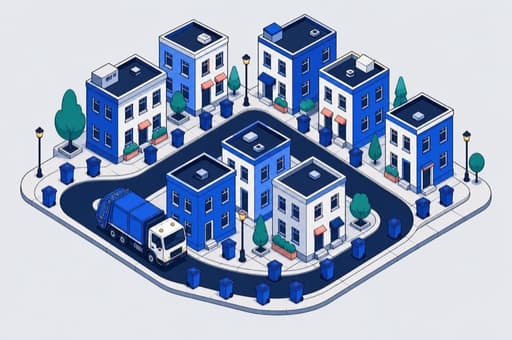
Small-container Collection Services
Regular bin pickup for businesses and apartment buildings is the single biggest line, bringing in $5.055B. Strong pricing supports it; the watchpoint is keeping stops close together so each truck earns more per mile.
Competes with Commercial collection (WM) · Commercial collection (Waste Connections)
In plain English
Think of the familiar lidded bin behind a restaurant or apartment building. Republic supplies it, empties it on a schedule, and carries the contents away. Thousands of nearby stops turn each truck route into a repeat-delivery round run in reverse.
Customers sign for one to three years and pay according to pickup frequency, equipment, material, travel and disposal cost. Restaurants, retailers, offices and multifamily properties keep producing waste, so service repeats. The economics improve when many customers sit along the same route and Republic can finish the trip at one of its own disposal sites.
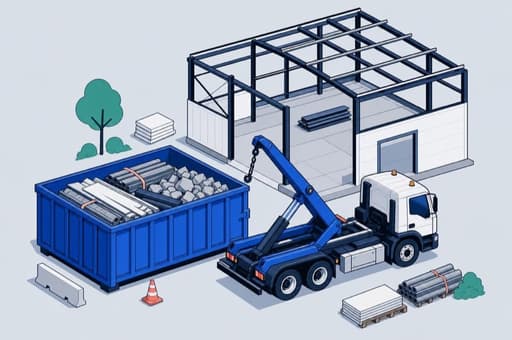
Large-container Collection Services
Large removable containers serve factories, businesses and building sites, producing $3.098B. Revenue grew, but its share has slipped and recent volume fell; construction and manufacturing activity determine how often customers call for another haul.
Competes with Industrial collection (WM) · Industrial and commercial collection (GFL Environmental)
In plain English
A building site or factory can fill far more than a wheeled bin, so Republic drops off a steel box or a machine that squeezes waste smaller, then hauls it away when full. Some customers need a single pickup; others keep the equipment and call repeatedly.
Payment covers the container, the truck trip and disposal. Builders and industrial sites create the material, making this line more changeable than scheduled storefront collection: busy projects mean more pulls, while a slowdown leaves boxes sitting longer. Owning disposal sites helps Republic keep more of the fee after the truck leaves the customer.
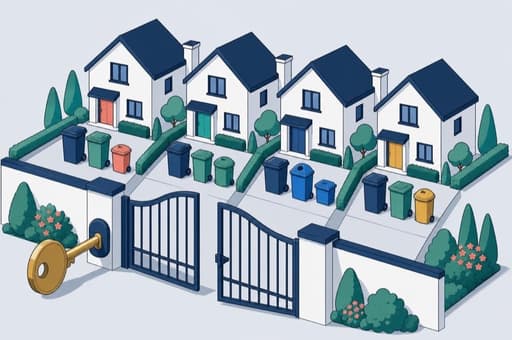
Residential Collection Services
Curbside trash, recycling and food-and-yard waste collection generated $3.010B. Multi-year city awards make routes durable, but Republic is shedding less attractive work and expects household-service volume to keep declining.
Competes with Residential collection (WM) · Municipal and residential collection (GFL Environmental)
In plain English
This is the truck that arrives on neighborhood collection day. Republic picks up household trash, recyclables and food or yard waste, then takes each stream to the next stop in its network.
Often a city chooses the provider for a whole area under a contract lasting one to five years, much like hiring one snowplow operator for every street. Other households subscribe directly and usually pay three months ahead. Winning or losing a city agreement moves many homes at once, so contract retention matters as much as any single household bill.
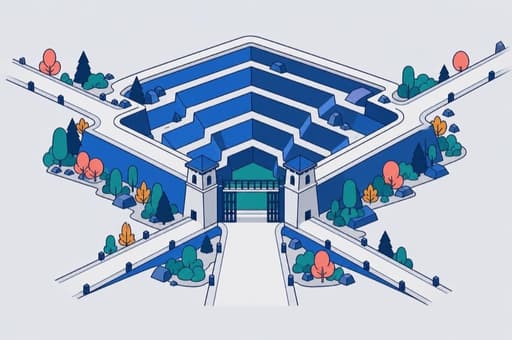
Landfill Services
Republic's permitted disposal sites produced $1.920B from outside customers, while also taking most waste its own trucks collected. Cleanup work helped growth; long-term value rests on permits and remaining space that can actually be used.
Competes with Landfill within Collection and Disposal (WM) · Landfill Services (Waste Connections)
In plain English
The route ends here. Republic operates engineered disposal sites where waste is weighed, placed in lined sections and covered. Outside haulers pay according to the amount and type they bring, while Republic's own trucks feed the same sites.
That second flow is easy to miss: about two-thirds of the solid waste Republic collected went to its own landfills, so the company keeps the disposal charge instead of paying a rival. A landfill is useful only while it has approved space, however. Adding capacity requires permits, making each usable section more like a scarce toll gate than an empty field.
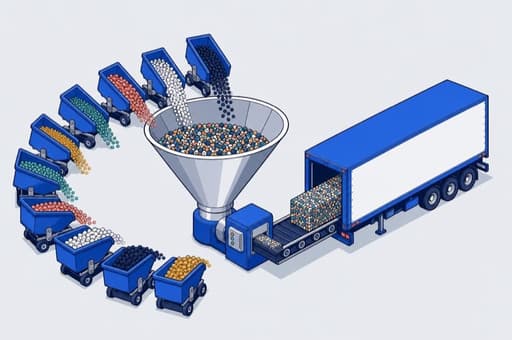
Transfer Services
Transfer stations earned $848M from outside customers and also consolidate Republic's own loads. Their job is to turn many short collection trips into fewer efficient long hauls, extending the reach of recycling and disposal sites.
Competes with Transfer within Collection and Disposal (WM) · Transfer Station Services (Waste Connections)
In plain English
A neighborhood truck is good at stop-and-go pickup but wasteful on a long highway run. At a transfer station, Republic unloads many small truckloads, presses the material together and sends a much larger load onward to recycling or disposal.
Other haulers pay a fee to use the station. Republic's own routes also save fuel and driver time there, even though that saving does not appear as a separate customer bill. The station works like a parcel-sorting hub for heavy material: its worth depends on permits, distance and having a reliable place to send the consolidated load.
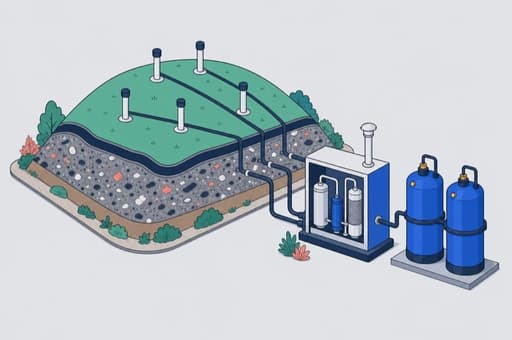
Landfill Gas-to-Energy and Renewable Natural Gas
Captured landfill methane becomes electricity or fuel clean enough for gas pipelines, mostly through outside operators. The larger development plan could add $120M a year before financing, taxes and asset wear, but partners and fuel-credit rules matter.
Competes with Renewable Energy (WM) · RNG Projects (OPAL Fuels)
In plain English
Buried waste gives off methane. Instead of letting it escape, wells and pipes collect the gas so a project can make electricity or clean it into fuel that can travel through gas pipelines. Republic owns the landfill and supplies the raw gas.
Most plants are built or operated by partners, which pay Republic for access; Republic also owns smaller stakes in some projects and shares their profits. Gas utilities and heavy-truck fleets are the eventual buyers. More sites are being developed, but the payoff relies on connecting them to buyers, partner execution and government fuel credits that reward lower-carbon fuel.
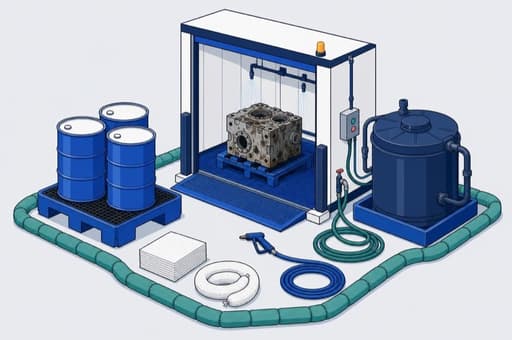
Environmental Solutions
Specialized industrial waste, cleaning and emergency work brought in $1.766B, down from the prior year as factories and one-off jobs softened. Recent improvement helps, but this line still depends more on plant activity and events than regular routes do.
Competes with Environmental Services (Clean Harbors) · Hazardous Waste and Emergency Response (Veolia)
In plain English
The mess here does not belong in an ordinary trash truck. Republic handles hazardous and other industrial waste, cleans equipment and work sites, rents specialized gear, responds to spills and treats wastewater. Customers include factories, refineries, computer-chip plants and governments.
They pay by the amount of waste or when a job is completed. Rules force careful handling, which makes Republic's treatment sites and trained field crews valuable. Yet the work arrives unevenly: factory output can slow, an emergency job may not repeat, and expensive facilities still need to be kept ready. That makes this business less predictable than weekly collection.
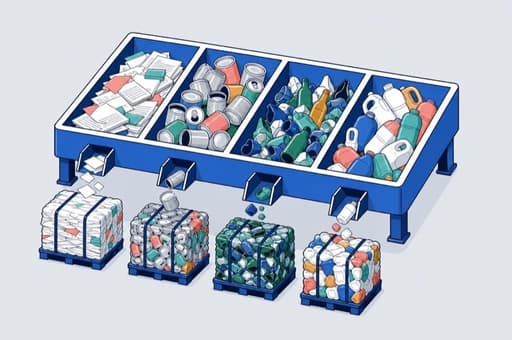
Recycling Processing Services
Sorting fees and sales of paper, metal, glass and plastic generated $433M. Selling prices move with the market for scrap material; cleaner incoming loads and buyer specifications decide what each bale is worth.
Competes with Recycling Processing and Sales (WM) · Recycling Services (Waste Connections)
In plain English
Mixed recyclables arrive together, but buyers want clean piles of one material. Republic's centers separate paper, metals, glass and plastics, press them into bales and sell them to mills and processors; paper makes up most of the material moving through.
Customers also pay processing fees, giving Republic a second source of income besides the sale. It resembles sorting a jar of mixed coins before spending them: separation creates usefulness, but the price of each pile can still rise or fall. Contamination lowers what buyers will accept, while market prices change what Republic earns per ton.

Polymer Centers and Blue Polymers
These plants upgrade selected used plastics into flakes and pellets manufacturers can reuse, with each center designed for more than 100M pounds a year. Demand is strong, but the ramp has been slower than planned and another center remains ahead.
Competes with Food-grade recycled plastic (Evergreen) · Recycled packaging plastics (KW Plastics)
In plain English
Ordinary recycling centers stop after sorting plastic into bales. Polymer Centers take another step: they clean and cut selected bottles and containers into flakes, then separate plastics that can become new packaging. Blue Polymers, a venture with plastics supplier Ravago, turns some of that output into reusable pellets.
Packaging makers buy the upgraded material because they need recycled content. Republic earns some sales through its processing line and receives a share of profit from the jointly owned operation. The first centers were running, with another planned, and management says buyers could absorb several times their output. The immediate challenge is getting each new plant smoothly up to speed.


 Small-container Collection ServicesRegular bin pickup for businesses and apartment buildings is the single biggest line, bringing in $5.055B. Strong pricing supports it; the watchpoint is keeping stops close together so each truck earns more per mile.
Regular bin pickup for businesses and apartment buildings is the single biggest line, bringing in $5.055B. Strong pricing supports it; the watchpoint is keeping stops close together so each truck earns more per mile.
In plain English
Think of the familiar lidded bin behind a restaurant or apartment building. Republic supplies it, empties it on a schedule, and carries the contents away. Thousands of nearby stops turn each truck route into a repeat-delivery round run in reverse.
Customers sign for one to three years and pay according to pickup frequency, equipment, material, travel and disposal cost. Restaurants, retailers, offices and multifamily properties keep producing waste, so service repeats. The economics improve when many customers sit along the same route and Republic can finish the trip at one of its own disposal sites.
Competes with Commercial collection (WM) · Commercial collection (Waste Connections)
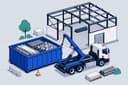 Large-container Collection ServicesLarge removable containers serve factories, businesses and building sites, producing $3.098B. Revenue grew, but its share has slipped and recent volume fell; construction and manufacturing activity determine how often customers call for another haul.
Large removable containers serve factories, businesses and building sites, producing $3.098B. Revenue grew, but its share has slipped and recent volume fell; construction and manufacturing activity determine how often customers call for another haul.
In plain English
A building site or factory can fill far more than a wheeled bin, so Republic drops off a steel box or a machine that squeezes waste smaller, then hauls it away when full. Some customers need a single pickup; others keep the equipment and call repeatedly.
Payment covers the container, the truck trip and disposal. Builders and industrial sites create the material, making this line more changeable than scheduled storefront collection: busy projects mean more pulls, while a slowdown leaves boxes sitting longer. Owning disposal sites helps Republic keep more of the fee after the truck leaves the customer.
Competes with Industrial collection (WM) · Industrial and commercial collection (GFL Environmental)
 Residential Collection ServicesCurbside trash, recycling and food-and-yard waste collection generated $3.010B. Multi-year city awards make routes durable, but Republic is shedding less attractive work and expects household-service volume to keep declining.
Curbside trash, recycling and food-and-yard waste collection generated $3.010B. Multi-year city awards make routes durable, but Republic is shedding less attractive work and expects household-service volume to keep declining.
In plain English
This is the truck that arrives on neighborhood collection day. Republic picks up household trash, recyclables and food or yard waste, then takes each stream to the next stop in its network.
Often a city chooses the provider for a whole area under a contract lasting one to five years, much like hiring one snowplow operator for every street. Other households subscribe directly and usually pay three months ahead. Winning or losing a city agreement moves many homes at once, so contract retention matters as much as any single household bill.
Competes with Residential collection (WM) · Municipal and residential collection (GFL Environmental)
 Landfill ServicesRepublic's permitted disposal sites produced $1.920B from outside customers, while also taking most waste its own trucks collected. Cleanup work helped growth; long-term value rests on permits and remaining space that can actually be used.
Republic's permitted disposal sites produced $1.920B from outside customers, while also taking most waste its own trucks collected. Cleanup work helped growth; long-term value rests on permits and remaining space that can actually be used.
In plain English
The route ends here. Republic operates engineered disposal sites where waste is weighed, placed in lined sections and covered. Outside haulers pay according to the amount and type they bring, while Republic's own trucks feed the same sites.
That second flow is easy to miss: about two-thirds of the solid waste Republic collected went to its own landfills, so the company keeps the disposal charge instead of paying a rival. A landfill is useful only while it has approved space, however. Adding capacity requires permits, making each usable section more like a scarce toll gate than an empty field.
Competes with Landfill within Collection and Disposal (WM) · Landfill Services (Waste Connections)
 Transfer ServicesTransfer stations earned $848M from outside customers and also consolidate Republic's own loads. Their job is to turn many short collection trips into fewer efficient long hauls, extending the reach of recycling and disposal sites.
Transfer stations earned $848M from outside customers and also consolidate Republic's own loads. Their job is to turn many short collection trips into fewer efficient long hauls, extending the reach of recycling and disposal sites.
In plain English
A neighborhood truck is good at stop-and-go pickup but wasteful on a long highway run. At a transfer station, Republic unloads many small truckloads, presses the material together and sends a much larger load onward to recycling or disposal.
Other haulers pay a fee to use the station. Republic's own routes also save fuel and driver time there, even though that saving does not appear as a separate customer bill. The station works like a parcel-sorting hub for heavy material: its worth depends on permits, distance and having a reliable place to send the consolidated load.
Competes with Transfer within Collection and Disposal (WM) · Transfer Station Services (Waste Connections)
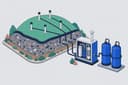 Landfill Gas-to-Energy and Renewable Natural GasCaptured landfill methane becomes electricity or fuel clean enough for gas pipelines, mostly through outside operators. The larger development plan could add $120M a year before financing, taxes and asset wear, but partners and fuel-credit rules matter.
Captured landfill methane becomes electricity or fuel clean enough for gas pipelines, mostly through outside operators. The larger development plan could add $120M a year before financing, taxes and asset wear, but partners and fuel-credit rules matter.
In plain English
Buried waste gives off methane. Instead of letting it escape, wells and pipes collect the gas so a project can make electricity or clean it into fuel that can travel through gas pipelines. Republic owns the landfill and supplies the raw gas.
Most plants are built or operated by partners, which pay Republic for access; Republic also owns smaller stakes in some projects and shares their profits. Gas utilities and heavy-truck fleets are the eventual buyers. More sites are being developed, but the payoff relies on connecting them to buyers, partner execution and government fuel credits that reward lower-carbon fuel.
Competes with Renewable Energy (WM) · RNG Projects (OPAL Fuels)
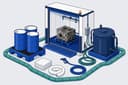 Environmental SolutionsSpecialized industrial waste, cleaning and emergency work brought in $1.766B, down from the prior year as factories and one-off jobs softened. Recent improvement helps, but this line still depends more on plant activity and events than regular routes do.
Specialized industrial waste, cleaning and emergency work brought in $1.766B, down from the prior year as factories and one-off jobs softened. Recent improvement helps, but this line still depends more on plant activity and events than regular routes do.
In plain English
The mess here does not belong in an ordinary trash truck. Republic handles hazardous and other industrial waste, cleans equipment and work sites, rents specialized gear, responds to spills and treats wastewater. Customers include factories, refineries, computer-chip plants and governments.
They pay by the amount of waste or when a job is completed. Rules force careful handling, which makes Republic's treatment sites and trained field crews valuable. Yet the work arrives unevenly: factory output can slow, an emergency job may not repeat, and expensive facilities still need to be kept ready. That makes this business less predictable than weekly collection.
Competes with Environmental Services (Clean Harbors) · Hazardous Waste and Emergency Response (Veolia)
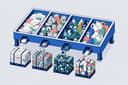 Recycling Processing ServicesSorting fees and sales of paper, metal, glass and plastic generated $433M. Selling prices move with the market for scrap material; cleaner incoming loads and buyer specifications decide what each bale is worth.
Sorting fees and sales of paper, metal, glass and plastic generated $433M. Selling prices move with the market for scrap material; cleaner incoming loads and buyer specifications decide what each bale is worth.
In plain English
Mixed recyclables arrive together, but buyers want clean piles of one material. Republic's centers separate paper, metals, glass and plastics, press them into bales and sell them to mills and processors; paper makes up most of the material moving through.
Customers also pay processing fees, giving Republic a second source of income besides the sale. It resembles sorting a jar of mixed coins before spending them: separation creates usefulness, but the price of each pile can still rise or fall. Contamination lowers what buyers will accept, while market prices change what Republic earns per ton.
Competes with Recycling Processing and Sales (WM) · Recycling Services (Waste Connections)
 Polymer Centers and Blue PolymersThese plants upgrade selected used plastics into flakes and pellets manufacturers can reuse, with each center designed for more than 100M pounds a year. Demand is strong, but the ramp has been slower than planned and another center remains ahead.
These plants upgrade selected used plastics into flakes and pellets manufacturers can reuse, with each center designed for more than 100M pounds a year. Demand is strong, but the ramp has been slower than planned and another center remains ahead.
In plain English
Ordinary recycling centers stop after sorting plastic into bales. Polymer Centers take another step: they clean and cut selected bottles and containers into flakes, then separate plastics that can become new packaging. Blue Polymers, a venture with plastics supplier Ravago, turns some of that output into reusable pellets.
Packaging makers buy the upgraded material because they need recycled content. Republic earns some sales through its processing line and receives a share of profit from the jointly owned operation. The first centers were running, with another planned, and management says buyers could absorb several times their output. The immediate challenge is getting each new plant smoothly up to speed.
Competes with Food-grade recycled plastic (Evergreen) · Recycled packaging plastics (KW Plastics)
Named in filings, launches and programs
- Waste Treatment & DisposalServiceSpecialized landfills, treatment sites, wells and wastewater facilities handle industrial material inside Environmental Solutions.
- Field ServicesServiceCrews clean industrial sites, package laboratory waste, repair damage, rent equipment and work inside customer plants.
- Emergency Response and Standby ServicesServiceSpill and disaster crews stand ready for irregular jobs that can noticeably move Environmental Solutions results.
- E&P ServicesServiceTreats and disposes of waste from oil and gas exploration; demand rises and falls with field activity.
- PFAS remediationService · RampingA growing cleanup line for persistent chemicals in water and waste, expected to exceed $100M of revenue in FY2027.
- National AccountsServiceCoordinates regional and nationwide waste contracts beyond Republic's own territory by hiring local providers, with little direct profit.
- Other Collection ServicesServiceThe remaining collection work outside the three named lines contributed $70M, or 0.4% of FY2025 revenue.
- Organics Operations / San Bernardino Sustainability ParkEcosystem · RampingProcesses food and yard material; a new Southern California processing park began construction in June 2026.
- Electric Collection VehiclesEcosystem · RampingA few hundred electric trucks were operating by mid-2026, including a fully electric residential fleet in Coconut Creek.
- RISEPlatform · RampingConnects dispatchers, drivers and routes; smarter route planning and pricing are meant to deliver at least $100M yearly by 2028.
- CapturePlatformA nationwide online tool that helps sales teams prepare quotes and hold pricing discipline.
- MPowerPlatformKeeps fleet maintenance, parts histories and warranty repayments in one company-wide system.
- OneFleetPlatformStandardizes preventive maintenance across the recycling and waste fleet so vehicles spend more time working.
- Priority Based SellingCustomer programA sales method for matching each customer's service package and price to what that customer values most.
Waste Treatment & DisposalService
Specialized landfills, treatment sites, wells and wastewater facilities handle industrial material inside Environmental Solutions.
Field ServicesService
Crews clean industrial sites, package laboratory waste, repair damage, rent equipment and work inside customer plants.
Emergency Response and Standby ServicesService
Spill and disaster crews stand ready for irregular jobs that can noticeably move Environmental Solutions results.
E&P ServicesService
Treats and disposes of waste from oil and gas exploration; demand rises and falls with field activity.
PFAS remediationService · Ramping
A growing cleanup line for persistent chemicals in water and waste, expected to exceed $100M of revenue in FY2027.
National AccountsService
Coordinates regional and nationwide waste contracts beyond Republic's own territory by hiring local providers, with little direct profit.
Other Collection ServicesService
The remaining collection work outside the three named lines contributed $70M, or 0.4% of FY2025 revenue.
Organics Operations / San Bernardino Sustainability ParkEcosystem · Ramping
Processes food and yard material; a new Southern California processing park began construction in June 2026.
Electric Collection VehiclesEcosystem · Ramping
A few hundred electric trucks were operating by mid-2026, including a fully electric residential fleet in Coconut Creek.
RISEPlatform · Ramping
Connects dispatchers, drivers and routes; smarter route planning and pricing are meant to deliver at least $100M yearly by 2028.
CapturePlatform
A nationwide online tool that helps sales teams prepare quotes and hold pricing discipline.
MPowerPlatform
Keeps fleet maintenance, parts histories and warranty repayments in one company-wide system.
OneFleetPlatform
Standardizes preventive maintenance across the recycling and waste fleet so vehicles spend more time working.
Priority Based SellingCustomer program
A sales method for matching each customer's service package and price to what that customer values most.