
Sempra (SRE)
Owner of regulated California and Texas utilities alongside North American energy infrastructure.
Something off on this page? Send us feedback.
Sempra keeps the stoves and lights on for millions of households in Southern California, and owns most of the company that carries electricity across much of Texas. The California utilities collect nearly all the revenue; the Texas wires, which show up as profit only, are where the growth is. A third arm chills gas for export ships — and Sempra has agreed to sell most of its share of it.
Item facts: FY2025 · year ended Dec 31, 2025, from filings, earnings calls and company pages.
Judgment weights, not filed revenue
The band summarizes business focus and direction. ~ marks estimates.
8 in detail · 11 more below

Southern California Gas Company
Sempra's gas distribution business in Southern and central California — close to six million meters. Bills rise and fall with the price of gas while profit barely moves, so what matters is how much spending regulators approve: the 2024 decision landed $628.7M below the request.
Competes with PG&E gas distribution (PG&E Corporation) · Southern California Edison electric service (Edison International)
In plain English
Under the streets of Southern and central California runs a web of pipes that carries gas to kitchens, water heaters and factories. SoCalGas owns that web and keeps it running safely.
It does not really make money on the gas itself — what customers pay for the fuel is passed straight through. What SoCalGas earns is a fee, set by California regulators, for owning and looking after the pipes. So a cold winter or a price spike changes the bill without changing the profit, and the way to earn more is to be allowed to spend more on the system. Californians are also being nudged away from gas, so volumes drift down.
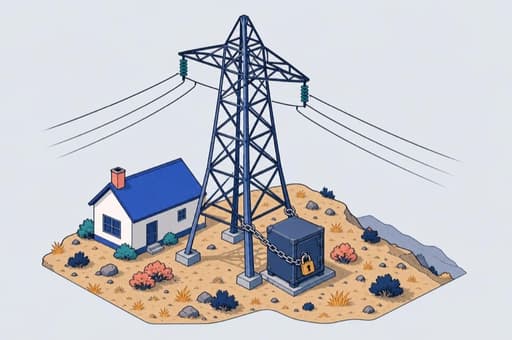
San Diego Gas & Electric
Wires and pipes for the San Diego area, and the one revenue line at Sempra that is expanding — electric sales rose 14% in the first half of 2026. The overhang is California wildfire law: a bill meant to soften it died in September 2026.
Competes with Southern California Edison (Edison International) · Pacific Gas and Electric Company (PG&E Corporation)
In plain English
The utility that shows up in a storm. SDG&E strings the power lines, runs the substations and reads the meters for roughly three and a half million people around San Diego, and pipes gas to most of them too.
The deal is the one every regulated utility signs: build and maintain the system, and the state lets you charge customers enough to cover the cost plus an agreed profit on the money tied up in it. The catch in California is that if utility equipment starts a wildfire the bill can be enormous, which is why a state bill meant to cap that risk was watched so closely — and why its death mattered.
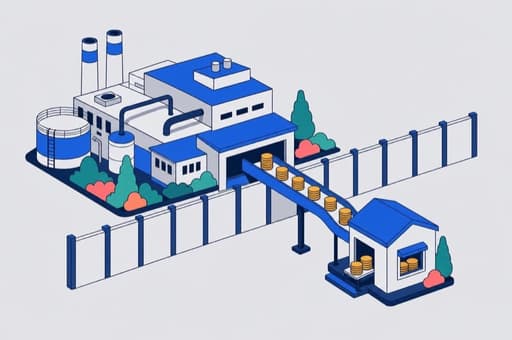
Oncor Electric Delivery
Sempra owns most of the utility that carries electricity across much of Texas but books none of its sales — only profit: $517M in the first half of 2026, a quarter of what all its businesses earned. Oncor plans to spend $47.5B on the network through 2030.
Competes with CenterPoint Energy Houston Electric (CenterPoint Energy) · AEP Texas (American Electric Power)
In plain English
Some power companies make electricity. Oncor does the other job: it owns the poles, wires and substations that carry it, reaching about four million homes and businesses across much of Texas.
Everyone whose power travels those wires pays a delivery charge that Texas regulators set, and that charge is what Oncor lives on. Sempra owns just over eighty percent of it — but as a stake rather than a division, so none of Oncor's sales reach Sempra's revenue; only Sempra's slice of the profit does. The plan through 2030 is to more than double the investment base those delivery charges are calculated on.
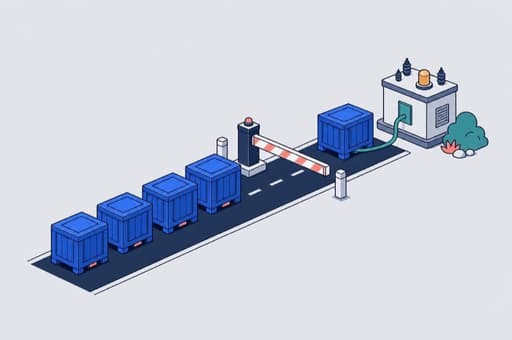
Oncor large-load interconnection queue
Roughly 700 large power users, mostly data centers, have asked Oncor for a hookup — together several times the power Oncor's network carries at its busiest. Management says the base spending plan barely leans on them, so this is upside rather than a promise.
Competes with CenterPoint Energy Houston Electric large-load queue (CenterPoint Energy) · AEP Texas interconnection pipeline (American Electric Power)
In plain English
A waiting list, not a product. Anyone wanting to plug something enormous into the Texas grid — a data center, a factory, an oilfield switching its machinery to electricity — must ask the wire company years ahead, and Oncor publishes how many have asked.
The queue itself earns nothing. It matters because every request that turns into a real connection means new substations and lines Oncor is allowed to charge for over decades. The catch is that asking is not the same as signing: Sempra's spending plan is deliberately built to stand up even if most of these customers never arrive.
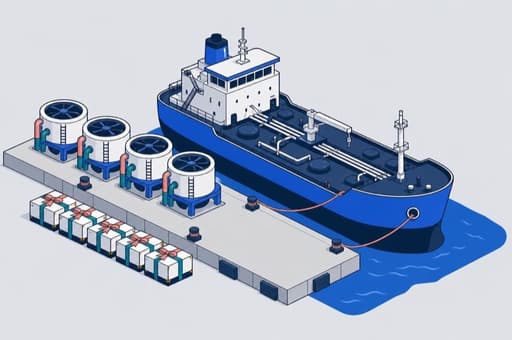
Port Arthur LNG
A gas-chilling plant on the Texas coast, built in two stages of two units each — roughly $13B for the first, $14B for the second. The first stage is fully spoken for under long contracts; first deliveries are due around the end of 2027.
Competes with Corpus Christi LNG Stage 3 (Cheniere Energy) · Plaquemines LNG (Venture Global) · Rio Grande LNG Phase 1 (NextDecade)
In plain English
Natural gas is awkward to ship, because as a gas it takes up far too much room to load onto a boat. Chill it hard enough and it shrinks into a liquid you can pour into a tanker and sail anywhere. Port Arthur is a plant built to do the chilling.
Buyers commit years before the first drop exists. ConocoPhillips, INEOS, ENGIE, RWE and PKN Orlen have taken the whole first stage, and ConocoPhillips came back with EQT for twenty-year deals on the second. They are paying for a set volume every year for decades, and that stack of signatures is what lets a plant this expensive get built at all.
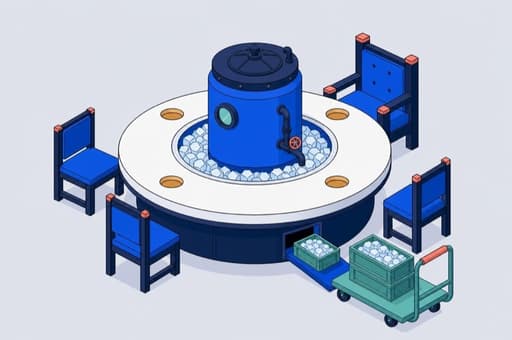
Cameron LNG
Sempra's half-share of a three-unit plant on the Louisiana coast that is already running and shipping — the one big export asset actually earning today, inside the $492M the infrastructure arm made in the first half of 2026. An expansion is still unapproved.
Competes with Sabine Pass LNG (Cheniere Energy) · Calcasieu Pass (Venture Global) · Golden Pass LNG (QatarEnergy / ExxonMobil)
In plain English
Same idea as Port Arthur, except this one already runs. Three chilling units sit on the Louisiana coast turning gas into a liquid cold enough to load onto ships.
Sempra owns a shade over half; TotalEnergies, Mitsui and Japan LNG Investment own the rest and take output themselves. Customers book capacity decades at a time, so what the plant earns was largely settled by contracts signed long ago rather than by what gas costs this month. And because it is a shared venture rather than a wholly owned business, Sempra reports only its slice of the profit — there is no Cameron sales line anywhere.
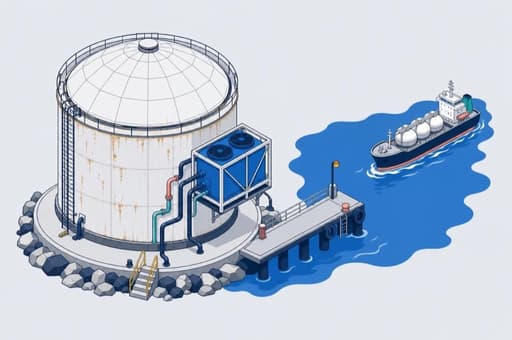
ECA LNG Phase 1
One small chilling unit bolted onto an existing terminal on Mexico's Pacific coast; the first cargo sailed in July 2026. At 3.25 million tons a year it is a fraction of Port Arthur's eventual size, but it is Sempra's only Pacific-facing export point so far.
Competes with Sabine Pass and Corpus Christi cargoes (Cheniere Energy) · Plaquemines LNG (Venture Global)
In plain English
Bolted onto something that already existed. Sempra's terminal near Ensenada in Baja California was built to take in chilled gas from ships and warm it back into ordinary gas; a new unit beside it now does the opposite, freezing gas into liquid to send out.
Why bother with a small one? Cargoes leaving the Gulf Coast have to squeeze through Panama or sail the long way round to reach Asian buyers; from Baja California the trip is shorter. The first one left in July 2026, so a site that had only swallowed construction money finally started handing some back.
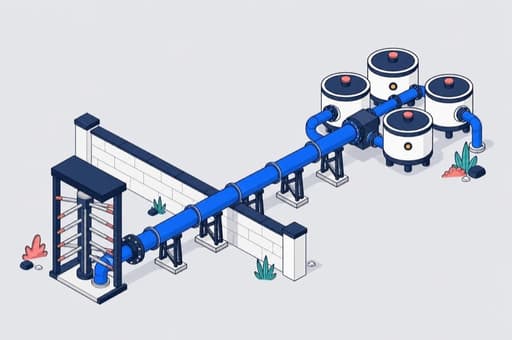
Sempra Infrastructure Energy Networks
More than 5,100 miles of gas pipelines plus fuel storage terminals in the United States and Mexico, earning largely from Mexican capacity contracts. The revenue line it sits in barely moved in the first half of 2026 — steady, contracted, unexciting, and paying today.
Competes with TC Energy's Mexico pipelines (TC Energy) · Williams' Gulf Coast gas transmission (Williams)
In plain English
Think of a toll road, except what travels it is gas. Sempra owns over five thousand miles of pipeline plus tanks that hold fuel, spread across the United States and Mexico.
Whoever needs gas moved — above all CFE, Mexico's state utility — signs a contract reserving space in the pipe for years ahead, so the income arrives on a schedule rather than with the weather. Dull is the point. This is the piece of Sempra's infrastructure arm that pays its way now, while the big chilling plants next door are still swallowing construction money. Sempra's own terminals are customers too.


 Southern California Gas CompanySempra's gas distribution business in Southern and central California — close to six million meters. Bills rise and fall with the price of gas while profit barely moves, so what matters is how much spending regulators approve: the 2024 decision landed $628.7M below the request.
Sempra's gas distribution business in Southern and central California — close to six million meters. Bills rise and fall with the price of gas while profit barely moves, so what matters is how much spending regulators approve: the 2024 decision landed $628.7M below the request.
In plain English
Under the streets of Southern and central California runs a web of pipes that carries gas to kitchens, water heaters and factories. SoCalGas owns that web and keeps it running safely.
It does not really make money on the gas itself — what customers pay for the fuel is passed straight through. What SoCalGas earns is a fee, set by California regulators, for owning and looking after the pipes. So a cold winter or a price spike changes the bill without changing the profit, and the way to earn more is to be allowed to spend more on the system. Californians are also being nudged away from gas, so volumes drift down.
Competes with PG&E gas distribution (PG&E Corporation) · Southern California Edison electric service (Edison International)
 San Diego Gas & ElectricWires and pipes for the San Diego area, and the one revenue line at Sempra that is expanding — electric sales rose 14% in the first half of 2026. The overhang is California wildfire law: a bill meant to soften it died in September 2026.
Wires and pipes for the San Diego area, and the one revenue line at Sempra that is expanding — electric sales rose 14% in the first half of 2026. The overhang is California wildfire law: a bill meant to soften it died in September 2026.
In plain English
The utility that shows up in a storm. SDG&E strings the power lines, runs the substations and reads the meters for roughly three and a half million people around San Diego, and pipes gas to most of them too.
The deal is the one every regulated utility signs: build and maintain the system, and the state lets you charge customers enough to cover the cost plus an agreed profit on the money tied up in it. The catch in California is that if utility equipment starts a wildfire the bill can be enormous, which is why a state bill meant to cap that risk was watched so closely — and why its death mattered.
Competes with Southern California Edison (Edison International) · Pacific Gas and Electric Company (PG&E Corporation)
 Oncor Electric DeliverySempra owns most of the utility that carries electricity across much of Texas but books none of its sales — only profit: $517M in the first half of 2026, a quarter of what all its businesses earned. Oncor plans to spend $47.5B on the network through 2030.
Sempra owns most of the utility that carries electricity across much of Texas but books none of its sales — only profit: $517M in the first half of 2026, a quarter of what all its businesses earned. Oncor plans to spend $47.5B on the network through 2030.
In plain English
Some power companies make electricity. Oncor does the other job: it owns the poles, wires and substations that carry it, reaching about four million homes and businesses across much of Texas.
Everyone whose power travels those wires pays a delivery charge that Texas regulators set, and that charge is what Oncor lives on. Sempra owns just over eighty percent of it — but as a stake rather than a division, so none of Oncor's sales reach Sempra's revenue; only Sempra's slice of the profit does. The plan through 2030 is to more than double the investment base those delivery charges are calculated on.
Competes with CenterPoint Energy Houston Electric (CenterPoint Energy) · AEP Texas (American Electric Power)
 Oncor large-load interconnection queueRoughly 700 large power users, mostly data centers, have asked Oncor for a hookup — together several times the power Oncor's network carries at its busiest. Management says the base spending plan barely leans on them, so this is upside rather than a promise.
Roughly 700 large power users, mostly data centers, have asked Oncor for a hookup — together several times the power Oncor's network carries at its busiest. Management says the base spending plan barely leans on them, so this is upside rather than a promise.
In plain English
A waiting list, not a product. Anyone wanting to plug something enormous into the Texas grid — a data center, a factory, an oilfield switching its machinery to electricity — must ask the wire company years ahead, and Oncor publishes how many have asked.
The queue itself earns nothing. It matters because every request that turns into a real connection means new substations and lines Oncor is allowed to charge for over decades. The catch is that asking is not the same as signing: Sempra's spending plan is deliberately built to stand up even if most of these customers never arrive.
Competes with CenterPoint Energy Houston Electric large-load queue (CenterPoint Energy) · AEP Texas interconnection pipeline (American Electric Power)
 Port Arthur LNGA gas-chilling plant on the Texas coast, built in two stages of two units each — roughly $13B for the first, $14B for the second. The first stage is fully spoken for under long contracts; first deliveries are due around the end of 2027.
A gas-chilling plant on the Texas coast, built in two stages of two units each — roughly $13B for the first, $14B for the second. The first stage is fully spoken for under long contracts; first deliveries are due around the end of 2027.
In plain English
Natural gas is awkward to ship, because as a gas it takes up far too much room to load onto a boat. Chill it hard enough and it shrinks into a liquid you can pour into a tanker and sail anywhere. Port Arthur is a plant built to do the chilling.
Buyers commit years before the first drop exists. ConocoPhillips, INEOS, ENGIE, RWE and PKN Orlen have taken the whole first stage, and ConocoPhillips came back with EQT for twenty-year deals on the second. They are paying for a set volume every year for decades, and that stack of signatures is what lets a plant this expensive get built at all.
Competes with Corpus Christi LNG Stage 3 (Cheniere Energy) · Plaquemines LNG (Venture Global) · Rio Grande LNG Phase 1 (NextDecade)
 Cameron LNGSempra's half-share of a three-unit plant on the Louisiana coast that is already running and shipping — the one big export asset actually earning today, inside the $492M the infrastructure arm made in the first half of 2026. An expansion is still unapproved.
Sempra's half-share of a three-unit plant on the Louisiana coast that is already running and shipping — the one big export asset actually earning today, inside the $492M the infrastructure arm made in the first half of 2026. An expansion is still unapproved.
In plain English
Same idea as Port Arthur, except this one already runs. Three chilling units sit on the Louisiana coast turning gas into a liquid cold enough to load onto ships.
Sempra owns a shade over half; TotalEnergies, Mitsui and Japan LNG Investment own the rest and take output themselves. Customers book capacity decades at a time, so what the plant earns was largely settled by contracts signed long ago rather than by what gas costs this month. And because it is a shared venture rather than a wholly owned business, Sempra reports only its slice of the profit — there is no Cameron sales line anywhere.
Competes with Sabine Pass LNG (Cheniere Energy) · Calcasieu Pass (Venture Global) · Golden Pass LNG (QatarEnergy / ExxonMobil)
 ECA LNG Phase 1One small chilling unit bolted onto an existing terminal on Mexico's Pacific coast; the first cargo sailed in July 2026. At 3.25 million tons a year it is a fraction of Port Arthur's eventual size, but it is Sempra's only Pacific-facing export point so far.
One small chilling unit bolted onto an existing terminal on Mexico's Pacific coast; the first cargo sailed in July 2026. At 3.25 million tons a year it is a fraction of Port Arthur's eventual size, but it is Sempra's only Pacific-facing export point so far.
In plain English
Bolted onto something that already existed. Sempra's terminal near Ensenada in Baja California was built to take in chilled gas from ships and warm it back into ordinary gas; a new unit beside it now does the opposite, freezing gas into liquid to send out.
Why bother with a small one? Cargoes leaving the Gulf Coast have to squeeze through Panama or sail the long way round to reach Asian buyers; from Baja California the trip is shorter. The first one left in July 2026, so a site that had only swallowed construction money finally started handing some back.
Competes with Sabine Pass and Corpus Christi cargoes (Cheniere Energy) · Plaquemines LNG (Venture Global)
 Sempra Infrastructure Energy NetworksMore than 5,100 miles of gas pipelines plus fuel storage terminals in the United States and Mexico, earning largely from Mexican capacity contracts. The revenue line it sits in barely moved in the first half of 2026 — steady, contracted, unexciting, and paying today.
More than 5,100 miles of gas pipelines plus fuel storage terminals in the United States and Mexico, earning largely from Mexican capacity contracts. The revenue line it sits in barely moved in the first half of 2026 — steady, contracted, unexciting, and paying today.
In plain English
Think of a toll road, except what travels it is gas. Sempra owns over five thousand miles of pipeline plus tanks that hold fuel, spread across the United States and Mexico.
Whoever needs gas moved — above all CFE, Mexico's state utility — signs a contract reserving space in the pipe for years ahead, so the income arrives on a schedule rather than with the weather. Dull is the point. This is the piece of Sempra's infrastructure arm that pays its way now, while the big chilling plants next door are still swallowing construction money. Sempra's own terminals are customers too.
Competes with TC Energy's Mexico pipelines (TC Energy) · Williams' Gulf Coast gas transmission (Williams)
Named in filings, launches and programs
- Sempra Infrastructure PartnersSegmentHolds the export plants and pipelines. Sempra agreed to sell 45% to KKR and CPP Investments for ~$10B, cutting its stake to 25%; still not closed.
- ConocoPhillips LNG partnershipCustomer programPort Arthur's largest named counterparty: a partner in the first stage and, from the second, a buyer of 4 million tons a year for twenty years.
- Cameron LNG Phase 2Platform · AnnouncedA roughly 6-million-ton expansion of the Louisiana plant; owners have only a non-binding outline agreement, and Sempra's finance chief says it moves slower than Port Arthur.
- ECA LNG Phase 2Platform · AnnouncedA larger second stage at the Baja California site, still in development.
- Vista Pacifico LNGPlatform · AnnouncedAnother Pacific-coast export project, already holding US permission to re-export American gas that is chilled in Mexico.
- Port Arthur Pipeline Louisiana ConnectorEcosystemThe pipe that will feed gas to Port Arthur; in service since June 2026, which turns it from a construction cost into something that earns.
- Cameron Interstate PipelineEcosystemThe 2.35 billion-cubic-feet-a-day pipe feeding the Louisiana plant; a joint venture with Williams has been discussed but not signed.
- Hackberry Carbon SequestrationProduct · AnnouncedA plan to pump carbon dioxide underground near the Louisiana plant, grouped under Sempra's low-carbon work. Announced, not built.
- Cimarron WindProductA wind project that was declared up and running in the first quarter of 2026.
- Sharyland HoldingsBrandA half-owned Texas transmission utility, counted alongside Oncor and never broken out on its own.
- SDG&E FERC transmission (TO6)ServiceSDG&E's high-voltage lines are priced by federal rather than state regulators; an uncontested settlement would set a 10.28% base return, still awaiting approval.
Sempra Infrastructure PartnersSegment
Holds the export plants and pipelines. Sempra agreed to sell 45% to KKR and CPP Investments for ~$10B, cutting its stake to 25%; still not closed.
ConocoPhillips LNG partnershipCustomer program
Port Arthur's largest named counterparty: a partner in the first stage and, from the second, a buyer of 4 million tons a year for twenty years.
Cameron LNG Phase 2Platform · Announced
A roughly 6-million-ton expansion of the Louisiana plant; owners have only a non-binding outline agreement, and Sempra's finance chief says it moves slower than Port Arthur.
ECA LNG Phase 2Platform · Announced
A larger second stage at the Baja California site, still in development.
Vista Pacifico LNGPlatform · Announced
Another Pacific-coast export project, already holding US permission to re-export American gas that is chilled in Mexico.
Port Arthur Pipeline Louisiana ConnectorEcosystem
The pipe that will feed gas to Port Arthur; in service since June 2026, which turns it from a construction cost into something that earns.
Cameron Interstate PipelineEcosystem
The 2.35 billion-cubic-feet-a-day pipe feeding the Louisiana plant; a joint venture with Williams has been discussed but not signed.
Hackberry Carbon SequestrationProduct · Announced
A plan to pump carbon dioxide underground near the Louisiana plant, grouped under Sempra's low-carbon work. Announced, not built.
Cimarron WindProduct
A wind project that was declared up and running in the first quarter of 2026.
Sharyland HoldingsBrand
A half-owned Texas transmission utility, counted alongside Oncor and never broken out on its own.
SDG&E FERC transmission (TO6)Service
SDG&E's high-voltage lines are priced by federal rather than state regulators; an uncontested settlement would set a 10.28% base return, still awaiting approval.