
Atlassian (TEAM)
Connects technical and business teams through collaboration, work, and service management software.
Something off on this page? Send us feedback.
Atlassian sells the shared workspaces that teams use to plan projects, keep knowledge and run service desks. Recurring software pays almost every bill, while customers are being moved from software they host themselves to Atlassian-run cloud versions. Artificial intelligence is being folded into bundles rather than sold alone, and an acquired browser is the longer-shot next doorway into work.
Item facts: FY2026 · year ended June 30, 2026, from filings, earnings calls and company pages.
Judgment weights, not filed revenue
The band summarizes business focus and direction. ~ marks estimates.
10 in detail · 12 more below
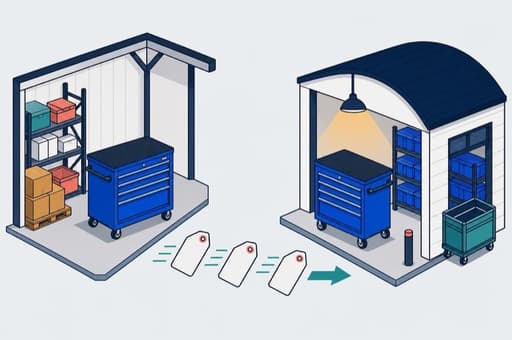
Customer subscriptions
Recurring software is Atlassian's engine, with a large cushion of signed commitments and no customer supplying more than five percent of yearly sales. The watchpoint is the handoff from customer-run Data Center software to Atlassian-run cloud versions.
Competes with Asana work management (Asana) · SharePoint (Microsoft) · IT Service Management (ServiceNow)
In plain English
Start with two ways to rent the same toolbox. In Cloud, Atlassian runs the software and the customer logs in. In Data Center, a large customer runs it on its own computers. Either way, the customer keeps paying for access, support and updates, usually for months at a time.
Cloud is the destination. New Data Center contracts have already stopped, with additions ending later and standard upkeep following after that. Old contracts can put more money on the books early, while Cloud spreads payments across the rental period. Amazon Web Services supplies the rented computers behind Cloud; Google Cloud was added as another home and sales route.
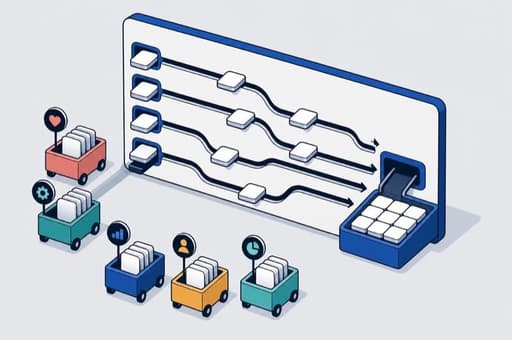
Jira
Atlassian's largest estimated product tracks work from request to completion and likely brings in about two-fifths of sales. Its durability depends on teams continuing to make Jira the place where work is assigned and followed.
Competes with Linear Issues (Linear) · Asana work management (Asana)
In plain English
Picture a wall of task cards that never gets lost. Jira gives each piece of work an owner, a status and a path from “to do” to “done,” then lets a team shape that path around the way it actually works. Software teams use it heavily, but other departments can use the same idea.
Companies pay according to how many people use it, which version they choose and whether Atlassian or the customer runs it. A small team can begin online without a salesperson; bigger organizations add more people, controls and connected products. That land-and-expand pattern makes Jira the main doorway into the wider Atlassian set.

Confluence
A shared home for plans, decisions and instructions, Confluence is estimated to supply roughly one-fifth of sales. What matters is whether its stored knowledge stays easy to find, safely shared and useful beside Jira work.
Competes with Notion workspace and wiki (Notion) · SharePoint (Microsoft)
In plain English
Every team produces a trail of plans, meeting notes and how-to pages. Confluence puts that material in one shared library, where people can write together and link a page directly to the work being tracked in Jira. The simple promise is fewer answers trapped in inboxes or scattered files.
The library becomes sticky as it fills: leaving means moving years of useful history without breaking who can see what. Customers pay recurring fees for their users and can buy it alone or inside a larger bundle. Atlassian also uses that stored, access-controlled knowledge to help its search assistant answer questions.
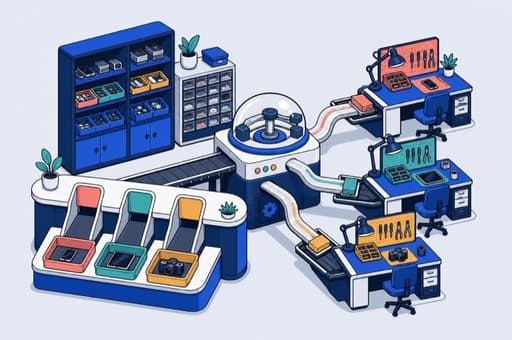
Service Collection
This bundle turns employee and customer requests into trackable service jobs. By March 2026, yearly subscriptions had passed $1 billion and were growing above thirty percent; expansion beyond technology help desks is the next test.
Competes with IT Service Management (ServiceNow) · Freshservice (Freshworks)
In plain English
When a laptop breaks or a customer needs help, the request should not vanish into a crowded inbox. Service Collection gives each request a ticket, sends it to the right queue, tracks the equipment involved and can handle routine steps automatically. It combines Atlassian's service-desk products with its search-and-answer helper.
Organizations pay recurring fees to run these desks in Atlassian's Cloud. The first use often sits with the technology team, then spreads to employee support and customer service. More departments, agents and connected records mean a larger contract, while partners help big customers set up the process.
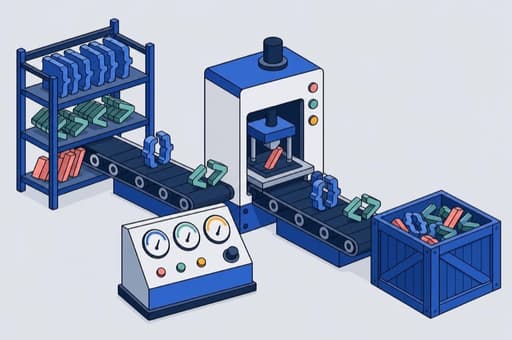
Software Collection
A newer bundle joins code storage, automated testing and delivery, and measurements of how engineering teams work. The acquired DX measurement tool added about three-quarters of a point to Cloud growth in the December 2025 quarter, so the big percentage started small.
Competes with GitHub Enterprise (Microsoft) · GitLab platform (GitLab)
In plain English
The work between writing a line of software and putting it safely in customers' hands passes through many tools. Software Collection gathers a code cupboard, an automated assembly line that tests and releases changes, and DX, which shows leaders where engineers are getting stuck. It also adds a helper that can search and act across those tools.
Large engineering organizations pay for one connected set instead of stitching together separate products. Atlassian bought DX during the year, then placed it beside Bitbucket for storing code and Pipelines for testing and releasing changes. Revenue is not published separately, so the important proof will be whether existing Jira customers adopt the whole set.

Teamwork Collection
Jira, Confluence, Loom and Rovo come under one subscription with a shared pool for artificial-intelligence use. It crossed a million seats within three quarters; watch whether bundling creates deeper use rather than merely cheaper packaging.
Competes with Microsoft 365 Copilot (Microsoft) · Asana work management and AI (Asana)
In plain English
Instead of buying a planner, notebook, video recorder and answer helper one by one, a company can take the Teamwork Collection as a set. Jira tracks the work, Confluence stores the knowledge, Loom explains things by video, and Rovo searches across them or performs simple actions.
The company pays one recurring bill for its users, with a shared allowance for the computing used by the artificial-intelligence features. Atlassian says customers put four to five times as many paid users on each bundled setup as on a single product. That makes the bundle its main route for turning Rovo use into money.

Loom
Loom lets someone record a screen-and-camera explanation for others to watch later. Standalone subscriptions were running above $100 million a year in October 2025; its role now is increasingly tied to the Teamwork bundle.
Competes with Zoom Clips (Zoom) · Clipchamp (Microsoft)
In plain English
Sometimes a two-minute show-and-tell is clearer than another meeting. Loom records a person's screen and voice so coworkers can watch when their own day allows, then stores the video for later searching and sharing. It is useful for demonstrations, handoffs and explanations across distant teams.
People and companies pay recurring fees for recording, storage and added controls. Loom can be bought on its own, but Atlassian also includes it in Teamwork Collection, putting it in front of Jira and Confluence users. That wider reach may grow use even as the company talks less about Loom as a separate business.
Rovo and Teamwork Graph
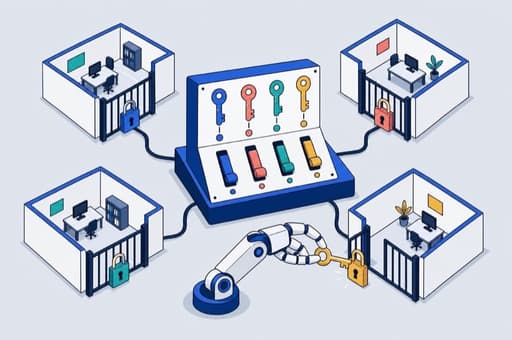
Rovo searches, answers and acts using Teamwork Graph, the map of company information each person may access. It passed five million monthly users by February 2026; the money arrives mainly through paid products and Collections, not a separate bill.
Competes with Glean Work AI (Glean) · Microsoft 365 Copilot and Graph (Microsoft)
In plain English
Think of Teamwork Graph as a card catalog that knows not only where company information lives, but also which doors each employee may open. Rovo uses that catalog to find answers, hold a chat or carry out a routine step across Atlassian products. The access rules travel with the information, which matters when private work sits beside shared work.
Atlassian first considered Rovo as its own paid product, then placed it inside higher product levels and bundles. Customers now pay through those subscriptions and for shared usage allowances. The bet is that better answers make the whole software set more valuable and harder to replace.
Atlassian Marketplace and Forge
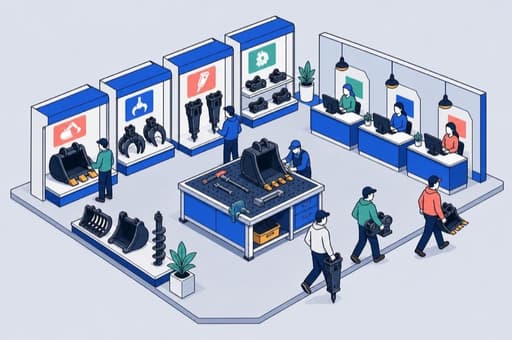
Outside developers sell add-ons through Marketplace and build them on Forge. Together with advice, training and higher-touch support, this line made $330.7 million in FY2026; growth depends on customers needing more than the standard tools provide.
Competes with AppExchange and Salesforce Platform (Salesforce) · ServiceNow Store and App Engine (ServiceNow)
In plain English
The standard Atlassian tools cannot cover every unusual process. Marketplace is the shop where outside makers offer more than six thousand add-ons and connections; Forge is the workbench Atlassian provides for building and running them. A customer might add a missing approval step or connect another system without waiting for Atlassian itself.
The outside maker receives most of a sale and Atlassian keeps its portion for running the shop and platform. This same sales line also includes hands-on advice, training and higher-touch support, so the full five percent is not Marketplace alone. Its job is to deepen the main subscriptions and solve the awkward last mile.

The Browser Company (Dia and Arc)
Dia and Arc are browsers aimed at people who do most work across online software. Atlassian paid $488.3 million for their maker; no meaningful sales are disclosed, so adoption and business-grade controls matter before this becomes an engine.
Competes with Edge for Business with Copilot (Microsoft) · Comet for Enterprise (Perplexity)
In plain English
A browser is the front door to modern office work, and The Browser Company is trying to rebuild that door around an assistant that can find information and take actions. Dia is aimed at people who spend their day moving among online work tools; Arc is the other browser Atlassian acquired with the company.
There is no disclosed revenue to count yet. Atlassian paid $488.3 million for the business and can offer Dia through its existing relationships with large organizations. Before customers pay at scale, the browser has to persuade workers to switch and administrators that company data, access and controls will remain safe.


 Customer subscriptionsRecurring software is Atlassian's engine, with a large cushion of signed commitments and no customer supplying more than five percent of yearly sales. The watchpoint is the handoff from customer-run Data Center software to Atlassian-run cloud versions.
Recurring software is Atlassian's engine, with a large cushion of signed commitments and no customer supplying more than five percent of yearly sales. The watchpoint is the handoff from customer-run Data Center software to Atlassian-run cloud versions.
In plain English
Start with two ways to rent the same toolbox. In Cloud, Atlassian runs the software and the customer logs in. In Data Center, a large customer runs it on its own computers. Either way, the customer keeps paying for access, support and updates, usually for months at a time.
Cloud is the destination. New Data Center contracts have already stopped, with additions ending later and standard upkeep following after that. Old contracts can put more money on the books early, while Cloud spreads payments across the rental period. Amazon Web Services supplies the rented computers behind Cloud; Google Cloud was added as another home and sales route.
Competes with Asana work management (Asana) · SharePoint (Microsoft) · IT Service Management (ServiceNow)
 JiraAtlassian's largest estimated product tracks work from request to completion and likely brings in about two-fifths of sales. Its durability depends on teams continuing to make Jira the place where work is assigned and followed.
Atlassian's largest estimated product tracks work from request to completion and likely brings in about two-fifths of sales. Its durability depends on teams continuing to make Jira the place where work is assigned and followed.
In plain English
Picture a wall of task cards that never gets lost. Jira gives each piece of work an owner, a status and a path from “to do” to “done,” then lets a team shape that path around the way it actually works. Software teams use it heavily, but other departments can use the same idea.
Companies pay according to how many people use it, which version they choose and whether Atlassian or the customer runs it. A small team can begin online without a salesperson; bigger organizations add more people, controls and connected products. That land-and-expand pattern makes Jira the main doorway into the wider Atlassian set.
Competes with Linear Issues (Linear) · Asana work management (Asana)
 ConfluenceA shared home for plans, decisions and instructions, Confluence is estimated to supply roughly one-fifth of sales. What matters is whether its stored knowledge stays easy to find, safely shared and useful beside Jira work.
A shared home for plans, decisions and instructions, Confluence is estimated to supply roughly one-fifth of sales. What matters is whether its stored knowledge stays easy to find, safely shared and useful beside Jira work.
In plain English
Every team produces a trail of plans, meeting notes and how-to pages. Confluence puts that material in one shared library, where people can write together and link a page directly to the work being tracked in Jira. The simple promise is fewer answers trapped in inboxes or scattered files.
The library becomes sticky as it fills: leaving means moving years of useful history without breaking who can see what. Customers pay recurring fees for their users and can buy it alone or inside a larger bundle. Atlassian also uses that stored, access-controlled knowledge to help its search assistant answer questions.
Competes with Notion workspace and wiki (Notion) · SharePoint (Microsoft)
 Service CollectionThis bundle turns employee and customer requests into trackable service jobs. By March 2026, yearly subscriptions had passed $1 billion and were growing above thirty percent; expansion beyond technology help desks is the next test.
This bundle turns employee and customer requests into trackable service jobs. By March 2026, yearly subscriptions had passed $1 billion and were growing above thirty percent; expansion beyond technology help desks is the next test.
In plain English
When a laptop breaks or a customer needs help, the request should not vanish into a crowded inbox. Service Collection gives each request a ticket, sends it to the right queue, tracks the equipment involved and can handle routine steps automatically. It combines Atlassian's service-desk products with its search-and-answer helper.
Organizations pay recurring fees to run these desks in Atlassian's Cloud. The first use often sits with the technology team, then spreads to employee support and customer service. More departments, agents and connected records mean a larger contract, while partners help big customers set up the process.
Competes with IT Service Management (ServiceNow) · Freshservice (Freshworks)
 Software CollectionA newer bundle joins code storage, automated testing and delivery, and measurements of how engineering teams work. The acquired DX measurement tool added about three-quarters of a point to Cloud growth in the December 2025 quarter, so the big percentage started small.
A newer bundle joins code storage, automated testing and delivery, and measurements of how engineering teams work. The acquired DX measurement tool added about three-quarters of a point to Cloud growth in the December 2025 quarter, so the big percentage started small.
In plain English
The work between writing a line of software and putting it safely in customers' hands passes through many tools. Software Collection gathers a code cupboard, an automated assembly line that tests and releases changes, and DX, which shows leaders where engineers are getting stuck. It also adds a helper that can search and act across those tools.
Large engineering organizations pay for one connected set instead of stitching together separate products. Atlassian bought DX during the year, then placed it beside Bitbucket for storing code and Pipelines for testing and releasing changes. Revenue is not published separately, so the important proof will be whether existing Jira customers adopt the whole set.
Competes with GitHub Enterprise (Microsoft) · GitLab platform (GitLab)
 Teamwork CollectionJira, Confluence, Loom and Rovo come under one subscription with a shared pool for artificial-intelligence use. It crossed a million seats within three quarters; watch whether bundling creates deeper use rather than merely cheaper packaging.
Jira, Confluence, Loom and Rovo come under one subscription with a shared pool for artificial-intelligence use. It crossed a million seats within three quarters; watch whether bundling creates deeper use rather than merely cheaper packaging.
In plain English
Instead of buying a planner, notebook, video recorder and answer helper one by one, a company can take the Teamwork Collection as a set. Jira tracks the work, Confluence stores the knowledge, Loom explains things by video, and Rovo searches across them or performs simple actions.
The company pays one recurring bill for its users, with a shared allowance for the computing used by the artificial-intelligence features. Atlassian says customers put four to five times as many paid users on each bundled setup as on a single product. That makes the bundle its main route for turning Rovo use into money.
Competes with Microsoft 365 Copilot (Microsoft) · Asana work management and AI (Asana)
 LoomLoom lets someone record a screen-and-camera explanation for others to watch later. Standalone subscriptions were running above $100 million a year in October 2025; its role now is increasingly tied to the Teamwork bundle.
Loom lets someone record a screen-and-camera explanation for others to watch later. Standalone subscriptions were running above $100 million a year in October 2025; its role now is increasingly tied to the Teamwork bundle.
In plain English
Sometimes a two-minute show-and-tell is clearer than another meeting. Loom records a person's screen and voice so coworkers can watch when their own day allows, then stores the video for later searching and sharing. It is useful for demonstrations, handoffs and explanations across distant teams.
People and companies pay recurring fees for recording, storage and added controls. Loom can be bought on its own, but Atlassian also includes it in Teamwork Collection, putting it in front of Jira and Confluence users. That wider reach may grow use even as the company talks less about Loom as a separate business.
Competes with Zoom Clips (Zoom) · Clipchamp (Microsoft)
 Rovo and Teamwork GraphRovo searches, answers and acts using Teamwork Graph, the map of company information each person may access. It passed five million monthly users by February 2026; the money arrives mainly through paid products and Collections, not a separate bill.
Rovo searches, answers and acts using Teamwork Graph, the map of company information each person may access. It passed five million monthly users by February 2026; the money arrives mainly through paid products and Collections, not a separate bill.
In plain English
Think of Teamwork Graph as a card catalog that knows not only where company information lives, but also which doors each employee may open. Rovo uses that catalog to find answers, hold a chat or carry out a routine step across Atlassian products. The access rules travel with the information, which matters when private work sits beside shared work.
Atlassian first considered Rovo as its own paid product, then placed it inside higher product levels and bundles. Customers now pay through those subscriptions and for shared usage allowances. The bet is that better answers make the whole software set more valuable and harder to replace.
Competes with Glean Work AI (Glean) · Microsoft 365 Copilot and Graph (Microsoft)
 Atlassian Marketplace and ForgeOutside developers sell add-ons through Marketplace and build them on Forge. Together with advice, training and higher-touch support, this line made $330.7 million in FY2026; growth depends on customers needing more than the standard tools provide.
Outside developers sell add-ons through Marketplace and build them on Forge. Together with advice, training and higher-touch support, this line made $330.7 million in FY2026; growth depends on customers needing more than the standard tools provide.
In plain English
The standard Atlassian tools cannot cover every unusual process. Marketplace is the shop where outside makers offer more than six thousand add-ons and connections; Forge is the workbench Atlassian provides for building and running them. A customer might add a missing approval step or connect another system without waiting for Atlassian itself.
The outside maker receives most of a sale and Atlassian keeps its portion for running the shop and platform. This same sales line also includes hands-on advice, training and higher-touch support, so the full five percent is not Marketplace alone. Its job is to deepen the main subscriptions and solve the awkward last mile.
Competes with AppExchange and Salesforce Platform (Salesforce) · ServiceNow Store and App Engine (ServiceNow)
 The Browser Company (Dia and Arc)Dia and Arc are browsers aimed at people who do most work across online software. Atlassian paid $488.3 million for their maker; no meaningful sales are disclosed, so adoption and business-grade controls matter before this becomes an engine.
Dia and Arc are browsers aimed at people who do most work across online software. Atlassian paid $488.3 million for their maker; no meaningful sales are disclosed, so adoption and business-grade controls matter before this becomes an engine.
In plain English
A browser is the front door to modern office work, and The Browser Company is trying to rebuild that door around an assistant that can find information and take actions. Dia is aimed at people who spend their day moving among online work tools; Arc is the other browser Atlassian acquired with the company.
There is no disclosed revenue to count yet. Atlassian paid $488.3 million for the business and can offer Dia through its existing relationships with large organizations. Before customers pay at scale, the browser has to persuade workers to switch and administrators that company data, access and controls will remain safe.
Competes with Edge for Business with Copilot (Microsoft) · Comet for Enterprise (Perplexity)
Named in filings, launches and programs
- Strategy CollectionProduct lineCombines Focus, Talent and Jira Align so large organizations can connect strategy, people and project plans.
- Product CollectionProduct lineJoins product research, feedback, priority setting and planning with Rovo's search-and-answer help.
- TrelloProductA visual board for organizing tasks, kept outside Atlassian's main Collections.
- GuardProductControls identity, access rules and threats; sold separately and included in higher Teamwork Collection levels.
- Government CloudServiceA Cloud version authorized for moderately sensitive United States government work.
- Isolated CloudService · RampingA single-customer Cloud setup for organizations needing stronger separation from other customers' computer infrastructure.
- StatuspageProductLets organizations tell users when an online service is working, degraded or unavailable.
- BambooProductA standalone tool that automatically tests software changes and prepares them for release.
- SourceTreeProductA desktop tool for viewing and managing changes to stored software code.
- Atlassian Ascend (including FastShift)Customer programHelps large Data Center customers move to Cloud, with no-charge FastShift support above one thousand users.
- FlexCustomer program · AnnouncedA developing enterprise plan for spending one committed allowance across users, AI use, add-on computing and software delivery.
- Largest-ever enterprise agreementCustomer programSigned with an unnamed large consumer-technology company; Atlassian disclosed neither its value nor its length.
Strategy CollectionProduct line
Combines Focus, Talent and Jira Align so large organizations can connect strategy, people and project plans.
Product CollectionProduct line
Joins product research, feedback, priority setting and planning with Rovo's search-and-answer help.
TrelloProduct
A visual board for organizing tasks, kept outside Atlassian's main Collections.
GuardProduct
Controls identity, access rules and threats; sold separately and included in higher Teamwork Collection levels.
Government CloudService
A Cloud version authorized for moderately sensitive United States government work.
Isolated CloudService · Ramping
A single-customer Cloud setup for organizations needing stronger separation from other customers' computer infrastructure.
StatuspageProduct
Lets organizations tell users when an online service is working, degraded or unavailable.
BambooProduct
A standalone tool that automatically tests software changes and prepares them for release.
SourceTreeProduct
A desktop tool for viewing and managing changes to stored software code.
Atlassian Ascend (including FastShift)Customer program
Helps large Data Center customers move to Cloud, with no-charge FastShift support above one thousand users.
FlexCustomer program · Announced
A developing enterprise plan for spending one committed allowance across users, AI use, add-on computing and software delivery.
Largest-ever enterprise agreementCustomer program
Signed with an unnamed large consumer-technology company; Atlassian disclosed neither its value nor its length.