
Target (TGT)
Curates everyday essentials and design-led merchandise through U.S. stores and digital channels.
Something off on this page? Send us feedback.
Target is a big American general-merchandise retailer whose stores still do nearly all the physical work, even when shoppers order online. Everyday food and household goods keep people coming back, while ads, a seller marketplace and paid loyalty aim to earn more from the same traffic. Sales have recently turned upward, but most money still comes from selling merchandise and the home and clothing businesses remain unfinished work.
Item facts: FY2025 · year ended Jan 31, 2026, from filings, earnings calls and company pages.
Judgment weights, not filed revenue
The band summarizes business focus and direction. ~ marks estimates.
9 in detail · 11 more below
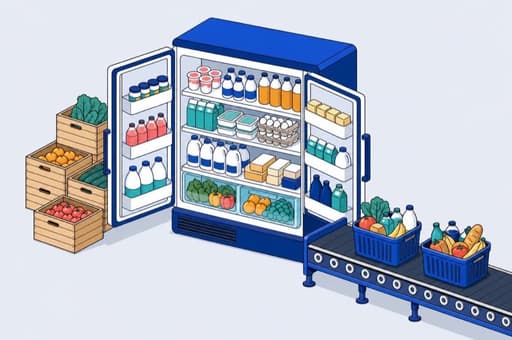
Food & Beverage
Target's largest aisle group produced $24.14B in FY2025. Frequent grocery runs make it a traffic engine; watch whether recent growth holds while food costs, spoilage and tariffs press on profit.
Competes with Walmart U.S. Grocery (Walmart) · Kroger supermarkets (Kroger)
In plain English
Start with the grocery run. Target sells pantry goods, drinks and fresh food, mixing familiar national names with Good & Gather, its own food label. Households pay at checkout or when an online order arrives, and Target keeps the difference between the selling price and what stocking and handling the food cost.
Unlike a sofa or television, groceries run out. That brings shoppers back often, giving Target another chance to fill the basket with higher-profit items. The trade-off is unforgiving: refrigeration, spoilage, freight and food safety all have to work every day.
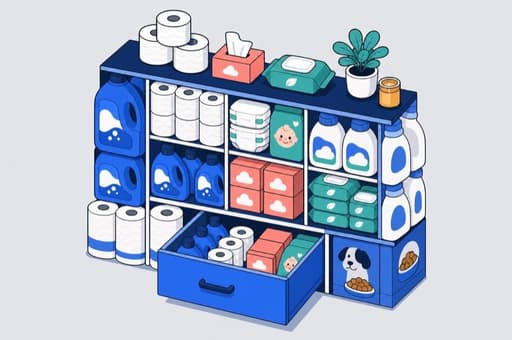
Household Essentials
Cleaning, health, baby, paper, pet and personal-care goods generated $18.02B in FY2025. Their steady replacement cycle supports visits; keeping shelves full without losing profit to freight and input costs is the job.
Competes with Consumables and Health & Wellness (Walmart) · Front-store assortment (CVS Health)
In plain English
These are the things a household notices only when they are gone: detergent, diapers, shampoo, paper goods, pet supplies and basic health products. Target buys them from makers, sells them by the bottle, box or pack, and also offers up & up, its own lower-priced label.
People replace these goods far more regularly than clothes or furniture, so the aisle works like a dependable metronome for store visits. Target earns its markup each time, provided products stay available and commodity, shipping and safety costs do not eat too much of it.
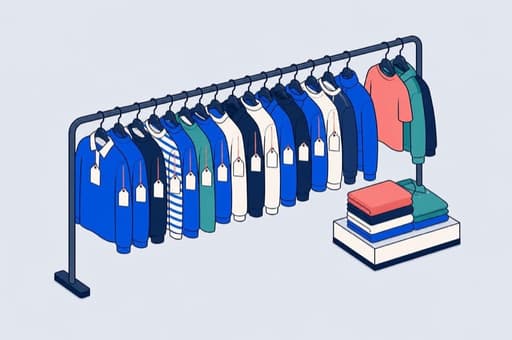
Apparel & Accessories
Family clothing and accessories rely heavily on Target's own labels, which supply roughly three quarters of sales. That control can help profit, but sales are flat and the assortment still needs work.
Competes with Old Navy (Gap Inc.) · TJ Maxx and Marshalls (TJX Companies)
In plain English
A closet is less predictable than a pantry. Target sells family basics and seasonal fashion, and most of this business comes from labels it controls, including Cat & Jack. That gives Target more say over design and pricing than simply reselling another company's clothes.
Shoppers pay for each garment in stores or online; Target's profit depends on ordering the right styles and sizes before tastes, weather or seasons change. A wrong bet ends in discounts, while tariffs and factory standards shape what each item costs. Current sales are flat, so better choices matter more than adding racks.
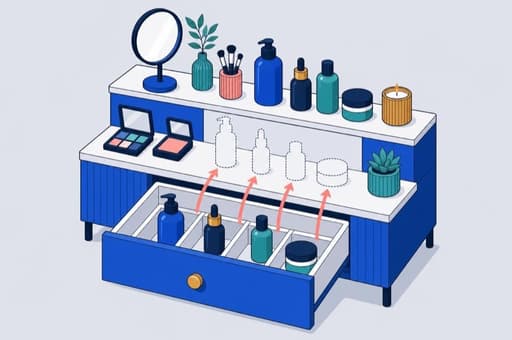
Beauty
Cosmetics, skin care, hair care and fragrance grew 7.2% in Q2 FY2026. Watch whether Target's new in-house shop format preserves that momentum after the Ulta partnership ended.
Competes with Ulta Beauty stores and digital (Ulta Beauty) · Sephora (LVMH)
In plain English
The bathroom shelf keeps emptying. Makeup, skin care, hair products and fragrance combine routine replacement with the excitement of new colors and scents, so Target can win both planned purchases and impulse buys. Beauty brands and makers supply the goods; shoppers pay Target at the shelf or online.
Target earns the retail markup, but only if it secures desirable brands, spots trends early and limits theft. Its shop-within-a-shop agreement with Ulta has ended, and Target Beauty Studio is scheduled to take its place. That makes the next chapter a test of Target's own presentation and advice.

Hardlines
Electronics, toys, sporting goods and seasonal play led Q2 FY2026 growth at 10.6%. The catch is that management calls this Target's lowest-profit category, so faster sales do not automatically mean better earnings.
Competes with Consumer electronics (Best Buy) · Walmart Hardlines (Walmart)
In plain English
Here sit the products people want, rather than routinely need: televisions, toys, games, sporting goods and seasonal fun. Target buys them from brands and sells them through the same stores and website as groceries, earning the markup on each box.
Demand jumps around product launches, hobbies and holidays. It can also vanish quickly when a device ages or a toy misses, forcing Target to cut the price before unsold boxes go stale. Recent growth is strong, but this is the company's thinnest-profit merchandise group, so the quality of each sale matters.
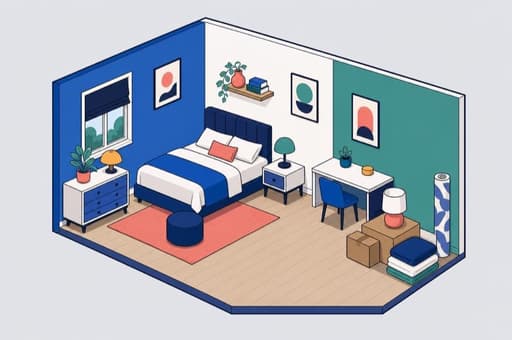
Home Furnishings & Décor
Furniture, décor, bedding, bath, kitchen and storage made up a large but flat business. Target reset about three quarters of decorative Home; watch whether the makeover finally brings shoppers back.
Competes with Wayfair.com (Wayfair) · HomeGoods (TJX Companies)
In plain English
This aisle follows life's changes: a move, a new season, a worn towel or the urge to refresh a room. Target sells furniture, bedding, bath and kitchen goods, storage, stationery and decorations, including its Threshold label. Customers pay per item, and Target earns the spread over sourcing, shipping and store costs.
The hard part is guessing taste before the goods arrive. Bulky freight costs more, housing activity affects demand, and an unfashionable design may need a steep discount. Target has redone much of the decorative assortment, but sales remain flat and the broader repair will take time.
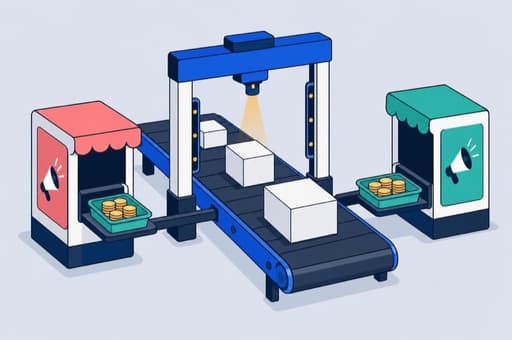
Roundel
Roundel sold $915M of advertising in FY2025, with additional payments lowering Target's costs. The opportunity is to earn from shopping attention; the test is proving that ads cause extra purchases.
Competes with Amazon Ads (Amazon) · Walmart Connect (Walmart)
In plain English
Roundel rents out Target's shoppers' attention. A brand can pay to place a product higher on Target's website, in Target's stores or on other media, much like paying for the best endcap in a supermarket. Target uses what people buy to help aim those ads and show whether they worked.
Brands and marketplace sellers provide the money. Some payments count as sales and others lower Target's expenses, so the full benefit is larger than the sales line alone. Continued growth depends on shopper traffic, trustworthy measurement and careful handling of customer information.
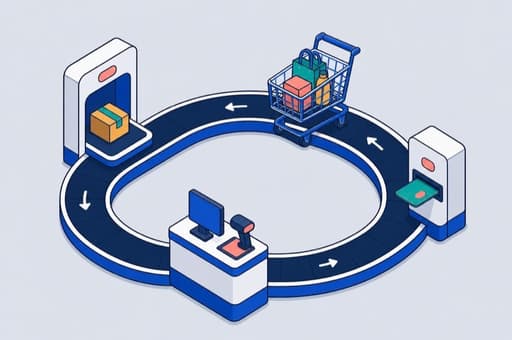
Target Circle
Free loyalty, a store card and paid delivery membership make up Circle. TD Bank paid Target $522M in FY2025 card profit share; watch whether rising memberships turn convenience into repeat spending.
Competes with Walmart+ (Walmart) · Amazon Prime (Amazon)
In plain English
Circle is Target's way of making the next trip easier to choose. The free program offers deals, the Circle Card gives a checkout discount, and Circle 360 members pay each year for eligible same-day delivery and related conveniences. Those perks are meant to turn an occasional shopper into a regular.
Money arrives in several ways. Members pay fees, while TD Bank owns the card balances and passes Target a share of the card profit. The larger prize is more frequent shopping across Target's ordinary aisles. Retention depends on useful rewards, reliable delivery and responsible handling of customer information.
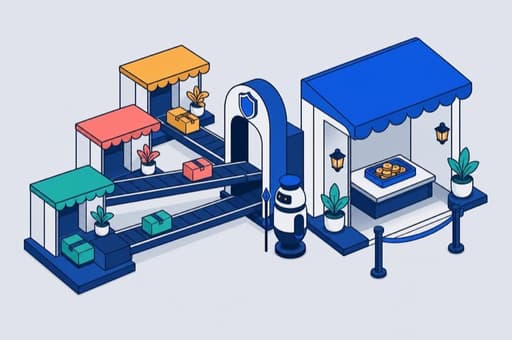
Target Plus
Target said in March 2025 that shopper purchases on Target Plus exceeded $1B, while Target kept only a cut of each sale. Growth depends on adding choice without letting seller quality slip.
Competes with Walmart Marketplace (Walmart) · Amazon Marketplace (Amazon)
In plain English
Think of an indoor market with a careful door policy. Target invites outside sellers to list extra products on its website, but those sellers keep and ship the goods rather than filling Target's warehouses. Shoppers get more choice without Target buying every item first.
When something sells, the seller receives the merchandise money and Target keeps a cut for bringing the shopper and running the storefront. Shopify, an online-selling service, helps suitable merchants join. The model can expand with little stock of its own, but weak delivery, returns or search results would damage the trust Target lends every seller.


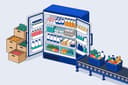 Food & BeverageTarget's largest aisle group produced $24.14B in FY2025. Frequent grocery runs make it a traffic engine; watch whether recent growth holds while food costs, spoilage and tariffs press on profit.
Target's largest aisle group produced $24.14B in FY2025. Frequent grocery runs make it a traffic engine; watch whether recent growth holds while food costs, spoilage and tariffs press on profit.
In plain English
Start with the grocery run. Target sells pantry goods, drinks and fresh food, mixing familiar national names with Good & Gather, its own food label. Households pay at checkout or when an online order arrives, and Target keeps the difference between the selling price and what stocking and handling the food cost.
Unlike a sofa or television, groceries run out. That brings shoppers back often, giving Target another chance to fill the basket with higher-profit items. The trade-off is unforgiving: refrigeration, spoilage, freight and food safety all have to work every day.
Competes with Walmart U.S. Grocery (Walmart) · Kroger supermarkets (Kroger)
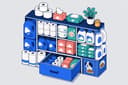 Household EssentialsCleaning, health, baby, paper, pet and personal-care goods generated $18.02B in FY2025. Their steady replacement cycle supports visits; keeping shelves full without losing profit to freight and input costs is the job.
Cleaning, health, baby, paper, pet and personal-care goods generated $18.02B in FY2025. Their steady replacement cycle supports visits; keeping shelves full without losing profit to freight and input costs is the job.
In plain English
These are the things a household notices only when they are gone: detergent, diapers, shampoo, paper goods, pet supplies and basic health products. Target buys them from makers, sells them by the bottle, box or pack, and also offers up & up, its own lower-priced label.
People replace these goods far more regularly than clothes or furniture, so the aisle works like a dependable metronome for store visits. Target earns its markup each time, provided products stay available and commodity, shipping and safety costs do not eat too much of it.
Competes with Consumables and Health & Wellness (Walmart) · Front-store assortment (CVS Health)
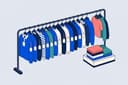 Apparel & AccessoriesFamily clothing and accessories rely heavily on Target's own labels, which supply roughly three quarters of sales. That control can help profit, but sales are flat and the assortment still needs work.
Family clothing and accessories rely heavily on Target's own labels, which supply roughly three quarters of sales. That control can help profit, but sales are flat and the assortment still needs work.
In plain English
A closet is less predictable than a pantry. Target sells family basics and seasonal fashion, and most of this business comes from labels it controls, including Cat & Jack. That gives Target more say over design and pricing than simply reselling another company's clothes.
Shoppers pay for each garment in stores or online; Target's profit depends on ordering the right styles and sizes before tastes, weather or seasons change. A wrong bet ends in discounts, while tariffs and factory standards shape what each item costs. Current sales are flat, so better choices matter more than adding racks.
Competes with Old Navy (Gap Inc.) · TJ Maxx and Marshalls (TJX Companies)
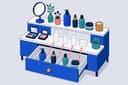 BeautyCosmetics, skin care, hair care and fragrance grew 7.2% in Q2 FY2026. Watch whether Target's new in-house shop format preserves that momentum after the Ulta partnership ended.
Cosmetics, skin care, hair care and fragrance grew 7.2% in Q2 FY2026. Watch whether Target's new in-house shop format preserves that momentum after the Ulta partnership ended.
In plain English
The bathroom shelf keeps emptying. Makeup, skin care, hair products and fragrance combine routine replacement with the excitement of new colors and scents, so Target can win both planned purchases and impulse buys. Beauty brands and makers supply the goods; shoppers pay Target at the shelf or online.
Target earns the retail markup, but only if it secures desirable brands, spots trends early and limits theft. Its shop-within-a-shop agreement with Ulta has ended, and Target Beauty Studio is scheduled to take its place. That makes the next chapter a test of Target's own presentation and advice.
Competes with Ulta Beauty stores and digital (Ulta Beauty) · Sephora (LVMH)
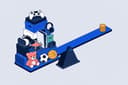 HardlinesElectronics, toys, sporting goods and seasonal play led Q2 FY2026 growth at 10.6%. The catch is that management calls this Target's lowest-profit category, so faster sales do not automatically mean better earnings.
Electronics, toys, sporting goods and seasonal play led Q2 FY2026 growth at 10.6%. The catch is that management calls this Target's lowest-profit category, so faster sales do not automatically mean better earnings.
In plain English
Here sit the products people want, rather than routinely need: televisions, toys, games, sporting goods and seasonal fun. Target buys them from brands and sells them through the same stores and website as groceries, earning the markup on each box.
Demand jumps around product launches, hobbies and holidays. It can also vanish quickly when a device ages or a toy misses, forcing Target to cut the price before unsold boxes go stale. Recent growth is strong, but this is the company's thinnest-profit merchandise group, so the quality of each sale matters.
Competes with Consumer electronics (Best Buy) · Walmart Hardlines (Walmart)
 Home Furnishings & DécorFurniture, décor, bedding, bath, kitchen and storage made up a large but flat business. Target reset about three quarters of decorative Home; watch whether the makeover finally brings shoppers back.
Furniture, décor, bedding, bath, kitchen and storage made up a large but flat business. Target reset about three quarters of decorative Home; watch whether the makeover finally brings shoppers back.
In plain English
This aisle follows life's changes: a move, a new season, a worn towel or the urge to refresh a room. Target sells furniture, bedding, bath and kitchen goods, storage, stationery and decorations, including its Threshold label. Customers pay per item, and Target earns the spread over sourcing, shipping and store costs.
The hard part is guessing taste before the goods arrive. Bulky freight costs more, housing activity affects demand, and an unfashionable design may need a steep discount. Target has redone much of the decorative assortment, but sales remain flat and the broader repair will take time.
Competes with Wayfair.com (Wayfair) · HomeGoods (TJX Companies)
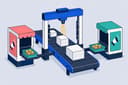 RoundelRoundel sold $915M of advertising in FY2025, with additional payments lowering Target's costs. The opportunity is to earn from shopping attention; the test is proving that ads cause extra purchases.
Roundel sold $915M of advertising in FY2025, with additional payments lowering Target's costs. The opportunity is to earn from shopping attention; the test is proving that ads cause extra purchases.
In plain English
Roundel rents out Target's shoppers' attention. A brand can pay to place a product higher on Target's website, in Target's stores or on other media, much like paying for the best endcap in a supermarket. Target uses what people buy to help aim those ads and show whether they worked.
Brands and marketplace sellers provide the money. Some payments count as sales and others lower Target's expenses, so the full benefit is larger than the sales line alone. Continued growth depends on shopper traffic, trustworthy measurement and careful handling of customer information.
Competes with Amazon Ads (Amazon) · Walmart Connect (Walmart)
 Target CircleFree loyalty, a store card and paid delivery membership make up Circle. TD Bank paid Target $522M in FY2025 card profit share; watch whether rising memberships turn convenience into repeat spending.
Free loyalty, a store card and paid delivery membership make up Circle. TD Bank paid Target $522M in FY2025 card profit share; watch whether rising memberships turn convenience into repeat spending.
In plain English
Circle is Target's way of making the next trip easier to choose. The free program offers deals, the Circle Card gives a checkout discount, and Circle 360 members pay each year for eligible same-day delivery and related conveniences. Those perks are meant to turn an occasional shopper into a regular.
Money arrives in several ways. Members pay fees, while TD Bank owns the card balances and passes Target a share of the card profit. The larger prize is more frequent shopping across Target's ordinary aisles. Retention depends on useful rewards, reliable delivery and responsible handling of customer information.
Competes with Walmart+ (Walmart) · Amazon Prime (Amazon)
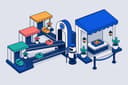 Target PlusTarget said in March 2025 that shopper purchases on Target Plus exceeded $1B, while Target kept only a cut of each sale. Growth depends on adding choice without letting seller quality slip.
Target said in March 2025 that shopper purchases on Target Plus exceeded $1B, while Target kept only a cut of each sale. Growth depends on adding choice without letting seller quality slip.
In plain English
Think of an indoor market with a careful door policy. Target invites outside sellers to list extra products on its website, but those sellers keep and ship the goods rather than filling Target's warehouses. Shoppers get more choice without Target buying every item first.
When something sells, the seller receives the merchandise money and Target keeps a cut for bringing the shopper and running the storefront. Shopify, an online-selling service, helps suitable merchants join. The model can expand with little stock of its own, but weak delivery, returns or search results would damage the trust Target lends every seller.
Competes with Walmart Marketplace (Walmart) · Amazon Marketplace (Amazon)
Named in filings, launches and programs
- Good & GatherBrandTarget's own food label, on pace in March 2026 to become its first $4B owned brand.
- ThresholdBrandTarget's home label, relaunched as part of the broader decorative-home reset.
- up & upBrandTarget's household-essentials label, described in March 2025 as approaching or exceeding $3B.
- Cat & JackBrandTarget's own children's clothing label and part of its heavily in-house apparel business.
- Same-Day FulfillmentServicePickup, Drive Up and delivery draw from store shelves; delivery grew more than 25% in Q2 FY2026.
- ShiptBrandTarget-owned delivery marketplace that supplies shoppers and also serves retailers beyond Target.
- Target Beauty StudioBrand · AnnouncedScheduled for September 10 with more than 1,600 products across over 600 stores and online.
- In-store partner portfolioCustomer programCVS Pharmacy, Starbucks, Target Optical, Apple and Levi's add reasons to visit; pharmacy space produces rent, not pharmacy sales.
- Limited-time collaborationsCustomer programShort-run collections such as Champion and LoveShackFancy create event-driven shopping.
- Target GiftCardsProductStored-value cards bring in cash before redemption; the January 2026 unused balance was $1.20B.
- OpenAI shopping integrationCustomer program · AnnouncedPlanned multi-item shopping through ChatGPT, including pickup and Drive Up; Target has not disclosed the economics.
Good & GatherBrand
Target's own food label, on pace in March 2026 to become its first $4B owned brand.
ThresholdBrand
Target's home label, relaunched as part of the broader decorative-home reset.
up & upBrand
Target's household-essentials label, described in March 2025 as approaching or exceeding $3B.
Cat & JackBrand
Target's own children's clothing label and part of its heavily in-house apparel business.
Same-Day FulfillmentService
Pickup, Drive Up and delivery draw from store shelves; delivery grew more than 25% in Q2 FY2026.
ShiptBrand
Target-owned delivery marketplace that supplies shoppers and also serves retailers beyond Target.
Target Beauty StudioBrand · Announced
Scheduled for September 10 with more than 1,600 products across over 600 stores and online.
In-store partner portfolioCustomer program
CVS Pharmacy, Starbucks, Target Optical, Apple and Levi's add reasons to visit; pharmacy space produces rent, not pharmacy sales.
Limited-time collaborationsCustomer program
Short-run collections such as Champion and LoveShackFancy create event-driven shopping.
Target GiftCardsProduct
Stored-value cards bring in cash before redemption; the January 2026 unused balance was $1.20B.
OpenAI shopping integrationCustomer program · Announced
Planned multi-item shopping through ChatGPT, including pickup and Drive Up; Target has not disclosed the economics.