
Yum! Brands (YUM)
Global franchisor of KFC, Taco Bell, Pizza Hut, and Habit Burger & Grill.
Something off on this page? Send us feedback.
Yum is mostly a toll collector on restaurant sales: local owners build and run the stores, while Yum supplies the brands and takes a fee. After selling Pizza Hut, KFC and Taco Bell carry nearly the whole business; Habit adds a smaller company-run bet, and Byte is becoming the shared operating system underneath them.
Item facts: FY2025 · year ended Dec 31, 2025, from filings, earnings calls and company pages.
Judgment weights, not filed revenue
The band summarizes business focus and direction. ~ marks estimates.
5 in detail · 12 more below
KFC
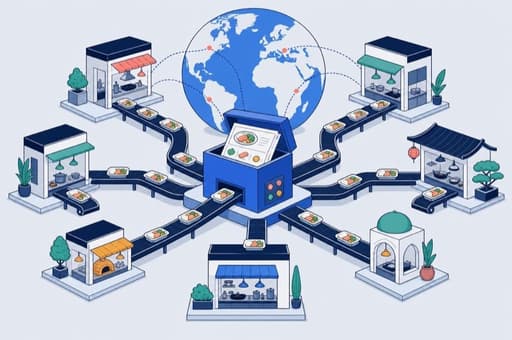
The largest brand produced $3.542 billion of FY2025 revenue from an overwhelmingly franchised, mostly overseas network. New-country growth is the prize; franchisee funding, chicken supply and geopolitics determine how quickly it arrives.
Competes with Popeyes (Restaurant Brands International) · Chickenjoy (Jollibee)
In plain English
Picture one recipe and storefront idea copied across thousands of independently owned kitchens. Diners buy chicken meals; local owners pay for the buildings, equipment and staff, then send Yum a slice of sales for using KFC and receiving operating support.
That arrangement lets KFC spread across many countries without Yum funding every new restaurant. The tradeoff is reliance on outside owners and local conditions: when conflict hurts visits, poultry gets expensive or franchisees slow construction, Yum collects less and opens fewer stores.
Taco Bell
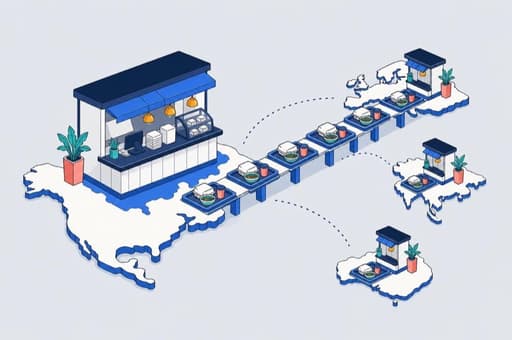
The second engine supplied $3.095 billion of FY2025 revenue and is much more U.S.-centered than KFC. Faster international expansion offers room to grow, while food safety and restaurant traffic are the immediate watchpoints.
Competes with Del Taco restaurants (Del Taco) · Chipotle restaurants (Chipotle Mexican Grill)
In plain English
Taco Bell turns a compact menu of Mexican-style fast food into repeatable restaurants. Most locations belong to local operators, who cover the store costs and pay Yum for the name and playbook; Yum also owns a meaningful group of U.S. stores and keeps those customers' full checks.
Its strongest base is North America, so adding stores abroad could widen the engine. The near-term test is more basic: people must trust the food and keep visiting. A food-safety scare can cut both Yum's store sales and the fees tied to franchisee sales at once.
Yum Franchise Network
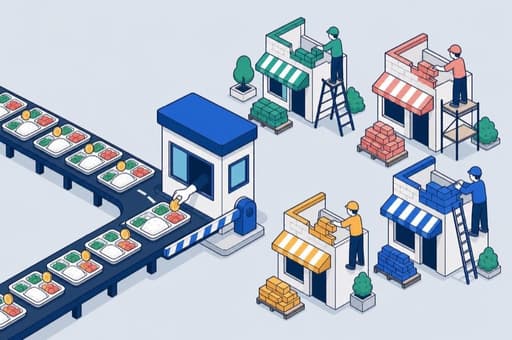
Local operators ran nearly all FY2025 restaurants and financed most new locations. Yum collected $3.473 billion in franchise and property income; keeping those operators profitable is what protects the fee stream.
Competes with Popeyes (Restaurant Brands International) · Del Taco restaurants (Del Taco) · Shake Shack restaurants (Shake Shack)
In plain English
The unglamorous machinery behind the famous names is a network of about fifteen hundred restaurant operators. They usually buy the land, build the stores, hire the crews and restock the kitchens. Yum supplies the brand and operating system, then commonly collects four to six cents from each dollar their customers spend.
It works like a toll road that someone else paid to build. More diner spending sends more fees to Yum without requiring Yum to carry every store's food and labor bills. But the road expands only when local owners can earn enough to justify another location.
Habit Burger & Grill
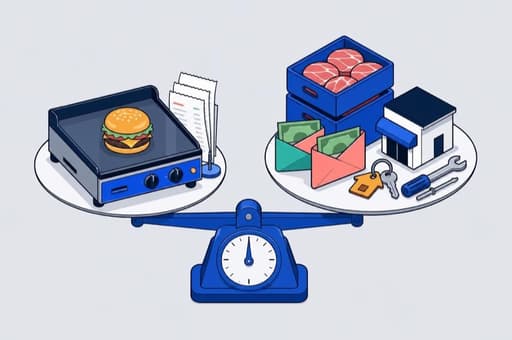
A small burger chain delivered $570 million of FY2025 revenue but lost $13 million and consumed $60 million of building and equipment spending. Closing weaker markets puts store quality ahead of rapid expansion.
Competes with Shake Shack restaurants (Shake Shack) · Five Guys restaurants (Five Guys Enterprises)
In plain English
Unlike the big franchise brands, Habit is mostly a chain of restaurants Yum runs itself. A customer buys a burger, and Yum keeps the whole check—but Yum also pays for the beef, cooks, rent, equipment and most new-store construction.
That makes Habit more like owning the shop than licensing the sign above it. Revenue looks larger for each diner dollar, yet weak traffic or higher food costs hit Yum directly. The chain is pulling back from places where it lacks enough nearby stores, trying to make the remaining network support itself before chasing growth.
Byte by Yum!
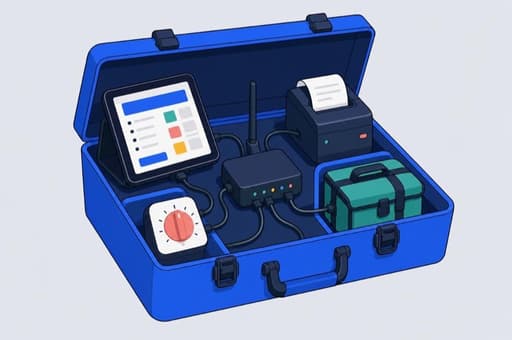
Byte joins ordering, checkout, menus, kitchens, delivery and manager tools in one system. Its main payoff is smoother restaurants and stronger brand fees; former Pizza Hut operations now also buy it as an outside customer.
Competes with Toast restaurant platform (Toast) · Simphony Cloud POS (Oracle)
In plain English
Behind the counter, a restaurant can feel like six machines speaking different languages. Byte is Yum's attempt to give online orders, checkout computers, kitchen screens, delivery services and manager tools one shared set of instructions. It had reached roughly thirty-eight thousand restaurants by FY2025 year-end.
Franchisees use the tools to take and prepare more orders with fewer handoffs. Yum benefits when that lifts restaurant sales, because its brand fees rise with them. Byte has also gained a direct customer outside today's brand family: the former Pizza Hut business outside China. Yum has not said what that contract pays.


 KFCThe largest brand produced $3.542 billion of FY2025 revenue from an overwhelmingly franchised, mostly overseas network. New-country growth is the prize; franchisee funding, chicken supply and geopolitics determine how quickly it arrives.
The largest brand produced $3.542 billion of FY2025 revenue from an overwhelmingly franchised, mostly overseas network. New-country growth is the prize; franchisee funding, chicken supply and geopolitics determine how quickly it arrives.
In plain English
Picture one recipe and storefront idea copied across thousands of independently owned kitchens. Diners buy chicken meals; local owners pay for the buildings, equipment and staff, then send Yum a slice of sales for using KFC and receiving operating support.
That arrangement lets KFC spread across many countries without Yum funding every new restaurant. The tradeoff is reliance on outside owners and local conditions: when conflict hurts visits, poultry gets expensive or franchisees slow construction, Yum collects less and opens fewer stores.
Competes with Popeyes (Restaurant Brands International) · Chickenjoy (Jollibee)
 Taco BellThe second engine supplied $3.095 billion of FY2025 revenue and is much more U.S.-centered than KFC. Faster international expansion offers room to grow, while food safety and restaurant traffic are the immediate watchpoints.
The second engine supplied $3.095 billion of FY2025 revenue and is much more U.S.-centered than KFC. Faster international expansion offers room to grow, while food safety and restaurant traffic are the immediate watchpoints.
In plain English
Taco Bell turns a compact menu of Mexican-style fast food into repeatable restaurants. Most locations belong to local operators, who cover the store costs and pay Yum for the name and playbook; Yum also owns a meaningful group of U.S. stores and keeps those customers' full checks.
Its strongest base is North America, so adding stores abroad could widen the engine. The near-term test is more basic: people must trust the food and keep visiting. A food-safety scare can cut both Yum's store sales and the fees tied to franchisee sales at once.
Competes with Del Taco restaurants (Del Taco) · Chipotle restaurants (Chipotle Mexican Grill)
 Yum Franchise NetworkLocal operators ran nearly all FY2025 restaurants and financed most new locations. Yum collected $3.473 billion in franchise and property income; keeping those operators profitable is what protects the fee stream.
Local operators ran nearly all FY2025 restaurants and financed most new locations. Yum collected $3.473 billion in franchise and property income; keeping those operators profitable is what protects the fee stream.
In plain English
The unglamorous machinery behind the famous names is a network of about fifteen hundred restaurant operators. They usually buy the land, build the stores, hire the crews and restock the kitchens. Yum supplies the brand and operating system, then commonly collects four to six cents from each dollar their customers spend.
It works like a toll road that someone else paid to build. More diner spending sends more fees to Yum without requiring Yum to carry every store's food and labor bills. But the road expands only when local owners can earn enough to justify another location.
Competes with Popeyes (Restaurant Brands International) · Del Taco restaurants (Del Taco) · Shake Shack restaurants (Shake Shack)
 Habit Burger & GrillA small burger chain delivered $570 million of FY2025 revenue but lost $13 million and consumed $60 million of building and equipment spending. Closing weaker markets puts store quality ahead of rapid expansion.
A small burger chain delivered $570 million of FY2025 revenue but lost $13 million and consumed $60 million of building and equipment spending. Closing weaker markets puts store quality ahead of rapid expansion.
In plain English
Unlike the big franchise brands, Habit is mostly a chain of restaurants Yum runs itself. A customer buys a burger, and Yum keeps the whole check—but Yum also pays for the beef, cooks, rent, equipment and most new-store construction.
That makes Habit more like owning the shop than licensing the sign above it. Revenue looks larger for each diner dollar, yet weak traffic or higher food costs hit Yum directly. The chain is pulling back from places where it lacks enough nearby stores, trying to make the remaining network support itself before chasing growth.
Competes with Shake Shack restaurants (Shake Shack) · Five Guys restaurants (Five Guys Enterprises)
 Byte by Yum!Byte joins ordering, checkout, menus, kitchens, delivery and manager tools in one system. Its main payoff is smoother restaurants and stronger brand fees; former Pizza Hut operations now also buy it as an outside customer.
Byte joins ordering, checkout, menus, kitchens, delivery and manager tools in one system. Its main payoff is smoother restaurants and stronger brand fees; former Pizza Hut operations now also buy it as an outside customer.
In plain English
Behind the counter, a restaurant can feel like six machines speaking different languages. Byte is Yum's attempt to give online orders, checkout computers, kitchen screens, delivery services and manager tools one shared set of instructions. It had reached roughly thirty-eight thousand restaurants by FY2025 year-end.
Franchisees use the tools to take and prepare more orders with fewer handoffs. Yum benefits when that lifts restaurant sales, because its brand fees rise with them. Byte has also gained a direct customer outside today's brand family: the former Pizza Hut business outside China. Yum has not said what that contract pays.
Competes with Toast restaurant platform (Toast) · Simphony Cloud POS (Oracle)
Named in filings, launches and programs
- KFC RewardsEcosystemA loyalty program that helps KFC recognize repeat customers and bring their orders into its own digital channels.
- Taco Bell RewardsEcosystemThe brand's loyalty layer, used for tailored offers and orders placed through Taco Bell's own app and website.
- Live Más CaféService · RampingA small Taco Bell beverage-format test, present in a few dozen restaurants in spring 2026.
- QuenchProduct line · RampingKFC's beverage platform, rolling through the U.K., Australia and Canada during FY2026.
- Saucy by KFCBrand · RampingA small company-run chicken-and-sauce concept used to test ideas that may help the wider KFC network.
- Smart Ops bundlePlatform · RampingByte's package for checkout computers, menus and kitchen management, already used across thousands of restaurants.
- Digital Ordering bundlePlatform · RampingByte's web and app ordering package, also connecting restaurant menus with outside delivery marketplaces.
- Byte ConnectPlatform · RampingThe connection that passes menus and customer orders between Yum restaurants and delivery providers.
- Byte CoachPlatformA manager workflow tool that suggests next actions, deployed across more than twenty-eight thousand restaurants by late 2025.
- Voice AIPlatform · RampingA spoken drive-through ordering tool operating in more than nine hundred Taco Bell restaurants by summer 2026.
- Yum China master licenseCustomer programYum China runs KFC and Taco Bell in mainland China and pays Yum three cents for every sales dollar.
- Restaurant Supply Chain SolutionsEcosystemAn outside cooperative that negotiates U.S. supply purchases for Yum restaurant brands.
KFC RewardsEcosystem
A loyalty program that helps KFC recognize repeat customers and bring their orders into its own digital channels.
Taco Bell RewardsEcosystem
The brand's loyalty layer, used for tailored offers and orders placed through Taco Bell's own app and website.
Live Más CaféService · Ramping
A small Taco Bell beverage-format test, present in a few dozen restaurants in spring 2026.
QuenchProduct line · Ramping
KFC's beverage platform, rolling through the U.K., Australia and Canada during FY2026.
Saucy by KFCBrand · Ramping
A small company-run chicken-and-sauce concept used to test ideas that may help the wider KFC network.
Smart Ops bundlePlatform · Ramping
Byte's package for checkout computers, menus and kitchen management, already used across thousands of restaurants.
Digital Ordering bundlePlatform · Ramping
Byte's web and app ordering package, also connecting restaurant menus with outside delivery marketplaces.
Byte ConnectPlatform · Ramping
The connection that passes menus and customer orders between Yum restaurants and delivery providers.
Byte CoachPlatform
A manager workflow tool that suggests next actions, deployed across more than twenty-eight thousand restaurants by late 2025.
Voice AIPlatform · Ramping
A spoken drive-through ordering tool operating in more than nine hundred Taco Bell restaurants by summer 2026.
Yum China master licenseCustomer program
Yum China runs KFC and Taco Bell in mainland China and pays Yum three cents for every sales dollar.
Restaurant Supply Chain SolutionsEcosystem
An outside cooperative that negotiates U.S. supply purchases for Yum restaurant brands.