
Apple (AAPL)
Builds iPhone-led devices and services around an integrated hardware-software ecosystem.
Something off on this page? Send us feedback.
Apple is still, above all, an iPhone company. Its growing Services business turns the continuing use of those devices into repeat payments, while Macs, iPads and wearables round out a tightly linked product family. The next test is whether its own chips and delayed artificial intelligence features make that family more useful without loosening the iPhone’s grip on the whole business.
Item facts: FY2025 · year ended Sep 27, 2025, from filings, earnings calls and company pages.
Judgment weights, not filed revenue
The band summarizes business focus and direction. ~ marks estimates.
7 in detail · 15 more below
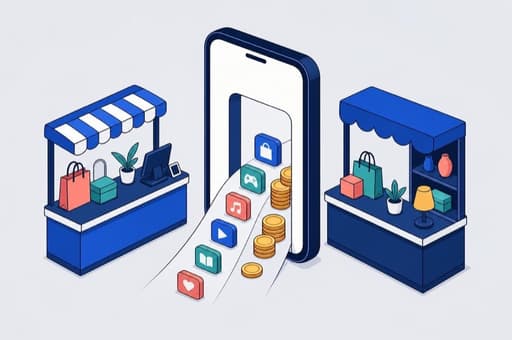
iPhone
Apple’s defining product delivered $209.59B in FY2025 sales and feeds users into nearly everything else Apple sells. Replacement demand still rules; component shortages, rising memory costs and a shrinking phone market are the watchpoints.
Competes with Galaxy S26 series (Samsung) · Pixel 11 (Google)
In plain English
Start with the pocket-sized front door to Apple. The iPhone is the device most people carry everywhere, and it connects them to Apple’s apps, payments, storage and subscriptions.
People buy it outright or through carriers and resellers, often replacing an older phone with a financed upgrade. Apple gets paid for the handset, then has more chances to earn whenever its owner buys an app or service. That makes the iPhone both the largest sale and the entrance to the rest of the business.
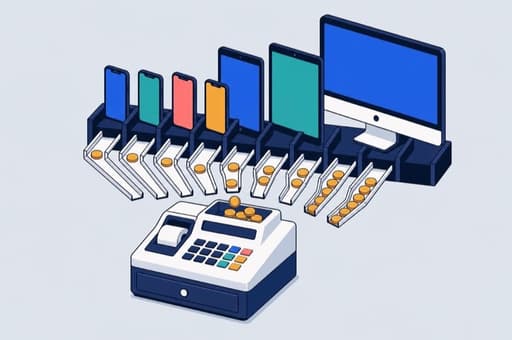
Services
Digital purchases, storage, payments, entertainment, advertising and device care brought in $109.16B in FY2025, up 13.5%. Growth is strong and highly profitable, but store rules, search deals and content rights can change the economics.
Competes with Google One, Google Play and YouTube Premium (Alphabet) · Spotify Premium (Spotify)
In plain English
The unglamorous part that keeps earning after the box is opened. Services is Apple’s collection of paid digital extras: app sales, online storage, music and video, payments, advertising and device protection.
Some customers pay a monthly fee, some pay when they buy digital goods, and businesses pay for advertising or placement. Because these offers live on devices people already use, Apple can collect many small payments without shipping another phone or computer. That repeat business is why Services is growing faster than the company’s hardware base.
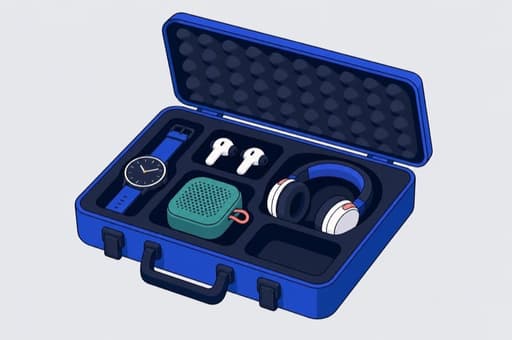
Wearables, Home and Accessories
Watch, AirPods, Beats, home devices, Vision Pro and accessories form a broad $35.69B line. FY2025 sales fell 3.6%, so the question is whether growing earphone demand can outweigh softer watch replacement and limited disclosed headset weight.
Competes with Galaxy Watch9 and Galaxy Buds4 (Samsung) · Quest 3 and Quest 3S (Meta)
In plain English
Picture the shelf around the main devices: a watch on the wrist, earbuds in a pocket, speakers at home and a headset for a more immersive screen. Apple sells all of that in one mixed product family.
Customers pay for each piece of hardware, usually because it works closely with an iPhone, Mac or iPad they already own. Useful links among the devices can encourage another Apple purchase, but this shelf depends on people seeing enough new value to replace accessories that may already work well.
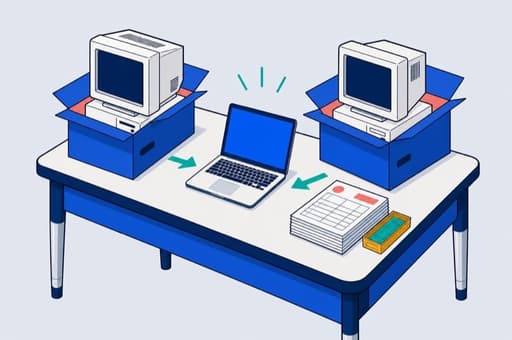
Mac
Apple’s notebooks and desktops made $33.71B in FY2025. Sales then jumped 29% in FY2026 Q3 as the lower-priced MacBook Neo helped, even while the wider personal-computer market was shrinking.
Competes with Surface Laptop and Surface Pro (Microsoft) · XPS laptops (Dell)
In plain English
For work that needs a keyboard and a bigger screen, Apple sells Mac notebooks and desktops to homes, schools and companies. They run Apple-designed chips and connect neatly with its phones and tablets.
Money arrives when a person buys one machine or an organization orders a whole fleet. The newer MacBook Neo lowered the entry price and helped Apple win school orders, including some that replaced Windows or Chromebook machines. Long replacement cycles still mean growth depends on giving owners a reason to upgrade.
iPad
The tablet line generated $28.02B in FY2025, but sales slipped 6% in FY2026 Q3. Its challenge is staying distinct enough from both phones and notebooks to keep households, schools and businesses replacing it.
Competes with Galaxy Tab S11 series (Samsung) · Surface Pro (Microsoft)
In plain English
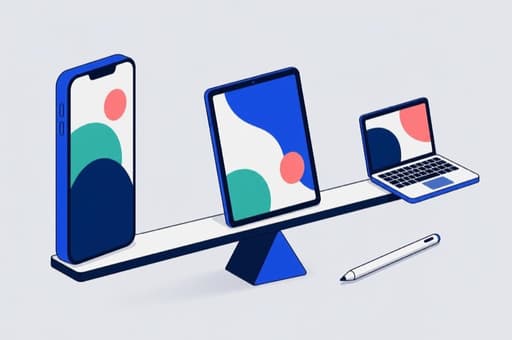
An iPad is the middle child between a phone and a notebook: a touch-screen slab for watching, drawing, reading and, with a keyboard or pen, getting work done. Apple sells it to individuals as well as schools and businesses.
Each device sale brings in cash, while apps and add-ons make it more useful. The catch is easy to picture: a larger phone or a light notebook can do many of the same jobs. Apple therefore needs fresh uses and group purchases to keep the replacement cycle moving.
Apple Intelligence and Siri AI
Apple is adding a more capable Siri and other artificial intelligence tools across supported devices and most iCloud+ plans. Public testing has begun after delays; usefulness, compatible hardware and dependable online computing capacity matter more than a separate price.
Competes with Gemini (Google) · ChatGPT (OpenAI)
In plain English
This is meant to make Apple devices understand requests, work across apps and help with everyday tasks. Siri is the voice control people already know; Apple Intelligence is the wider set of features behind it.
Apple does not sell these tools as a separate business. Instead, they are built into supported devices and most paid iCloud+ storage plans, giving people another reason to buy newer hardware or keep paying for storage. Google’s Gemini technology and online computing service help supply future versions, while ChatGPT can be used as an optional outside helper.
Apple silicon
Apple designs the central chips inside its devices rather than selling chips to outsiders. New M6 and M5 Ultra versions arrived in August 2026; manufacturing quality, memory supply and design execution determine whether that control becomes an advantage.
Competes with Core Ultra Series 3 (Intel) · Snapdragon X series (Qualcomm) · Ryzen AI 400 series (AMD)
In plain English
Deep inside an iPhone, Mac, iPad or wearable sits a chip Apple designed for the jobs that device must do. It is the control center that lets the hardware and software be planned together.
No outside customer buys Apple silicon on its own. Its value shows up when a device feels faster, runs useful features locally or reaches stores on Apple’s schedule, helping sell the finished product. Specialist factories still make the chips, so Apple’s design control does not remove the risks of difficult production or scarce memory parts.


 iPhoneApple’s defining product delivered $209.59B in FY2025 sales and feeds users into nearly everything else Apple sells. Replacement demand still rules; component shortages, rising memory costs and a shrinking phone market are the watchpoints.
Apple’s defining product delivered $209.59B in FY2025 sales and feeds users into nearly everything else Apple sells. Replacement demand still rules; component shortages, rising memory costs and a shrinking phone market are the watchpoints.
In plain English
Start with the pocket-sized front door to Apple. The iPhone is the device most people carry everywhere, and it connects them to Apple’s apps, payments, storage and subscriptions.
People buy it outright or through carriers and resellers, often replacing an older phone with a financed upgrade. Apple gets paid for the handset, then has more chances to earn whenever its owner buys an app or service. That makes the iPhone both the largest sale and the entrance to the rest of the business.
Competes with Galaxy S26 series (Samsung) · Pixel 11 (Google)
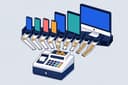 ServicesDigital purchases, storage, payments, entertainment, advertising and device care brought in $109.16B in FY2025, up 13.5%. Growth is strong and highly profitable, but store rules, search deals and content rights can change the economics.
Digital purchases, storage, payments, entertainment, advertising and device care brought in $109.16B in FY2025, up 13.5%. Growth is strong and highly profitable, but store rules, search deals and content rights can change the economics.
In plain English
The unglamorous part that keeps earning after the box is opened. Services is Apple’s collection of paid digital extras: app sales, online storage, music and video, payments, advertising and device protection.
Some customers pay a monthly fee, some pay when they buy digital goods, and businesses pay for advertising or placement. Because these offers live on devices people already use, Apple can collect many small payments without shipping another phone or computer. That repeat business is why Services is growing faster than the company’s hardware base.
Competes with Google One, Google Play and YouTube Premium (Alphabet) · Spotify Premium (Spotify)
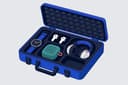 Wearables, Home and AccessoriesWatch, AirPods, Beats, home devices, Vision Pro and accessories form a broad $35.69B line. FY2025 sales fell 3.6%, so the question is whether growing earphone demand can outweigh softer watch replacement and limited disclosed headset weight.
Watch, AirPods, Beats, home devices, Vision Pro and accessories form a broad $35.69B line. FY2025 sales fell 3.6%, so the question is whether growing earphone demand can outweigh softer watch replacement and limited disclosed headset weight.
In plain English
Picture the shelf around the main devices: a watch on the wrist, earbuds in a pocket, speakers at home and a headset for a more immersive screen. Apple sells all of that in one mixed product family.
Customers pay for each piece of hardware, usually because it works closely with an iPhone, Mac or iPad they already own. Useful links among the devices can encourage another Apple purchase, but this shelf depends on people seeing enough new value to replace accessories that may already work well.
Competes with Galaxy Watch9 and Galaxy Buds4 (Samsung) · Quest 3 and Quest 3S (Meta)
 MacApple’s notebooks and desktops made $33.71B in FY2025. Sales then jumped 29% in FY2026 Q3 as the lower-priced MacBook Neo helped, even while the wider personal-computer market was shrinking.
Apple’s notebooks and desktops made $33.71B in FY2025. Sales then jumped 29% in FY2026 Q3 as the lower-priced MacBook Neo helped, even while the wider personal-computer market was shrinking.
In plain English
For work that needs a keyboard and a bigger screen, Apple sells Mac notebooks and desktops to homes, schools and companies. They run Apple-designed chips and connect neatly with its phones and tablets.
Money arrives when a person buys one machine or an organization orders a whole fleet. The newer MacBook Neo lowered the entry price and helped Apple win school orders, including some that replaced Windows or Chromebook machines. Long replacement cycles still mean growth depends on giving owners a reason to upgrade.
Competes with Surface Laptop and Surface Pro (Microsoft) · XPS laptops (Dell)
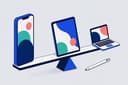 iPadThe tablet line generated $28.02B in FY2025, but sales slipped 6% in FY2026 Q3. Its challenge is staying distinct enough from both phones and notebooks to keep households, schools and businesses replacing it.
The tablet line generated $28.02B in FY2025, but sales slipped 6% in FY2026 Q3. Its challenge is staying distinct enough from both phones and notebooks to keep households, schools and businesses replacing it.
In plain English
An iPad is the middle child between a phone and a notebook: a touch-screen slab for watching, drawing, reading and, with a keyboard or pen, getting work done. Apple sells it to individuals as well as schools and businesses.
Each device sale brings in cash, while apps and add-ons make it more useful. The catch is easy to picture: a larger phone or a light notebook can do many of the same jobs. Apple therefore needs fresh uses and group purchases to keep the replacement cycle moving.
Competes with Galaxy Tab S11 series (Samsung) · Surface Pro (Microsoft)
 Apple Intelligence and Siri AIApple is adding a more capable Siri and other artificial intelligence tools across supported devices and most iCloud+ plans. Public testing has begun after delays; usefulness, compatible hardware and dependable online computing capacity matter more than a separate price.
Apple is adding a more capable Siri and other artificial intelligence tools across supported devices and most iCloud+ plans. Public testing has begun after delays; usefulness, compatible hardware and dependable online computing capacity matter more than a separate price.
In plain English
This is meant to make Apple devices understand requests, work across apps and help with everyday tasks. Siri is the voice control people already know; Apple Intelligence is the wider set of features behind it.
Apple does not sell these tools as a separate business. Instead, they are built into supported devices and most paid iCloud+ storage plans, giving people another reason to buy newer hardware or keep paying for storage. Google’s Gemini technology and online computing service help supply future versions, while ChatGPT can be used as an optional outside helper.
Competes with Gemini (Google) · ChatGPT (OpenAI)
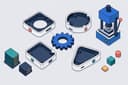 Apple siliconApple designs the central chips inside its devices rather than selling chips to outsiders. New M6 and M5 Ultra versions arrived in August 2026; manufacturing quality, memory supply and design execution determine whether that control becomes an advantage.
Apple designs the central chips inside its devices rather than selling chips to outsiders. New M6 and M5 Ultra versions arrived in August 2026; manufacturing quality, memory supply and design execution determine whether that control becomes an advantage.
In plain English
Deep inside an iPhone, Mac, iPad or wearable sits a chip Apple designed for the jobs that device must do. It is the control center that lets the hardware and software be planned together.
No outside customer buys Apple silicon on its own. Its value shows up when a device feels faster, runs useful features locally or reaches stores on Apple’s schedule, helping sell the finished product. Specialist factories still make the chips, so Apple’s design control does not remove the risks of difficult production or scarce memory parts.
Competes with Core Ultra Series 3 (Intel) · Snapdragon X series (Qualcomm) · Ryzen AI 400 series (AMD)
Named in filings, launches and programs
- App StorePlatformDistributes Apple and outside developers’ apps; Apple earns fees on some digital purchases, while changing store rules can reshape those fees.
- AdvertisingServiceSearch ads and payments from outside search providers sit inside Services; legal remedies could change the Google search relationship.
- iCloud+ServicePaid online storage and privacy features, now also a route to enhanced Apple Intelligence access.
- AppleCareServiceDevice support and extended-warranty plans turn protection after a hardware purchase into Services revenue.
- Apple PayEcosystemStores payment details on Apple devices and connects them with shops for transactions.
- Apple CardServiceA U.S. consumer credit product within payment services; Apple does not reveal its sales separately.
- Apple TVServiceA paid video service built from original and licensed shows and films.
- Apple MusicServiceA paid music subscription inside Apple’s digital-content business.
- Apple ArcadeServiceA game subscription distributed across Apple devices.
- Apple Fitness+ServiceA workout subscription tied to Apple devices and activity measured by Apple Watch.
- Apple News+ServiceA paid bundle of news and magazines inside Apple’s digital-content business.
- Apple UpgradeCustomer program · RampingA U.S. device-leasing program with Klarna offering twelve- to thirty-six-month terms since July 2026.
- MacBook NeoProduct · RampingA lower-priced notebook that helped drive recent Mac growth and education wins.
- Apple Vision ProProductA headset inside Wearables, Home and Accessories; fading discussion suggests limited financial weight, not discontinuation.
- Formula 1 on Apple TVCustomer programA five-year exclusive U.S. broadcast partnership beginning in 2026, meant to attract and keep Apple TV viewers.
App StorePlatform
Distributes Apple and outside developers’ apps; Apple earns fees on some digital purchases, while changing store rules can reshape those fees.
AdvertisingService
Search ads and payments from outside search providers sit inside Services; legal remedies could change the Google search relationship.
iCloud+Service
Paid online storage and privacy features, now also a route to enhanced Apple Intelligence access.
AppleCareService
Device support and extended-warranty plans turn protection after a hardware purchase into Services revenue.
Apple PayEcosystem
Stores payment details on Apple devices and connects them with shops for transactions.
Apple CardService
A U.S. consumer credit product within payment services; Apple does not reveal its sales separately.
Apple TVService
A paid video service built from original and licensed shows and films.
Apple MusicService
A paid music subscription inside Apple’s digital-content business.
Apple ArcadeService
A game subscription distributed across Apple devices.
Apple Fitness+Service
A workout subscription tied to Apple devices and activity measured by Apple Watch.
Apple News+Service
A paid bundle of news and magazines inside Apple’s digital-content business.
Apple UpgradeCustomer program · Ramping
A U.S. device-leasing program with Klarna offering twelve- to thirty-six-month terms since July 2026.
MacBook NeoProduct · Ramping
A lower-priced notebook that helped drive recent Mac growth and education wins.
Apple Vision ProProduct
A headset inside Wearables, Home and Accessories; fading discussion suggests limited financial weight, not discontinuation.
Formula 1 on Apple TVCustomer program
A five-year exclusive U.S. broadcast partnership beginning in 2026, meant to attract and keep Apple TV viewers.