
ConocoPhillips (COP)
Producer of oil and gas across U.S. shale, oil sands and LNG.
Something off on this page? Send us feedback.
ConocoPhillips sells oil and gas pulled from fields around the world, with the mainland United States supplying most of the business. The existing wells throw off the cash; a large Alaska project and a growing trade in gas shipped by sea are meant to add the next leg. Everything still hangs on commodity prices, steady production and projects arriving on time.
Item facts: FY2025 · year ended Dec 31, 2025, from filings, earnings calls and company pages.
Judgment weights, not filed revenue
The band summarizes business focus and direction. ~ marks estimates.
7 in detail · 18 more below
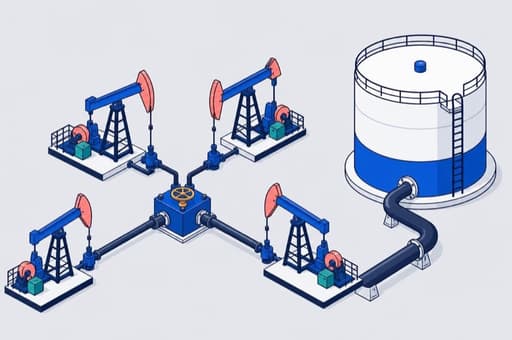
Lower 48
The mainland U.S. fields are the cash engine, producing the energy equivalent of 1.484 million barrels a day. One unnamed pipeline company bought $5.3 billion of output, so buyer access and market prices matter alongside drilling.
Competes with Permian portfolio (ExxonMobil) · Permian and Eagle Ford portfolio (EOG Resources)
In plain English
The Lower 48 means the connected U.S. states. Here, ConocoPhillips runs many wells across Delaware, Midland, Eagle Ford and Bakken, so it can add or slow drilling faster than on a giant offshore project—more like opening a row of taps than building a dam.
Buyers pay for crude oil, gas and the liquid fuels that come out with gas. Pipelines and storage move them to market, while the amount sold and going market prices set the take.
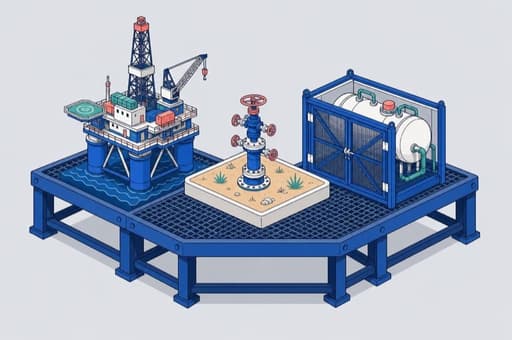
Europe, Middle East and North Africa
A mixed set of Norwegian, Libyan and Equatorial Guinean fields plus a share of Qatar gas exports. Qatar's conflict-related shutdown cut companywide production in the latest quarter; recovery and new Qatar plants are the watchpoints.
Competes with Valhall, Alvheim and Skarv fields (Aker BP) · Wafa, Bahr Essalam and Greenstream (Eni)
In plain English
Three very different production systems sit under this regional name. Norway supplies offshore oil and gas, Libya and Equatorial Guinea add their own output, and Qatar chills gas into a liquid that can travel by ship.
ConocoPhillips sells production from fields it owns directly and receives its portion of profit and cash from shared ventures. Local partners help run those assets, so weather, politics, plant reliability and open shipping lanes can quickly change how much reaches buyers.
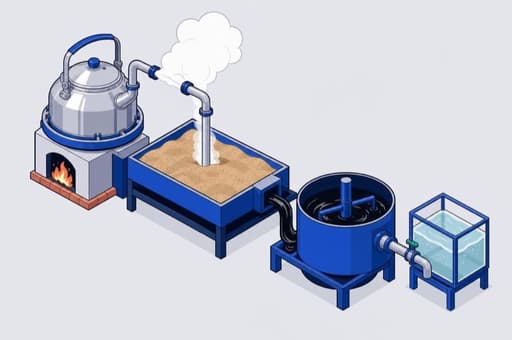
Canada
Surmont's heavy oil does most of the work at 133,000 barrels a day. Montney adds gas and a lighter oil that helps heavy crude flow; steam needs and pipeline access decide how much cash remains.
Competes with Christina Lake (Cenovus Energy) · Attachie (ARC Resources)
In plain English
Canada is the slow-cooker side of ConocoPhillips. At Surmont, steam heats buried bitumen—a very thick form of oil—so it can be pumped, mixed with a thinner liquid and sent through pipelines.
Montney wells provide gas and condensate, the light liquid that comes out with it. Refineries pay for Surmont's heavy crude, while gas buyers take Montney's output. The selling price matters, but so do the gas needed for steam, the blending liquid and room on pipelines.
Asia Pacific
China and Malaysia provide direct oil and gas sales, while Australia Pacific LNG is the larger economic interest. The Australian venture sells to Sinopec and Kansai under long agreements; reliable plants and shipping keep cash moving.
Competes with North West Shelf (Woodside Energy) · Barossa LNG (Santos)
In plain English
This region has two layers. ConocoPhillips sells oil and gas from offshore China and Malaysia, and it owns part of a much larger Australian operation that chills gas into liquid and loads it onto ships.
The Australian plant is like a shared bakery: Origin Energy brings the raw ingredient, ConocoPhillips helps run the ovens and sell the finished cargoes, and each owner receives its portion. Sinopec and Kansai keep buying under long agreements; reliable plants and ships keep the cash moving.
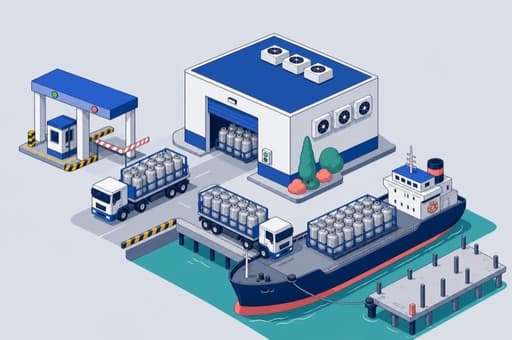
Commercial LNG Portfolio
A trading-and-supply business built around reserved space at gas-export plants rather than company-owned wells alone. The portfolio is expected to begin contributing in FY2027; construction timing and buying-versus-selling prices decide the payoff.
Competes with Sabine Pass (Cheniere) · Plaquemines and CP2 (Venture Global)
In plain English
Natural gas is hard to ship across oceans, so plants chill it until it becomes a compact liquid. ConocoPhillips reserves supply and plant space in several projects, then arranges ships and places cargoes with European and Asian buyers.
It works like a wholesaler booking warehouse space before the goods arrive. Money comes from selling each cargo for more than the gas, plant fee and transport cost. That makes construction dates, plant reliability, shipping and the price gap between regions more important than owning every well.
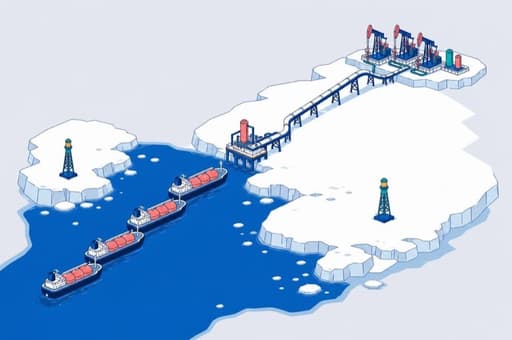
Alaska
A mature North Slope oil business feeding one long transport route to West Coast refineries. It produced 177,000 barrels a day, but costs per barrel were nearly twice the Lower 48 level; that route and those costs are the watchpoints.
Competes with Pikka Phase 1 (Santos) · Prudhoe Bay and Milne Point (Hilcorp)
In plain English
Alaska's oil fields lie far from buyers. ConocoPhillips pumps crude from Prudhoe, Kuparuk and the western North Slope; it enters the Trans-Alaska Pipeline, then company tankers carry most of it to West Coast refineries.
Think of a farm with a single road to market. Refineries pay prices tied to the wider oil market, while production costs, winter work and keeping that route moving determine what remains. This existing base also provides the path that Willow is intended to use.
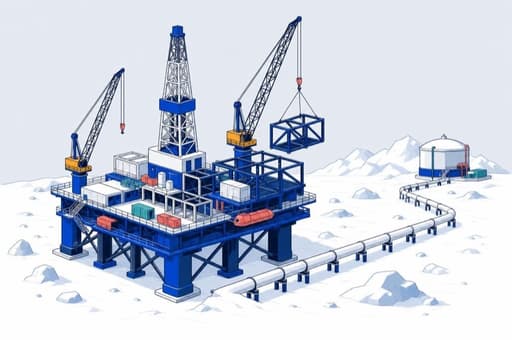
Willow
A large North Slope development still under construction, with first oil targeted for early FY2029. Spending and seasonal work come first; the payoff depends on reaching the planned peak without cost or permit delays.
Competes with Pikka Phase 1 (Santos) · Milne Point (Hilcorp)
In plain English
Willow is a new oil field being built in Arctic Alaska, not a business earning money today. Crews are installing wells and facilities that will connect to existing Alpine equipment and the Trans-Alaska route.
For now it resembles a half-built factory: cash goes in for years before product comes out. Once operating, refineries would pay for its crude just as they do for Alaska's current fields. Construction progress, permits, reservoir performance and the narrow seasonal work window decide when that switch flips.


 Lower 48The mainland U.S. fields are the cash engine, producing the energy equivalent of 1.484 million barrels a day. One unnamed pipeline company bought $5.3 billion of output, so buyer access and market prices matter alongside drilling.
The mainland U.S. fields are the cash engine, producing the energy equivalent of 1.484 million barrels a day. One unnamed pipeline company bought $5.3 billion of output, so buyer access and market prices matter alongside drilling.
In plain English
The Lower 48 means the connected U.S. states. Here, ConocoPhillips runs many wells across Delaware, Midland, Eagle Ford and Bakken, so it can add or slow drilling faster than on a giant offshore project—more like opening a row of taps than building a dam.
Buyers pay for crude oil, gas and the liquid fuels that come out with gas. Pipelines and storage move them to market, while the amount sold and going market prices set the take.
Competes with Permian portfolio (ExxonMobil) · Permian and Eagle Ford portfolio (EOG Resources)
 Europe, Middle East and North AfricaA mixed set of Norwegian, Libyan and Equatorial Guinean fields plus a share of Qatar gas exports. Qatar's conflict-related shutdown cut companywide production in the latest quarter; recovery and new Qatar plants are the watchpoints.
A mixed set of Norwegian, Libyan and Equatorial Guinean fields plus a share of Qatar gas exports. Qatar's conflict-related shutdown cut companywide production in the latest quarter; recovery and new Qatar plants are the watchpoints.
In plain English
Three very different production systems sit under this regional name. Norway supplies offshore oil and gas, Libya and Equatorial Guinea add their own output, and Qatar chills gas into a liquid that can travel by ship.
ConocoPhillips sells production from fields it owns directly and receives its portion of profit and cash from shared ventures. Local partners help run those assets, so weather, politics, plant reliability and open shipping lanes can quickly change how much reaches buyers.
Competes with Valhall, Alvheim and Skarv fields (Aker BP) · Wafa, Bahr Essalam and Greenstream (Eni)
 CanadaSurmont's heavy oil does most of the work at 133,000 barrels a day. Montney adds gas and a lighter oil that helps heavy crude flow; steam needs and pipeline access decide how much cash remains.
Surmont's heavy oil does most of the work at 133,000 barrels a day. Montney adds gas and a lighter oil that helps heavy crude flow; steam needs and pipeline access decide how much cash remains.
In plain English
Canada is the slow-cooker side of ConocoPhillips. At Surmont, steam heats buried bitumen—a very thick form of oil—so it can be pumped, mixed with a thinner liquid and sent through pipelines.
Montney wells provide gas and condensate, the light liquid that comes out with it. Refineries pay for Surmont's heavy crude, while gas buyers take Montney's output. The selling price matters, but so do the gas needed for steam, the blending liquid and room on pipelines.
Competes with Christina Lake (Cenovus Energy) · Attachie (ARC Resources)
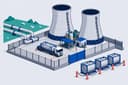 Asia PacificChina and Malaysia provide direct oil and gas sales, while Australia Pacific LNG is the larger economic interest. The Australian venture sells to Sinopec and Kansai under long agreements; reliable plants and shipping keep cash moving.
China and Malaysia provide direct oil and gas sales, while Australia Pacific LNG is the larger economic interest. The Australian venture sells to Sinopec and Kansai under long agreements; reliable plants and shipping keep cash moving.
In plain English
This region has two layers. ConocoPhillips sells oil and gas from offshore China and Malaysia, and it owns part of a much larger Australian operation that chills gas into liquid and loads it onto ships.
The Australian plant is like a shared bakery: Origin Energy brings the raw ingredient, ConocoPhillips helps run the ovens and sell the finished cargoes, and each owner receives its portion. Sinopec and Kansai keep buying under long agreements; reliable plants and ships keep the cash moving.
Competes with North West Shelf (Woodside Energy) · Barossa LNG (Santos)
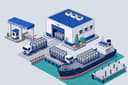 Commercial LNG PortfolioA trading-and-supply business built around reserved space at gas-export plants rather than company-owned wells alone. The portfolio is expected to begin contributing in FY2027; construction timing and buying-versus-selling prices decide the payoff.
A trading-and-supply business built around reserved space at gas-export plants rather than company-owned wells alone. The portfolio is expected to begin contributing in FY2027; construction timing and buying-versus-selling prices decide the payoff.
In plain English
Natural gas is hard to ship across oceans, so plants chill it until it becomes a compact liquid. ConocoPhillips reserves supply and plant space in several projects, then arranges ships and places cargoes with European and Asian buyers.
It works like a wholesaler booking warehouse space before the goods arrive. Money comes from selling each cargo for more than the gas, plant fee and transport cost. That makes construction dates, plant reliability, shipping and the price gap between regions more important than owning every well.
Competes with Sabine Pass (Cheniere) · Plaquemines and CP2 (Venture Global)
 AlaskaA mature North Slope oil business feeding one long transport route to West Coast refineries. It produced 177,000 barrels a day, but costs per barrel were nearly twice the Lower 48 level; that route and those costs are the watchpoints.
A mature North Slope oil business feeding one long transport route to West Coast refineries. It produced 177,000 barrels a day, but costs per barrel were nearly twice the Lower 48 level; that route and those costs are the watchpoints.
In plain English
Alaska's oil fields lie far from buyers. ConocoPhillips pumps crude from Prudhoe, Kuparuk and the western North Slope; it enters the Trans-Alaska Pipeline, then company tankers carry most of it to West Coast refineries.
Think of a farm with a single road to market. Refineries pay prices tied to the wider oil market, while production costs, winter work and keeping that route moving determine what remains. This existing base also provides the path that Willow is intended to use.
Competes with Pikka Phase 1 (Santos) · Prudhoe Bay and Milne Point (Hilcorp)
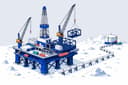 WillowA large North Slope development still under construction, with first oil targeted for early FY2029. Spending and seasonal work come first; the payoff depends on reaching the planned peak without cost or permit delays.
A large North Slope development still under construction, with first oil targeted for early FY2029. Spending and seasonal work come first; the payoff depends on reaching the planned peak without cost or permit delays.
In plain English
Willow is a new oil field being built in Arctic Alaska, not a business earning money today. Crews are installing wells and facilities that will connect to existing Alpine equipment and the Trans-Alaska route.
For now it resembles a half-built factory: cash goes in for years before product comes out. Once operating, refineries would pay for its crude just as they do for Alaska's current fields. Construction progress, permits, reservoir performance and the narrow seasonal work window decide when that switch flips.
Competes with Pikka Phase 1 (Santos) · Milne Point (Hilcorp)
Named in filings, launches and programs
- Delaware BasinPlatformLargest mainland U.S. producing area, at the energy equivalent of 661,000 barrels a day in FY2025.
- Midland BasinPlatformPermian producing area delivering the energy equivalent of 192,000 barrels a day in FY2025.
- Eagle FordPlatformSouth Texas producing area delivering the energy equivalent of 390,000 barrels a day in FY2025.
- BakkenPlatformWilliston Basin producing area delivering the energy equivalent of 204,000 barrels a day in FY2025.
- Greater Prudhoe AreaPlatformHilcorp-run Alaska fields producing the energy equivalent of 85,000 barrels a day for ConocoPhillips in FY2025.
- Greater Kuparuk AreaPlatformMature Alaska complex run by ConocoPhillips, producing the energy equivalent of 75,000 barrels a day in FY2025.
- Western North SlopePlatformAlpine-area production base and future host for Willow infrastructure, at the energy equivalent of 39,000 barrels a day in FY2025.
- SurmontPlatformWholly owned Alberta operation using steam to produce 133,000 barrels a day of very heavy oil in FY2025.
- MontneyPlatformBritish Columbia wells producing gas and its light liquid companion, together equal to 44,000 barrels a day in FY2025.
- Greater Ekofisk AreaPlatformNorwegian North Sea production hub delivering the energy equivalent of 54,000 barrels a day to ConocoPhillips in FY2025.
- QatarEnergy LNG N(3)PlatformShared Qatar gas-export venture producing the energy equivalent of 82,000 barrels a day; cash reaches ConocoPhillips through its ownership stake.
- Waha ConcessionPlatformShared Libyan field system producing the energy equivalent of 65,000 barrels a day, with operating terms extended to FY2050.
- Alba UnitPlatformEquatorial Guinea gas-and-liquid system supplying nearby processing plants, at the energy equivalent of 38,000 barrels a day in FY2025.
- Australia Pacific LNGBrandShared Australian gas-export business with long-term Sinopec and Kansai buyers; ConocoPhillips helps run its two cooling and shipping lines.
- PenglaiPlatformShared offshore Chinese oil field producing 34,000 barrels a day for ConocoPhillips in FY2025.
- Malaysia producing portfolioPlatformFour offshore Malaysian interests together produced the energy equivalent of 36,000 barrels a day in FY2025.
- Other International redevelopment agreementsCustomer program · AnnouncedPlanned entry into four Kirkuk fields and a return to Syria; neither materially changed production guidance by August 2026.
- Optimized CascadeServiceGas-chilling design licensed to 28 operating production lines, bringing fees and project influence without requiring ConocoPhillips to own the whole project.
Delaware BasinPlatform
Largest mainland U.S. producing area, at the energy equivalent of 661,000 barrels a day in FY2025.
Midland BasinPlatform
Permian producing area delivering the energy equivalent of 192,000 barrels a day in FY2025.
Eagle FordPlatform
South Texas producing area delivering the energy equivalent of 390,000 barrels a day in FY2025.
BakkenPlatform
Williston Basin producing area delivering the energy equivalent of 204,000 barrels a day in FY2025.
Greater Prudhoe AreaPlatform
Hilcorp-run Alaska fields producing the energy equivalent of 85,000 barrels a day for ConocoPhillips in FY2025.
Greater Kuparuk AreaPlatform
Mature Alaska complex run by ConocoPhillips, producing the energy equivalent of 75,000 barrels a day in FY2025.
Western North SlopePlatform
Alpine-area production base and future host for Willow infrastructure, at the energy equivalent of 39,000 barrels a day in FY2025.
SurmontPlatform
Wholly owned Alberta operation using steam to produce 133,000 barrels a day of very heavy oil in FY2025.
MontneyPlatform
British Columbia wells producing gas and its light liquid companion, together equal to 44,000 barrels a day in FY2025.
Greater Ekofisk AreaPlatform
Norwegian North Sea production hub delivering the energy equivalent of 54,000 barrels a day to ConocoPhillips in FY2025.
QatarEnergy LNG N(3)Platform
Shared Qatar gas-export venture producing the energy equivalent of 82,000 barrels a day; cash reaches ConocoPhillips through its ownership stake.
Waha ConcessionPlatform
Shared Libyan field system producing the energy equivalent of 65,000 barrels a day, with operating terms extended to FY2050.
Alba UnitPlatform
Equatorial Guinea gas-and-liquid system supplying nearby processing plants, at the energy equivalent of 38,000 barrels a day in FY2025.
Australia Pacific LNGBrand
Shared Australian gas-export business with long-term Sinopec and Kansai buyers; ConocoPhillips helps run its two cooling and shipping lines.
PenglaiPlatform
Shared offshore Chinese oil field producing 34,000 barrels a day for ConocoPhillips in FY2025.
Malaysia producing portfolioPlatform
Four offshore Malaysian interests together produced the energy equivalent of 36,000 barrels a day in FY2025.
Other International redevelopment agreementsCustomer program · Announced
Planned entry into four Kirkuk fields and a return to Syria; neither materially changed production guidance by August 2026.
Optimized CascadeService
Gas-chilling design licensed to 28 operating production lines, bringing fees and project influence without requiring ConocoPhillips to own the whole project.