
Meta (META)
Runs advertising-funded social apps while developing Quest headsets and AI glasses.
Something off on this page? Send us feedback.
Meta is an advertising marketplace wrapped in a family of social apps. Facebook and Instagram still pay for almost everything, while business messaging is beginning to earn its keep. That cash is funding a much more expensive push into artificial intelligence, computing capacity and wearable devices whose business models are still taking shape.
Item facts: FY2025 · year ended Dec 31, 2025, from filings, earnings calls and company pages.
Judgment weights, not filed revenue
The band summarizes business focus and direction. ~ marks estimates.
9 in detail · 16 more below
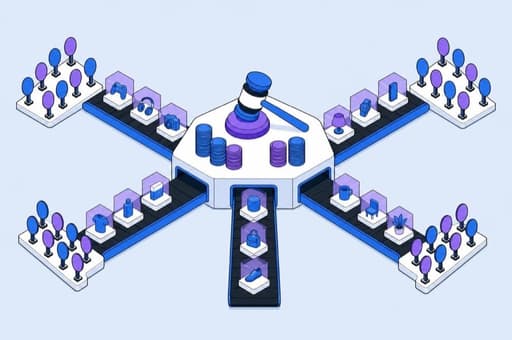
Meta Ads
One shared system sells ad appearances and customer actions across Meta's apps. It produced $196.18 billion in FY2025; watch whether the number of ads shown and the price of each keep rising together.
Competes with Google Ads and YouTube Ads (Alphabet) · TikTok for Business (ByteDance)
In plain English
The unglamorous engine that pays for almost everything else. People and creators fill Meta's apps with things worth looking at, and Meta places paid messages among them. Businesses choose the people they want to reach and the result they want, such as a sale or a new customer.
An automated auction decides which ad appears and what it costs. Better recommendations can create more chances to show ads and help businesses get better results, encouraging them to return. Agencies and resellers bring in more spending, but no single advertiser accounts for more than a tenth of Meta's revenue.

Instagram
Instagram supplies photo, video and short-video places for Meta Ads. An outside estimate put it just over half of Meta's 2025 U.S. ad sales; watch whether Reels earns as much per minute as Feed and Stories.
Competes with TikTok (ByteDance) · YouTube Shorts (Alphabet)
In plain English
Picture a constantly changing magazine made by friends, creators and shops. Instagram's Feed, Stories and Reels give people reasons to keep opening it, while recommendations decide what each person is most likely to watch next.
Businesses pay Meta to place ads between those posts and videos, or use accounts and shops to reach buyers without paying. Instagram does not disclose its own sales because the money is collected through the shared Meta Ads system. Its short videos still earn less from a given amount of attention than Feed and Stories do.
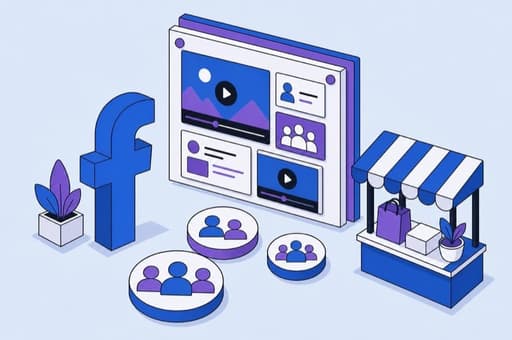
Facebook
Facebook turns feeds, videos, groups and its marketplace into places for Meta Ads. Global video viewing time grew 9% in Q2 2026; watch whether this mature app can keep adding useful attention.
Competes with YouTube (Alphabet) · TikTok (ByteDance)
In plain English
Facebook is the large neighborhood noticeboard in Meta's family. People, group organizers and creators post updates and videos; shops and organizations run pages, list goods and answer messages. All of that activity gives people a reason to browse.
Meta makes money by slipping paid messages into that browsing time through the same auction used across its apps. Businesses pay for reach, leads or purchases, while the app's job is to keep the noticeboard useful and safe enough that people return. Facebook's own revenue is not disclosed separately.
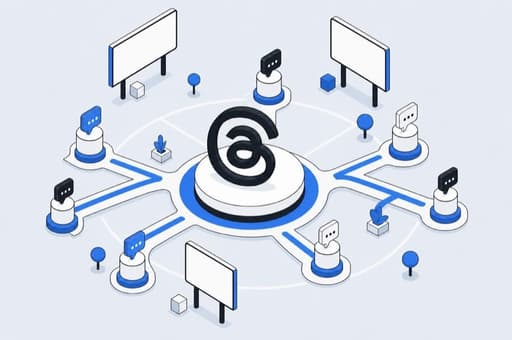
Threads
Threads is Meta's public-conversation app, now carrying ads around the world. It had roughly 500 million monthly users by June 2026; watch whether that growing audience becomes durable advertising demand.
Competes with X (X Corp.) · Bluesky (Bluesky Social)
In plain English
A newer public square, built around short posts and replies. Threads borrows a person's Instagram identity, which makes joining easier, then depends on creators and publishers to keep conversations moving.
The service now shows ads around the world, so advertisers can pay Meta for another place to reach people through the shared ad system. Threads does not reveal its own sales, how many ads it shows or what those ads earn. Its economics therefore depend on keeping the square active, healthy and attractive to buyers.
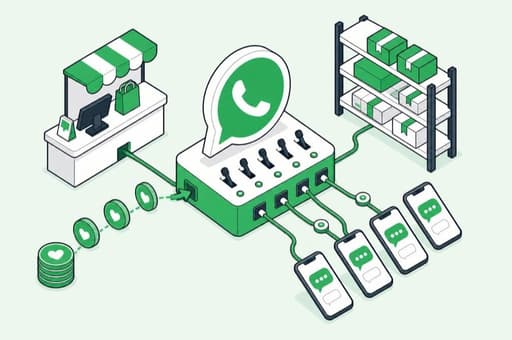
WhatsApp Business Platform
Businesses pay to send service, security and shopping messages through WhatsApp. Paid messaging passed a $2 billion yearly pace in late 2025; watch whether subscriptions and message volume broaden this small revenue stream.
Competes with RCS for Business (Google) · Conversations API (Twilio)
In plain English
Instead of calling a help desk, a customer can receive an order update, a login code or a shopping reply inside WhatsApp. The Business Platform connects those conversations to the systems a company already uses.
Companies pay for these messages, while software partners such as Shopify and Zendesk help connect shop and support tools. More useful conversations mean more paid traffic, but businesses must have permission to contact people and messages still need to arrive reliably. Ads that open a WhatsApp chat are paid through Meta Ads, not through this service line.

Meta Quest
Quest 3 and Quest 3S combine headsets with games, software and a content store. The line remains less than one percent of Meta's FY2025 sales, and recent headset sales declined as glasses grew.
Competes with Vision Pro (Apple) · PICO 4 Ultra (ByteDance)
In plain English
Put on a Quest headset and screens become a room-sized place for games, work and entertainment. Meta sells the device, then also provides the Horizon software and store that connect owners with apps and other content.
Customers pay for headsets and accessories, and developers sell software through Meta's store. That creates a familiar console-like loop: useful games and apps help sell hardware, and a larger group of owners gives developers more reason to build. For now, Meta says lower Quest sales have been offsetting growth in its glasses business.
Ray-Ban Meta and Oakley Meta AI Glasses
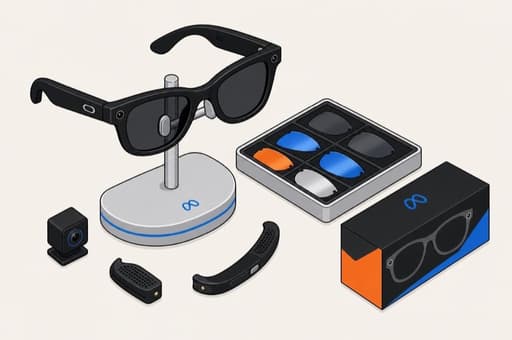
Camera, audio and AI features are built into familiar eyewear made with EssilorLuxottica. Oakley Meta HSTN launched at $399 in 2025; glasses are growing, but Meta does not reveal their sales separately.
Competes with Xiaomi AI Glasses (Xiaomi) · Spectacles (Snap)
In plain English
These look like ordinary Ray-Ban or Oakley frames, but they can take pictures, play sound and connect the wearer to Meta's assistant. Meta designs and distributes them with EssilorLuxottica, which brings eyewear design, manufacturing, brands and stores.
People buy the frames through Meta, the eyewear brands and other retailers, including prescription options. The partnership turns Meta's software and cameras into a physical product without requiring it to build the whole eyewear chain alone. Sales are still small beside advertising, though Meta says glasses drove recent growth in its device division.
Meta AI
Meta's assistant lives across its apps, its own app and its glasses. It passed a billion monthly users in 2025; watch whether that enormous reach becomes paid business tools or other direct income.
Competes with ChatGPT (OpenAI) · Gemini (Google)
In plain English
Ask a question in a Meta app or through its glasses and Meta AI tries to answer, create or help with a task. Putting the same assistant in several familiar places gives it distribution without asking everyone to find a new service.
Consumers do not yet produce a disclosed stream of assistant revenue. Meta has pointed instead toward business helpers, programming access and possible subscriptions as ways to charge. The open question is whether widespread use becomes money of its own, while model quality, safety, privacy and the cost of each answer shape the economics.

Meta Compute
Meta may eventually sell some of its AI computing capacity. It had committed $349.31 billion to purchases and leases by June 2026; that is spending promised to suppliers, not sales promised by customers.
Competes with AWS AI infrastructure (Amazon) · Azure AI infrastructure (Microsoft) · CoreWeave Cloud (CoreWeave) · Nebius AI Cloud (Nebius)
In plain English
For now, this is a large collection of computer buildings, chips and rented capacity that trains Meta's models and runs its ads and business helpers. Management has said outside companies are interested in buying access, but it has not named a buyer, launch date or price.
Meta pays partners including AMD, CoreWeave, Nebius and Google for chips or computing power, while Blue Owl and BlackRock help finance sites. If Meta launches an outside service, companies would pay to use some of that capacity. Until a customer signs, however, these commitments remain a cost of building rather than promised sales.


 Meta AdsOne shared system sells ad appearances and customer actions across Meta's apps. It produced $196.18 billion in FY2025; watch whether the number of ads shown and the price of each keep rising together.
One shared system sells ad appearances and customer actions across Meta's apps. It produced $196.18 billion in FY2025; watch whether the number of ads shown and the price of each keep rising together.
In plain English
The unglamorous engine that pays for almost everything else. People and creators fill Meta's apps with things worth looking at, and Meta places paid messages among them. Businesses choose the people they want to reach and the result they want, such as a sale or a new customer.
An automated auction decides which ad appears and what it costs. Better recommendations can create more chances to show ads and help businesses get better results, encouraging them to return. Agencies and resellers bring in more spending, but no single advertiser accounts for more than a tenth of Meta's revenue.
Competes with Google Ads and YouTube Ads (Alphabet) · TikTok for Business (ByteDance)
 InstagramInstagram supplies photo, video and short-video places for Meta Ads. An outside estimate put it just over half of Meta's 2025 U.S. ad sales; watch whether Reels earns as much per minute as Feed and Stories.
Instagram supplies photo, video and short-video places for Meta Ads. An outside estimate put it just over half of Meta's 2025 U.S. ad sales; watch whether Reels earns as much per minute as Feed and Stories.
In plain English
Picture a constantly changing magazine made by friends, creators and shops. Instagram's Feed, Stories and Reels give people reasons to keep opening it, while recommendations decide what each person is most likely to watch next.
Businesses pay Meta to place ads between those posts and videos, or use accounts and shops to reach buyers without paying. Instagram does not disclose its own sales because the money is collected through the shared Meta Ads system. Its short videos still earn less from a given amount of attention than Feed and Stories do.
Competes with TikTok (ByteDance) · YouTube Shorts (Alphabet)
 FacebookFacebook turns feeds, videos, groups and its marketplace into places for Meta Ads. Global video viewing time grew 9% in Q2 2026; watch whether this mature app can keep adding useful attention.
Facebook turns feeds, videos, groups and its marketplace into places for Meta Ads. Global video viewing time grew 9% in Q2 2026; watch whether this mature app can keep adding useful attention.
In plain English
Facebook is the large neighborhood noticeboard in Meta's family. People, group organizers and creators post updates and videos; shops and organizations run pages, list goods and answer messages. All of that activity gives people a reason to browse.
Meta makes money by slipping paid messages into that browsing time through the same auction used across its apps. Businesses pay for reach, leads or purchases, while the app's job is to keep the noticeboard useful and safe enough that people return. Facebook's own revenue is not disclosed separately.
Competes with YouTube (Alphabet) · TikTok (ByteDance)
 ThreadsThreads is Meta's public-conversation app, now carrying ads around the world. It had roughly 500 million monthly users by June 2026; watch whether that growing audience becomes durable advertising demand.
Threads is Meta's public-conversation app, now carrying ads around the world. It had roughly 500 million monthly users by June 2026; watch whether that growing audience becomes durable advertising demand.
In plain English
A newer public square, built around short posts and replies. Threads borrows a person's Instagram identity, which makes joining easier, then depends on creators and publishers to keep conversations moving.
The service now shows ads around the world, so advertisers can pay Meta for another place to reach people through the shared ad system. Threads does not reveal its own sales, how many ads it shows or what those ads earn. Its economics therefore depend on keeping the square active, healthy and attractive to buyers.
Competes with X (X Corp.) · Bluesky (Bluesky Social)
 WhatsApp Business PlatformBusinesses pay to send service, security and shopping messages through WhatsApp. Paid messaging passed a $2 billion yearly pace in late 2025; watch whether subscriptions and message volume broaden this small revenue stream.
Businesses pay to send service, security and shopping messages through WhatsApp. Paid messaging passed a $2 billion yearly pace in late 2025; watch whether subscriptions and message volume broaden this small revenue stream.
In plain English
Instead of calling a help desk, a customer can receive an order update, a login code or a shopping reply inside WhatsApp. The Business Platform connects those conversations to the systems a company already uses.
Companies pay for these messages, while software partners such as Shopify and Zendesk help connect shop and support tools. More useful conversations mean more paid traffic, but businesses must have permission to contact people and messages still need to arrive reliably. Ads that open a WhatsApp chat are paid through Meta Ads, not through this service line.
Competes with RCS for Business (Google) · Conversations API (Twilio)
 Meta QuestQuest 3 and Quest 3S combine headsets with games, software and a content store. The line remains less than one percent of Meta's FY2025 sales, and recent headset sales declined as glasses grew.
Quest 3 and Quest 3S combine headsets with games, software and a content store. The line remains less than one percent of Meta's FY2025 sales, and recent headset sales declined as glasses grew.
In plain English
Put on a Quest headset and screens become a room-sized place for games, work and entertainment. Meta sells the device, then also provides the Horizon software and store that connect owners with apps and other content.
Customers pay for headsets and accessories, and developers sell software through Meta's store. That creates a familiar console-like loop: useful games and apps help sell hardware, and a larger group of owners gives developers more reason to build. For now, Meta says lower Quest sales have been offsetting growth in its glasses business.
Competes with Vision Pro (Apple) · PICO 4 Ultra (ByteDance)
 Ray-Ban Meta and Oakley Meta AI GlassesCamera, audio and AI features are built into familiar eyewear made with EssilorLuxottica. Oakley Meta HSTN launched at $399 in 2025; glasses are growing, but Meta does not reveal their sales separately.
Camera, audio and AI features are built into familiar eyewear made with EssilorLuxottica. Oakley Meta HSTN launched at $399 in 2025; glasses are growing, but Meta does not reveal their sales separately.
In plain English
These look like ordinary Ray-Ban or Oakley frames, but they can take pictures, play sound and connect the wearer to Meta's assistant. Meta designs and distributes them with EssilorLuxottica, which brings eyewear design, manufacturing, brands and stores.
People buy the frames through Meta, the eyewear brands and other retailers, including prescription options. The partnership turns Meta's software and cameras into a physical product without requiring it to build the whole eyewear chain alone. Sales are still small beside advertising, though Meta says glasses drove recent growth in its device division.
Competes with Xiaomi AI Glasses (Xiaomi) · Spectacles (Snap)
 Meta AIMeta's assistant lives across its apps, its own app and its glasses. It passed a billion monthly users in 2025; watch whether that enormous reach becomes paid business tools or other direct income.
Meta's assistant lives across its apps, its own app and its glasses. It passed a billion monthly users in 2025; watch whether that enormous reach becomes paid business tools or other direct income.
In plain English
Ask a question in a Meta app or through its glasses and Meta AI tries to answer, create or help with a task. Putting the same assistant in several familiar places gives it distribution without asking everyone to find a new service.
Consumers do not yet produce a disclosed stream of assistant revenue. Meta has pointed instead toward business helpers, programming access and possible subscriptions as ways to charge. The open question is whether widespread use becomes money of its own, while model quality, safety, privacy and the cost of each answer shape the economics.
Competes with ChatGPT (OpenAI) · Gemini (Google)
 Meta ComputeMeta may eventually sell some of its AI computing capacity. It had committed $349.31 billion to purchases and leases by June 2026; that is spending promised to suppliers, not sales promised by customers.
Meta may eventually sell some of its AI computing capacity. It had committed $349.31 billion to purchases and leases by June 2026; that is spending promised to suppliers, not sales promised by customers.
In plain English
For now, this is a large collection of computer buildings, chips and rented capacity that trains Meta's models and runs its ads and business helpers. Management has said outside companies are interested in buying access, but it has not named a buyer, launch date or price.
Meta pays partners including AMD, CoreWeave, Nebius and Google for chips or computing power, while Blue Owl and BlackRock help finance sites. If Meta launches an outside service, companies would pay to use some of that capacity. Until a customer signs, however, these commitments remain a cost of building rather than promised sales.
Competes with AWS AI infrastructure (Amazon) · Azure AI infrastructure (Microsoft) · CoreWeave Cloud (CoreWeave) · Nebius AI Cloud (Nebius)
Named in filings, launches and programs
- MessengerPlatformMessaging and calling app that also carries ads, business conversations and Meta AI.
- ReelsProduct lineShort videos across Instagram and Facebook; its yearly revenue pace passed $50 billion in Q3 2025, entirely inside Meta Ads.
- Advantage+ServiceAutomates parts of ad campaigns, including audience selection and creative choices, using artificial intelligence.
- Meta VerifiedServicePaid identity checks, support and extra features; its subscription money sits alongside WhatsApp messaging and payment fees.
- Meta OneService · RampingCross-app subscription launched in Q2 2026, with more feature and price levels planned.
- Meta Business AgentService · RampingAutomated shopping and customer-service helper used weekly by more than one million businesses; paid subscriptions are announced.
- Muse Spark APIPlatform · RampingA way for developers to connect software to Meta's agent model, moving from private testing into public and partner distribution.
- LlamaEcosystemMeta's open family of artificial-intelligence models, still part of a broader mix of open and closed models.
- Meta Horizon Store and Meta Horizon OSEcosystemThe software, content shop and operating layer behind Quest and other mixed-reality devices.
- Meta Ray-Ban Display and Meta Neural BandProductDisplay glasses paired with a wrist-worn input device in Meta's current wearable lineup.
- OrionProduct · Pre-revenueAn augmented-reality glasses prototype, not a commercial product line.
- EditsProductA standalone mobile video-making app for creators.
- Instagram InstantsProductA standalone app launched in early 2026 using Instagram's system for recommending content.
- ForumProductA standalone app for Facebook Groups, launched by Q2 2026.
- SellerProductA standalone app for Facebook Marketplace, launched by Q2 2026.
- AI infrastructure supply programsCustomer programMeta buys chips, computing capacity and data-center financing through a web of named partners; these are supplier commitments, not customer orders.
MessengerPlatform
Messaging and calling app that also carries ads, business conversations and Meta AI.
ReelsProduct line
Short videos across Instagram and Facebook; its yearly revenue pace passed $50 billion in Q3 2025, entirely inside Meta Ads.
Advantage+Service
Automates parts of ad campaigns, including audience selection and creative choices, using artificial intelligence.
Meta VerifiedService
Paid identity checks, support and extra features; its subscription money sits alongside WhatsApp messaging and payment fees.
Meta OneService · Ramping
Cross-app subscription launched in Q2 2026, with more feature and price levels planned.
Meta Business AgentService · Ramping
Automated shopping and customer-service helper used weekly by more than one million businesses; paid subscriptions are announced.
Muse Spark APIPlatform · Ramping
A way for developers to connect software to Meta's agent model, moving from private testing into public and partner distribution.
LlamaEcosystem
Meta's open family of artificial-intelligence models, still part of a broader mix of open and closed models.
Meta Horizon Store and Meta Horizon OSEcosystem
The software, content shop and operating layer behind Quest and other mixed-reality devices.
Meta Ray-Ban Display and Meta Neural BandProduct
Display glasses paired with a wrist-worn input device in Meta's current wearable lineup.
OrionProduct · Pre-revenue
An augmented-reality glasses prototype, not a commercial product line.
EditsProduct
A standalone mobile video-making app for creators.
Instagram InstantsProduct
A standalone app launched in early 2026 using Instagram's system for recommending content.
ForumProduct
A standalone app for Facebook Groups, launched by Q2 2026.
SellerProduct
A standalone app for Facebook Marketplace, launched by Q2 2026.
AI infrastructure supply programsCustomer program
Meta buys chips, computing capacity and data-center financing through a web of named partners; these are supplier commitments, not customer orders.