
Morgan Stanley (MS)
Investment bank combining institutional markets, wealth management and asset management.
Something off on this page? Send us feedback.
Morgan Stanley is split almost evenly between serving wealthy households and helping large investors and companies trade, borrow, raise money and make deals. It is becoming a more connected money platform: workplace accounts and do-it-yourself investing feed advice, while private investments and crypto widen what clients can buy.
Item facts: FY2025 · year ended Dec 31, 2025, from filings, earnings calls and company pages.
Judgment weights, not filed revenue
The band summarizes business focus and direction. ~ marks estimates.
7 in detail · 16 more below

Asset Management (Wealth Management)
Managing household portfolios brought in $18.63B, making this the largest single engine. The fee stream is steadier than dealmaking, but it still rises and falls with markets, new client money and adviser retention.
Competes with Schwab Wealth Advisory (Charles Schwab) · Wealth Management Offerings (Fidelity)
In plain English
Families hire Morgan Stanley advisers to choose investments, plan around life goals and keep portfolios on course. The company charges a small slice of the money it looks after, so a larger pool of client money usually means more revenue.
Workplace stock plans and E*TRADE's do-it-yourself accounts act as front doors. Some people later want fuller advice and move more of their savings under an adviser. They keep paying because the relationship combines planning, investment choices and a person who knows their finances.

Investment Management
Morgan Stanley earned $6.53B running investment funds and custom portfolios for large organizations and other financial firms. What matters next is whether client money grows despite market swings, performance disappointments and pressure for lower fees.
Competes with Asset Management (Goldman Sachs) · BlackRock and iShares (BlackRock)
In plain English
Here the customer is usually a pension plan, company or investment seller rather than one household. Morgan Stanley builds funds and custom collections of stocks, bonds and less-easily-sold investments, then charges for looking after the money.
Think of a tailoring shop: some buyers take a ready-made suit, while others pay for something cut to their measurements. Clients stay when results, service and the range of choices justify the fee. Market gains help by enlarging the pool, while withdrawals or weak results shrink it.

Equity
Helping big investors trade and borrow against stock positions produced $15.63B, split almost evenly between lending and carrying out trades. Activity, client borrowing and market swings drive results; losses and funding limits can quickly narrow the opportunity.
Competes with Equities and Prime Services (Goldman Sachs) · Equities (Wells Fargo)
In plain English
Big investment firms need more than a button that buys shares. They may want to borrow against positions, borrow shares, place a huge order without moving the price too far, or arrange a contract whose value follows a stock. Morgan Stanley supplies that machinery.
It earns from the gap between what it pays and receives, from interest on money lent and from carrying out trades. Customers return because speed, available funding and reliable handling matter when billions are moving. Busy or unsettled markets can help, provided the firm controls the risks it takes along the way.

Fixed Income
Trading and financing bonds, currencies, commodities and bundled loans generated $8.72B. Demand can jump when rates, prices or fear move sharply, but revenue depends on funding costs, available capital and avoiding trading partners that cannot pay.
Competes with FICC (Goldman Sachs) · Fixed Income, Currencies and Commodities (Wells Fargo)
In plain English
Bonds are IOUs, and large investors constantly need to buy, sell or borrow against them. Companies and governments also want help finding buyers. Morgan Stanley stands between these parties across bonds, currencies, commodities and packages of loans, offering a price and taking the other side when needed.
Money comes from the small gap between buying and selling prices and from financing positions. Clients pay for ready access when the exact security they want is not sitting on a public shelf. Changes in interest rates and credit worries create activity, but they also make the bonds and contracts riskier to hold.
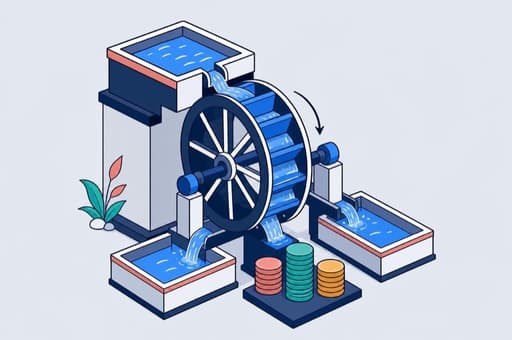
Net Interest (Wealth Management)
The wealth bank earned $7.91B after the interest paid on client deposits, mainly by making loans and owning interest-paying securities. Watch deposit costs, loan demand, credit losses and the path of interest rates.
Competes with Loan Management Account and Margin Lending (Merrill / Bank of America) · Private Banking and Lending (Goldman Sachs)
In plain English
The quiet bank inside the wealth business starts with cash that clients leave in their accounts. Morgan Stanley pays them interest, then puts part of that money into loans and interest-paying securities. What remains after the interest it paid is its revenue.
It works like buying ingredients wholesale and selling prepared portions: the difference pays the kitchen, but changing input prices can squeeze it. Advisers and E*TRADE bring in deposits and borrowers, often people using investments as support for a loan. Clients stay for convenience; the firm earns more when the gap between incoming and outgoing interest is wider.

Transactional (Wealth Management)
Client trading and product purchases brought in $4.59B across commissions, trading income and fees from placing funds and insurance. E*TRADE expands the audience, but revenue still depends on how often people trade and what they choose to buy.
Competes with Schwab Trading and thinkorswim (Charles Schwab) · Self-Directed Investing (Fidelity)
In plain English
Tap an order in E*TRADE or ask an adviser to buy a product, and this is the part of Morgan Stanley that handles the activity. It covers client trades plus fees from placing funds and insurance, so it is broader than a simple trading commission.
The cash register rings when households trade, buy certain products or use related services. Many basic stock trades cost nothing upfront, which shifts the money-making toward the surrounding choices, client cash and lending. The platform keeps people because their investing, workplace shares and advice can live under one roof; quiet clients generate less.

Investment Banking
Advising on takeovers and helping clients sell new shares and bonds generated $7.62B. The opportunity set improved, but announced deals and financing plans pay only if clients proceed and transactions reach the finish line.
Competes with Investment Banking (Goldman Sachs) · Investment Banking (Wells Fargo)
In plain English
When a company wants to buy a rival, sell itself or raise a large amount of money, it hires Morgan Stanley to shape the plan, find the buyer or seller on the other side and guide the process. Governments and investment firms hire it for similar work.
Payment usually arrives around an event: a deal closes, new shares are sold or a bond issue reaches buyers. That makes this business feast-or-famine compared with recurring portfolio fees. Clients pay for judgment, relationships and access to pools of money. A busy list of possible deals helps, but approvals, financing and nervous markets can stop a fee before it is earned.


 Asset Management (Wealth Management)Managing household portfolios brought in $18.63B, making this the largest single engine. The fee stream is steadier than dealmaking, but it still rises and falls with markets, new client money and adviser retention.
Managing household portfolios brought in $18.63B, making this the largest single engine. The fee stream is steadier than dealmaking, but it still rises and falls with markets, new client money and adviser retention.
In plain English
Families hire Morgan Stanley advisers to choose investments, plan around life goals and keep portfolios on course. The company charges a small slice of the money it looks after, so a larger pool of client money usually means more revenue.
Workplace stock plans and E*TRADE's do-it-yourself accounts act as front doors. Some people later want fuller advice and move more of their savings under an adviser. They keep paying because the relationship combines planning, investment choices and a person who knows their finances.
Competes with Schwab Wealth Advisory (Charles Schwab) · Wealth Management Offerings (Fidelity)
 Investment ManagementMorgan Stanley earned $6.53B running investment funds and custom portfolios for large organizations and other financial firms. What matters next is whether client money grows despite market swings, performance disappointments and pressure for lower fees.
Morgan Stanley earned $6.53B running investment funds and custom portfolios for large organizations and other financial firms. What matters next is whether client money grows despite market swings, performance disappointments and pressure for lower fees.
In plain English
Here the customer is usually a pension plan, company or investment seller rather than one household. Morgan Stanley builds funds and custom collections of stocks, bonds and less-easily-sold investments, then charges for looking after the money.
Think of a tailoring shop: some buyers take a ready-made suit, while others pay for something cut to their measurements. Clients stay when results, service and the range of choices justify the fee. Market gains help by enlarging the pool, while withdrawals or weak results shrink it.
Competes with Asset Management (Goldman Sachs) · BlackRock and iShares (BlackRock)
 EquityHelping big investors trade and borrow against stock positions produced $15.63B, split almost evenly between lending and carrying out trades. Activity, client borrowing and market swings drive results; losses and funding limits can quickly narrow the opportunity.
Helping big investors trade and borrow against stock positions produced $15.63B, split almost evenly between lending and carrying out trades. Activity, client borrowing and market swings drive results; losses and funding limits can quickly narrow the opportunity.
In plain English
Big investment firms need more than a button that buys shares. They may want to borrow against positions, borrow shares, place a huge order without moving the price too far, or arrange a contract whose value follows a stock. Morgan Stanley supplies that machinery.
It earns from the gap between what it pays and receives, from interest on money lent and from carrying out trades. Customers return because speed, available funding and reliable handling matter when billions are moving. Busy or unsettled markets can help, provided the firm controls the risks it takes along the way.
Competes with Equities and Prime Services (Goldman Sachs) · Equities (Wells Fargo)
 Fixed IncomeTrading and financing bonds, currencies, commodities and bundled loans generated $8.72B. Demand can jump when rates, prices or fear move sharply, but revenue depends on funding costs, available capital and avoiding trading partners that cannot pay.
Trading and financing bonds, currencies, commodities and bundled loans generated $8.72B. Demand can jump when rates, prices or fear move sharply, but revenue depends on funding costs, available capital and avoiding trading partners that cannot pay.
In plain English
Bonds are IOUs, and large investors constantly need to buy, sell or borrow against them. Companies and governments also want help finding buyers. Morgan Stanley stands between these parties across bonds, currencies, commodities and packages of loans, offering a price and taking the other side when needed.
Money comes from the small gap between buying and selling prices and from financing positions. Clients pay for ready access when the exact security they want is not sitting on a public shelf. Changes in interest rates and credit worries create activity, but they also make the bonds and contracts riskier to hold.
Competes with FICC (Goldman Sachs) · Fixed Income, Currencies and Commodities (Wells Fargo)
 Net Interest (Wealth Management)The wealth bank earned $7.91B after the interest paid on client deposits, mainly by making loans and owning interest-paying securities. Watch deposit costs, loan demand, credit losses and the path of interest rates.
The wealth bank earned $7.91B after the interest paid on client deposits, mainly by making loans and owning interest-paying securities. Watch deposit costs, loan demand, credit losses and the path of interest rates.
In plain English
The quiet bank inside the wealth business starts with cash that clients leave in their accounts. Morgan Stanley pays them interest, then puts part of that money into loans and interest-paying securities. What remains after the interest it paid is its revenue.
It works like buying ingredients wholesale and selling prepared portions: the difference pays the kitchen, but changing input prices can squeeze it. Advisers and E*TRADE bring in deposits and borrowers, often people using investments as support for a loan. Clients stay for convenience; the firm earns more when the gap between incoming and outgoing interest is wider.
Competes with Loan Management Account and Margin Lending (Merrill / Bank of America) · Private Banking and Lending (Goldman Sachs)
 Transactional (Wealth Management)Client trading and product purchases brought in $4.59B across commissions, trading income and fees from placing funds and insurance. E*TRADE expands the audience, but revenue still depends on how often people trade and what they choose to buy.
Client trading and product purchases brought in $4.59B across commissions, trading income and fees from placing funds and insurance. E*TRADE expands the audience, but revenue still depends on how often people trade and what they choose to buy.
In plain English
Tap an order in E*TRADE or ask an adviser to buy a product, and this is the part of Morgan Stanley that handles the activity. It covers client trades plus fees from placing funds and insurance, so it is broader than a simple trading commission.
The cash register rings when households trade, buy certain products or use related services. Many basic stock trades cost nothing upfront, which shifts the money-making toward the surrounding choices, client cash and lending. The platform keeps people because their investing, workplace shares and advice can live under one roof; quiet clients generate less.
Competes with Schwab Trading and thinkorswim (Charles Schwab) · Self-Directed Investing (Fidelity)
 Investment BankingAdvising on takeovers and helping clients sell new shares and bonds generated $7.62B. The opportunity set improved, but announced deals and financing plans pay only if clients proceed and transactions reach the finish line.
Advising on takeovers and helping clients sell new shares and bonds generated $7.62B. The opportunity set improved, but announced deals and financing plans pay only if clients proceed and transactions reach the finish line.
In plain English
When a company wants to buy a rival, sell itself or raise a large amount of money, it hires Morgan Stanley to shape the plan, find the buyer or seller on the other side and guide the process. Governments and investment firms hire it for similar work.
Payment usually arrives around an event: a deal closes, new shares are sold or a bond issue reaches buyers. That makes this business feast-or-famine compared with recurring portfolio fees. Clients pay for judgment, relationships and access to pools of money. A busy list of possible deals helps, but approvals, financing and nervous markets can stop a fee before it is earned.
Competes with Investment Banking (Goldman Sachs) · Investment Banking (Wells Fargo)
Named in filings, launches and programs
- Other (Institutional Securities)ServiceA small collection of institutional lending, investing, research and miscellaneous revenue outside the main trading and deal businesses.
- Other (Wealth Management)ServiceMiscellaneous wealth revenue that sits outside managed portfolios, client transactions and the interest earned through the bank.
- E*TRADE from Morgan StanleyPlatform · RampingDo-it-yourself investing that can feed clients into advice; it added direct Bitcoin, Ether and Solana trading in July 2026.
- Morgan Stanley at WorkPlatformEmployee stock, retirement and pay programs that connect workplace participants to E*TRADE accounts and Morgan Stanley advisers.
- ParametricPlatformBuilds portfolios that follow a market list while tailoring tax choices and holdings for each client inside Investment Management.
- EquityZenPlatformA marketplace for buying and selling shares of private companies, acquired to extend the path from workplace accounts into wealth services.
- PMAX - BalancedProduct · RampingA mixed private-investment fund launched in June 2026 that lets clients request their money back only at set intervals.
- PMAX - GrowthProduct · RampingThe higher-growth companion to PMAX - Balanced, offering private investments with only limited chances to withdraw each quarter.
- Morgan Stanley Bitcoin TrustProductAn exchange-traded investment product designed to follow Bitcoin's price without requiring the buyer to hold Bitcoin directly.
- Morgan Stanley Ethereum TrustProduct · RampingAn exchange-traded investment product following Ether's price, added to the Investment Management range in July 2026.
- Morgan Stanley Solana TrustProduct · RampingAn exchange-traded investment product following Solana's price, launched alongside the Ethereum product in July 2026.
- Morgan Stanley Digital Trust, N.A.Brand · AnnouncedA planned trust bank intended to safeguard digital assets and handle E*TRADE crypto transactions later in 2026.
- U.S. Innovation Infrastructure InitiativeCustomer program · AnnouncedA ten-year aim to facilitate about $1.5T of financing, advice and investment activity; it is a target, not promised customer business.
- MUFG joint venturesEcosystemJapanese securities partnerships built over almost two decades; their contribution is not separately shown in Morgan Stanley's revenue lines.
- Morgan Stanley Infrastructure PartnersPlatformRuns private funds that buy infrastructure assets; those purchases belong to managed funds, not automatically to Morgan Stanley itself.
- Morgan Stanley Real Estate InvestingPlatformRuns property-investment funds; buildings those funds acquire should not be mistaken for Morgan Stanley's own operating businesses.
Other (Institutional Securities)Service
A small collection of institutional lending, investing, research and miscellaneous revenue outside the main trading and deal businesses.
Other (Wealth Management)Service
Miscellaneous wealth revenue that sits outside managed portfolios, client transactions and the interest earned through the bank.
E*TRADE from Morgan StanleyPlatform · Ramping
Do-it-yourself investing that can feed clients into advice; it added direct Bitcoin, Ether and Solana trading in July 2026.
Morgan Stanley at WorkPlatform
Employee stock, retirement and pay programs that connect workplace participants to E*TRADE accounts and Morgan Stanley advisers.
ParametricPlatform
Builds portfolios that follow a market list while tailoring tax choices and holdings for each client inside Investment Management.
EquityZenPlatform
A marketplace for buying and selling shares of private companies, acquired to extend the path from workplace accounts into wealth services.
PMAX - BalancedProduct · Ramping
A mixed private-investment fund launched in June 2026 that lets clients request their money back only at set intervals.
PMAX - GrowthProduct · Ramping
The higher-growth companion to PMAX - Balanced, offering private investments with only limited chances to withdraw each quarter.
Morgan Stanley Bitcoin TrustProduct
An exchange-traded investment product designed to follow Bitcoin's price without requiring the buyer to hold Bitcoin directly.
Morgan Stanley Ethereum TrustProduct · Ramping
An exchange-traded investment product following Ether's price, added to the Investment Management range in July 2026.
Morgan Stanley Solana TrustProduct · Ramping
An exchange-traded investment product following Solana's price, launched alongside the Ethereum product in July 2026.
Morgan Stanley Digital Trust, N.A.Brand · Announced
A planned trust bank intended to safeguard digital assets and handle E*TRADE crypto transactions later in 2026.
U.S. Innovation Infrastructure InitiativeCustomer program · Announced
A ten-year aim to facilitate about $1.5T of financing, advice and investment activity; it is a target, not promised customer business.
MUFG joint venturesEcosystem
Japanese securities partnerships built over almost two decades; their contribution is not separately shown in Morgan Stanley's revenue lines.
Morgan Stanley Infrastructure PartnersPlatform
Runs private funds that buy infrastructure assets; those purchases belong to managed funds, not automatically to Morgan Stanley itself.
Morgan Stanley Real Estate InvestingPlatform
Runs property-investment funds; buildings those funds acquire should not be mistaken for Morgan Stanley's own operating businesses.