
Uber (UBER)
Connects rides, local delivery, and freight through a global on-demand marketplace.
Something off on this page? Send us feedback.
Uber is mostly a network that matches people with rides and local deliveries, plus a much smaller truck-shipping business. Rides still pay most of the bills; food and grocery delivery are gaining weight, while advertising, memberships, business accounts and driverless fleets are turning the same demand into more ways to earn.
Item facts: FY2025 · year ended Dec 31, 2025, from filings, earnings calls and company pages.
Judgment weights, not filed revenue
The band summarizes business focus and direction. ~ marks estimates.
8 in detail · 16 more below
Mobility
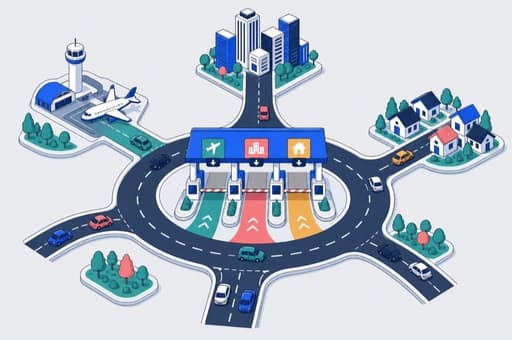
Uber's core ride network matches riders with drivers across everyday trips, taxis, rentals and public transport. Airports supplied 15% of FY2025 bookings; insurance costs and enough nearby drivers decide what each trip leaves behind.
Competes with Lyft rideshare marketplace (Lyft) · DiDi ride-hailing marketplace (DiDi Global) · Waymo One (Alphabet)
In plain English
Open the app, ask for a ride, and Uber finds an available driver nearby. It also covers taxis, rentals, shared rides, advance bookings and some public-transport connections, but the basic job is the same: bring a traveler and a vehicle together quickly.
The rider pays through Uber. The driver receives most of the trip price, and Uber keeps a service fee or the gap between what the rider pays and the driver earns. Frequent trips make the network more useful, while insurance, discounts and local rules can eat into what Uber keeps.
Uber for Business
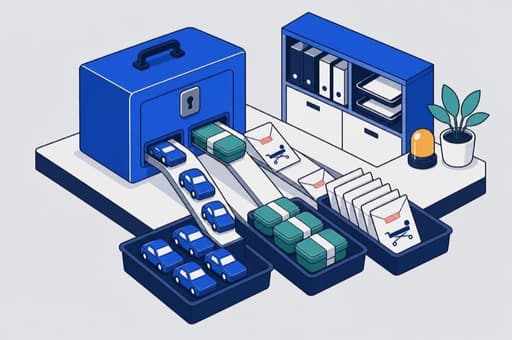
A company travel desk folded into Uber: more than 300,000 organizations use it for staff rides, meals, vouchers and guest trips, though Uber does not say how much money it brings in. In August 2026, management said it was growing about 40%.
Competes with Lyft Business Profiles (Lyft) · DoorDash for Business (DoorDash)
In plain English
Picture a company handing every employee the same supervised wallet for rides and meals. The employer decides who may spend, when, and on what; Uber handles the booking, receipt and bill in one place. Healthcare organizations can also arrange transport for patients.
Organizations pay for the trips and orders their people use, while drivers, couriers and restaurants fulfill them through Uber's existing network. The appeal is control: one bill, clear rules and fewer stray expense claims. Uber benefits because managed accounts bring repeat demand that is less casual than a consumer opening the app on a whim.
Uber Autonomous Solutions
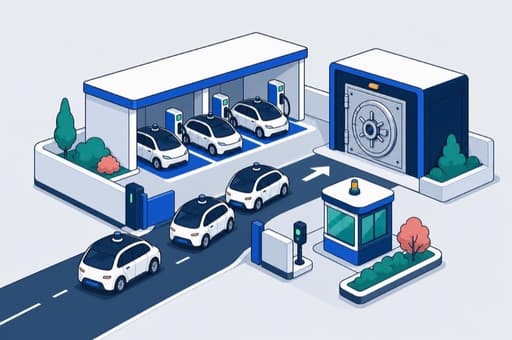
This is Uber's system for bringing driverless vehicles from outside developers into its ride and delivery apps. The August 2026 plan covered several live cities and a costly expansion; safety approval and busy cars matter more than announcements.
Competes with Waymo One and Waymo Driver (Alphabet) · Robotaxi and Full Self-Driving network (Tesla)
In plain English
Uber is not trying to build every driverless car itself. Instead, vehicle makers and driving-software teams provide the machines, while Uber supplies riders, sends cars to the right place, helps arrange depots and the money to pay for them, and handles the customer experience.
It is like adding a new kind of driver to the same assignment board, except the new supply needs charging sites, remote help and permission from regulators. Uber expects completed rides and deliveries to flow through its existing apps. The bet only works if those vehicles are safe, legal and busy enough to cover their much heavier setup costs.
Uber Eats
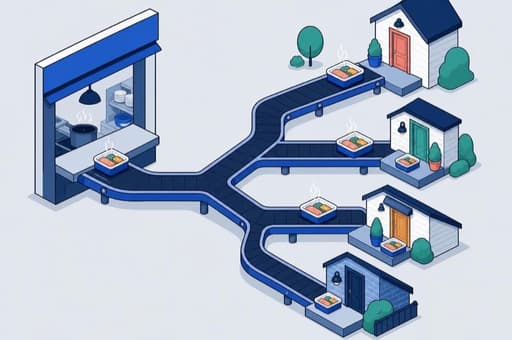
The restaurant-delivery engine connects diners, restaurants and couriers. It is most of Uber's delivery business; repeat orders and dense local supply help, while restaurant margins and local fee limits keep pressure on what Uber can charge.
Competes with DoorDash Marketplace (DoorDash) · foodora and talabat (Delivery Hero)
In plain English
A restaurant gets a second front door, except this one opens onto every nearby phone. Diners choose a meal in Uber Eats, the restaurant prepares it, and a courier carries it to the door. Enough restaurants and couriers nearby make orders faster and keep people coming back.
The diner pays order and service charges. The restaurant gives Uber part of each sale and can pay extra to appear more prominently; the courier receives delivery earnings. Uber keeps those restaurant payments plus the part of customer fees left after courier pay, with discounts sometimes reducing the total.
Grocery & Retail
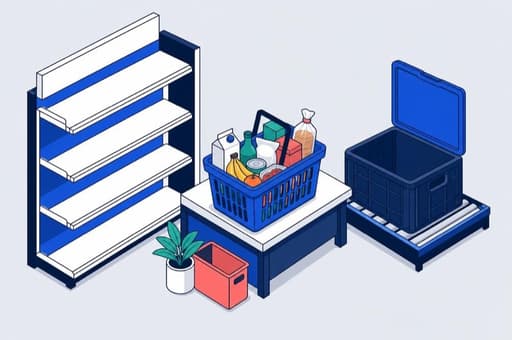
This small but fast-growing slice extends delivery from dinner to groceries, convenience goods, alcohol, pharmacy and other shopping. By August 2026, yearly customer spending was running near $15 billion after several quarters of roughly 40% growth.
Competes with Instacart Marketplace (Instacart) · DoorDash grocery and retail (DoorDash) · Gopuff marketplace (Gopuff)
In plain English
The same courier network that carries dinner can also carry milk, medicine or a last-minute household item. A shopper orders through Uber, a store supplies the goods and often gathers them from the shelves, and a courier handles the final trip.
Customers pay delivery and service charges, while stores give Uber a portion of the sale for bringing the order. Uber keeps what remains after courier pay and discounts. The hard part is less visible than the drive: stock counts must be right, substitutions must make sense, and a missing item can spoil the whole basket.
Uber Advertising
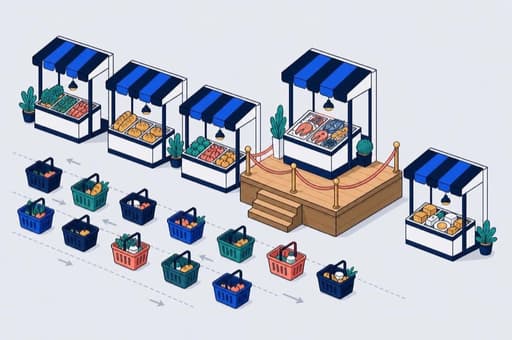
Restaurants, shops and consumer brands pay to stand out while people are choosing what to buy or while they travel. By August 2026, yearly revenue was running above $2.5 billion and growing about 50% from a larger base.
Competes with DoorDash Ads (DoorDash) · Instacart Ads (Instacart)
In plain English
Prime shelf space inside an app can be sold. A restaurant or shop pays to move its offer closer to the top when a customer is already deciding what to order, while product brands can place messages elsewhere in the ride or delivery journey. Most of the money comes when someone clicks a promoted listing.
That makes Uber's busy apps the shelf space and merchants the tenants bidding for a better spot. Uber collects the advertising payment itself, so this line can grow without funding another delivery. Advertisers keep paying only if Uber can show that the placement led to useful attention or sales without making the app feel cluttered.
Uber One
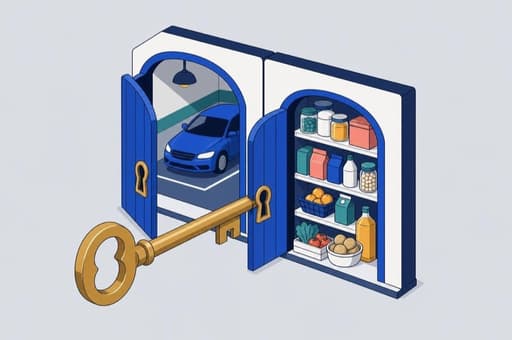
The paid membership links ride and delivery benefits so frequent users have a reason to keep both habits inside Uber. By May 2026, membership had more than doubled in eighteen months; benefit costs and renewals determine its value.
Competes with DashPass (DoorDash) · Lyft Pink (Lyft)
In plain English
Uber One is a season pass shared by two routines: going somewhere and getting something brought home. Members pay a recurring fee for ride and delivery benefits, which makes opening another app feel less attractive.
The subscription payment matters, but its larger job is to create habit. A member who orders food more often gives restaurants and couriers more work; a rider who stays in the same app gives drivers denser demand. Uber wins when those extra trips and orders outweigh the cost of the perks. If local choices are thin or savings feel small, people can simply stop renewing.
Uber Freight
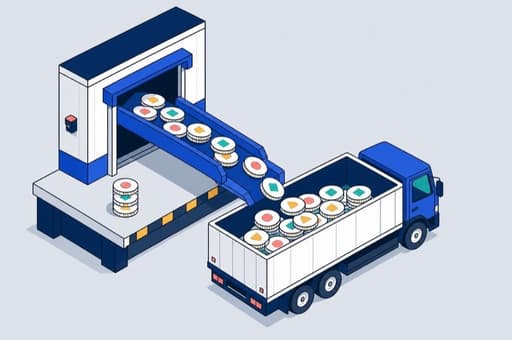
Uber matches business shipments with trucking carriers and also manages transport for large shippers. After nearly two years without growth, Q2 FY2026 revenue rose 26%, but the business was still losing money.
Competes with Navisphere (C.H. Robinson) · RXO Connect (RXO)
In plain English
A factory or retailer has goods to move; a trucking carrier has space to fill. Uber Freight brings the two together and can also run the shipper's broader transport schedule, choosing carriers and tracking loads. Fuel prices, spare truck capacity and inventory cycles all shape demand.
Here Uber usually takes responsibility for the whole transport service. The shipper pays Uber the full shipping bill, Uber pays the carrier, and the difference helps cover its work. That is why Freight sales look large beside the business it keeps for itself: most of the money passes through to trucking companies rather than staying with Uber.


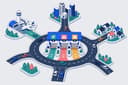 MobilityUber's core ride network matches riders with drivers across everyday trips, taxis, rentals and public transport. Airports supplied 15% of FY2025 bookings; insurance costs and enough nearby drivers decide what each trip leaves behind.
Uber's core ride network matches riders with drivers across everyday trips, taxis, rentals and public transport. Airports supplied 15% of FY2025 bookings; insurance costs and enough nearby drivers decide what each trip leaves behind.
In plain English
Open the app, ask for a ride, and Uber finds an available driver nearby. It also covers taxis, rentals, shared rides, advance bookings and some public-transport connections, but the basic job is the same: bring a traveler and a vehicle together quickly.
The rider pays through Uber. The driver receives most of the trip price, and Uber keeps a service fee or the gap between what the rider pays and the driver earns. Frequent trips make the network more useful, while insurance, discounts and local rules can eat into what Uber keeps.
Competes with Lyft rideshare marketplace (Lyft) · DiDi ride-hailing marketplace (DiDi Global) · Waymo One (Alphabet)
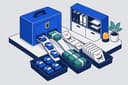 Uber for BusinessA company travel desk folded into Uber: more than 300,000 organizations use it for staff rides, meals, vouchers and guest trips, though Uber does not say how much money it brings in. In August 2026, management said it was growing about 40%.
A company travel desk folded into Uber: more than 300,000 organizations use it for staff rides, meals, vouchers and guest trips, though Uber does not say how much money it brings in. In August 2026, management said it was growing about 40%.
In plain English
Picture a company handing every employee the same supervised wallet for rides and meals. The employer decides who may spend, when, and on what; Uber handles the booking, receipt and bill in one place. Healthcare organizations can also arrange transport for patients.
Organizations pay for the trips and orders their people use, while drivers, couriers and restaurants fulfill them through Uber's existing network. The appeal is control: one bill, clear rules and fewer stray expense claims. Uber benefits because managed accounts bring repeat demand that is less casual than a consumer opening the app on a whim.
Competes with Lyft Business Profiles (Lyft) · DoorDash for Business (DoorDash)
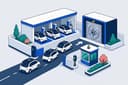 Uber Autonomous SolutionsThis is Uber's system for bringing driverless vehicles from outside developers into its ride and delivery apps. The August 2026 plan covered several live cities and a costly expansion; safety approval and busy cars matter more than announcements.
This is Uber's system for bringing driverless vehicles from outside developers into its ride and delivery apps. The August 2026 plan covered several live cities and a costly expansion; safety approval and busy cars matter more than announcements.
In plain English
Uber is not trying to build every driverless car itself. Instead, vehicle makers and driving-software teams provide the machines, while Uber supplies riders, sends cars to the right place, helps arrange depots and the money to pay for them, and handles the customer experience.
It is like adding a new kind of driver to the same assignment board, except the new supply needs charging sites, remote help and permission from regulators. Uber expects completed rides and deliveries to flow through its existing apps. The bet only works if those vehicles are safe, legal and busy enough to cover their much heavier setup costs.
Competes with Waymo One and Waymo Driver (Alphabet) · Robotaxi and Full Self-Driving network (Tesla)
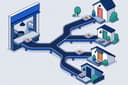 Uber EatsThe restaurant-delivery engine connects diners, restaurants and couriers. It is most of Uber's delivery business; repeat orders and dense local supply help, while restaurant margins and local fee limits keep pressure on what Uber can charge.
The restaurant-delivery engine connects diners, restaurants and couriers. It is most of Uber's delivery business; repeat orders and dense local supply help, while restaurant margins and local fee limits keep pressure on what Uber can charge.
In plain English
A restaurant gets a second front door, except this one opens onto every nearby phone. Diners choose a meal in Uber Eats, the restaurant prepares it, and a courier carries it to the door. Enough restaurants and couriers nearby make orders faster and keep people coming back.
The diner pays order and service charges. The restaurant gives Uber part of each sale and can pay extra to appear more prominently; the courier receives delivery earnings. Uber keeps those restaurant payments plus the part of customer fees left after courier pay, with discounts sometimes reducing the total.
Competes with DoorDash Marketplace (DoorDash) · foodora and talabat (Delivery Hero)
 Grocery & RetailThis small but fast-growing slice extends delivery from dinner to groceries, convenience goods, alcohol, pharmacy and other shopping. By August 2026, yearly customer spending was running near $15 billion after several quarters of roughly 40% growth.
This small but fast-growing slice extends delivery from dinner to groceries, convenience goods, alcohol, pharmacy and other shopping. By August 2026, yearly customer spending was running near $15 billion after several quarters of roughly 40% growth.
In plain English
The same courier network that carries dinner can also carry milk, medicine or a last-minute household item. A shopper orders through Uber, a store supplies the goods and often gathers them from the shelves, and a courier handles the final trip.
Customers pay delivery and service charges, while stores give Uber a portion of the sale for bringing the order. Uber keeps what remains after courier pay and discounts. The hard part is less visible than the drive: stock counts must be right, substitutions must make sense, and a missing item can spoil the whole basket.
Competes with Instacart Marketplace (Instacart) · DoorDash grocery and retail (DoorDash) · Gopuff marketplace (Gopuff)
 Uber AdvertisingRestaurants, shops and consumer brands pay to stand out while people are choosing what to buy or while they travel. By August 2026, yearly revenue was running above $2.5 billion and growing about 50% from a larger base.
Restaurants, shops and consumer brands pay to stand out while people are choosing what to buy or while they travel. By August 2026, yearly revenue was running above $2.5 billion and growing about 50% from a larger base.
In plain English
Prime shelf space inside an app can be sold. A restaurant or shop pays to move its offer closer to the top when a customer is already deciding what to order, while product brands can place messages elsewhere in the ride or delivery journey. Most of the money comes when someone clicks a promoted listing.
That makes Uber's busy apps the shelf space and merchants the tenants bidding for a better spot. Uber collects the advertising payment itself, so this line can grow without funding another delivery. Advertisers keep paying only if Uber can show that the placement led to useful attention or sales without making the app feel cluttered.
Competes with DoorDash Ads (DoorDash) · Instacart Ads (Instacart)
 Uber OneThe paid membership links ride and delivery benefits so frequent users have a reason to keep both habits inside Uber. By May 2026, membership had more than doubled in eighteen months; benefit costs and renewals determine its value.
The paid membership links ride and delivery benefits so frequent users have a reason to keep both habits inside Uber. By May 2026, membership had more than doubled in eighteen months; benefit costs and renewals determine its value.
In plain English
Uber One is a season pass shared by two routines: going somewhere and getting something brought home. Members pay a recurring fee for ride and delivery benefits, which makes opening another app feel less attractive.
The subscription payment matters, but its larger job is to create habit. A member who orders food more often gives restaurants and couriers more work; a rider who stays in the same app gives drivers denser demand. Uber wins when those extra trips and orders outweigh the cost of the perks. If local choices are thin or savings feel small, people can simply stop renewing.
Competes with DashPass (DoorDash) · Lyft Pink (Lyft)
 Uber FreightUber matches business shipments with trucking carriers and also manages transport for large shippers. After nearly two years without growth, Q2 FY2026 revenue rose 26%, but the business was still losing money.
Uber matches business shipments with trucking carriers and also manages transport for large shippers. After nearly two years without growth, Q2 FY2026 revenue rose 26%, but the business was still losing money.
In plain English
A factory or retailer has goods to move; a trucking carrier has space to fill. Uber Freight brings the two together and can also run the shipper's broader transport schedule, choosing carriers and tracking loads. Fuel prices, spare truck capacity and inventory cycles all shape demand.
Here Uber usually takes responsibility for the whole transport service. The shipper pays Uber the full shipping bill, Uber pays the carrier, and the difference helps cover its work. That is why Freight sales look large beside the business it keeps for itself: most of the money passes through to trucking companies rather than staying with Uber.
Competes with Navisphere (C.H. Robinson) · RXO Connect (RXO)
Named in filings, launches and programs
- Uber DirectServiceStores use Uber couriers to deliver orders placed through their own websites and sales channels.
- Uber HealthServiceHealthcare organizations arrange managed rides and logistics, mostly through Uber's transport network.
- ReserveServiceAdvance-booked rides trade spontaneity for greater reliability and generally higher value.
- UberXServiceThe standard on-demand rideshare choice at the center of Uber's everyday ride service.
- UberX ShareServiceShared-route rides aim to lower passenger cost while putting more paying riders in each vehicle.
- ComfortServiceAn upgraded ride tier between standard UberX and premium chauffeur service.
- Uber BlackServiceA premium tier with professional drivers for customers willing to pay more.
- TransitServicePublic-transport information plus ticketing or agency connections in some markets.
- SpotHeroBrandA parking-booking service bought in April 2026 and folded into local transport.
- Trendyol GOBrandA Turkish delivery business in which Uber owned about 86% at the end of FY2025.
- Getir food-delivery businessBrandA food-delivery operation bought in July 2026 alongside a minority grocery interest.
- Careem RidesBrandUber's fully owned Middle East ride business, separate from Careem's other app services.
- Careem TechnologiesBrandCareem's non-ride app business returned to Uber's control in July 2026.
- BlacklaneService · AnnouncedA premium chauffeur service under a pending acquisition agreement.
- Delivery Hero acquisition programEcosystem · AnnouncedA proposed takeover spanning fifty markets, with fourteen overlapping markets marked for sale and a late-2027 closing target.
- Uber AI SolutionsServiceCompanies pay Uber for data labeling and other small digital tasks; revenue is not separately shown.
Uber DirectService
Stores use Uber couriers to deliver orders placed through their own websites and sales channels.
Uber HealthService
Healthcare organizations arrange managed rides and logistics, mostly through Uber's transport network.
ReserveService
Advance-booked rides trade spontaneity for greater reliability and generally higher value.
UberXService
The standard on-demand rideshare choice at the center of Uber's everyday ride service.
UberX ShareService
Shared-route rides aim to lower passenger cost while putting more paying riders in each vehicle.
ComfortService
An upgraded ride tier between standard UberX and premium chauffeur service.
Uber BlackService
A premium tier with professional drivers for customers willing to pay more.
TransitService
Public-transport information plus ticketing or agency connections in some markets.
SpotHeroBrand
A parking-booking service bought in April 2026 and folded into local transport.
Trendyol GOBrand
A Turkish delivery business in which Uber owned about 86% at the end of FY2025.
Getir food-delivery businessBrand
A food-delivery operation bought in July 2026 alongside a minority grocery interest.
Careem RidesBrand
Uber's fully owned Middle East ride business, separate from Careem's other app services.
Careem TechnologiesBrand
Careem's non-ride app business returned to Uber's control in July 2026.
BlacklaneService · Announced
A premium chauffeur service under a pending acquisition agreement.
Delivery Hero acquisition programEcosystem · Announced
A proposed takeover spanning fifty markets, with fourteen overlapping markets marked for sale and a late-2027 closing target.
Uber AI SolutionsService
Companies pay Uber for data labeling and other small digital tasks; revenue is not separately shown.